



19th Century Scent
When you look for 19th century scent pieces, you are handling small silver, glass, and porcelain vessels designed to carry perfume or hold aromatic vinegars.
19th Century Scent
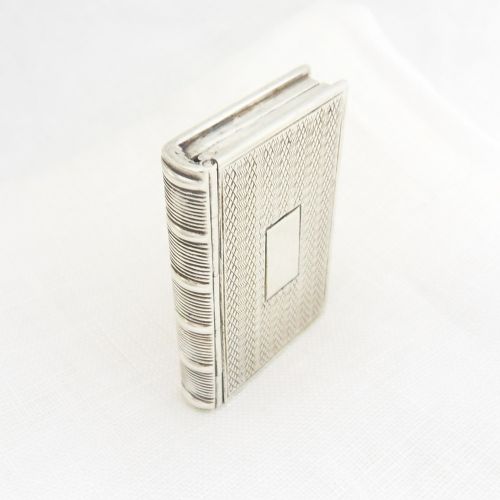
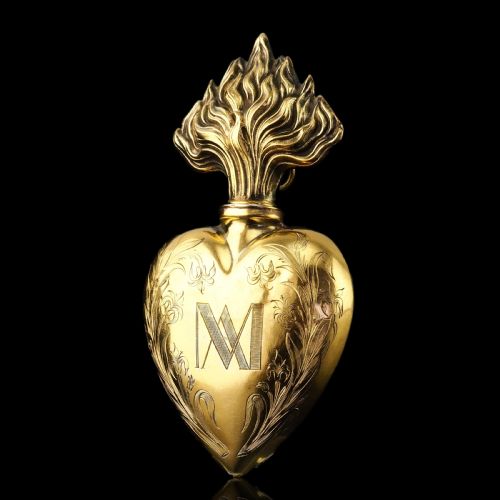
Collectors seeking 19th century scent items will find a diverse range of functional objects, primarily scent bottles, vinaigrettes, and snuff bottles. These pieces span the Georgian, Regency, and Victorian periods, reflecting shifting domestic habits and personal adornment.
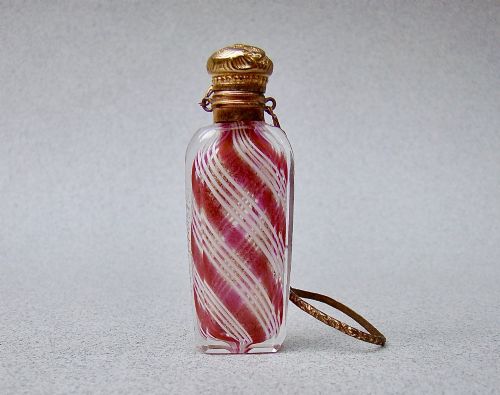
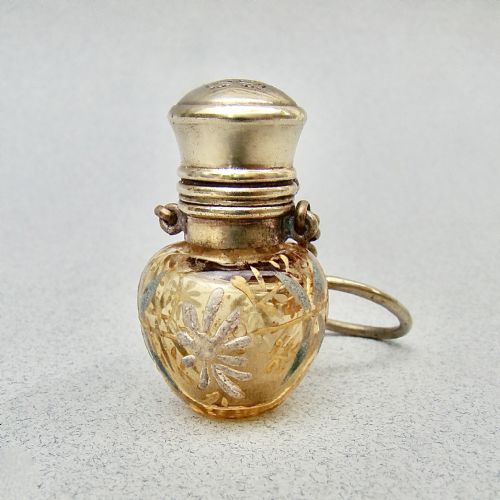
The selections here frequently include English silver vinaigrettes alongside elaborate French glass scent bottles designed for chatelaines. Examples extend to Chinese rock crystal and porcelain snuff bottles from the same era.
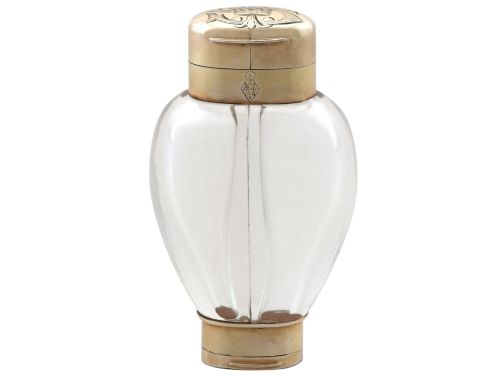
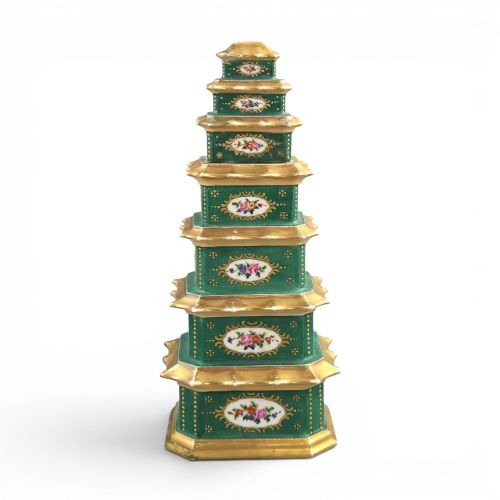
Makers and manufacturers from Worcester to Paris produced these items in porcelain, crystal, and precious metals. Buyers encounter everything from simple glass pocket flasks to intricate silver gilt mounted novelties.
How they were made
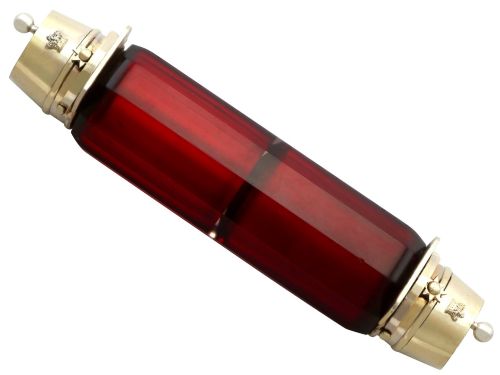
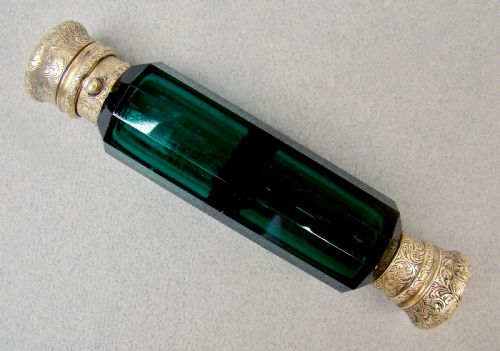
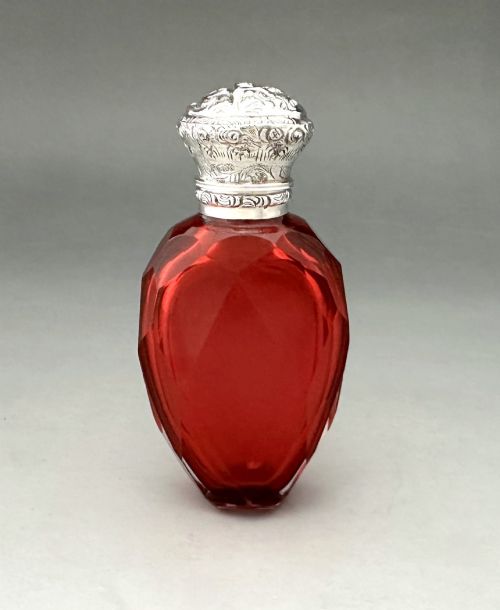
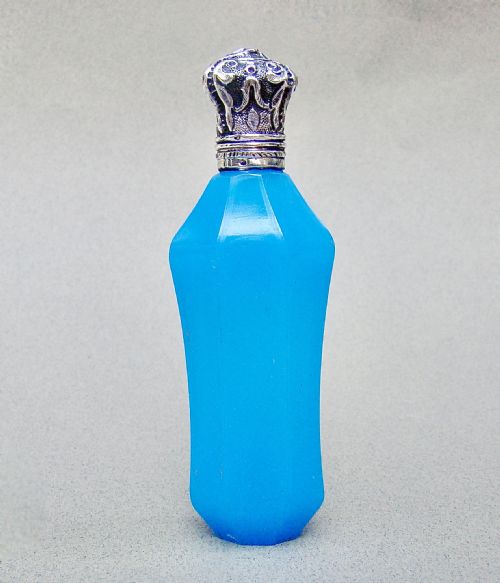
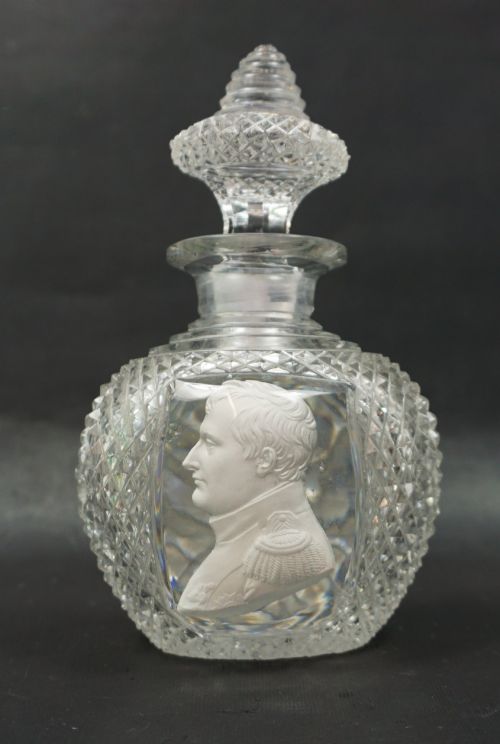
Craftsmen utilised sterling silver, silver gilt, and bronze alongside coloured and layered glass such as ruby, cranberry, and opaline. Glassmakers employed techniques like overlay cutting, murrine, and sulphide portraits to achieve depth and contrast.
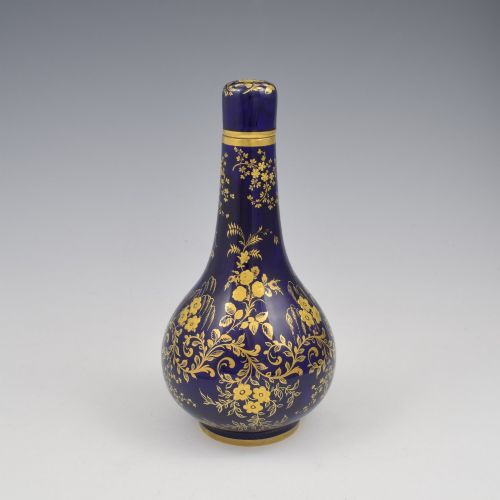
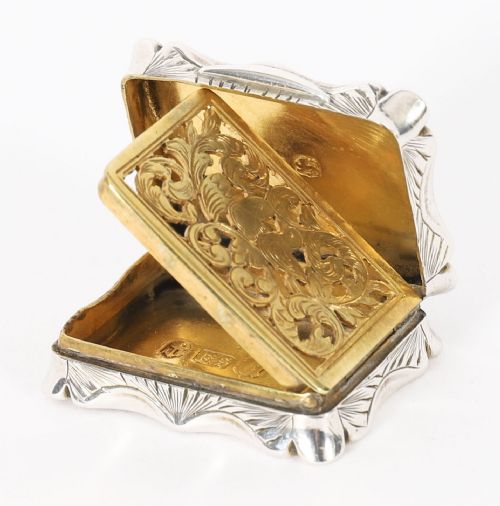
Silversmiths constructed intricate vinaigrettes with pierced internal grilles for aromatic sponges, often adding engine-turned guilloche patterns. Porcelain pieces combined moulded bodies with hand-painted enamels, gilding, and transfer prints.
19th Century Scent Retail Price Guide 2026
Typical asking prices for 19th century scent among the pieces listed under this phrase on Sellingantiques today, from the lower quarter to the upper quarter. They describe what is for sale here now, not the wider market.
Listings feature silver, glass, porcelain, and gold leaf spanning the Georgian, Regency, and Victorian eras.
What varies in quality
The distinction between ordinary and superior pieces rests on the crispness of the metal chasing and the precision of the glass cutting. Multi-layered glass requires exact thermal control to expose contrasting colours cleanly through the overlay.
Hand-painted details on porcelain and enamel components reveal the hand of a skilled artist through fine linework and balanced composition. Original stoppers, matching lids, and intact internal gilt washes elevate the integrity of the piece.
Taylor and Perry·Edward Smith·Jacob Petit·Samuel Alcock·Flight Barr and Barr
The 19th Century Scent Glossary
- Vinaigrette
- A small metal box containing a sponge soaked in aromatic vinegar, fitted with a hinged pierced inner grill. These items were carried in pockets or on chatelaines during the Georgian and Victorian periods.
- Chatelaine
- A decorative belt hook from which suspended chains held utility items such as scent bottles, keys, and watches. They were worn primarily by women in the 19th century.
- Opaline glass
- An opaque or translucent glass produced in various pale pastel shades during the 19th century. It was frequently mounted in silver or gilt brass for perfume containers.
- Guilloche
- A decorative mechanical engraving technique producing precise, intricate repeating patterns on metal surfaces. It appears frequently on silver scent containers and etuis.
- Sulphide
- A small cameo-like ceramic plaque encased within clear glass, developed during the early 19th century. Portraits of notable figures such as Napoleon often appear in this medium.
19th Century Scent: Frequently Asked Questions
How do I identify a chatelaine bottle?
Chatelaine scent bottles usually feature a small suspension ring attached to the cap or collar. This ring allowed the vessel to hang securely from chatelaine chains worn at the waist.
These pieces often display decorative mounts designed to withstand being carried on the move.
What materials were used?
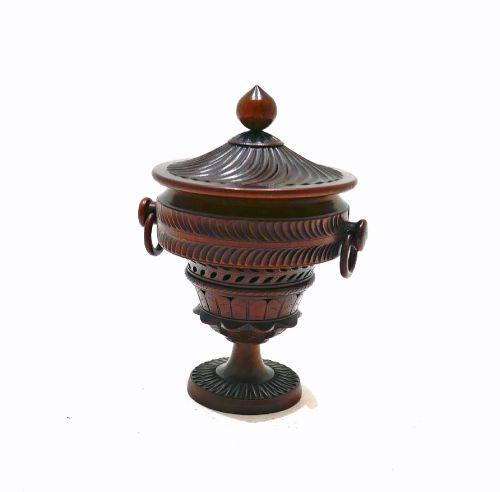
Makers utilised sterling silver, silver gilt, and various coloured glasses including opaline, ruby, and cranberry. Porcelain bodies also appear, alongside carved rock crystal and treen.
Precious metals provided durable mountings for delicate glass and porcelain perfume containers.
How can I date a piece?
Dating relies on hallmarks on silver components, stylistic traits, and manufacturing methods. Victorian pieces often display registration marks or specific maker stamps.
French and English items from the period show distinct shifts in decorative styles from Regency classical forms to later Victorian revivalism.