



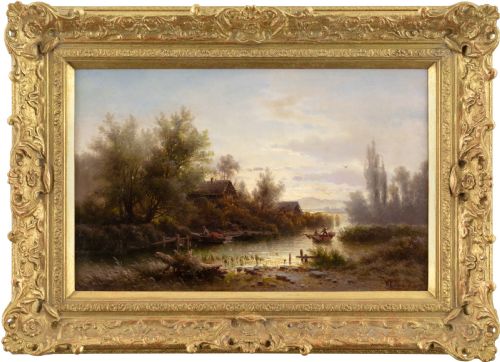
19th Century River Artwork
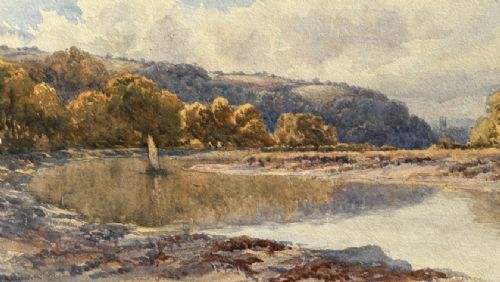
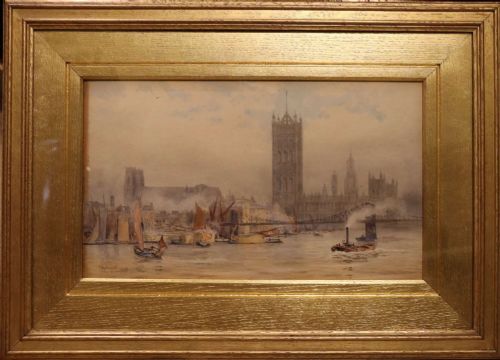
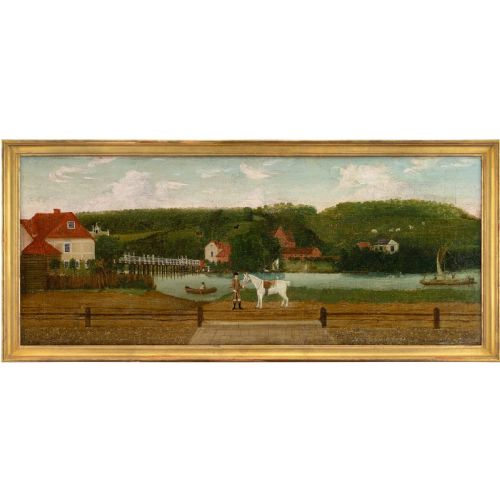
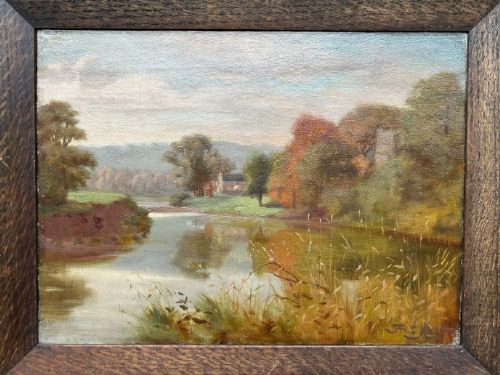
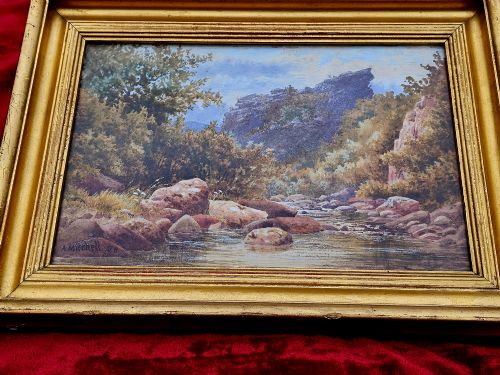
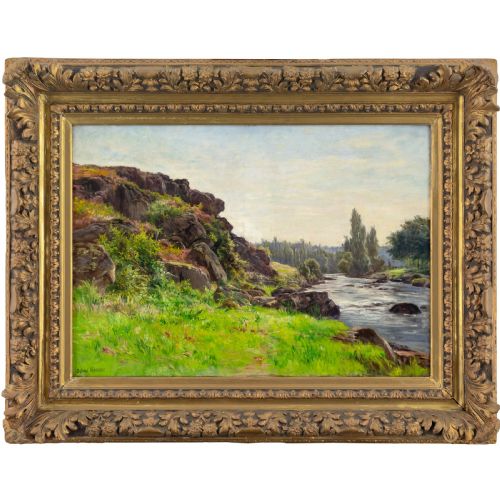
These 19th century river artwork pieces capture moving water, shifting light and pastoral riverbanks in oil, watercolour and etching.
19th Century River Artwork
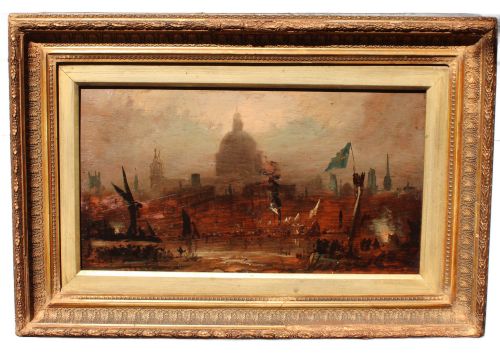
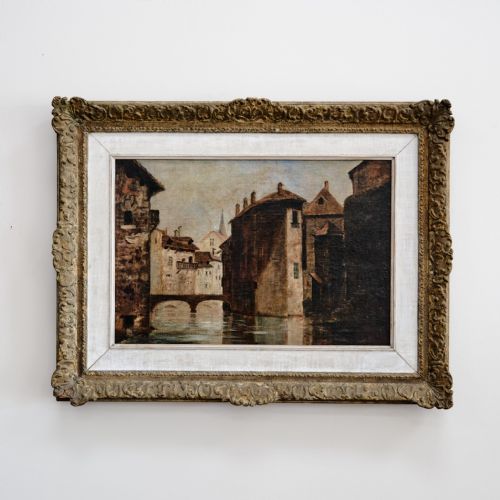
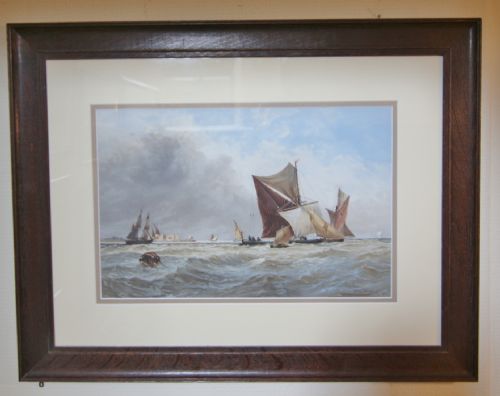
When searching for 19th century river artwork, a buyer examines painted and drawn depictions of waterways produced across the Victorian and Georgian eras. These works range from small oil studies and charcoal sketches to expansive framed canvases showing British rivers like the Thames, Medway and Tyne.
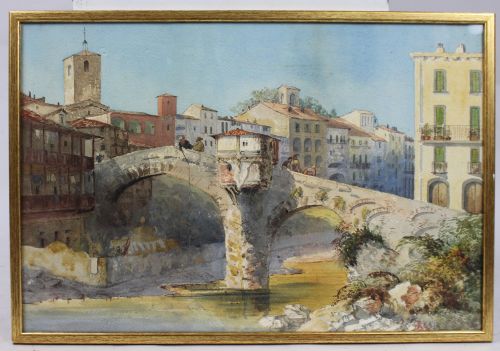
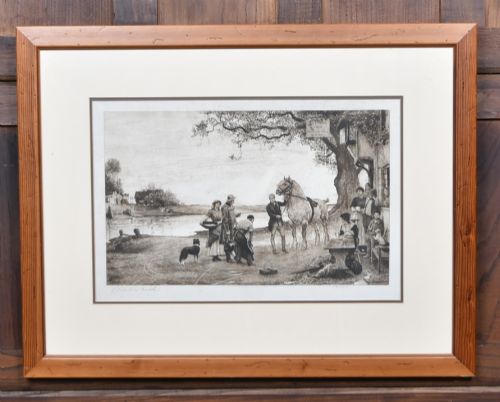
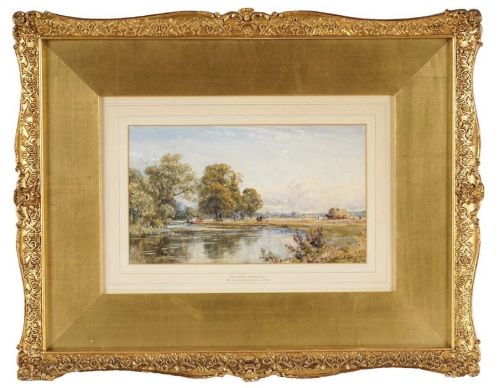
The most common examples on this page are oil paintings on canvas and wood panels alongside detailed watercolours. Subjects stretch from quiet rural locks and harvesting scenes to bustling urban pools and coastal harbours.
Makers and artists working within British, French, Flemish and Italianate styles shaped these outputs, recording topography, shipping and rural life using period pigments and grounds.
Materials and techniques
Artists built these works primarily using oil paint on canvas, wood panels or board, applying layers with brushes and sometimes incorporating gesso grounds for framing. Watercolours and charcoal appeared frequently on paper supports, occasionally supported by lithographic printing techniques for multiple images.
Frames commonly consist of carved and gilded wood, known as giltwood, which complemented the finished paintings. The physical components reflect standard workshop practices of the nineteenth century, uniting paper, canvas, wood and oil media.
Listings span the nineteenth century, encompassing Georgian, Victorian and early twentieth-century periods up to the nineteen-twenties.
What separates works of higher quality
The distinction between ordinary and superior pieces rests on the handling of light, atmosphere and compositional depth by the artist. Stronger examples demonstrate confident brushwork and precise topographical detail rather than formulaic repetition.
The condition of the original surface, stability of the canvas or wood panel, and presence of a period frame influence the integrity of the surviving piece. Works bearing clear signatures or attribution to recognised Victorian and continental painters command greater interest.
Alfred Young Nutt·W Klombeck·Frederick Marriott·A. Mitchell·Gabriel Mathieu·J. M. W. Turner·Robert W. Macbeth·Robert Thorne Waite·Albert Bierstadt·T B Hardy·Albert Rieger·Grimshaw Whistler·E Brown·T C Hofland·Henry H Parker·David Cox·T. Bergman·Honore Cavaroc·Charles Clair·Henri Jaques Delpy·William Frederick Settle·Charles William Wyllie·Alexandre Le Bihan·Thomas Baker·André Prévot-Valéri
The 19th Century River Artwork Glossary
- Oil on Canvas
- A painting medium where pigments suspended in drying oils are applied to a stretched woven fabric support.
- Watercolour
- A painting method where coloured pigments are suspended in a water-soluble vehicle, typically executed on paper.
- Wood Panel
- A rigid flat wooden support used by artists instead of canvas for oil paintings.
- Giltwood
- Wood that has been carved and coated with a thin layer of gold leaf or gilt finish, often found on picture frames.
- Etching
- A printmaking process where lines are incised into a metal plate with acid before ink is applied and transferred to paper.
19th Century River Artwork: Frequently Asked Questions
What subjects appear in these river artworks?
The works depict a wide variety of maritime and inland water scenes, including rural riverbanks, bridges, locks and busy urban wharves. Common locations feature British rivers alongside continental European waterways and North American scenes.
Artists recorded both quiet pastoral moments, such as fishing and harvesting by the water, and industrial shipping activity near major ports and castles.
How should these paintings be displayed at home?
These framed paintings and works on paper suit traditional and eclectic interiors alike, typically hung at eye level on neutral walls. Proper placement avoids direct sunlight and excessive moisture to protect nineteenth-century canvas, paper and pigments.
Matching the artwork with an appropriate period or simple neutral frame helps integrate the piece into an existing room scheme without competing with the imagery.
How can I tell different nineteenth-century art styles apart?
Styles range from Romanticism and Victorian Naturalism to early Impressionism and regional schools like the British or Flemish traditions. Romantic and realist works often emphasise dramatic weather, accurate topography and narrative detail.
Impressionist-influenced pieces focus more on loose brushstrokes, shifting natural light and atmospheric effects rather than tight linear precision.
Were these works created as studio pieces or outdoors?
Many nineteenth-century artists produced preliminary oil studies or watercolours outdoors on location, known as plein air work. Finished larger canvases were frequently completed later inside the studio using those initial field sketches as reference.
This working method combined direct observation of natural light with formal composition developed indoors.