

19th Century Press Cabinet
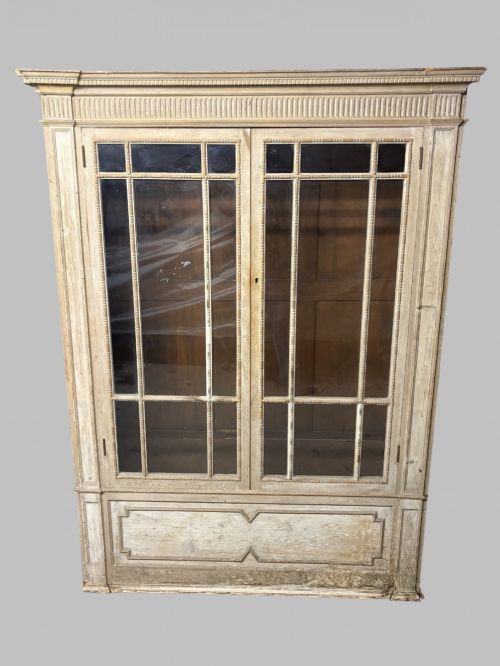
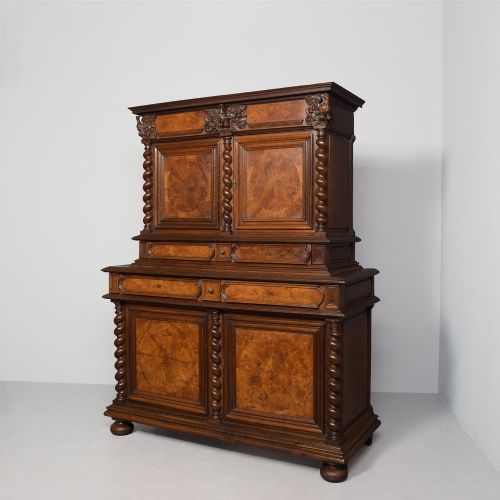
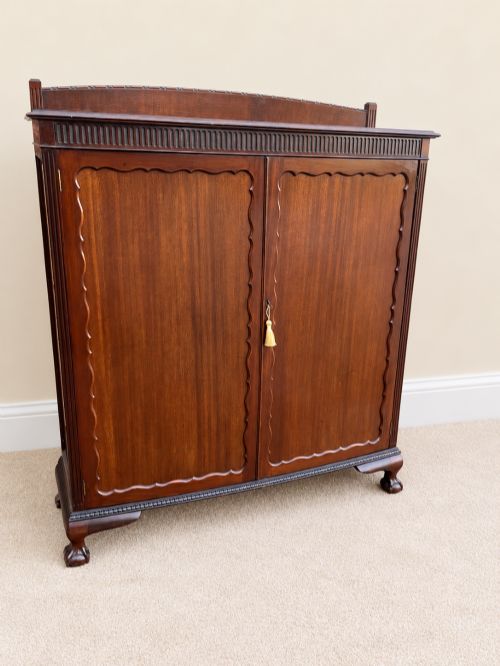
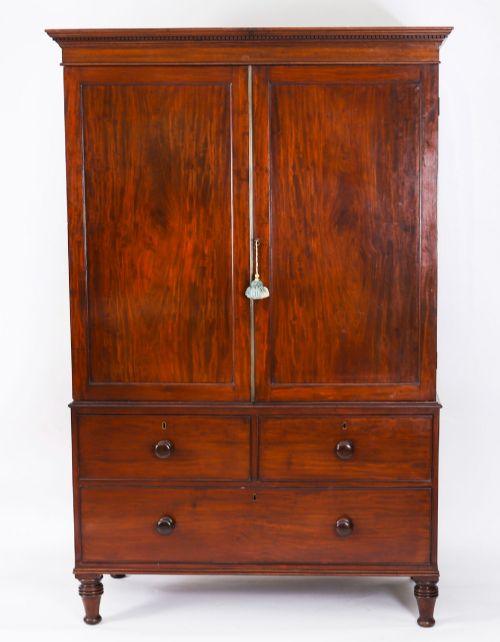
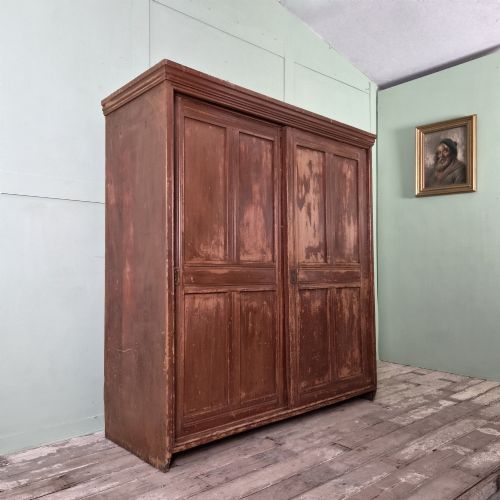
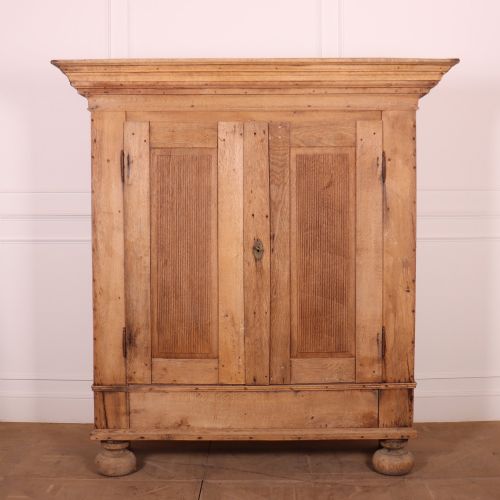
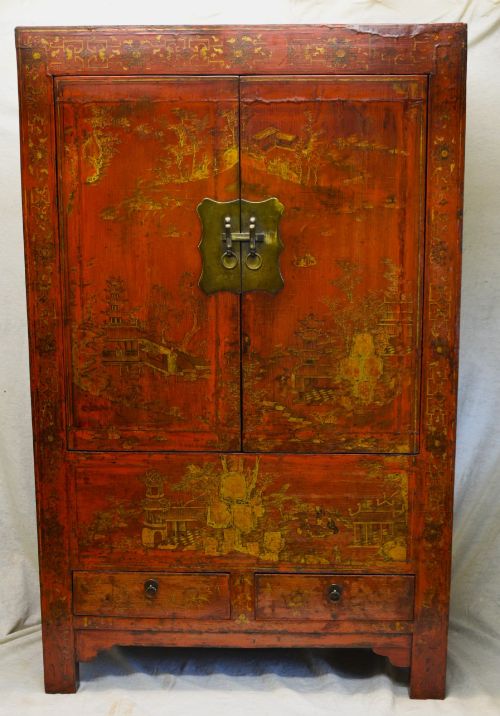
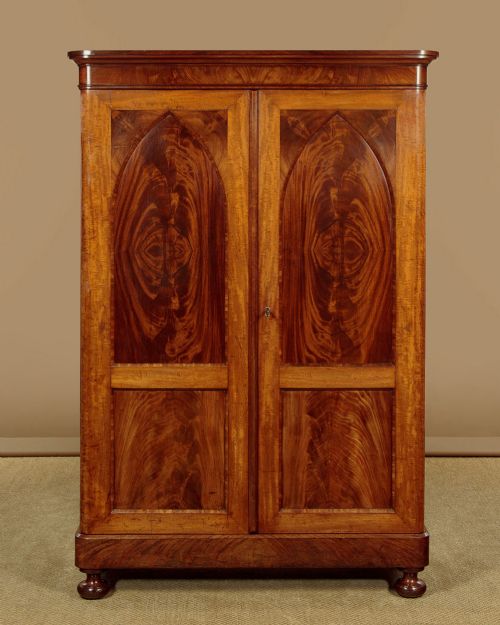
These pieces known as a 19th century press cabinet offer substantial storage capacity through architectural timber construction designed to house linens and garments.
19th Century Press Cabinet
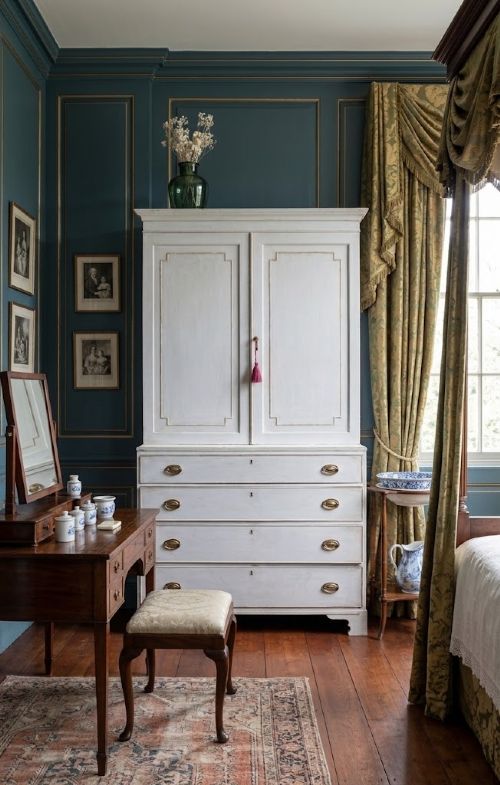
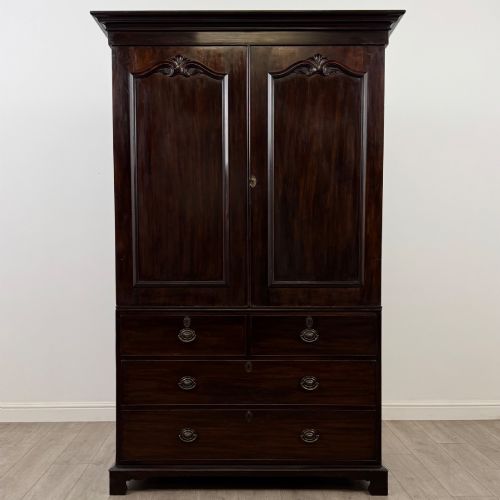
A 19th century press cabinet serves as a robust storage fixture, appearing frequently as linen presses, housekeeper's cupboards, wardrobes, and armoires across domestic interiors. These utility pieces combine upper hanging or shelving space with lower drawers, designed to accommodate household textiles and apparel.
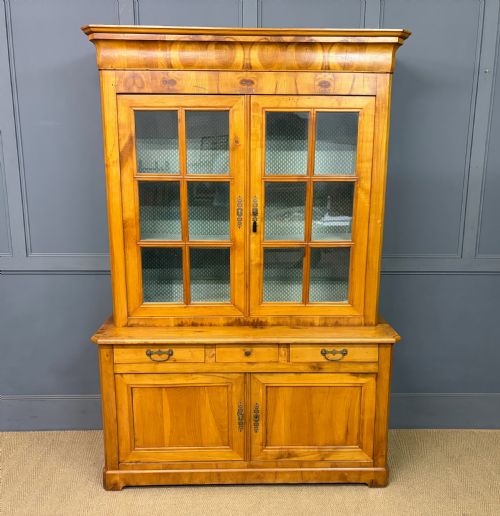
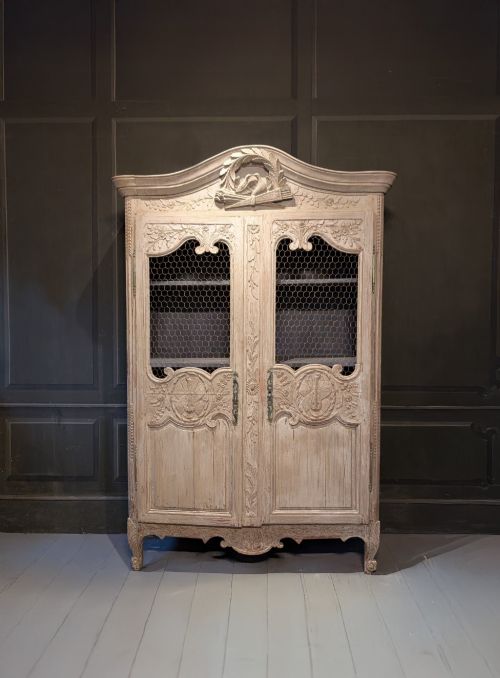
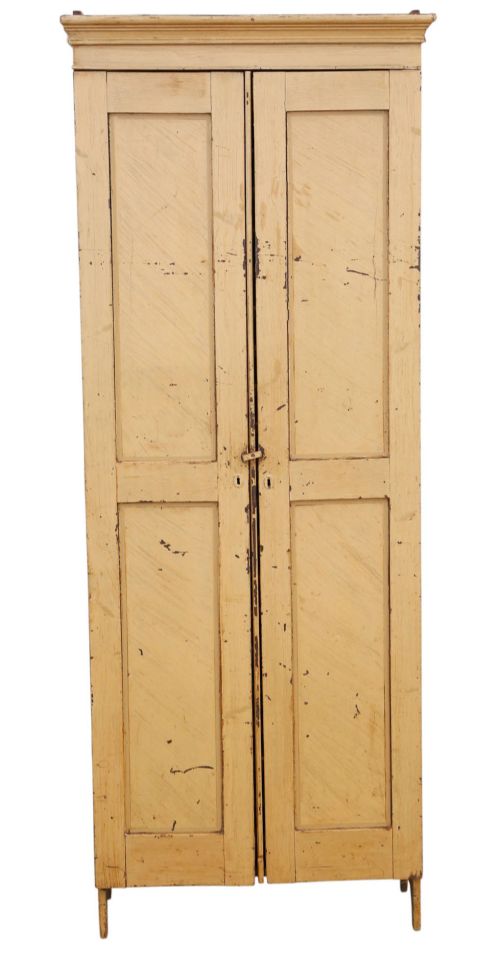
The selection here draws from diverse regional traditions, ranging from English mahogany and oak examples to French, Swedish, and Italian painted or polished pine and cherry variants. Buyers encounter both grand formal pieces featuring blind fretwork cornices and simpler country items finished in original paint or scumble.
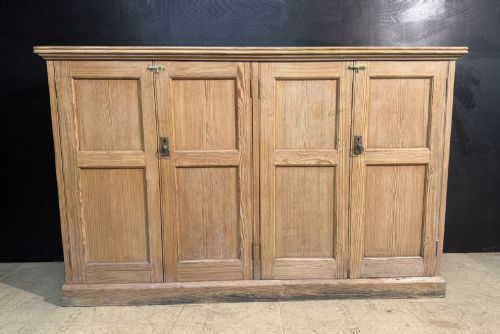
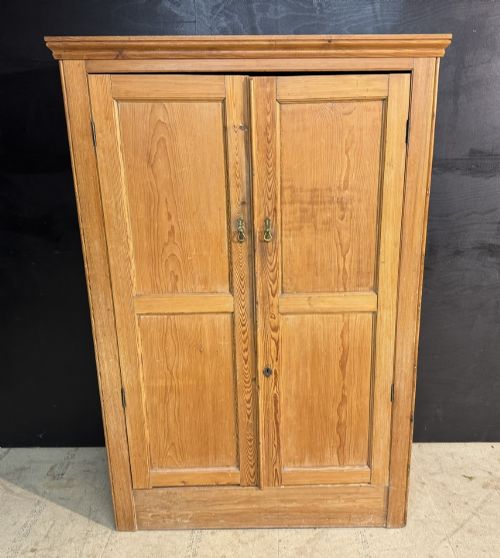
Forms span from two-part architectural cupboards to tall narrow wardrobes and compactum designs in burr walnut, ash, and pine. Each iteration reflects the specific domestic requirements of its period, shifting from Georgian formality through Victorian scale to Arts and Crafts simplicity.
Materials and construction methods
Cabinet makers utilised dense hardwoods such as mahogany, oak, walnut, and cherry for formal pieces, alongside pine for regional and painted country furniture. Surfaces often display decorative elements like rosewood crossbanding, flame mahogany veneers, or carved oak details.
Construction relies on traditional joinery techniques, incorporating panelled doors, dovetailed drawer boxes, and applied mouldings or cornices. Iron and brass hardware secure the heavy doors and drawers, while painted finishes utilise scumble or cream pigments on pine carcases.
19th Century Press Cabinet Retail Price Guide 2026
Typical asking prices for 19th century press cabinet among the pieces listed under this phrase on Sellingantiques today, from the lower quarter to the upper quarter. They describe what is for sale here now, not the wider market.
Listings feature regional variations from England, France, Sweden, and Italy, spanning pine, mahogany, oak, and walnut.
Factors determining quality
The distinction between tiers rests upon timber selection and the integrity of the cabinet work, evidenced by figured veneers like burr walnut and flame mahogany versus plain domestic pine. Superior examples display refined proportions, meticulous joinery in the drawer linings, and well-executed decorative carving or crossbanding.
Originality of surface finish heavily dictates standing, as pieces retaining their historic paint layers or patinated wax surfaces hold greater integrity than those stripped or heavily altered. The precision of architectural details, such as cornicing and panel alignment, separates standard utility furniture from master workshops.
Maple & Co.·Heals
The 19th Century Press Cabinet Glossary
- Linen press
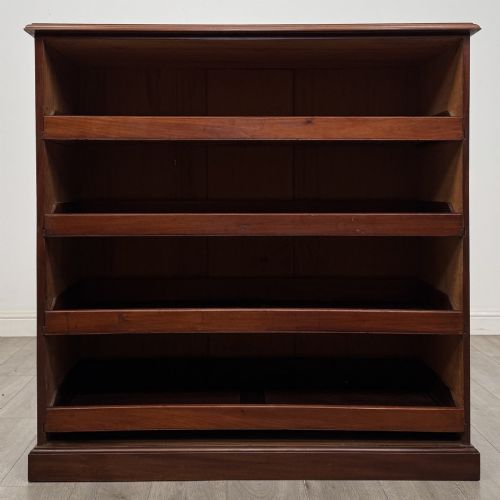
- A large storage cabinet specifically designed for storing household linens, typically featuring sliding trays or shelves behind upper doors and drawers below.
- Housekeeper's cupboard
- A large utility storage piece used in domestic service areas for provisions and linens, often constructed in solid pine or oak.
- Cornice
- The decorative horizontal moulding that crowns the upper edge of a cabinet or press, often featuring carved or fretwork details.
- Crossbanding
- A border technique where thin strips of veneer are laid across the grain of the primary wood to frame panels or drawer fronts.
- Scumble paint
- A decorative surface treatment involving translucent pigmented glazes manipulated over a base coat to simulate finer grain or texture.
19th Century Press Cabinet: Frequently Asked Questions
What is a 19th century press cabinet used for?
These large storage items were originally built to hold folded linens, household textiles, and clothing within domestic chambers and service rooms.
Today, they function as substantial wardrobes, larder cupboards, or display furniture in modern bedrooms and living spaces.
How do I distinguish a linen press from a wardrobe?
A traditional press typically contains sliding trays or shallow shelves within the upper section, situated above a bank of lower drawers.
Wardrobes focus primarily on vertical hanging space for garments behind full-length doors, occasionally supplemented by a single base drawer.
Are these cabinets made of solid wood?
Construction methods vary by region and period, with country pieces usually employing solid pine, oak, cherry, or ash throughout the carcase and doors.
Formal urban pieces frequently utilise secondary softwoods internally while applying decorative hardwood veneers like mahogany and walnut to the exterior faces.
How do I identify the period of a press cabinet?
Georgian and Regency examples tend to display formal architectural proportions, mahogany veneers, and classical cornicing, whereas Victorian iterations often introduce heavier scale or burr walnut.
Regional country pieces in painted pine or oak reflect local vernacular traditions spanning the entire nineteenth century.