

19th Century Pine Wardrobe
When you search for a 19th century pine wardrobe, you are looking for substantial storage pieces shaped by regional European and British traditions.
19th Century Pine Wardrobe
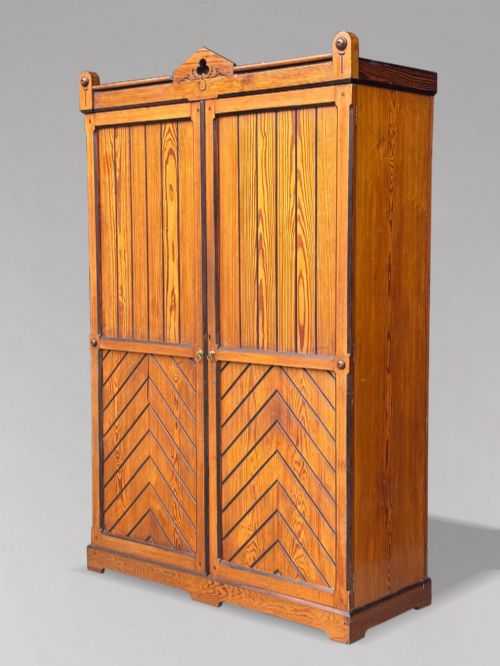
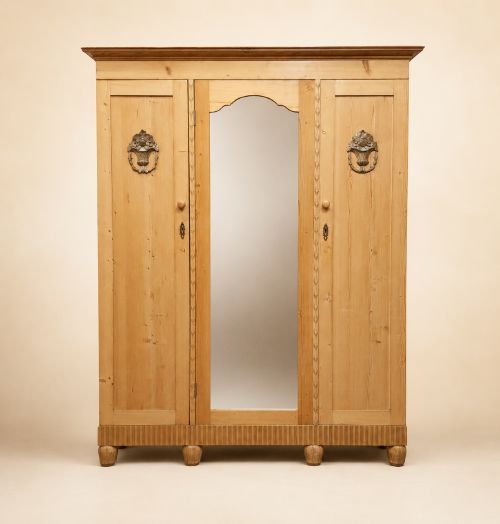
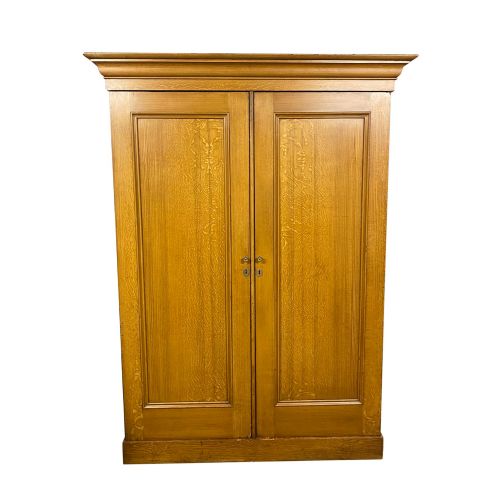
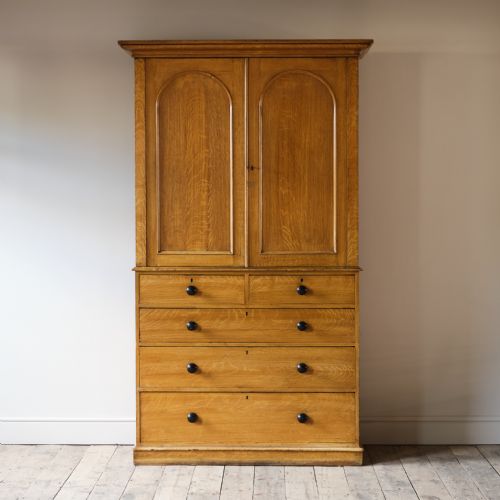
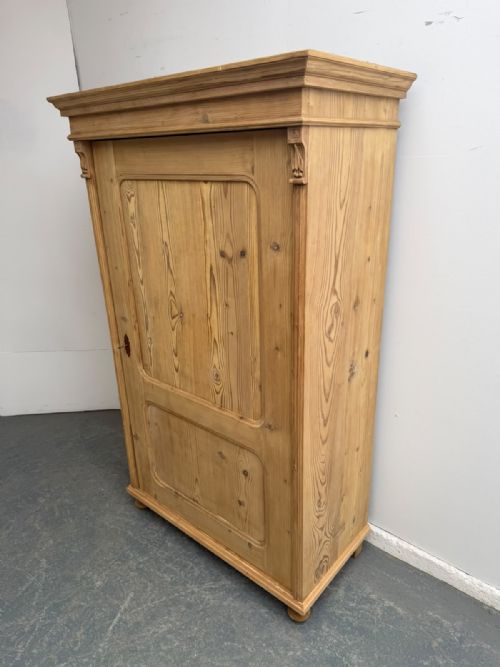
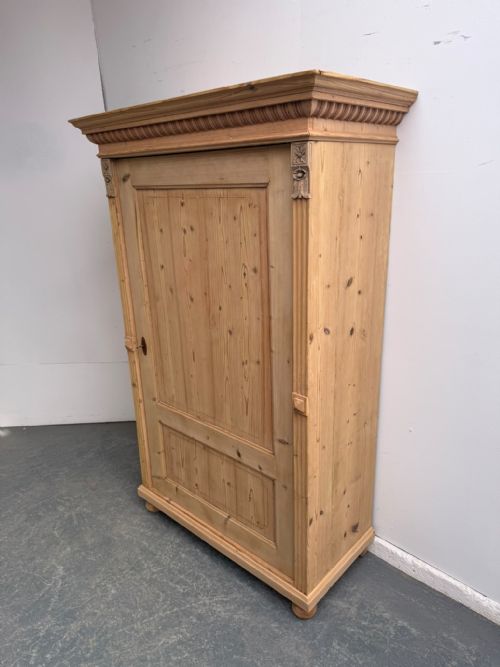
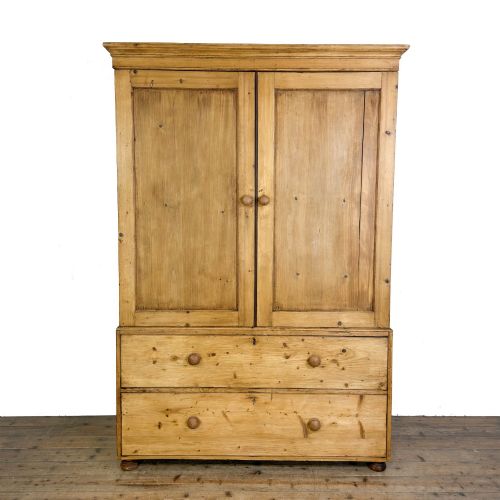
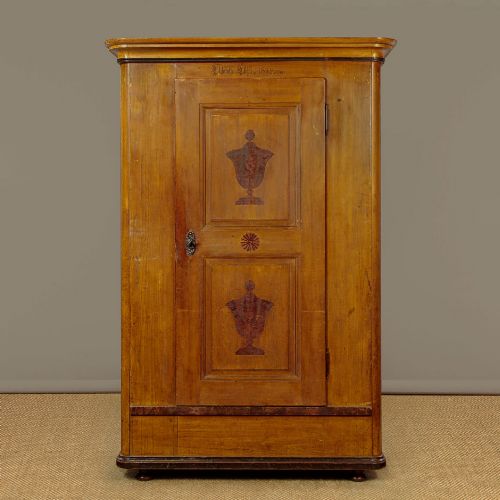
A 19th century pine wardrobe encompasses a wide variety of storage furniture, ranging from simple English double wardrobes to ornate painted continental armoires and marriage cupboards. These pieces reflect domestic needs of the nineteenth century, utilising softwoods for functional household utility rather than solely displaying exotic hardwoods.
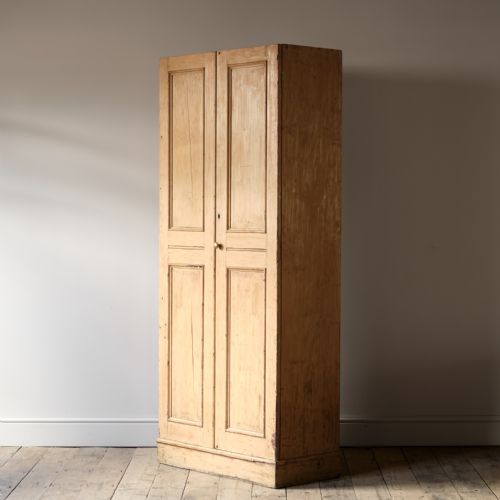
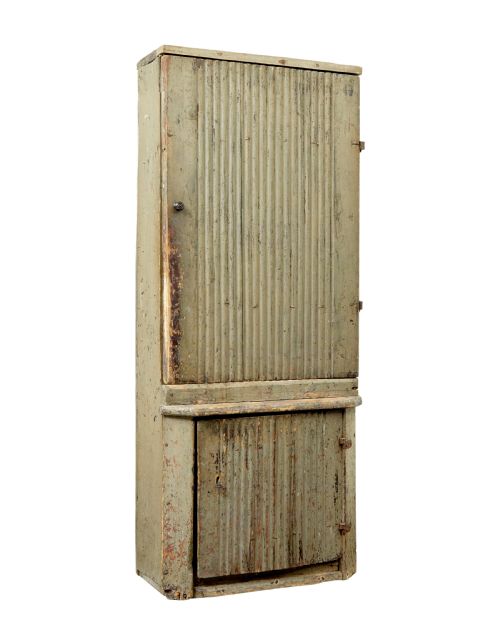
The selection frequently includes knockdown wardrobes designed to dismantle into manageable sections, alongside fitted linen presses, compactum units, and tall kitchen or larder cupboards. Regional variations appear distinctly, from French provincial armoires to Scandinavian folk art pieces and Scottish Arts and Crafts designs.
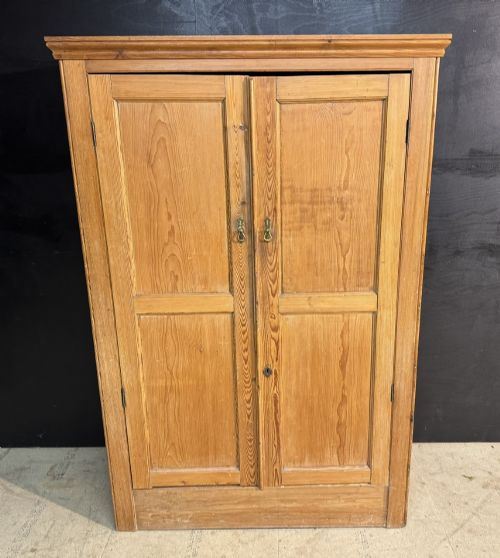
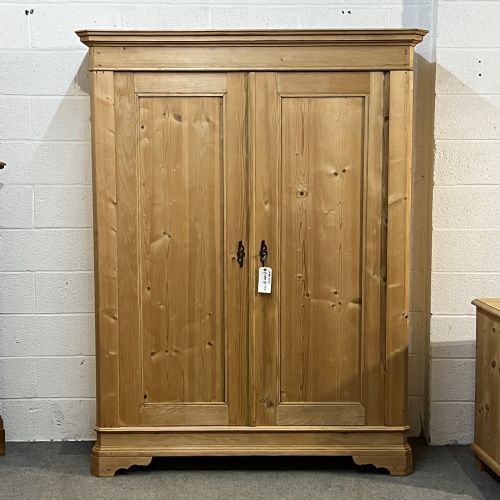
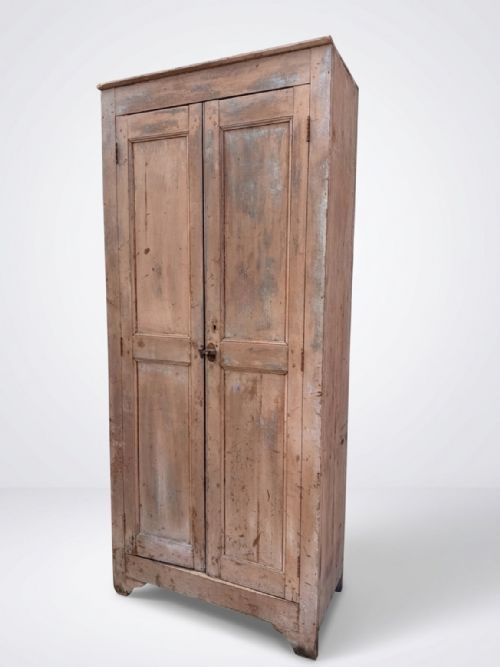
Makers utilised available local timber, constructing robust frames with pegged joints, panelled doors, and often internal shelving or hanging space suited to period clothing. Surviving examples carry either their original paintwork, scumble glazes, or surfaces stripped back to raw waxed pine.
How They Were Made
Makers constructed these wardrobes primarily using solid pine and pitch pine, supported by iron and brass hardware such as hinges, hooks, and locks. Construction techniques often involved knockdown framing systems, allowing large double and triple wardrobes to be dismantled easily for transport into domestic spaces.
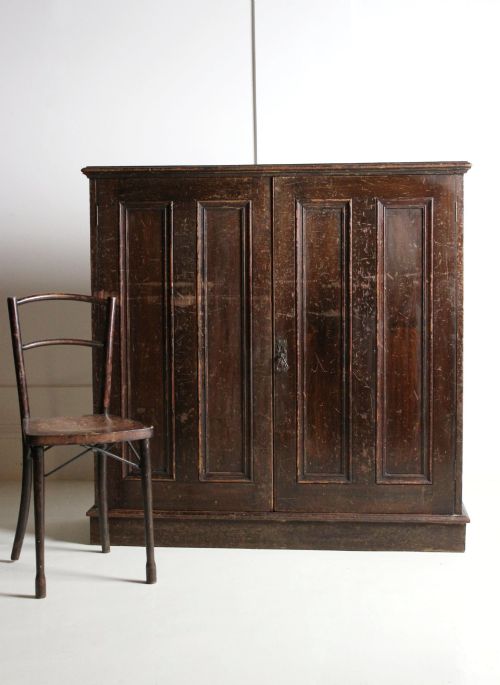
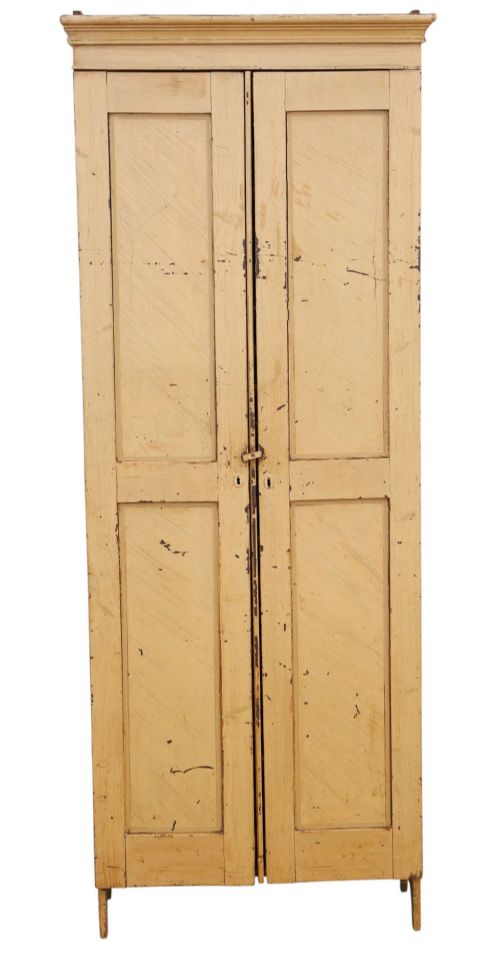
Surface finishes vary significantly between natural wax treatments and applied coatings of paint, ragwork, or scumble faux oak paintwork. Many continental examples feature hand-painted decorative motifs, folk art detailing, or carved panels executed by regional craftspeople.
Listings feature periods spanning the eighteenth, nineteenth, and early twentieth centuries, encompassing Georgian, Victorian, and Arts and Crafts styles.
What Varies in Quality
Proportion and scale also dictate distinction, separating simple utilitarian cupboards from architecturally ambitious triple wardrobes or intricately carved marriage armoires. The precision of the joinery, especially in large panelled doors and internal drawer construction, marks the difference between standard workshop output and superior craftsmanship.
The 19th Century Pine Wardrobe Glossary
- Knockdown
- Furniture designed to be assembled and disassembled without permanent fixings. This system allowed large wardrobes to travel through narrow stairwells and tight hallways in the nineteenth century.
- Scumble
- A translucent glaze applied over a base coat to simulate wood grain or texture. Makers used this technique on pine to mimic more expensive timbers like oak.
- Linen Press
- A tall storage piece featuring sliding trays or shelves in the upper section and drawer storage below. These items were traditionally used to store household textiles and folded garments.
- Armoire
- A large freestanding wardrobe or cupboard originating from continental Europe. They typically feature deep internal space enclosed by one or two grand doors.
- Ragwork
- A decorative surface painting technique where rags or cloths are used to apply or remove paint in patterns. This created textured, mottled finishes popular in Scandinavian folk pieces.
19th Century Pine Wardrobe: Frequently Asked Questions
How do I assemble a knockdown wardrobe?
Knockdown wardrobes utilise wedge pins, internal bolts, or interlocking tongue-and-groove panels that slot together without requiring modern metal screws. Keeping original wooden pegs and structural components aligned ensures the frame sits square.
Working with a partner simplifies the process significantly, as heavy pine sections need careful handling to protect historical joints during assembly.
What is the difference between an armoire and a wardrobe?
An armoire generally refers to continental European storage furniture with deep proportions and decorative carving or paintwork. A wardrobe traditionally describes British forms designed specifically for hanging garments.
Over time, the terms have become interchangeable in the antiques trade, though regional construction methods usually reveal the true geographic origin.
How should I care for painted pine surfaces?
Original paintwork and scumble finishes require gentle dusting with a dry microfiber cloth and protection from direct sunlight. Avoid modern chemical polishes or abrasive cleaners that can strip delicate historical layers.
Waxed pine surfaces benefit from occasional applications of natural beeswax to nourish the wood and maintain a soft lustre without building up heavy residue.
Did all nineteenth century wardrobes have hanging space?
Many early pieces functioned primarily as linen cupboards or compactum units featuring shelves and sliding trays rather than hanging rails. Full-length hanging space became more common towards the later decades of the nineteenth century as clothing styles evolved.
Interior configurations often changed over time to suit modern living, meaning some cabinets have been adapted with contemporary rails.