

19th Century Parlor Chairs
These 19th century parlor chairs bring period character and refined seating to a room, offering craftsmanship that modern seating seldom matches.
19th Century Parlor Chairs
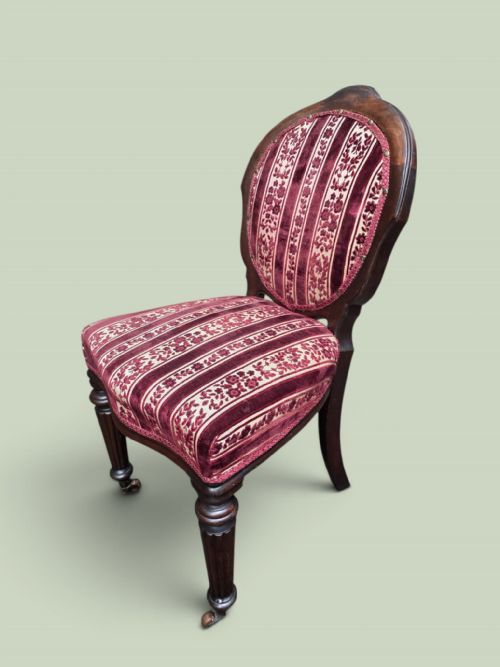
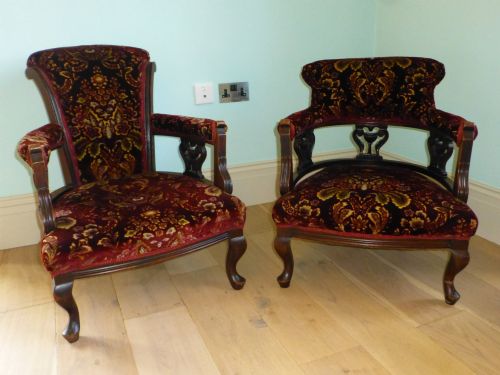
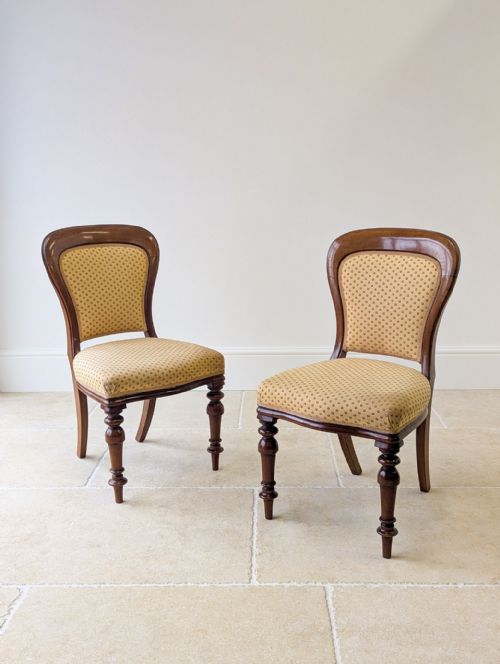
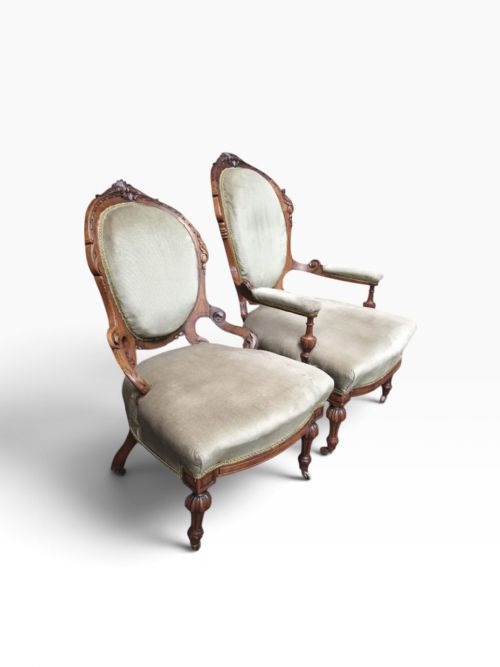
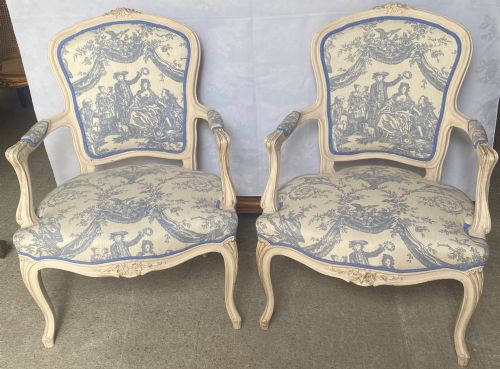
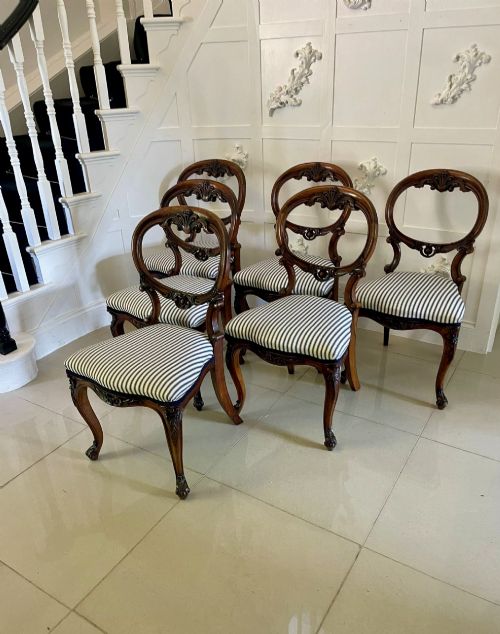
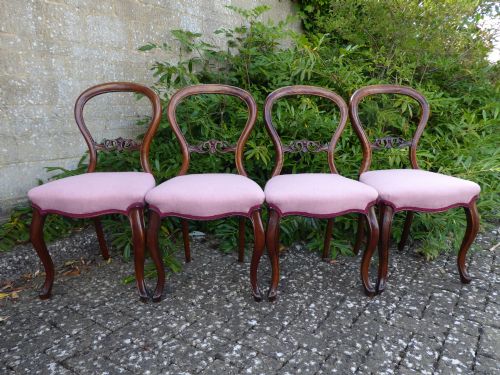
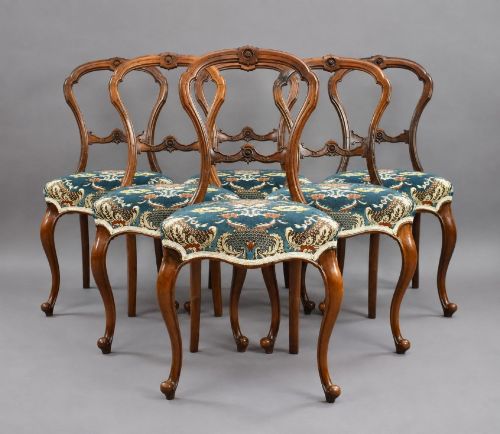
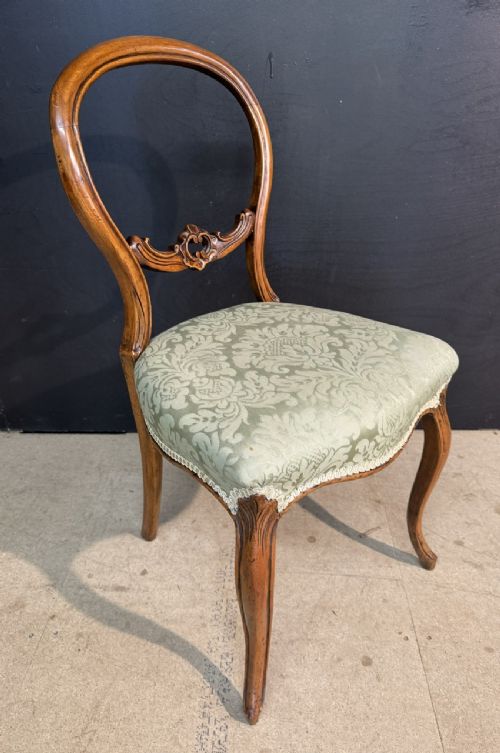
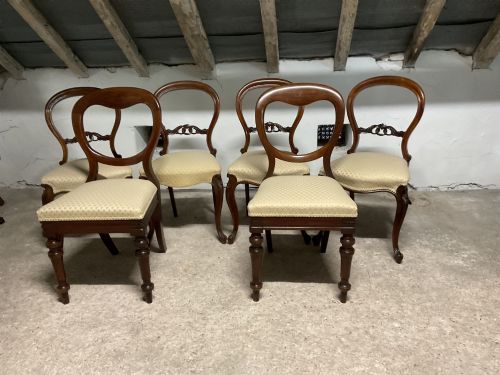
When searching for 19th century parlor chairs, buyers encounter a diverse selection of seating designed for formal entertaining and private rooms during the Victorian and Regency eras. The most common forms on this page include walnut and mahogany balloon back dining chairs, occasional chairs, and paired armchairs intended for drawing rooms.
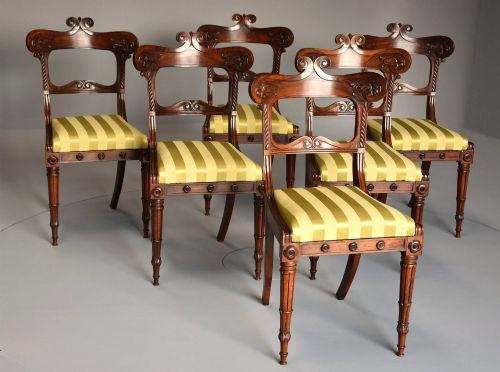
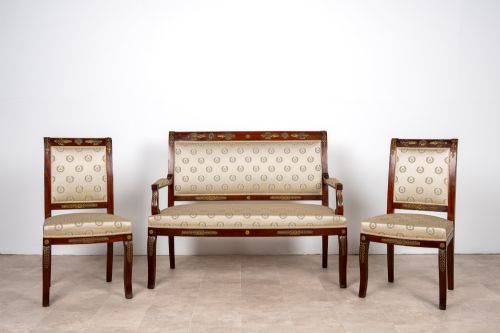
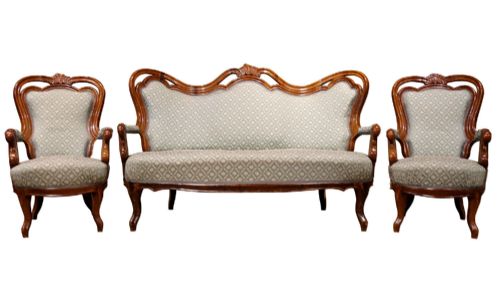
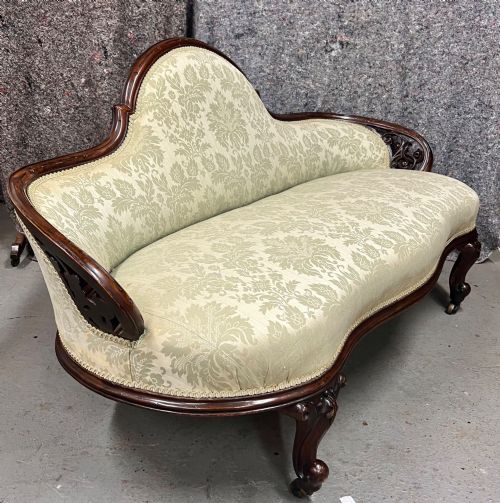
The selection extends to larger groupings such as salon suites and settees, alongside French and Continental inspired giltwood pieces. These seating arrangements reflect the evolving domestic social habits of the eighteen-hundreds, ranging from intimate pairs to matching sets of six.
Makers and designers of the period drew upon various revivals, producing pieces styled in the manner of Louis XV, Louis XVI, and Rococo traditions. Buyers will find individual side chairs and armchairs alongside complete multi-piece suites sharing unified carved details.
Materials and construction methods
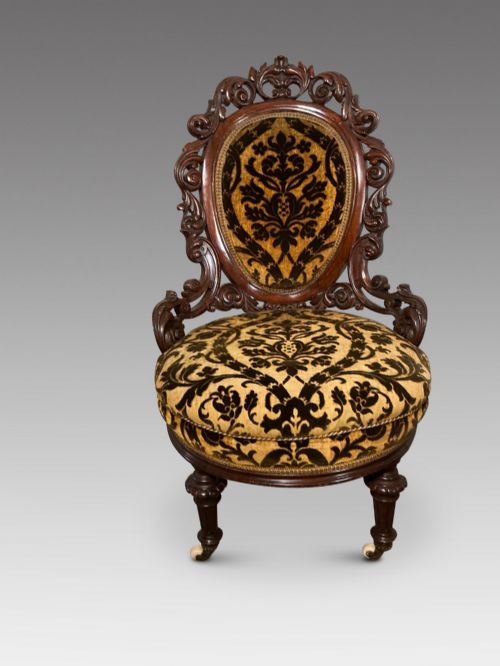
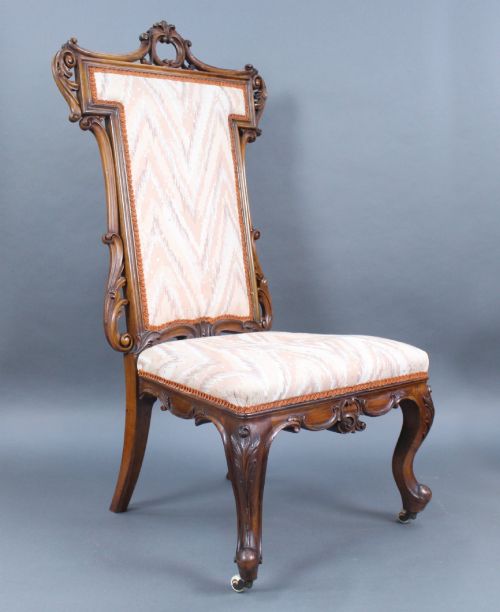
Cabinetmakers constructed these frames predominantly using dense hardwoods such as walnut, mahogany, and rosewood, which permitted intricate carved detailing along the crest rails and cabriole legs. Giltwood also appears on Continental and French-influenced armchairs, providing a brighter surface finish.
Upholstery formed an integral part of the manufacturing process, utilising traditional textiles, velvet, and various fabrics stretched over internal webbing and stuffing. Brass fittings and decorative brass accents occasionally complemented the polished wood frames.
19th Century Parlor Chairs Retail Price Guide 2026
Typical asking prices for 19th century parlor chairs among the pieces listed under this phrase on Sellingantiques today, from the lower quarter to the upper quarter. They describe what is for sale here now, not the wider market.
The documented periods span from the Regency era through the height of Victorian production and into late nineteenth-century styles.
Assessing quality and craftsmanship
Distinctions in quality often rest upon the depth and crispness of the hand-carved ornamentation found on the wooden frames and balloon backs. Pieces designated as exhibition or fine quality display superior joinery, heavier timber selections, and harmonious proportions across matched sets.
The integrity of the original wood grain and the condition of the carved walnut or rosewood establish the baseline of a piece's execution. Complete multi-piece salon suites and paired his and hers armchairs demonstrate greater design cohesion than disparate single chairs.
The 19th Century Parlor Chairs Glossary
- Balloon back
- A chair back shaped in a continuous curved oval resembling a balloon, characteristic of Victorian seating design. This form gained immense popularity across mid-century domestic interiors.
- Cabriole leg
- A furniture leg featuring a double curve, typically arching outward at the knee and tapering inward toward the foot. It draws inspiration from ancient animal forms and is common in revival styles.
- Salon suite
- A coordinated set of upholstered seating comprising a settee and matching armchairs or side chairs. These groupings were designed for formal reception rooms.
- Giltwood
- Wood that has been coated with a thin layer of gold leaf or gold paint to give a metallic finish. It frequently appears on ornate Continental and French revival armchairs.
- Open arm chair
- An armchair featuring un-upholstered wooden armrests supported by structural posts. These pieces often serve as occasional or drawing room seating.
19th Century Parlor Chairs: Frequently Asked Questions
How do I style antique parlor chairs today?
Antique parlor chairs integrate easily into modern interiors by serving as accent seating in living rooms, bedrooms, or studies. Their modest proportions make them suitable for smaller spaces without overwhelming the room.
Pairing a single carved walnut chair with contemporary furnishings highlights the contrast in materials and historic craftsmanship.
What is the difference between side chairs and armchairs?
Side chairs are constructed without armrests, making them compact and easily tucked around dining tables or positioned against walls. Armchairs include supportive rests for the arms, offering a more formal and commanding presence.
In period settings, matched pairs of armchairs often accompanied larger suites of side chairs for seating guests.
How do I identify Regency style chairs?
Regency style chairs typically display classical restraint, drawing inspiration from ancient Greek, Roman, and Egyptian forms. They often feature dark rosewood or mahogany timbers with understated carved or turned details.
Unlike the later Victorian revival pieces, Regency designs favour cleaner linear paths and simpler geometric curves.