



19th Century Ormolu Box
A 19th century ormolu box brings French and English craftsmanship into domestic spaces through gilded bronze mounts and fitted interiors designed to hold precious trinkets.
19th Century Ormolu Box
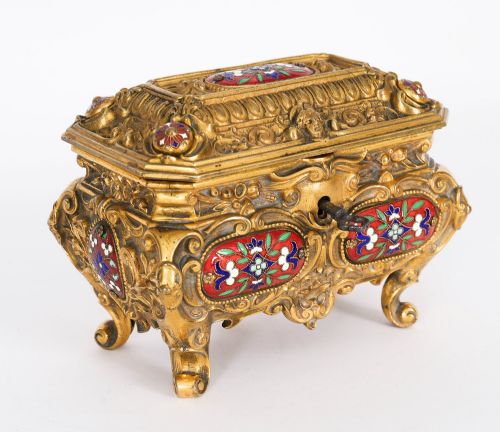
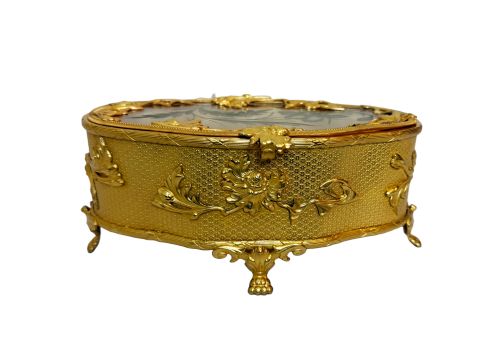
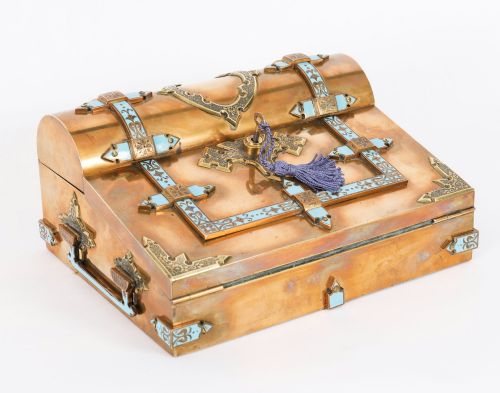
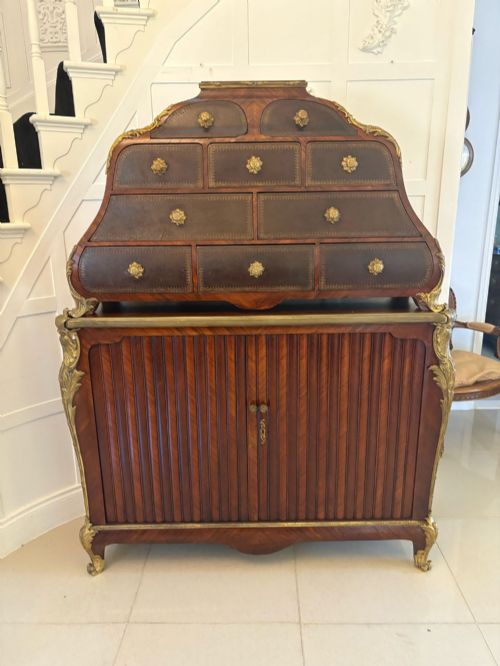
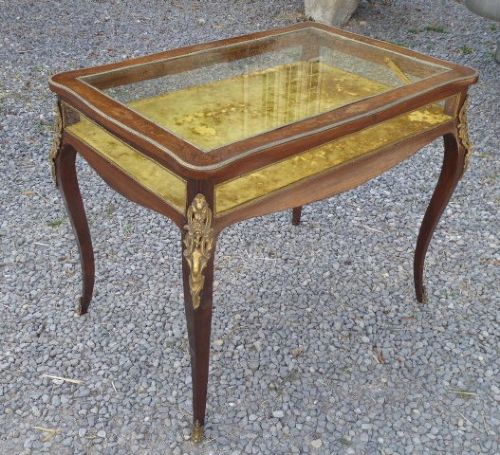
A 19th century ormolu box encompasses a variety of containers created during the eighteen-hundreds, ranging from small trinket caskets and jewellery boxes to larger vitrine display tables and writing slopes. These items emerge predominantly in French Napoleon III, Victorian, and revivalist styles, reflecting a period of intense decorative elaboration.
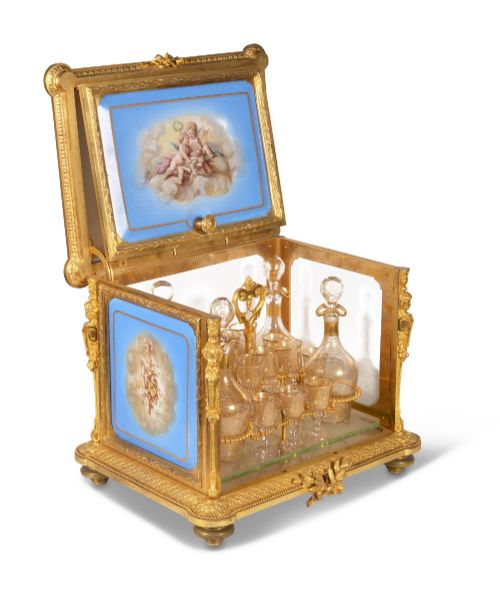
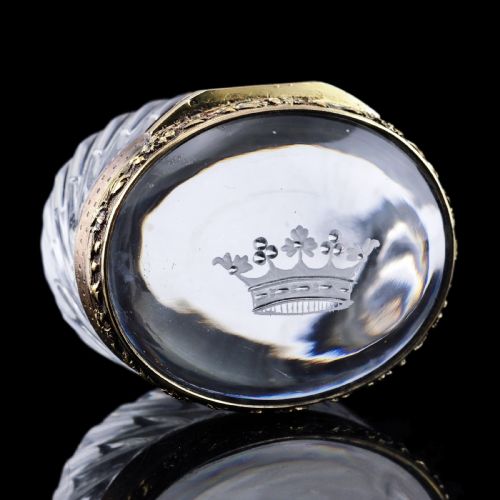
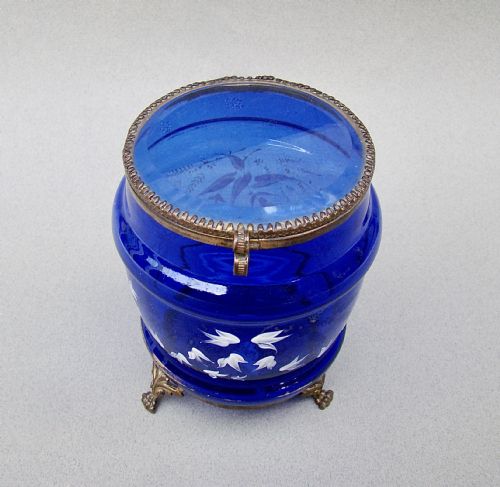
Buyers encountering this phrase most frequently meet lidded caskets and desk boxes combining cast bronze mounts with glass, porcelain, or exotic timber carcases. The forms serve both decorative and utilitarian purposes, sitting upon tables or serving as specialised containers for personal valuables.
Materials and Construction
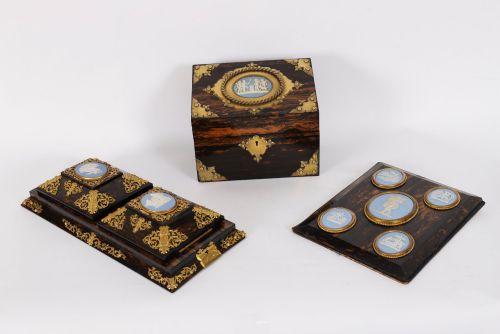
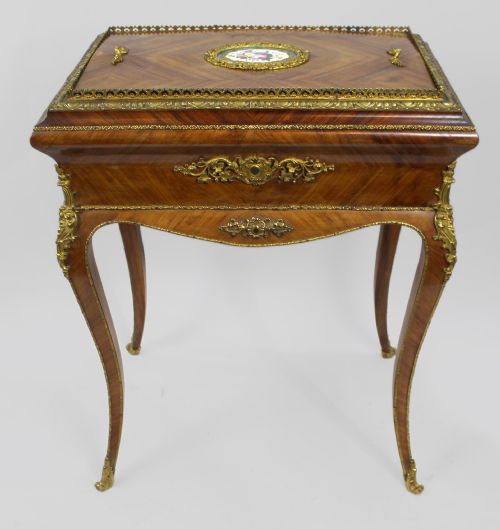
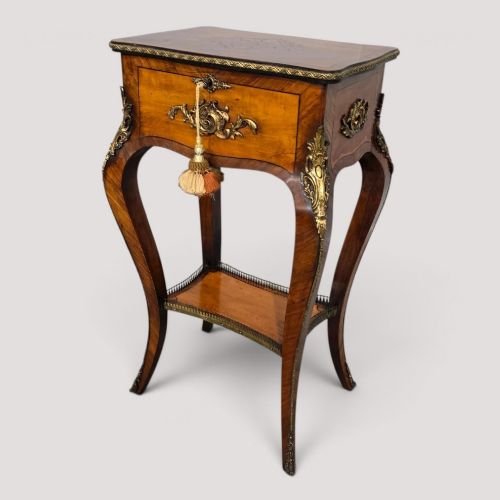
The manufacture of these pieces relies heavily on ormolu, which is gilded bronze, applied as structural mounts, feet, and hinges to various core materials. Cabinet makers utilise woods such as kingwood, mahogany, and coromandel, often enhanced with marquetry or inlays.
Interiors and decorative panels frequently incorporate Sevres porcelain plaques, Baccarat crystal, Bristol blue glass, and velvet linings. Metal components undergo mercury or electro-gilding processes to achieve the characteristic golden surface finish.
19th Century Ormolu Box Retail Price Guide 2026
Typical asking prices for 19th century ormolu box among the pieces listed under this phrase on Sellingantiques today, from the lower quarter to the upper quarter. They describe what is for sale here now, not the wider market.
Listings span the nineteenth century, capturing periods from early regency styles through Victorian production up to eighteen ninety.
Quality and Execution
The distinction between tiers of production lies in the crispness of the bronze casting and the depth of the subsequent chasing work done by hand on the metal mounts. Finer examples display sharp relief and secure integration between the bronze elements and the timber or glass bodies.
Material selection also dictates standing, with genuine porcelain plaques, hand-cut crystal bodies, and dense exotic veneers marking out superior pieces from simpler brass-mounted alternatives.
Edwards and Jones
The 19th Century Ormolu Box Glossary
- Ormolu
- Gilded bronze used extensively for decorative furniture mounts and hardware during the eighteenth and nineteenth centuries. The technique involves applying a gold amalgam to a bronze base before heating.
- Bijouterie table
- A glass-topped display table designed specifically for showcasing small valuable items and jewellery. These pieces feature hinged or lift-off glazed lids.
- Cartonnier
- A standing cabinet or desk accessory fitted with multiple compartments for holding papers, documents, or letters. They frequently incorporate rich veneer and elaborate metal mounts.
- Sevres
- French porcelain produced by the royal porcelain factory, known for painted panels and rich colour grounds. These plaques are often inserted directly into the lids or sides of boxes.
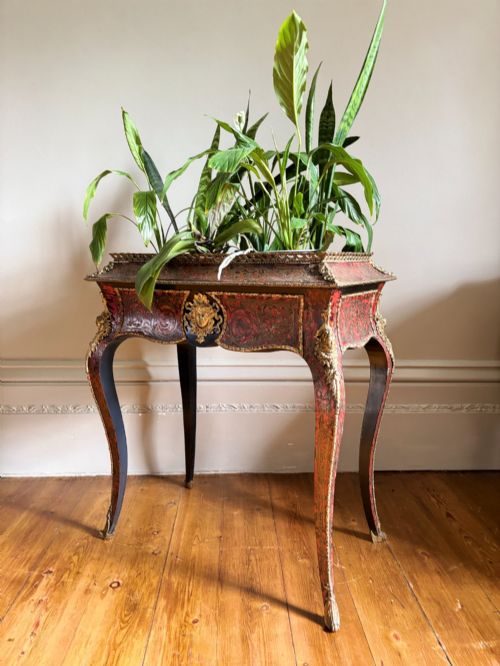
- Jardinerie
- A decorative container or stand intended to hold plants or flowers, often lined with metal. In nineteenth-century interiors, matching sets coordinated with table boxes.
19th Century Ormolu Box: Frequently Asked Questions
What were 19th century ormolu boxes used for?
These containers served domestic functions in nineteenth-century drawing rooms and boudoirs, holding personal jewellery, letters, perfumes, and sewing implements. They functioned as both functional storage and decorative display objects.
Wealthy households placed them on desks, side tables, and vitrines to demonstrate taste and refinement through costly materials like ormolu and porcelain.
How do you clean ormolu mounts?
Maintenance requires dry dusting with a soft brush to prevent the accumulation of dirt in the recesses of the cast bronze. Moisture and chemical cleaners should be avoided because they damage the historic gilding.
Preserving the original surface finish is essential, as aggressive polishing strips away the gold layer applied during the nineteenth century.
Are these boxes French or English?
The majority of pieces carrying ormolu mounts originate from French workshops, particularly reflecting Paris revival styles associated with Napoleon III and Louis XV aesthetics. English makers also produced similar items, frequently employing imported French mounts on domestic timbers.
Stylistic cues, wood choices, and ceramic markings usually clarify the geographic origin of an individual piece.
What is the difference between ormolu and brass?
Ormolu consists of cast bronze that has undergone a gilding process to impart a rich gold colour and lustrous surface sheen. Brass is an alloy of copper and zinc that maintains a yellower, metallic composition throughout its mass without surface gold application.
Nineteenth-century makers reserved ormolu for finer display items, while utilising brass for functional hardware or less costly utilitarian boxes.