



19th Century Opaline
These 19th century opaline glass pieces bring luminous pastel tones and refined nineteenth-century craftsmanship to domestic interiors.
19th Century Opaline
When you search for 19th century opaline, you find a range of translucent glass objects including vases, scent bottles, and table lamps. These pieces originate predominantly from French and English workshops spanning the Victorian era and mid to late nineteenth century.
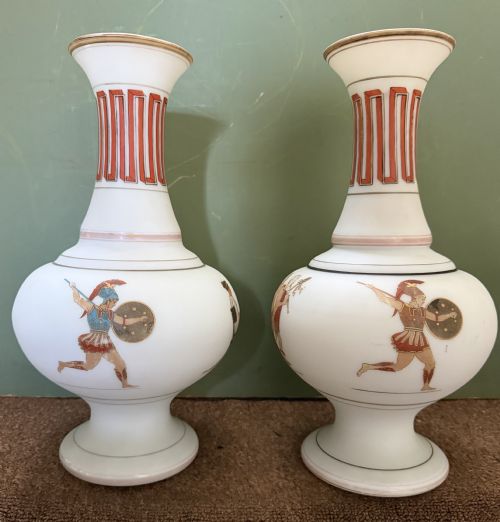
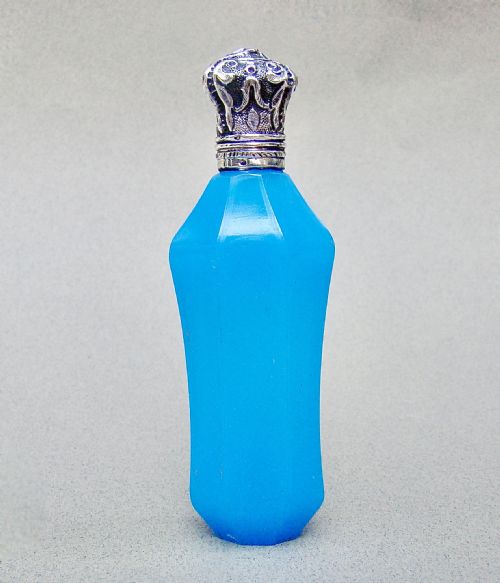
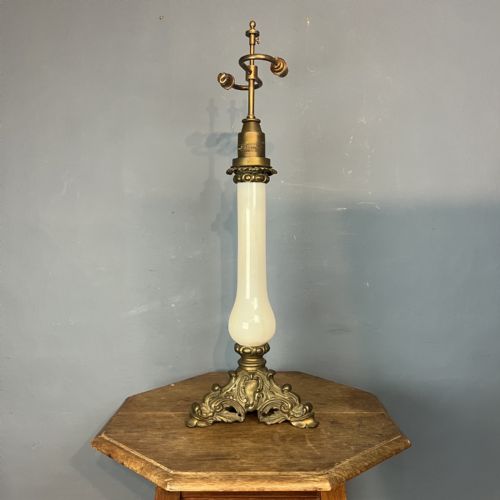
The most common forms on this page include decorative table lamps, scent bottles mounted in silver or ormolu, and matched pairs of vases. You will also encounter specialised items such as table lustres, shell dishes, and tankards.
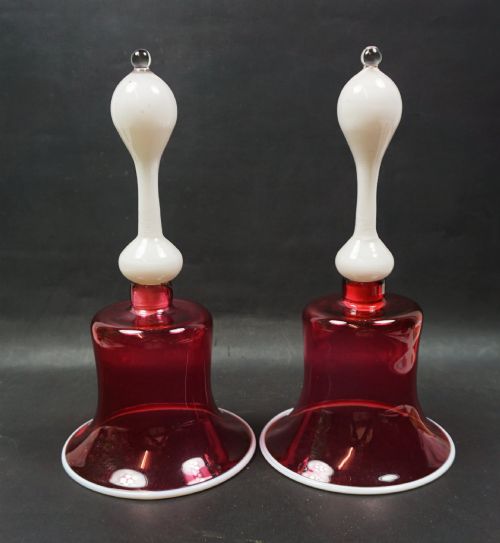
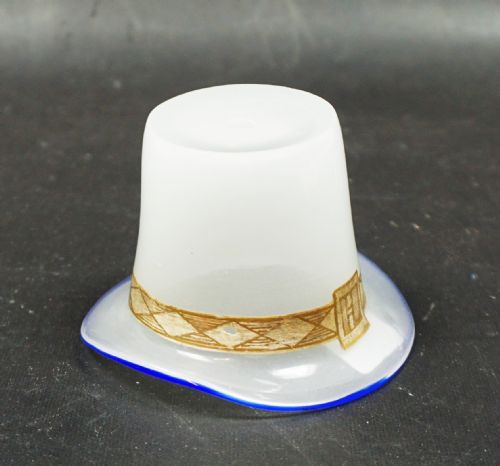
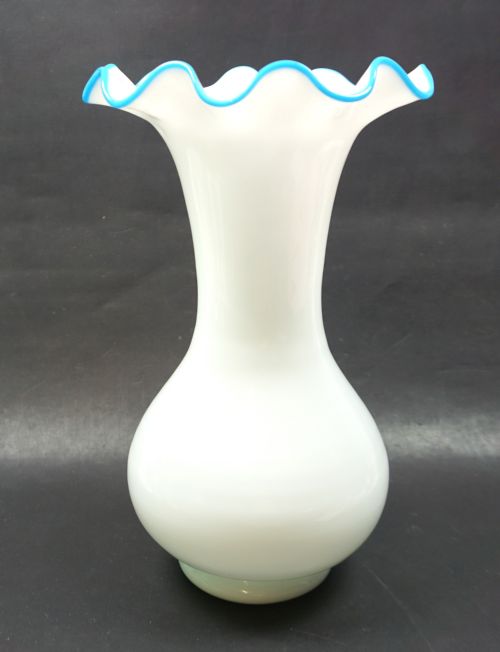
Colours extend from classic milky white through soft blues, turquoise, and greens to vibrant cranberry hues. Many incorporate hand-painted floral motifs, gilt bands, or contrasting glass rims to enhance their decorative appeal.
Materials and production techniques
These items are constructed from opaline glass, an opaque or semi-translucent material often shaped by blowing into moulds or free-blowing. Makers achieved the characteristic milky appearance by adding bone ash, tin oxide, or other opacifying agents to the molten batch.
Metal mounts in brass, bronze, silver, and gilt ormolu provide structural support and functional hardware, particularly on lamps and scent bottles. Gold leaf and hand-painted enamel details are applied to the glass surface, sometimes fired to bond with the material.
19th Century Opaline Retail Price Guide 2026
Typical asking prices for 19th century opaline among the pieces listed under this phrase on Sellingantiques today, from the lower quarter to the upper quarter. They describe what is for sale here now, not the wider market.
Listings feature opaline glass combined with brass, silver, gold leaf, and bronze across the Victorian period.
Factors determining quality
Quality in these glass items rests upon the purity of the opaline body, the precision of the glassblowing, and the refinement of any hand-painted decoration. Superior examples display smooth, even opacity without bubbles or clouding flaws, combined with crisp enamelwork and clean gilding.
The integration of metal mounts also dictates standard, where heavy cast bronze, solid silver, or finely chased ormolu elevate the piece. Maker attribution, such as signed work from Baccarat or patented lamp mechanisms, marks out the finest specimens.
Baccarat·Jean Francois Robert·Joseph Hinks·James Dixon·Wild and Wessel
The 19th Century Opaline Glossary
- Opaline glass
- A semi-translucent or opaque glass developed in the nineteenth century, prized for its milky appearance and pastel colour palette.
- Table lustre
- A decorative glass vase hung with cut glass prisms or spear drops around the rim, designed to catch candlelight.
- Ormolu
- Gilded bronze used for decorative mounts, handles, and lamp bases on nineteenth-century luxury goods.
- Nailsea
- A style of glasswork characterised by looped or combed coloured glass trails embedded in a contrasting background.
- Baccarat
- A renowned French glassworks famous for producing high-quality opaline vases and decorative objects.
19th Century Opaline: Frequently Asked Questions
What is 19th century opaline glass?
Opaline glass is a semi-opaque material that ranges from milky white to soft pastel shades, popular in nineteenth-century decorative items.
Craftsmen shaped this glass into vases, lamps, and scent bottles, often embellishing them with paint or gilt.
How were opaline lamps used?
Opaline lamps served to illuminate Victorian rooms, combining decorative glass bodies with functional brass or bronze burners.
They sat upon tables and desks, providing both ambient light and a colourful decorative accent.
How do I identify French opaline?
French pieces often exhibit refined ormolu mounts, delicate hand-painted floral enamel, and association with makers such as Baccarat.
Many examples date from the Second Empire and Napoleon III periods, showcasing elaborate neoclassical or aesthetic movement styling.
How do I care for antique glass?
Clean opaline glass gently with lukewarm water and a soft cloth, avoiding harsh detergents that might damage painted or gilded surfaces.
Protect metal mounts from moisture to preserve the silver, brass, or ormolu finish.