

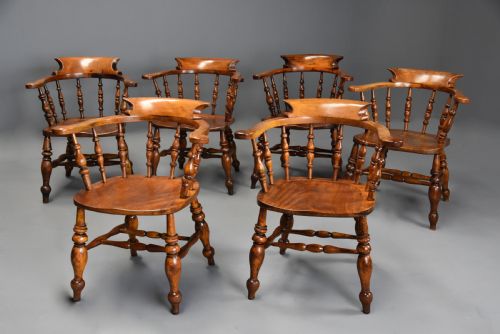

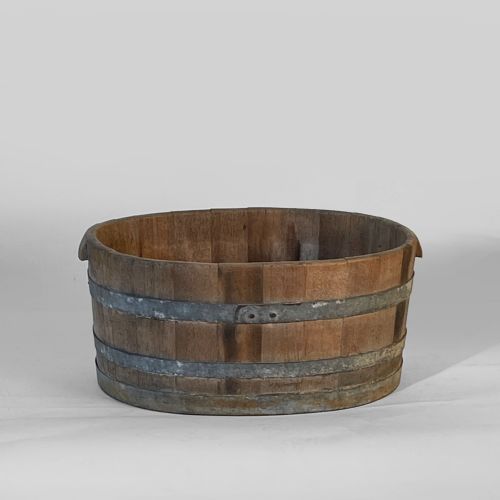


19th Century Oak Tub
These 19th century oak tub pieces offer solid joinery and honest country character, making them essential for a traditional interior.
19th Century Oak Tub
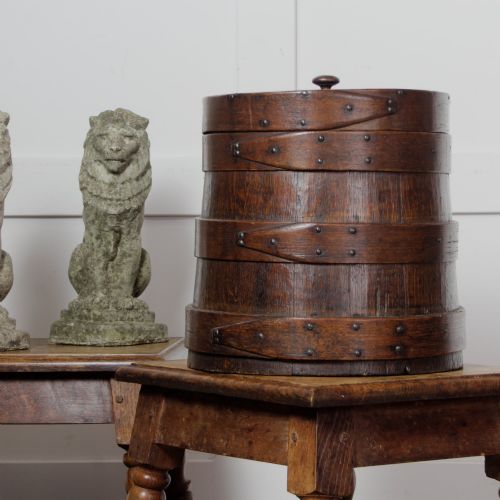
A 19th century oak tub encompasses sturdy seating and practical coopered vessels designed for daily domestic use. Buyers encountering this selection will find low-backed chairs alongside washing tubs, butter barrels, and storage vessels.
Seating options range from library and desk chairs to smokers bow armchairs with curved backs. Coopered vessels include oyster buckets and well buckets shaped by traditional stave construction.
Originating largely from Victorian and rustic country contexts, these items span periods from the Georgian era through to the late nineteenth century. They bridge the gap between functional utility and decorative country furniture.
What varies in quality
The distinction between tiers rests upon the choice of timber and the crispness of the original turning or cooperage. Fine golden oak and well-matched staves denote a superior object intended for a library or formal interior rather than the dairy.
Construction detail dictates longevity, visible in the tightness of stave joints and the proportion of bentwood arms. Original brass or iron banding increases desirability compared to later replacements.
Patina and surface preservation separate honest examples from over-restored pieces. A rich, warm tone on the oak and intact leather upholstery elevate the standing of a chair or tub.
19th Century Oak Tub Retail Price Guide 2026
Typical asking prices for 19th century oak tub among the pieces listed under this phrase on Sellingantiques today, from the lower quarter to the upper quarter. They describe what is for sale here now, not the wider market.
One unusual treen container listed here likely served the niche historic purpose of collecting wine dregs.
The 19th Century Oak Tub Glossary
- Coopered
- Constructed from curved wooden staves bound together with metal or wooden hoops, similar to barrel-making. This technique ensures watertight vessels like buckets and washing tubs.
- Smokers bow
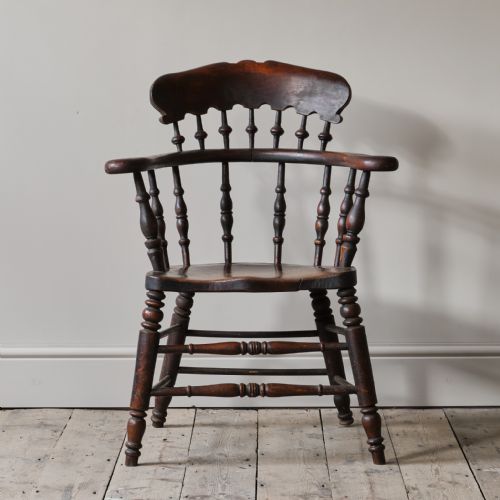
- A sturdy vernacular wooden armchair with a continuous curved back rail supported by turned spindles. These chairs are closely related to Windsor forms and often feature round wooden seats.
- Tub chair
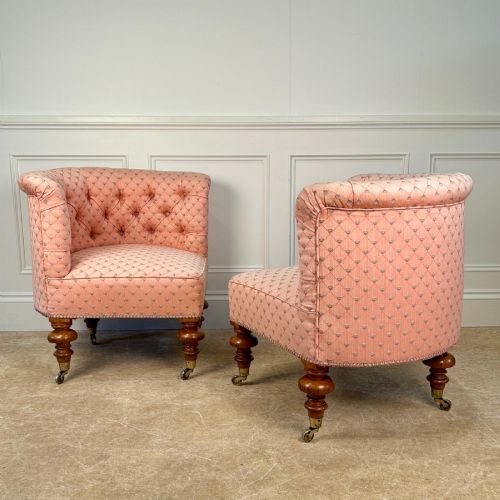
- An armchair featuring a rounded, enclosed back that flows continuously into low arms. The shape resembles half a tub, offering a deep and supportive seat.
- Stave
- One of the narrow shaped strips of wood that form the sides of a coopered vessel such as a bucket or tub. The edges are bevelled to fit tightly together against adjacent staves.
19th Century Oak Tub: Frequently Asked Questions
What is a smokers bow chair?
A smokers bow is a type of nineteenth-century Windsor armchair characterised by a low, curved back rail and a solid wooden seat. They were common in homes and public houses for comfortable fireside seating.
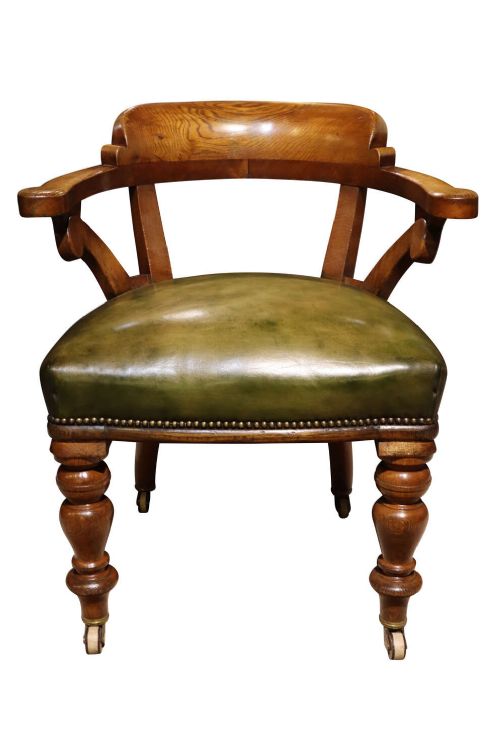
Over time, these chairs evolved into larger library and desk forms with upholstered leather seats. Their sturdy construction made them enduring items for daily use.
How do coopered tubs differ from chairs?
Coopered tubs are built using vertical staves held together by metal or wooden bands, mirroring the construction of barrels. They served functional roles in households for washing, storage, or holding butter.
Chairs, by contrast, rely on mortise and tenon joinery, turnery, and steam-bending. While both utilise oak, their manufacturing techniques belong to different traditional trades.
Were these chairs used at desks?
Many nineteenth-century tub and captain's chairs served as office and library seating. Their enclosed curved backs offered support during long hours of writing or reading.
Examples often feature leather upholstery on the seat or back for added comfort. Their compact footprint made them practical for placing beneath writing tables.
How do I care for oak tub furniture?
Maintain the wood by applying a quality beeswax periodically to nourish the grain and preserve the patina. Avoid placing these pieces near direct heat sources or strong sunlight to prevent timber splitting.
Leather seats benefit from occasional gentle conditioning to keep the material supple. Regular dusting with a dry cloth keeps the surface clean without damaging the finish.
What woods besides oak are used?
While oak forms the primary material for most of these pieces, makers frequently incorporated elm, beech, and assorted hardwoods. Elm often appears in chair seats for its resistance to splitting under stress.
Secondary woods were chosen for their specific working properties in turning or bending. Brass and iron also appear as structural banding on coopered vessels.