
19th Century Mahogany Bookshelf
A 19th century mahogany bookshelf brings warmth and functional display to a room, offering sturdy timber and time-tested utility for any collection of volumes.
19th Century Mahogany Bookshelf
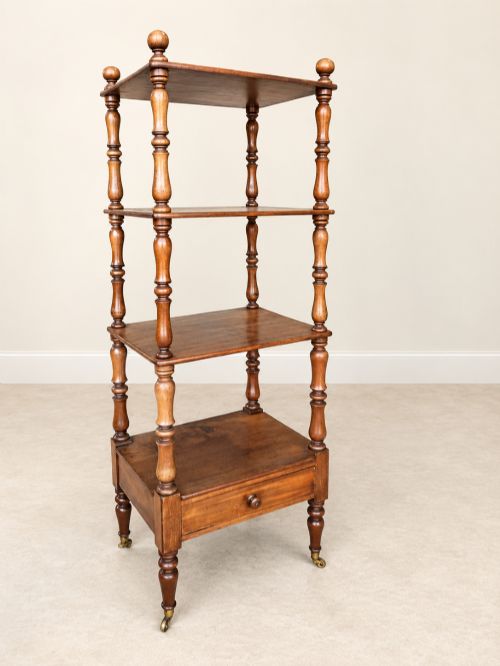
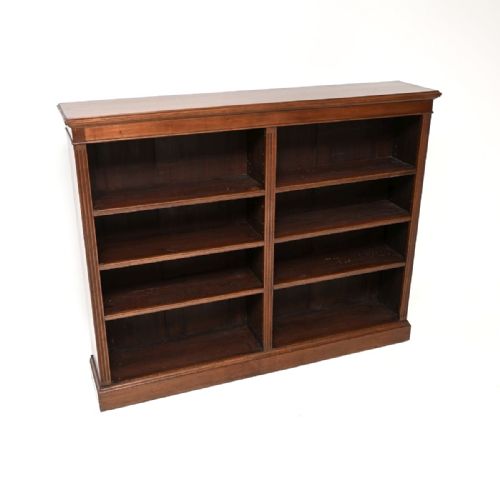
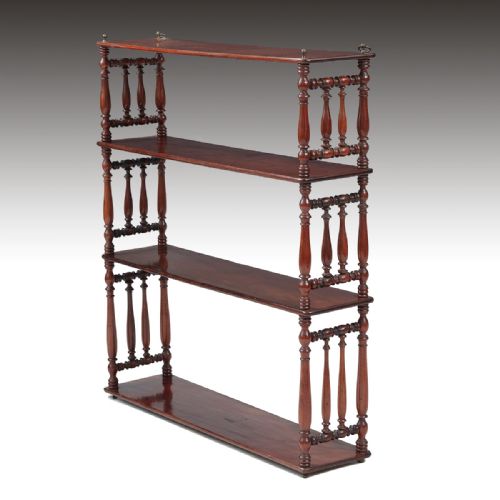
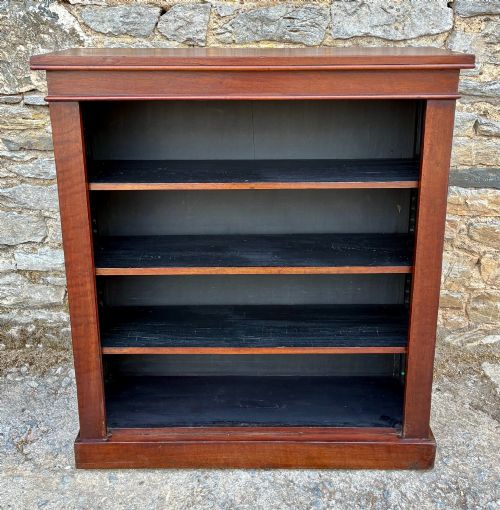
The pieces on this page are most commonly Victorian or Regency in origin, though examples stretch from the Georgian era through the late 19th century. Open front formats and tiered wall shelves dominate the inventory, designed to grant immediate access to books while displaying bindings attractively.
Materials and Construction
Makers utilised solid and veneered mahogany as the primary timber, valued for its rich grain and structural stability. Secondary woods such as pine and softwood appear in backing boards and internal framing.
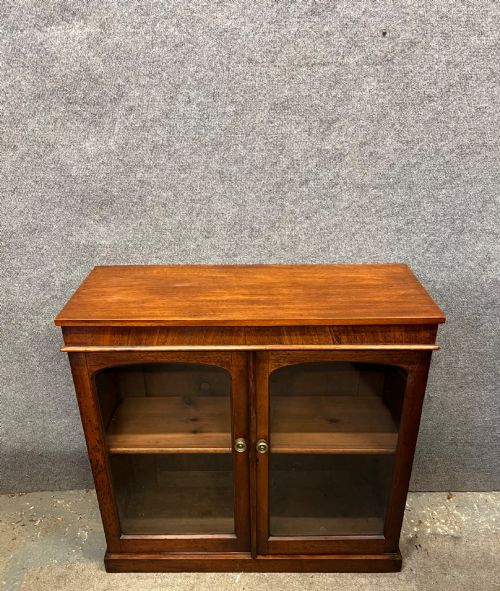
Metal and glass components provide functional contrast and protection. Brass mounts, cast iron mechanisms in revolving designs, and glass door panels complete the construction of finer cabinetry.
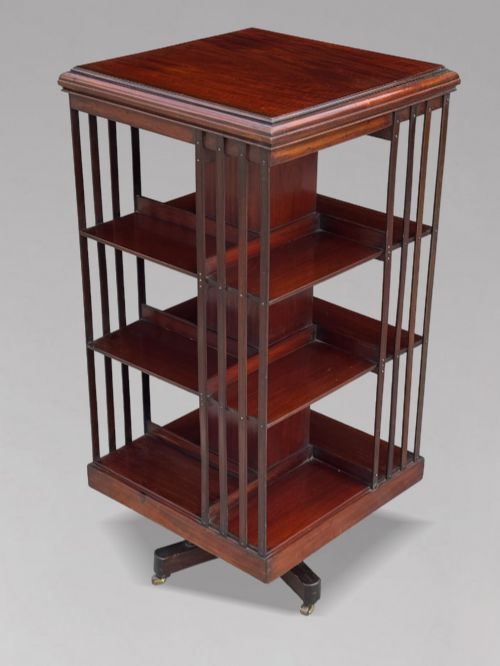
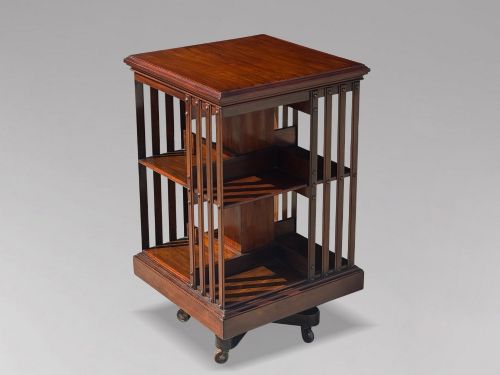
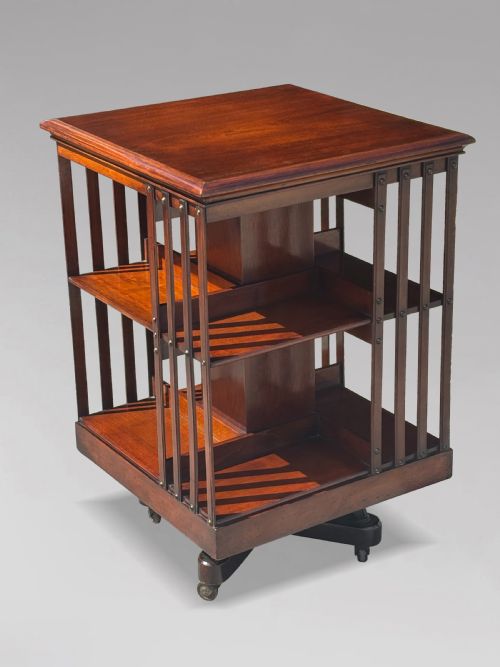
Turn-of-the-century readers enjoyed spinning their volumes on revolving library bookshelves.
Distinctions in Standard
The grade of mahogany timber and the crispness of architectural details set superior items apart from utilitarian work. Finer examples display carefully selected grain patterns, harmonious proportions, and balanced proportions across tall or small formats.
Secondary elements such as original brass fittings, ormolu mounts, or integrated adjustable shelving systems indicate higher workshop standards. Simpler pieces rely on straightforward joinery without decorative enrichment.
The 19th Century Mahogany Bookshelf Glossary
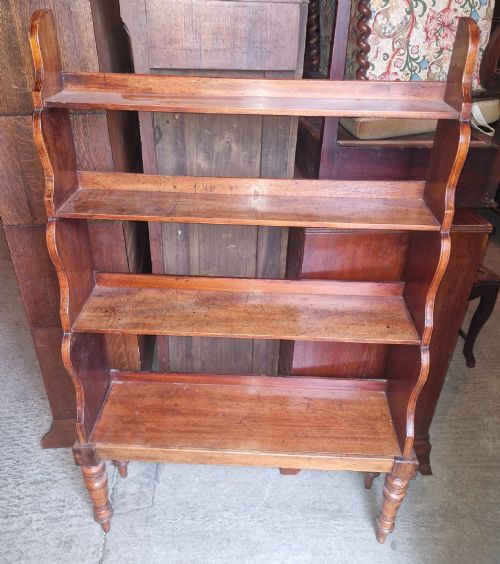
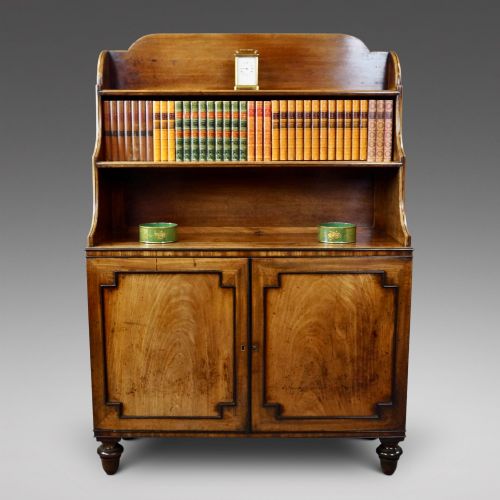
- Waterfall bookcase
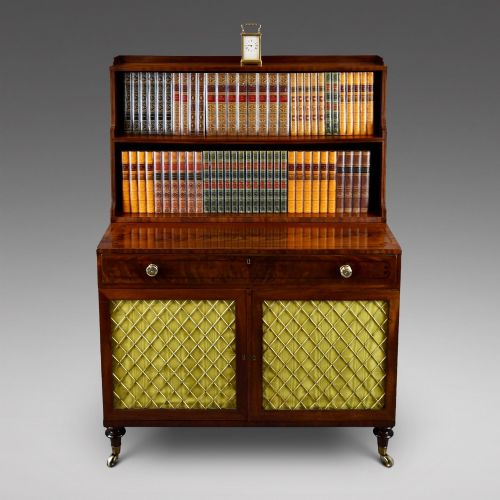
- A tiered shelving unit where each successive shelf steps back from the one below, often featuring curved side supports. This form gained popularity during the Regency period.
- Revolving bookcase
- A compact shelving unit mounted on a rotating base, allowing easy access to books from a stationary seating position. These often date to the later Victorian decades.
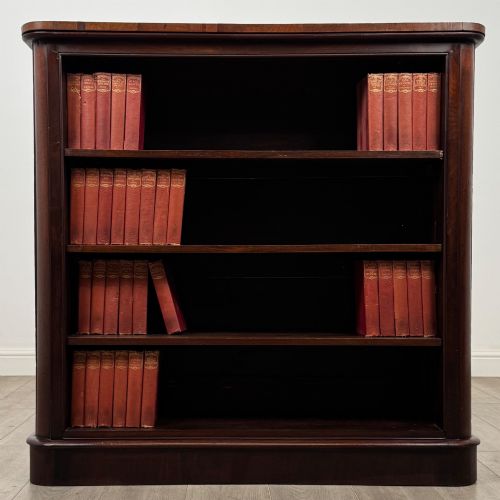
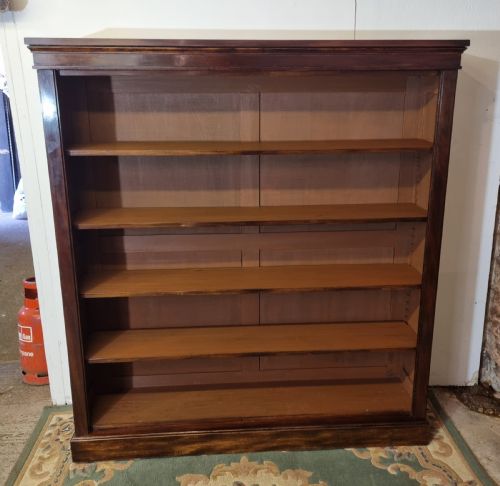
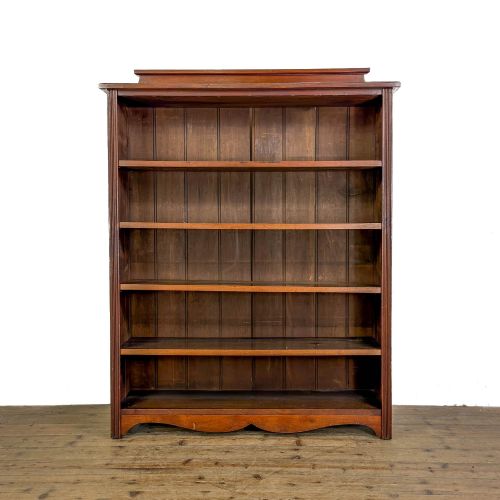
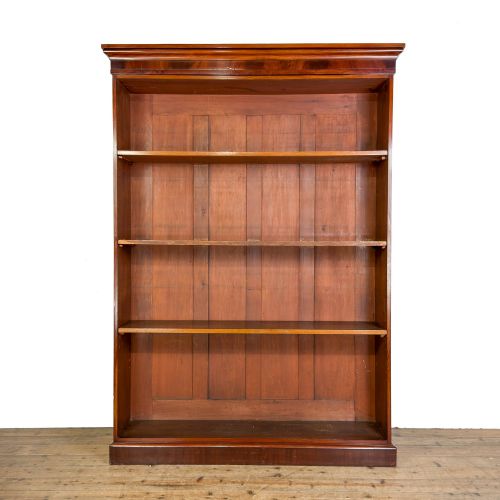
- Open bookcase
- A piece of furniture designed for book storage without front doors, exposing the volumes directly to the room. Many Victorian library examples incorporate adjustable shelves.
- Wellington base
- A sturdy lower cabinet foundation adapted from pedestal desk designs, sometimes incorporated into library shelving units. It provides enclosed storage beneath open display tiers.
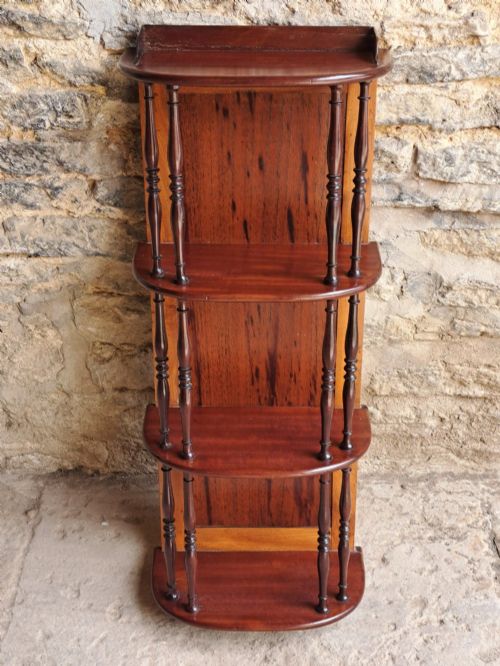
- Hanging shelves
- Wall-mounted tiers of timber shelving designed to hold books or decorative objects off the floor. They frequently feature shaped brackets and fretwork sides.
19th Century Mahogany Bookshelf: Frequently Asked Questions
How do I date a mahogany bookcase?
Dating relies on stylistic markers such as Regency curves, Victorian proportions, or Georgian revival details recorded in the construction. Secondary woods and fastener types also provide clues to the decade of manufacture.
Cabinet makers adapted their designs across the century, moving from formal neoclassical lines to heavier Victorian proportions and later aesthetic movement details.
Are these shelves adjustable?
Many library bookcases from the Victorian period feature adjustable shelving supported by rack-and-pinion mechanisms or wooden pegs. This allowed owners to alter shelf heights for varying book sizes.
Wall shelves and smaller waterfall units typically feature fixed shelves integrated directly into the side panels during initial construction.
What is the difference between a bookcase and a wall shelf?
Bookcases stand independently on the floor as freestanding furniture pieces, ranging from neat small units to tall library editions. They offer substantial capacity for heavy collections of volumes.
Wall shelves are lighter hanging units meant to be secured directly to a wall surface, designed for displaying smaller selections of books or decorative objects.
How should I care for antique mahogany wood?
Maintain the timber by keeping the piece away from direct heat sources and strong sunlight, which can dry out and fade the mahogany surface. Regular dusting with a soft, dry cloth preserves the polished finish.
Occasional application of appropriate wax polish helps nourish the grain without building up heavy residues over time.