

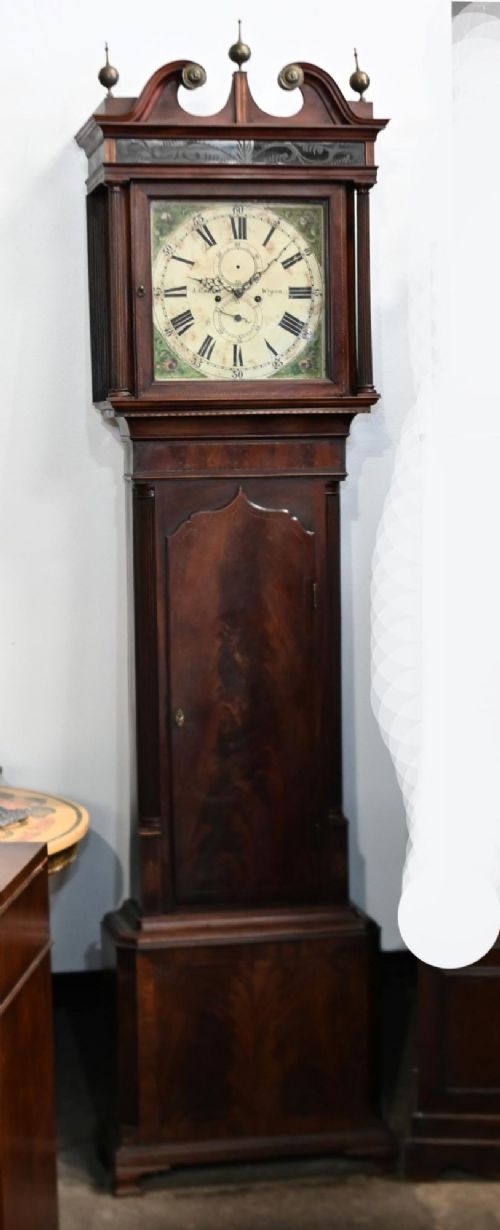
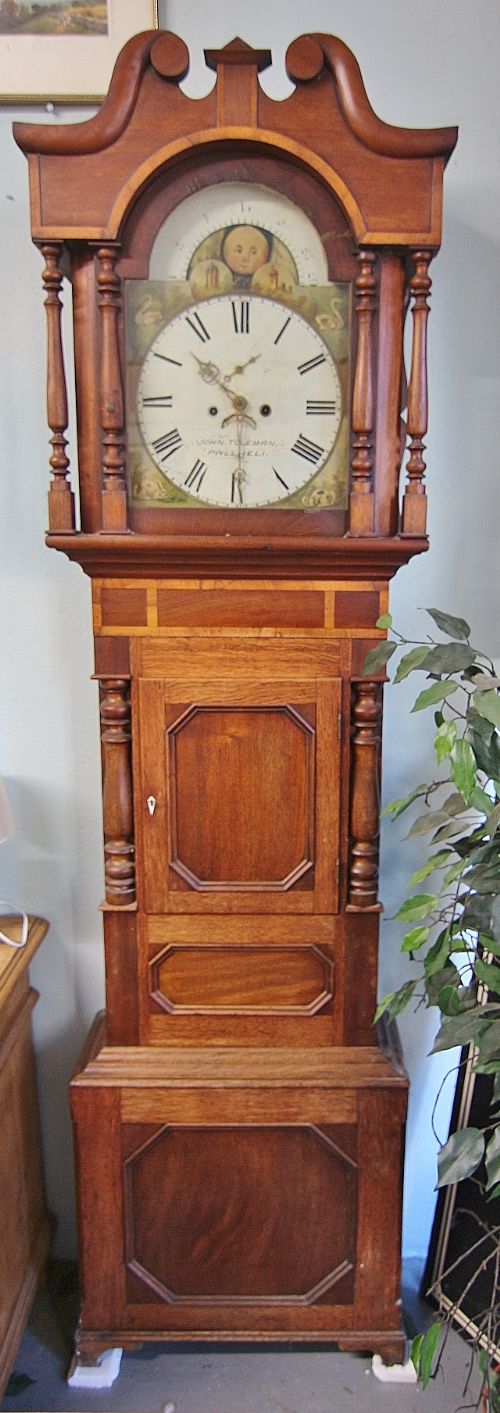
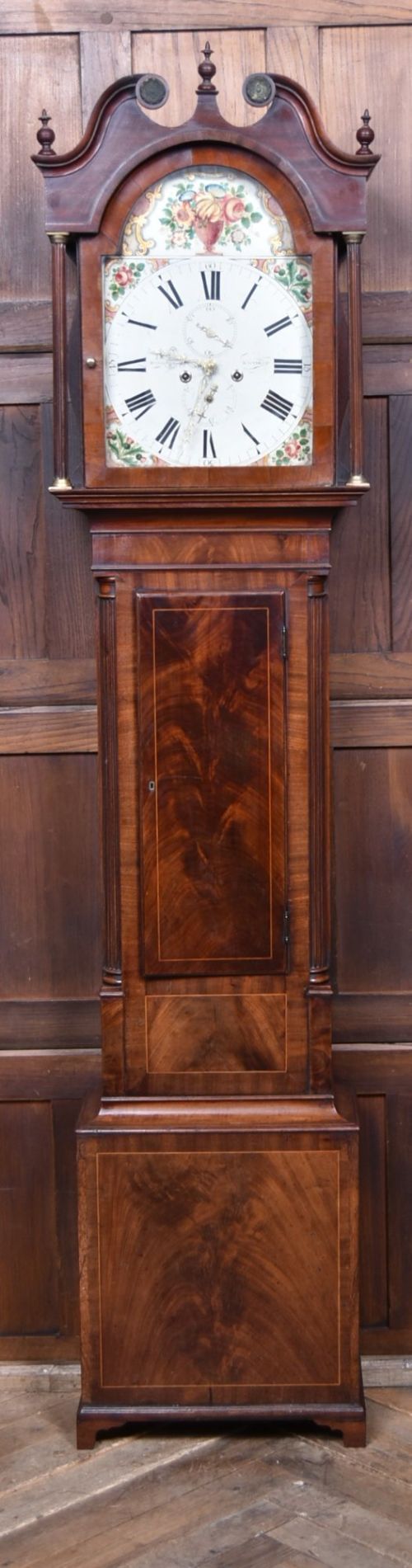
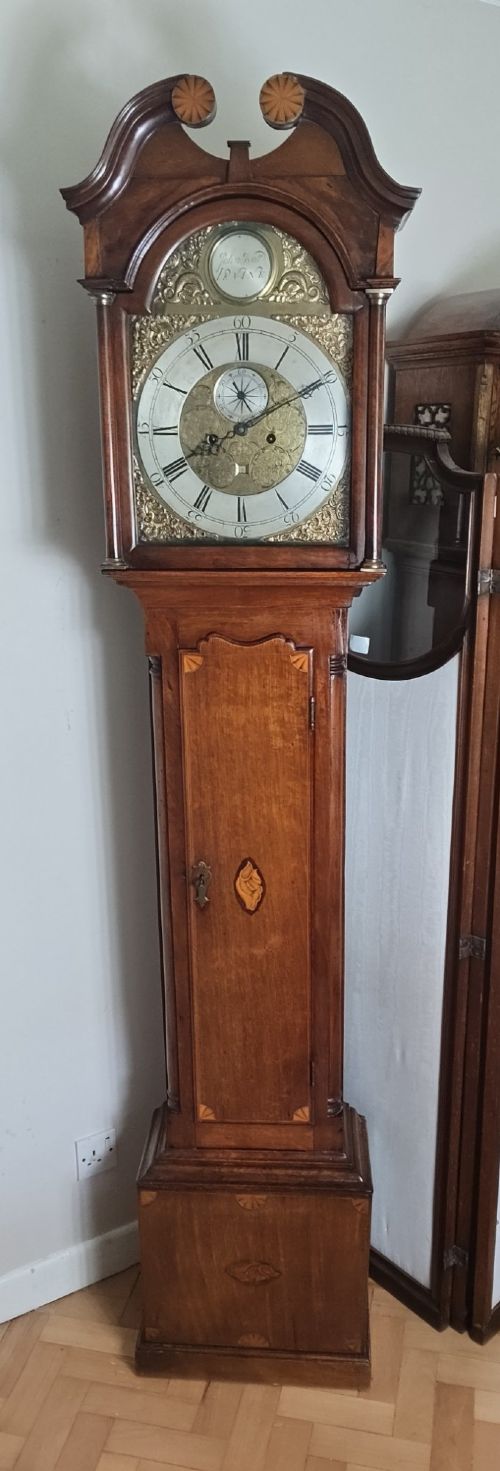
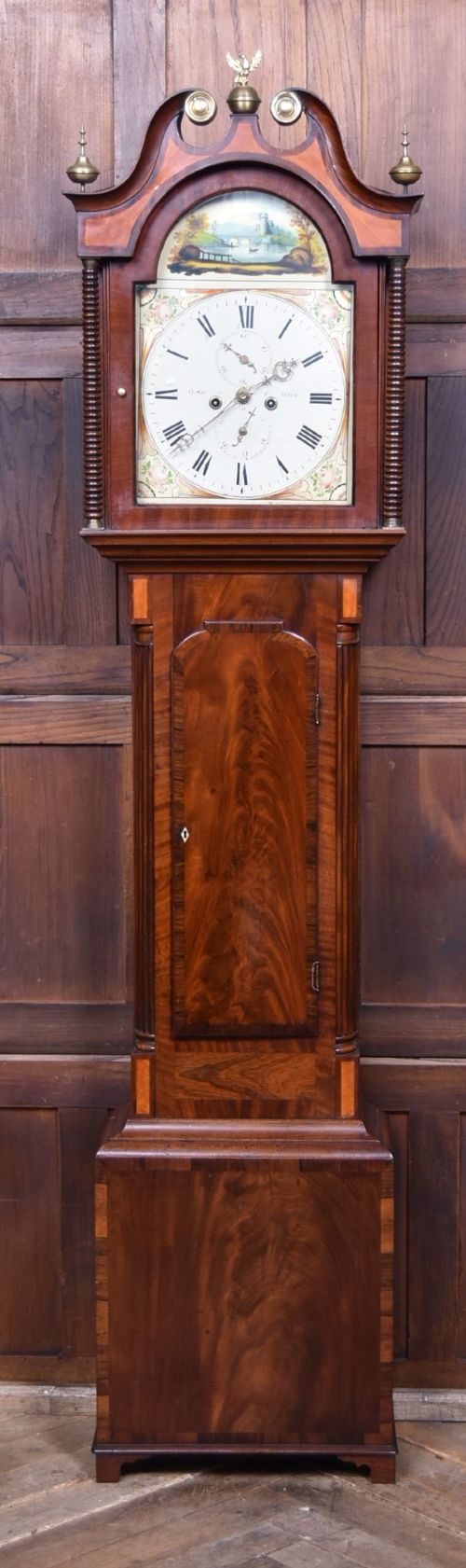

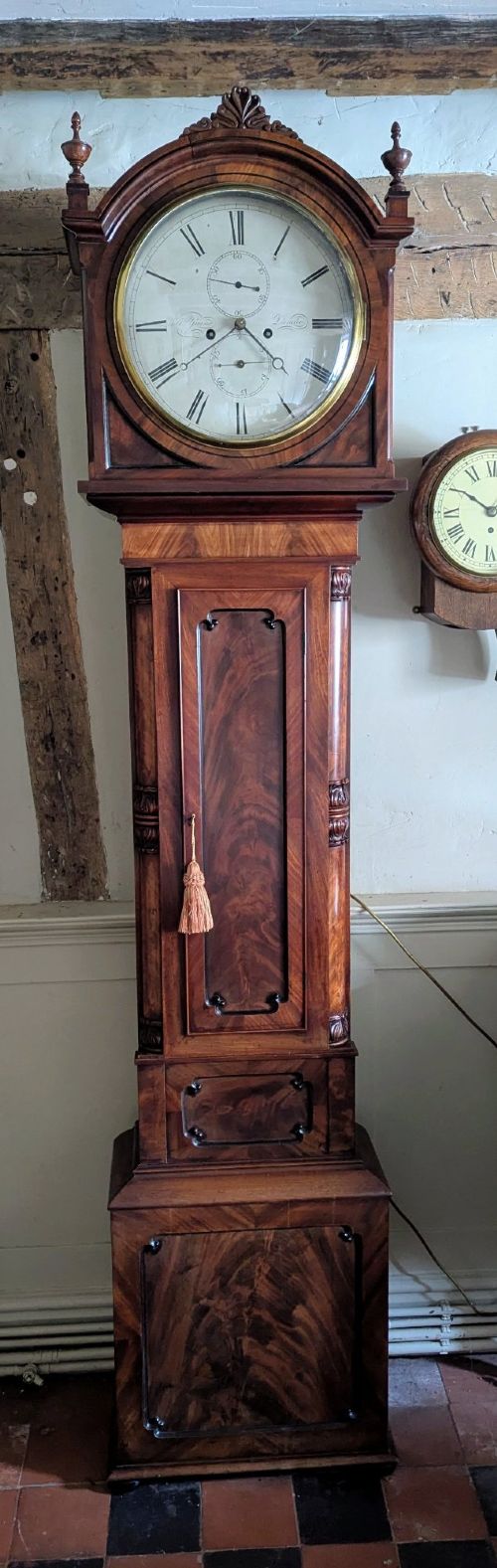
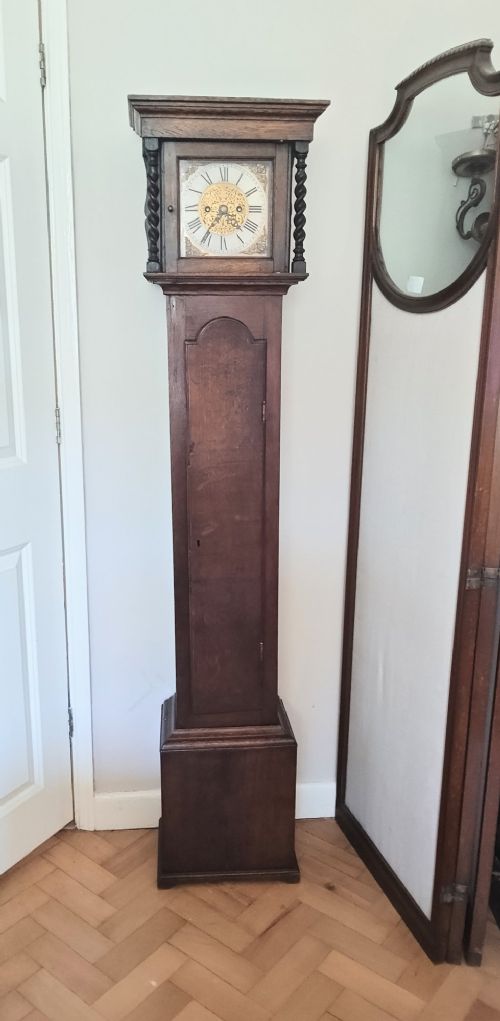


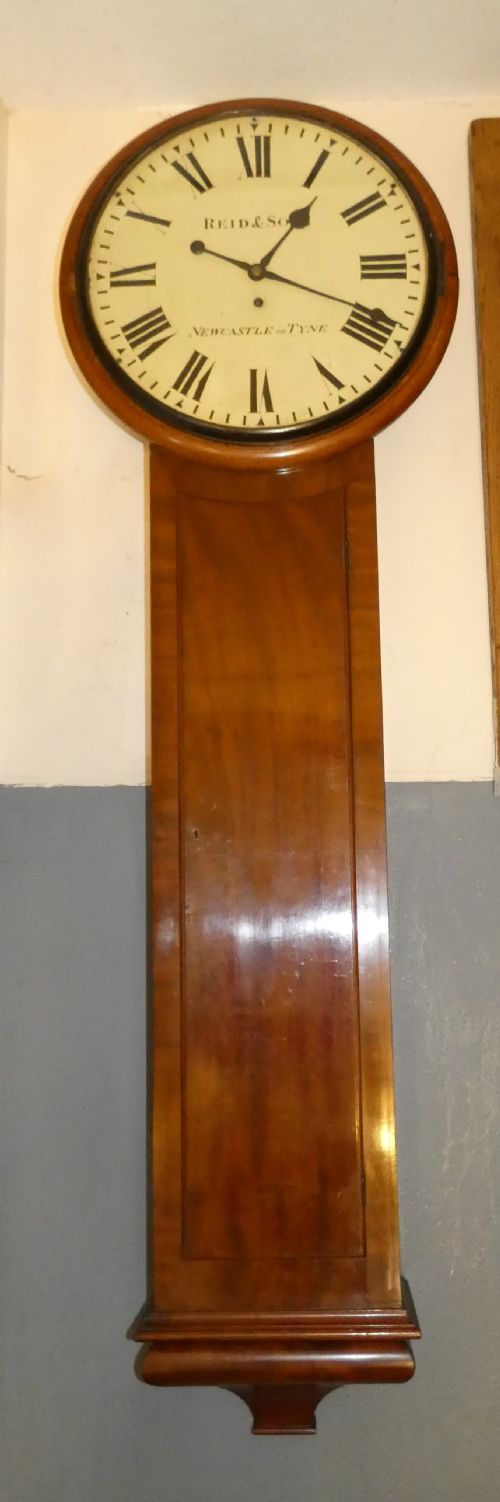


19th Century Longcase
These imposing 19th century longcase timepieces bring remarkable scale and historic craftsmanship to any room through their tall timber hoods and swinging pendulums.
19th Century Longcase
A 19th century longcase timepiece, often called a grandfather or grandmother clock, stands tall on the floor to enclose a weighted movement and pendulum within a timber trunk. Buyers searching this phrase encounter floor-standing clocks originating from various British and European regions, including Scottish, Welsh, English, and Scandinavian workshops.
The dominant material variations across these listings include rich mahogany, flame mahogany, figured oak, and painted pine. Cases range from grand architectural examples featuring arch dials and moon phases down to smaller domestic models and regional regulators.
Regional diversity shapes the selection significantly, from Scottish mahogany designs signed by makers in towns like Dundee and Montrose to Welsh oak pieces bearing regional names. Buyers also find occasional continental examples, such as Swedish pine Mora clocks and French Louis styles.
How They Were Made
Cabinetmakers constructed the tall wooden cases using solid timbers like mahogany, oak, and pine, frequently selecting flame mahogany veneers for rich grain patterns and decorative inlay work such as paterae. These housings protected the delicate brass and iron clockwork mechanisms mounted inside.
Dial construction combined painted iron or brass faces, often detailed with subsidiary seconds dials, calendar apertures, or rolling moon mechanisms tracking lunar cycles. Movements were engineered as eight-day or thirty-hour mechanisms, powered by weights suspended on lines or chains.
19th Century Longcase Retail Price Guide 2026
Typical asking prices for 19th century longcase among the pieces listed under this phrase on Sellingantiques today, from the lower quarter to the upper quarter. They describe what is for sale here now, not the wider market.
Some moon dials track lunar phases alongside passing hours, offering a miniature astronomical chart in the hallway.
What Varies in Quality
The sophistication of the dial painting and the precision of the movement separate standard regional clocks from high-end urban commissions. Signed dials by noted makers working in London, Edinburgh, or regional hubs indicate greater horological ambition.
Cabinetwork complexity defines the visual hierarchy, where figured timber selections, refined proportions, and detailed inlay distinguish superior architectural cases from simpler utilitarian pine or oak counterparts.
Hendrie Ogg·D Straiton·Thomas Webbe·Thwaites London·Parkinson And Frodsham·William Chisholm·David Morice·Ganthony Of London
The 19th Century Longcase Glossary
- Longcase clock
- A tall, floor-standing timekeeper housing a pendulum and weights within a wooden trunk. These pieces are also widely known as grandfather or grandmother clocks.
- Arch dial
- A clock face featuring a rounded upper section that often accommodates a subsidiary mechanism like a rolling moon phase. This curved format typically indicates a larger, more ambitious architectural case.
- Regulator
- A precision timekeeper designed for high accuracy, featuring an extended pendulum and simplified dial layout for reading seconds clearly. These specialist clocks were utilised in scientific or commercial settings.
- Moon dial
- A rotating painted disc beneath the dial arch that tracks the lunar cycle over a lunar month. This feature demanded skilled hand-painting by regional clockmakers.
19th Century Longcase: Frequently Asked Questions
What is a longcase clock?
A longcase clock is a tall, floor-standing timepiece that uses a pendulum and hanging weights to measure time accurately. The mechanism is protected inside a wooden trunk with a glass-fronted door.
These pieces combine functional timekeeping with substantial cabinet furniture, standing as prominent decorative fixtures in domestic hallways and living spaces.
How do eight-day clocks work?
An eight-day movement requires winding via a crank or key once every week to lift the internal driving weights. This mechanism uses a system of gears and an escapement to regulate the release of power.
Such movements offered greater convenience for households compared to thirty-hour variants, requiring less frequent attention from the owner.
Where were these clocks made?
Makers across Britain and Europe produced these timepieces, with distinct regional styles emerging from Scotland, Wales, England, and Scandinavia. Local cabinetmakers and horologists signed dials to mark their origins.
Urban centres like London supported specialised workshops, while regional towns relied on skilled local clockmakers who sourced cases from nearby cabinetmakers.
How do I care for a longcase?
Position the clock on a stable, level floor away from direct sunlight, dampness, and rapid temperature fluctuations to protect the wooden case and delicate internal movement. Regular professional servicing keeps the mechanical gears operating smoothly.
Securing the pendulum during any relocation prevents damage to the suspension spring and internal components.