




19th Century Linen Sofa
A 19th century linen sofa brings enduring comfort and character to a room, offering tactile upholstery over classic timber frames.
19th Century Linen Sofa
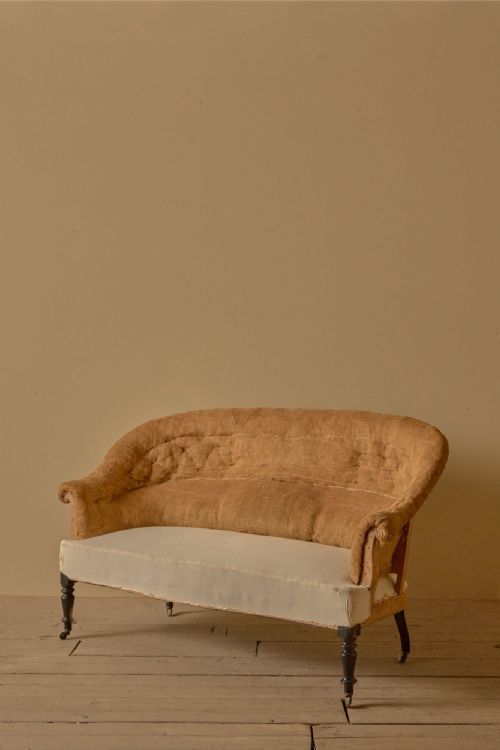
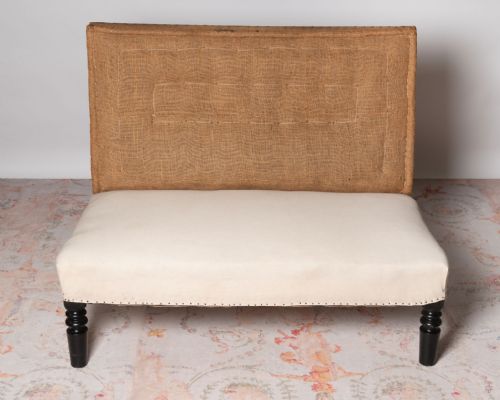
A 19th century linen sofa encompasses generous seating forms designed across European and British traditions, spanning from country retreats to formal salons. These seating pieces combine substantial timber frames with durable natural textile covers, offering both everyday utility and historic presence.
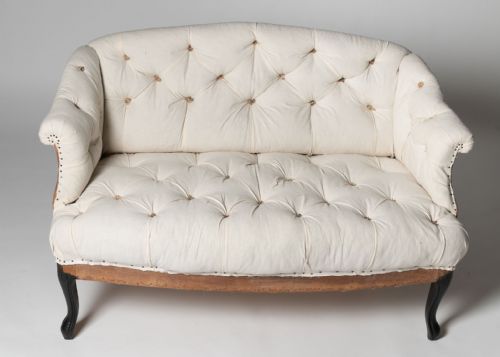
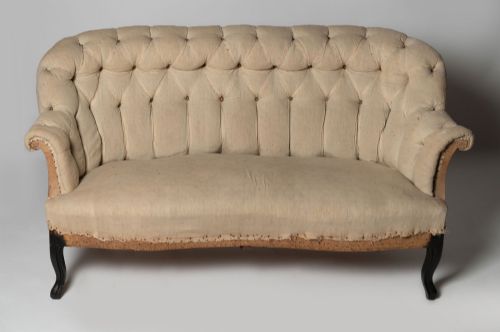
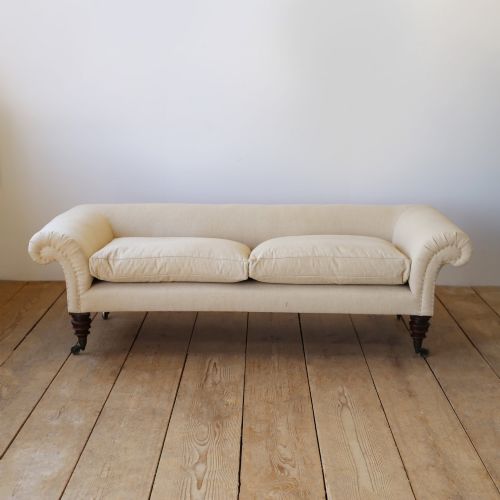
The selections available here lean heavily towards French country pieces, Napoleon III models, and Victorian revivals, alongside distinctive regional iterations such as Anglo-Indian and Italian neoclassical examples. Buyers encounter everything from buttoned high-back small settees to expansive three-seat canape sofas.
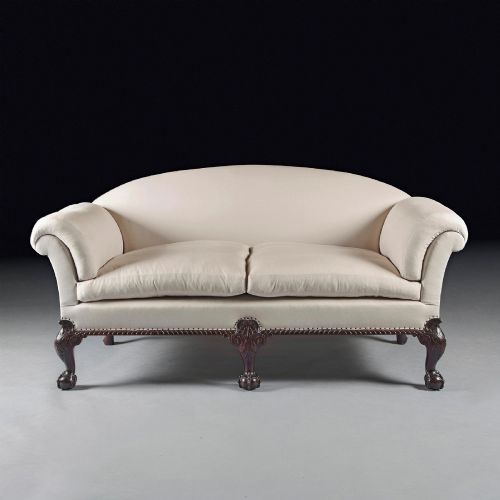
Forms vary from relaxed country house proportions to elaborate Revival designs featuring exposed show-wood and refined carving. Each piece reflects the seating requirements and aesthetic preferences of its specific nineteenth-century origin.
How they were made
Makers constructed the structural frames of these sofas using dense hardwoods such as mahogany, beech, and assorted timber, often shaping the exposed woodwork with revivalist carving or painted finishes. Canework and turned wooden components appear on specific regional variants.
Upholstery relied on traditional stuffing and support methods, finished with durable outer textiles like linen and cotton calico. Brass details and castors frequently completed the lower framework of finer examples.
19th Century Linen Sofa Retail Price Guide 2026
Typical asking prices for 19th century linen sofa among the pieces listed under this phrase on Sellingantiques today, from the lower quarter to the upper quarter. They describe what is for sale here now, not the wider market.
Listings feature linen, cotton calico, mahogany, beech, and brass across nineteenth-century French, Victorian, and Anglo-Indian styles.
What varies in quality
The integrity of the underlying wooden frame dictates the baseline stability and longevity of each piece. Superior examples retain robust joinery without excessive structural compromise.
Finishing details, from the crispness of carved show-wood to the quality of the timber grain such as mahogany or beech, separate standard regional pieces from high-style revival works. The sophistication of the original upholstery tailoring also marks the upper tiers of production.
The 19th Century Linen Sofa Glossary
- Canape
- A traditional French term for a decorative sofa or settee, usually featuring an exposed wooden frame and upholstered back.
- Napoleon III
- A French design period spanning the mid to late nineteenth century, known for ornate buttoned upholstery and eclectic revival influences.
- Anglo-Indian
- Describing furniture made in India by local craftsmen for British residents, often combining indigenous timber traditions with European forms.
- Calico
- A plain-woven cotton fabric frequently utilised as an inner lining or base layer beneath final upholstery covers.
- Show-wood
- The exposed polished or painted wooden portions of a sofa frame that remain visible around the upholstered areas.
19th Century Linen Sofa: Frequently Asked Questions
How do I clean a linen sofa?
Vacuum the linen upholstery gently using a soft brush attachment to remove surface dust and loose debris without pulling the natural fibres. Address any localized marks carefully with specialist textile cleaners suited to natural plant materials.
Avoid soaking the fabric or applying harsh chemical detergents that might disrupt the historic weave or underlying stuffing. Professional cleaning is advisable for valuable period textiles.
Are these sofas comfortable for daily use?
Nineteenth-century sofas were built for formal entertaining or relaxed lounging, offering substantial depth and supportive sprung or stuffed seating. Their ergonomics suit modern sitting habits reasonably well, though padding may feel firmer than contemporary foam furniture.
Placing scatter cushions on the seat or back can easily adjust the seating posture to personal preference. The generous proportions of many nineteenth-century models make them practical for everyday lounging.
How do I identify a French country sofa?
French country sofas typically display simpler painted or natural timber frames with unpretentious lines and rustic charm. They lack the heavy gilding or extreme formality found in high-style court furniture.
Look for understated curves, exposed beech or timber structures, and relaxed linen upholstery that reflects provincial living. These pieces prioritize comfort and utility over elaborate ornamentation.
What is a Napoleon III sofa?
A Napoleon III sofa dates from the French Second Empire and is easily recognised by its deeply buttoned upholstery and sprung high backs. These pieces often feature playful, curved silhouettes designed for comfort and intimacy.
Makers frequently concealed the internal frame entirely beneath luxurious padding and gathered fabric. They bring a distinctively plush, cocooning aesthetic to nineteenth-century interiors.