


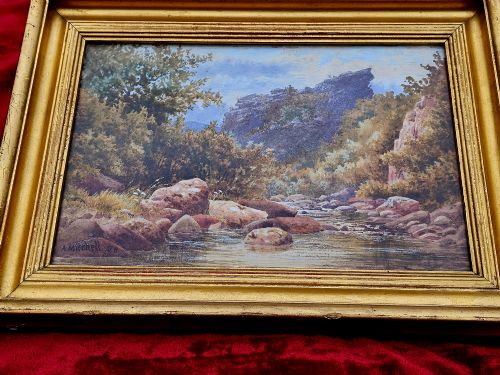
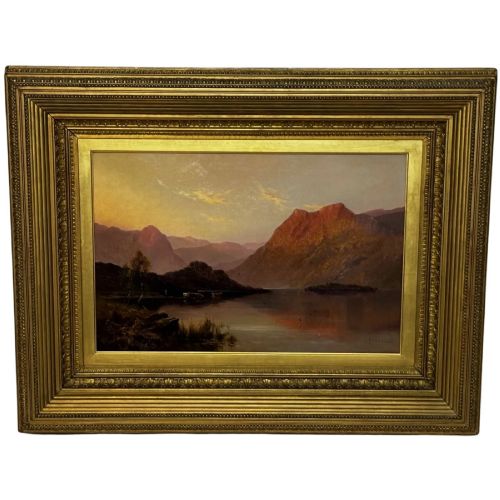
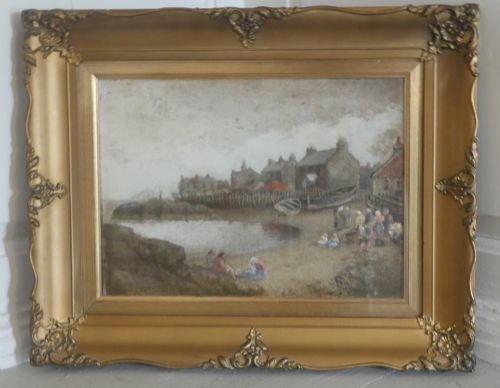
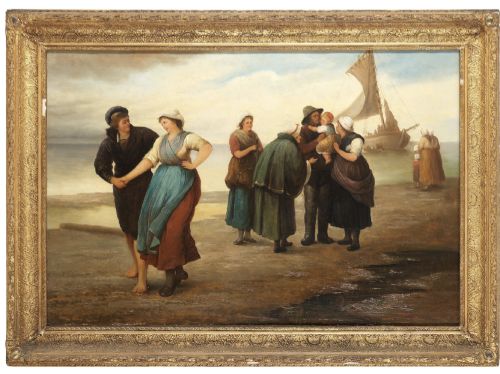
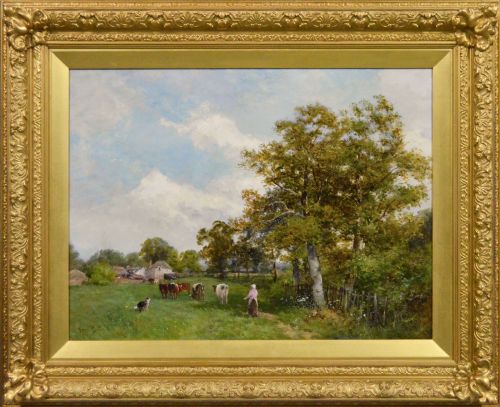
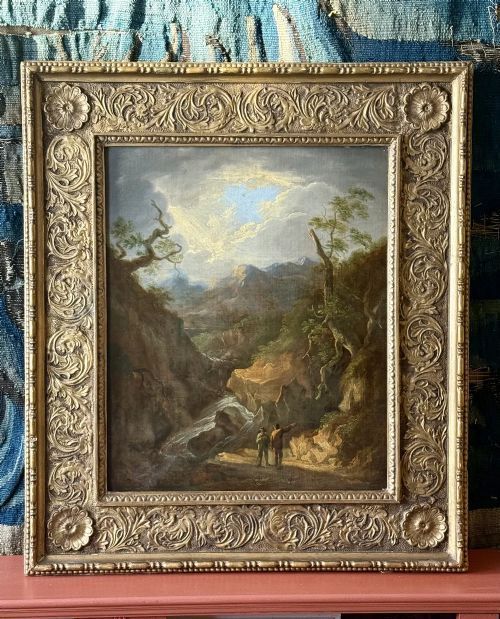
19th Century Landscape Picture
A 19th century landscape picture brings rural vistas, coastal scenes and river valleys indoors through oil and watercolour.
19th Century Landscape Picture
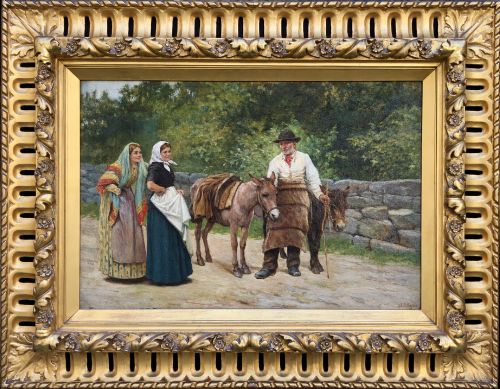
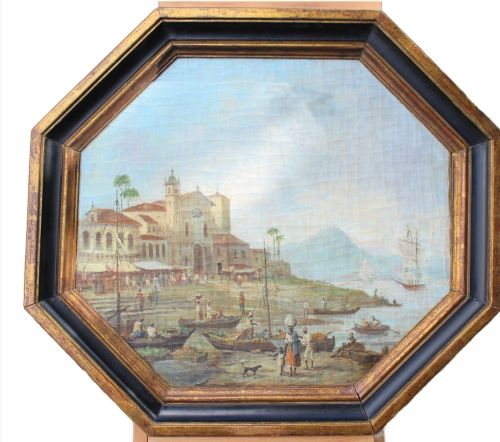
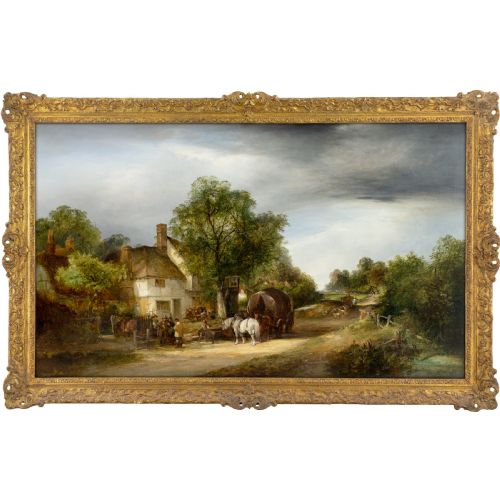
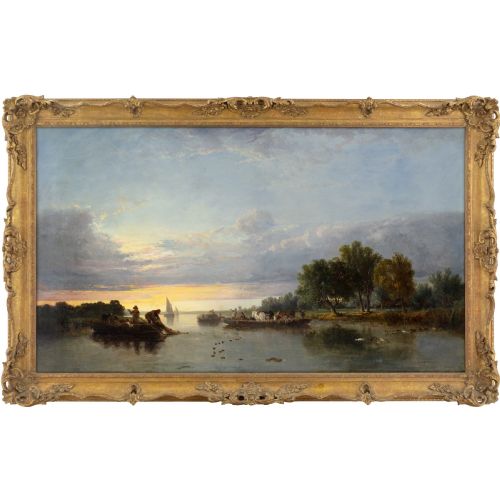
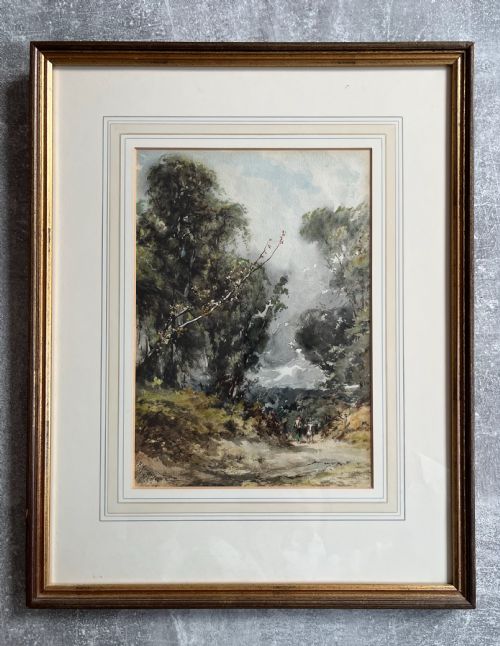
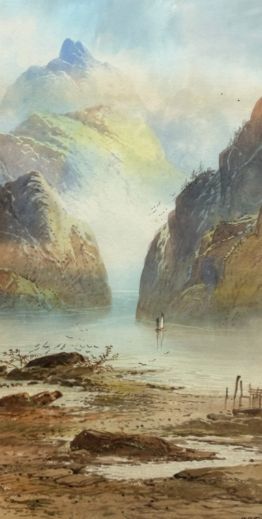
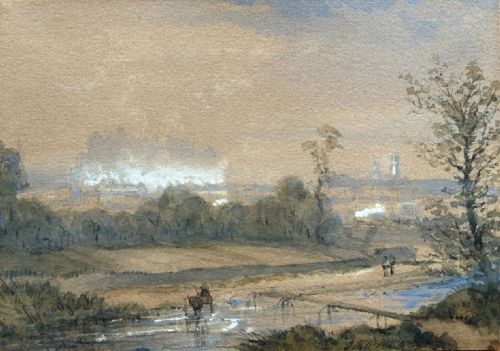
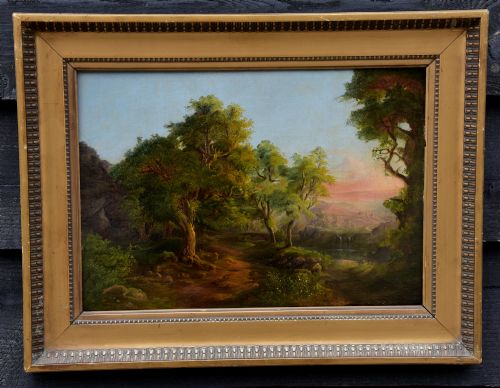
A 19th century landscape picture captures rural views, coastal scenes and river valleys across Britain, Europe and beyond. These works range from intimate watercolours on paper to large oil paintings on canvas and wood panels.
How They Were Made
Artists applied oil paint to canvas or wood panels, building up rich colour and texture. Watercolours were painted on paper, often utilising delicate washes to capture light and atmosphere.
Many works were mounted behind glass and set within ornate gilt wood frames. Support materials such as board and heavy paper provided stable foundations for these detailed scenes.
Listings feature paper, canvas, wood and glass alongside ornate gilt wood frames.
What Varies in Quality
Brushwork precision and spatial depth separate standard works from superior examples. The handling of natural light and atmospheric perspective reveals the skill of the painter.
The execution of fine details, such as figures, foliage and water, marks the distinction between routine topographical records and accomplished fine art paintings.
George Fotherly Hargitt·William Henry Earp·John R Prentice·Alfred Young Nutt·W Klombeck·Alfred Fontville de Breanski Jr·Edward Mills·David Bates·Benjamin Barker of Bath·Walter Heath Williams·Robert Thorne Waite·Francis Moltino·David Roberts·Harald Foss·Robert Watson·John Wilson Carmichael·Albert Rieger·Maud Raphael Jones·Joseph Farquharson·Charles Leslie·Henry Martin Pope·David Cox·T Bergman·Henry Schouten·Herman S Melville
The 19th Century Landscape Picture Glossary
- Oil on Canvas
- Pigment mixed with drying oil applied to a woven fabric stretched across a wooden frame. This medium allowed artists to work with thick impasto and deep colour ranges.
- Watercolour
- A painting method where fine pigment is suspended in a water-based solution on paper. It creates luminous translucent washes often employed for rapid outdoor studies.
- Giltwood
- Wood carved and coated with a thin layer of gold leaf. This material formed the decorative borders of frames designed to complement the paintings within.
- Panel Painting
- A flat piece of wood used as a rigid support for oil paint. Painters utilised wooden panels throughout the period for stable, smooth surfaces.
- Provenance
- The documented history of a painting's ownership and origin. It provides verifiable evidence of an artwork's authenticity and past exhibitions.
19th Century Landscape Picture: Frequently Asked Questions
What subjects appear in these pictures?
The works depict rural valleys, coastal waters, rivers, woodlands and mountain ranges. Scenes often incorporate figures, livestock or architectural elements such as castles and chapels.
Artists recorded both British locations and continental views, including Venetian waterways and desert expanses.
How do I hang a heavy frame?
Large oil paintings require sturdy wall fixings anchored directly into masonry or wall studs. Heavy giltwood frames need picture wire and D-rings rated well above the weight of the artwork.
Position paintings away from direct sunlight and fluctuating heat sources to protect the canvas and paper.
How do I distinguish watercolours from oils?
Watercolours are executed on paper and typically displayed under glass to prevent moisture damage. They exhibit translucent washes and smooth, flat surfaces.
Oil paintings utilise textured brushstrokes on canvas or wood boards, offering a heavier pigment load that does not require protective glass.
What periods do these artworks cover?
The selection spans the nineteenth century, encompassing early, mid and late Victorian eras. Dates range from the early decades through to the Edwardian period around nineteen hundred.
Styles shift from traditional topographical recording to more atmospheric realist interpretations by the end of the century.