



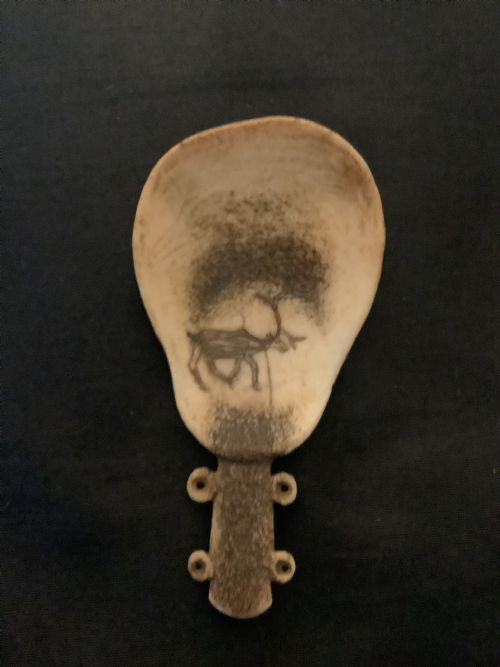


19th Century Ladle
When you handle a 19th century ladle, you hold a piece of domestic history shaped in sterling silver, pewter, timber, or ceramic.
19th Century Ladle
Materials and Construction
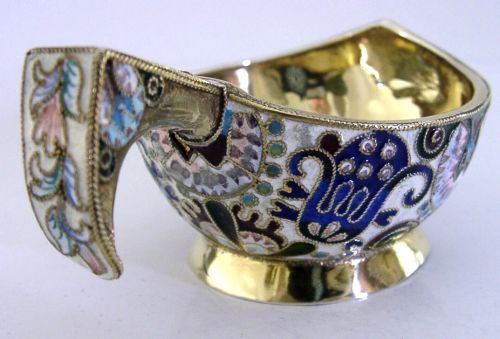
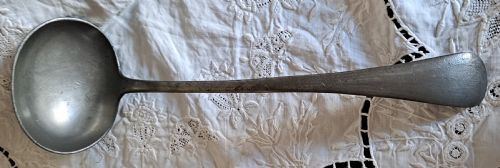
Metals such as sterling silver, silver-gilt, and pewter were cast, hammered, and engraved to form sturdy bowls and handles, often bearing maker marks or city assay stamps. Silver-plated items and ironstone ceramic versions offered durable alternatives for daily dining and service.
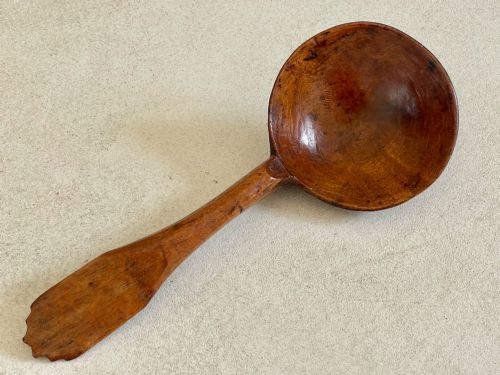
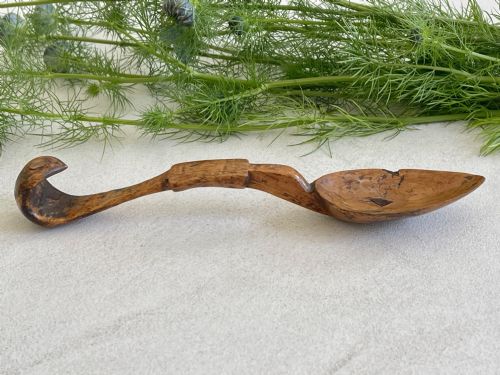
Treen examples were turned or carved from single pieces of timber, sycamore, laburnum, or fruitwood, showing natural grain patterns and patination. Organic materials like coconut shell and antler were likewise shaped into functional scoops and ladles.
19th Century Ladle Retail Price Guide 2026
Typical asking prices for 19th century ladle among the pieces listed under this phrase on Sellingantiques today, from the lower quarter to the upper quarter. They describe what is for sale here now, not the wider market.
Some wooden spoons feature integrated hanging hooks, proving that kitchen storage efficiency has occupied cooks for centuries.
Judging Quality and Execution
Quality rests in the balance of the piece, the clarity of hallmarks or maker stamps, and the crispness of applied decoration or pattern transfer. Solid silver and well-turned treen demonstrate superior craftsmanship compared to simpler plated or utilitarian items.
Condition and original patination dictate desirability, particularly in organic materials like wood or antler where surface wear tells a story of use. A well-preserved silver-gilt finish or intact enamel work elevates an object beyond standard kitchenware.
John Yates·Mary Chawner·Daniel and Arter
The 19th Century Ladle Glossary
- Basting ladle
- A large spoon used to scoop and pour pan juices over roasting meat. These items often feature long handles to keep hands away from heat.
- Treen
- Small handmade wooden household objects. The word derives from the old English for tree.
- Toddy lifter
- A small glass or silver vessel used to transfer hot punch from a bowl to a glass. They operate on a vacuum principle using a thumb hole.
- Silver-gilt
- Silver that has been coated with a thin layer of gold on its surface. This technique provides the rich appearance of solid gold.
- Ironstone
- A type of heavy ceramic developed as a durable alternative to porcelain. It frequently appears in white or blue printed dinner services.
19th Century Ladle: Frequently Asked Questions
What is a 19th century ladle used for?
These utensils served various dining and kitchen tasks, from ladling soup and punch to basting meats in large roasting pans.
Smaller toddy ladles and lifters were specifically designed for transferring alcoholic drinks from communal bowls into individual drinking glasses during social gatherings.
How do I clean an antique silver ladle?
Clean silver items gently with a soft cloth and specialised silver polish to preserve hallmarks and surface engraving.
Avoid harsh abrasives or soaking wooden and organic components in water, as moisture damages traditional adhesives and natural timber.
What woods were used for wooden ladles?
Treen items typically utilise domestic hardwoods like sycamore, laburnum, and fruitwood chosen for their density and grain pattern.
Makers selected these timbers because they resisted splitting and could be carved smoothly into functional bowls and handles.
How can I tell the age of a metal ladle?
Metal pieces often feature stamped hallmarks, maker marks, and assay office symbols that reveal the exact town and year of production.
Stylistic cues such as Victorian patterns or Georgian shapes further help place the object within the nineteenth century.