



19th Century Kitchenware
These pieces of 19th century kitchenware bring tangible domestic history to the modern home through practical metal, wood, and ceramic forms.
19th Century Kitchenware
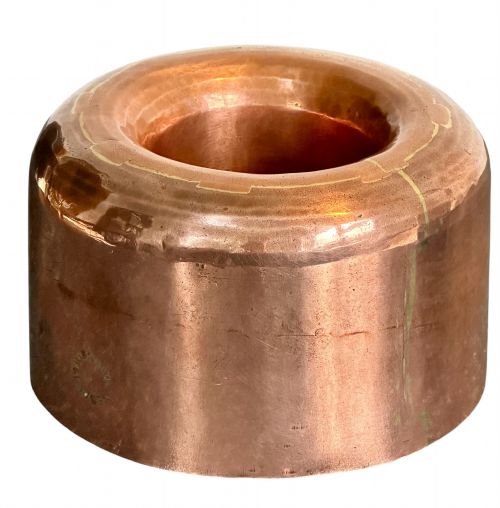
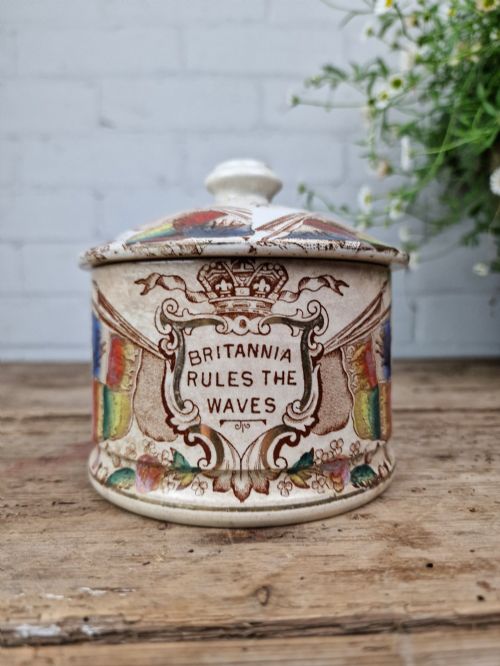
When searching for 19th century kitchenware, a buyer looks at everyday culinary items that served domestic life across Britain, France, and wider regions during the Victorian era and adjacent decades. The selection encompasses functional objects like preserve pans, butter dishes, jelly moulds, and kettles alongside turned treen bowls and storage vessels.
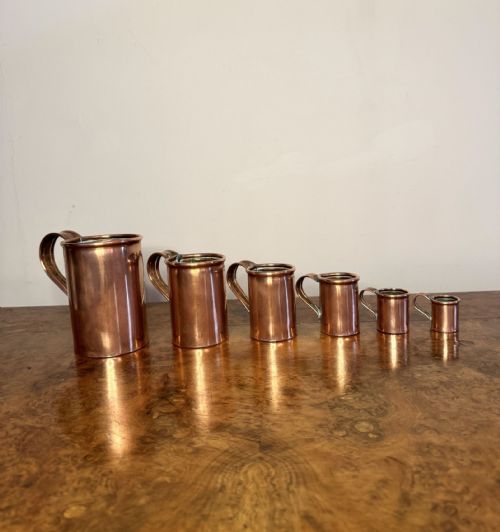
Most items on this page lean heavily towards heavy copper cookware and earthenware storage jars, reflecting the robust materials used in period kitchens. Pieces range from large French confit pots and preserve pans to smaller tabletop items such as egg cup stands and pestles.
Geographic origins vary from English and Welsh vernacular workshops to French provincial kitchens and Middle Eastern ateliers. This diversity allows collectors to source items suited either to rustic farmhouse displays or specialised collections of culinary metalwork.
How they were made
Metals such as copper, brass, iron, and pewter were shaped by hand or hammered, often featuring dovetailed or riveted seams that indicate traditional workshop fabrication. Copper pans and jelly moulds received careful attention to form, creating the rigid structures required for intensive cooking and confectionery.
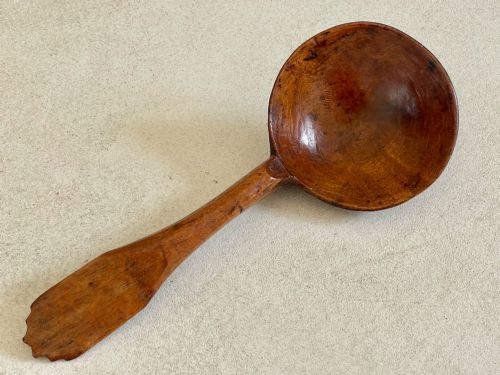
Woodworking traditions produced treen items through turning on a lathe, utilising dense timbers like fruitwood, sycamore, walnut, and hardwood. Earthenware and ceramic pieces combined thrown or moulded bodies with applied glazes to achieve durable, impermeable surfaces for food storage.
19th Century Kitchenware Retail Price Guide 2026
Typical asking prices for 19th century kitchenware among the pieces listed under this phrase on Sellingantiques today, from the lower quarter to the upper quarter. They describe what is for sale here now, not the wider market.
Listings feature nineteen-century copper kitchenware prominently, spanning heavy preserve pans, individual jelly moulds, and sets of French and English copper pans.
What varies in quality
Subtle distinctions separate ordinary utilitarian items from superior examples, often revealed in the weight of the metal and the precision of the hand-beating. Heavy-gauge copper pans with smooth interior tining demonstrate greater original investment than thin, purely decorative equivalents.
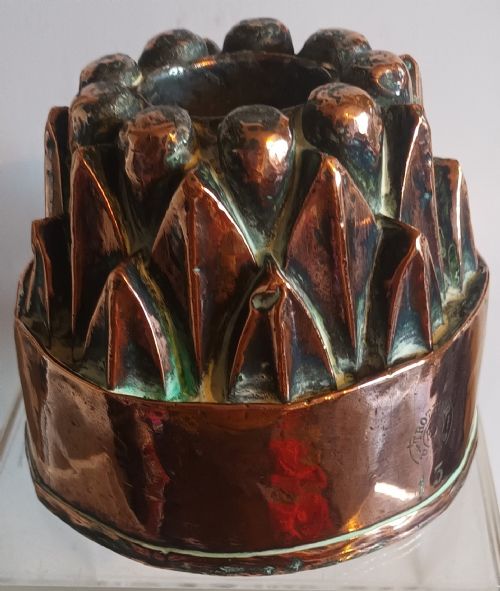
In wooden treen and turned wares, quality rests on the crispness of the turning, the harmonious grain of the hardwood, and the integrity of the original joins. Earthenware quality is judged by the depth and evenness of the glaze, alongside the clarity of moulded details such as castle tops on jelly moulds.
Trottier·John Yates
The 19th Century Kitchenware Glossary
- Confit pot
- A glazed earthenware vessel traditionally used in France for storing preserved meats. These pots feature distinct glazed upper sections and unglazed lower bodies.
- Culinary mould
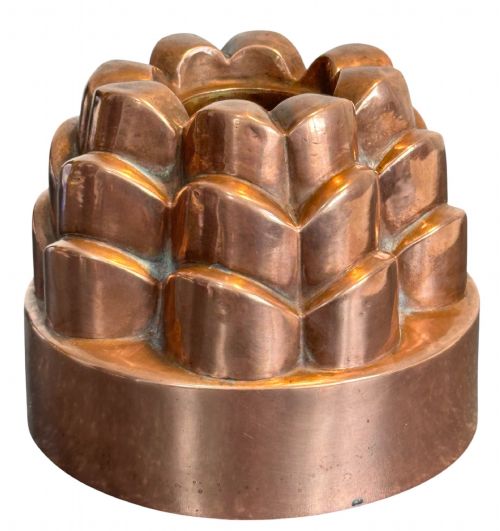
- A rigid form made from copper or ceramic used to shape jellies, puddings, or aspics. They often display intricate architectural or figurative designs.
- Preserve pan
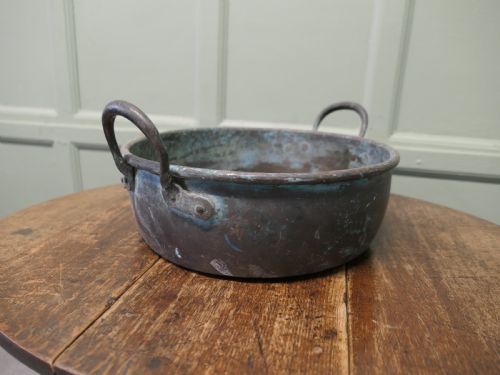
- A wide, shallow metal vessel designed for boiling fruit and sugar. They typically incorporate riveted handles for lifting heavy contents from the heat.
19th Century Kitchenware: Frequently Asked Questions
How were copper preserve pans used?
These large pans were suspended over open hearths or placed on range stoves to boil down seasonal fruits with sugar. Their heavy construction ensured an even distribution of heat during long simmering processes.
Today, they function well as decorative display pieces or plant containers, though many retain their original structural integrity for practical kitchen tasks.
How do I care for antique copper?
Antique copper requires minimal intervention, often preserved best by leaving a natural aged patina to develop over decades. Regular dusting and occasional gentle cleaning with appropriate metal care products will maintain the surface without removing historical wear.
Avoid abrasive scrubbers that strip away the original hand-beating marks and soften the crisp edges of the metal.
Were jelly moulds used for cooking?
Copper and ceramic jelly moulds were designed to shape cold desserts, aspics, and moulded creams rather than withstand direct baking heat. The intricate interiors ensured the set food emerged with clear architectural or animal motifs.
They were displayed prominently on pantry shelves when not in active service for formal dining.