





Antique Box Grater
These antique box grater pieces are small domestic items designed to reduce spices or other foodstuffs, most often taking the form of pocket nutmeg graters.
Antique Box Grater
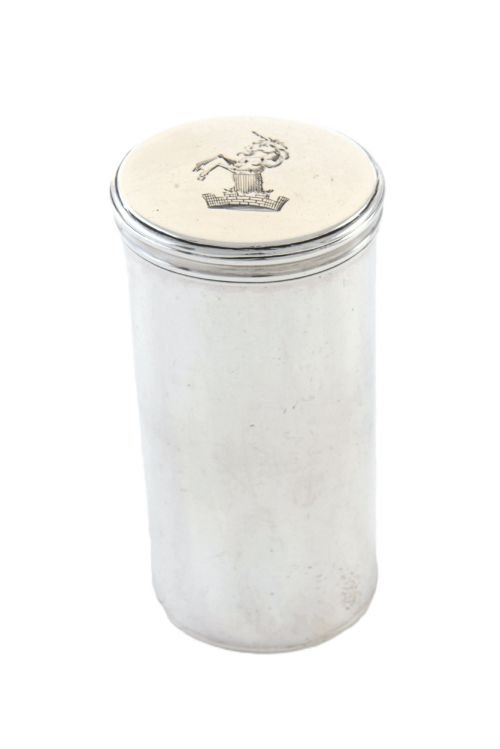
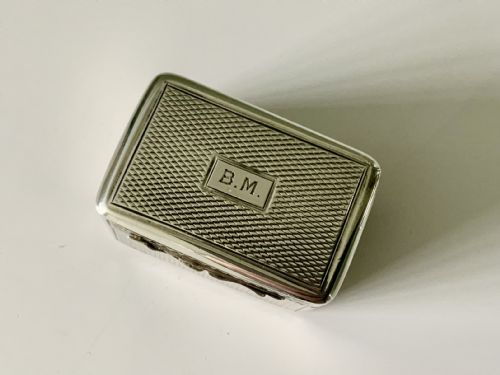
An antique box grater is primarily represented here by pocket-sized nutmeg graters and vinaigrettes from the Georgian, Victorian, and William IV periods. These domestic objects were essential for grating hard spices at the dining table or in the kitchen before pre-ground powders were common.
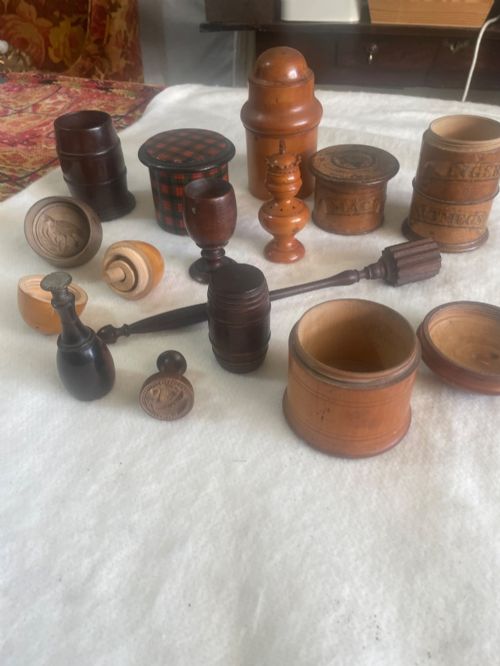
Buyers seeking an antique box grater encounter items fashioned into distinctive shapes such as eggs, barrels, cylinders, wine bottles, and acorns. The listings heavily feature sterling silver examples alongside turned wood treen pieces.
The objects span the eighteenth and nineteenth centuries, offering both utilitarian kitchenalia and delicate pocket items in silver, steel, iron, turned wood, copper, brass, tin, and cork.
How they were made
Makers utilised sterling silver and turned wood as primary materials, shaping metal through smithing and piercing while turning wood on a lathe to create organic forms like acorns and wine bottles. Steel and iron formed the abrasive grating surfaces inside these housings.
Silver items often display crisp hallmarks, bright-cut engraving, and fitted hinged lids, while treen versions rely on the natural grain and precise joinery of the turned wood.
Antique Box Grater Retail Price Guide 2026
Typical asking prices for box grater among the pieces listed under this phrase on Sellingantiques today, from the lower quarter to the upper quarter. They describe what is for sale here now, not the wider market.
Listings span the eighteenth and nineteenth centuries, featuring sterling silver, iron, copper, brass, tin, and turned wood.
What varies in quality
Quality separates plain utilitarian pieces from highly decorative pocket items through the crispness of the piercing on the steel grater plates and the precision of the silver hallmarks. Unusual figural shapes, such as acorns and wine bottles, command greater attention than standard cylindrical forms.
The integrity of the hinged mechanisms and the preservation of original makers' marks, such as those by Daniel Field or Reid and Summers, elevate the standing of individual pieces.
Daniel Field·Reid and Summers·J Taylor
The Antique Box Grater Glossary
- Nutmeg grater
- A small portable utensil designed to grate hard nutmeg nuts just before use. These often feature an internal steel rasp and a compartment to store the spice.
- Treen
- Small handmade wooden objects of domestic use. This term derives from old English meaning made of tree.
- Sterling silver
- An alloy consisting of ninety-two point five percent silver and seven point five percent other metals, usually copper. This standard is indicated by hallmarking on British items.
- Vinaigrette
- A small ornamental box with a perforated inner grille used to hold a sponge soaked in aromatic vinegar. These share a similar scale and construction with pocket graters.
Antique Box Grater: Frequently Asked Questions
What is an antique box grater?
An antique box grater is a small historical implement, most frequently a pocket-sized nutmeg grater, designed to grate hard spices.
These pieces date predominantly from the Georgian and Victorian eras and were made from sterling silver, steel, and turned wood.
How were nutmeg graters used?
Diners and hosts used them at the table to grate fresh nutmeg into beverages and food. The hard spice nut was rubbed against an internal steel rasp.
The resulting powder fell through the grating into a small compartment or directly onto the food.
How do I date a silver grater?
English silver pieces carry hallmarks that include date letters, city marks, and maker's marks. These stamps provide the exact year of assay.
Stylistic cues such as bright-cut engraving or Georgian shapes also help place the piece in its proper period.
Are wooden treen graters rare?
Turned wood treen examples survive in shapes like wine bottles and acorns, showing the whimsical side of nineteenth-century design. Wood is more susceptible to wear than silver.
Their survival depends on the durability of the turned wood and the internal metal rasp.