



19th Century Iron Chair
These 19th century iron chairs bring robust metalwork and enduring character into gardens and studies alike.
19th Century Iron Chair
A 19th century iron chair spans robust garden seating and upholstered indoor armchairs with iron frames. Buyers searching this phrase encounter both ornate outdoor seating and padded parlour furniture.
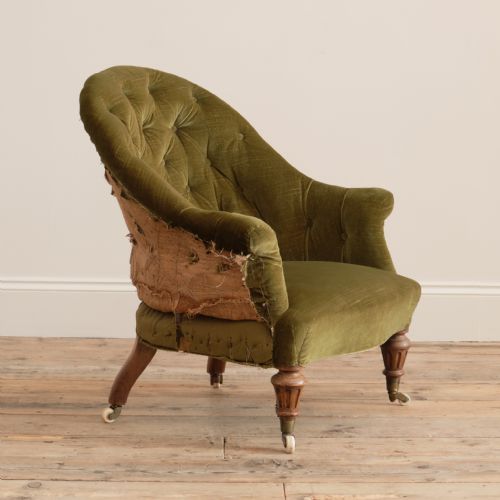
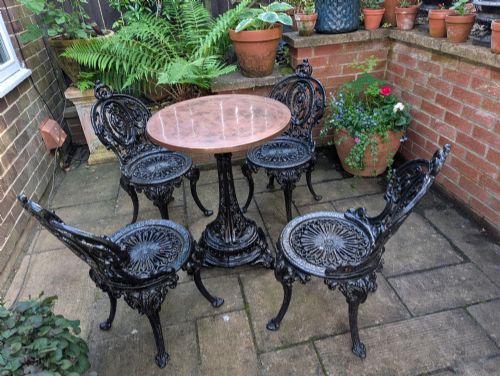
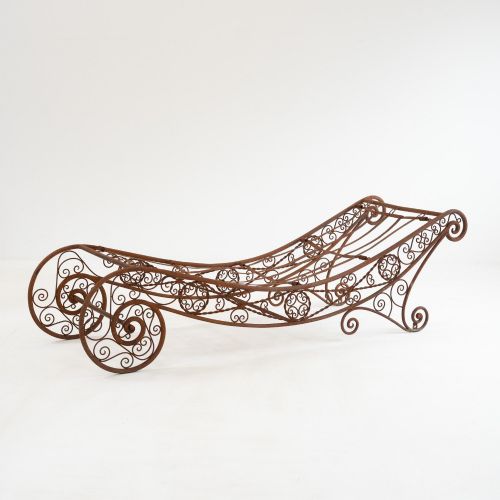
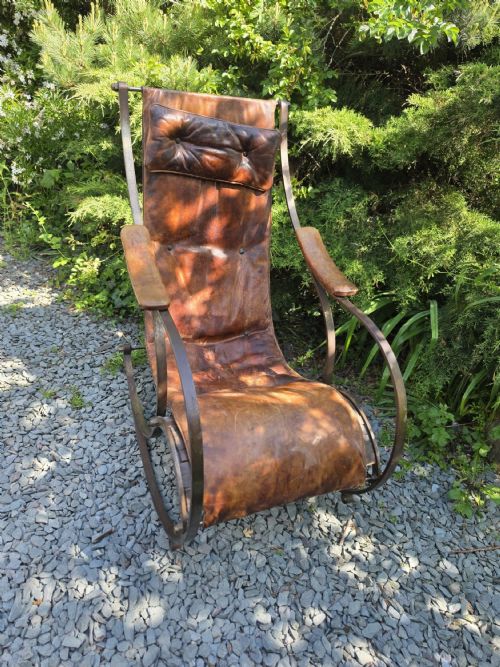
Outdoor pieces include heavy cast iron garden furniture and lighter French wrought iron designs. Indoor examples are typically iron back armchairs featuring buttoned leather, velvet or fabric upholstery alongside wood and timber elements.
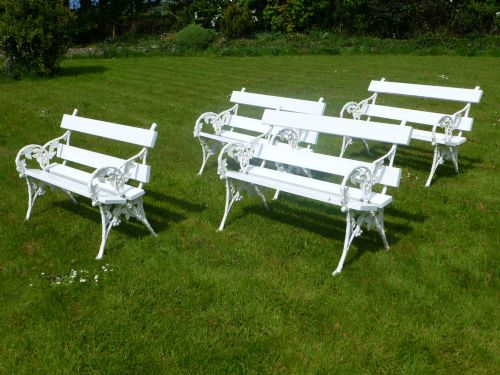
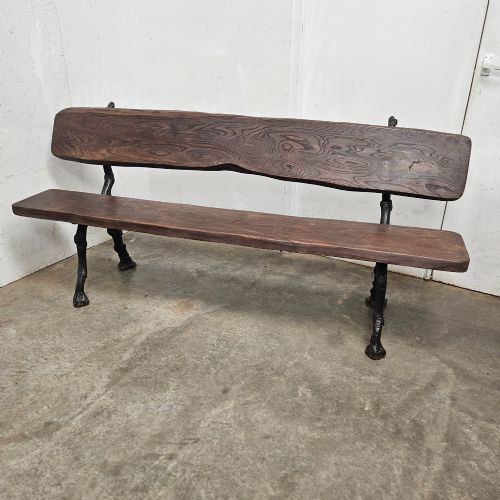
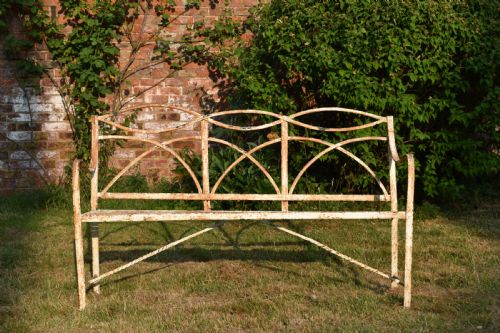
Origins stretch across English, French and American workshops from the Regency era through to the late Victorian period. Garden benches, dining sets, daybeds and rocking chairs appear alongside single accent chairs.
How they were made
Makers utilised cast iron for intricate moulded outdoor patterns like blackberry and leaf motifs, pouring molten metal into detailed sand or metal moulds. Wrought iron was heated and hand-hammered to create sturdy strapwork and curved garden frames.
Indoor chairs combined iron framework with timber, wood and brass components. Upholsterers then added leather, red velvet or buttoned fabric over supportive internal padding.
19th Century Iron Chair Retail Price Guide 2026
Typical asking prices for 19th century iron chair among the pieces listed under this phrase on Sellingantiques today, from the lower quarter to the upper quarter. They describe what is for sale here now, not the wider market.
Materials documented across the pieces include cast iron, wrought iron, timber, fabric, brass, leather, and wood.
What varies in quality
The refinement of the ironwork sets the finest examples apart, particularly where casting detail is sharp and deeply defined rather than soft or flat. Foundry attribution also elevates a piece, connecting standard garden frames to known makers.
For indoor armchairs, the integrity of the original frame combined with the quality of the upholstery materials, such as buttoned leather or velvet, determines the distinction between a standard bedroom chair and a substantial parlour piece.
Falkirk foundry·Gillows·Miles and Edwards
The 19th Century Iron Chair Glossary
- Cast iron
- Molten iron poured into a mould to create rigid, highly detailed decorative forms. This technique produced the intricate foliage patterns found on garden benches and chairs.
- Wrought iron
- Iron heated and worked by hand with hammers and tools to form strong, malleable shapes. This method creates the lighter, curved frames seen in French garden seating.
- Strapwork
- Flat strips of metal interlaced or crossed in decorative geometric patterns. This style defines many Regency outdoor benches.
- Buttoned back
- Upholstery pulled tight and secured with buttons in a grid pattern to create deep tufting. This finish appears frequently on Victorian iron back armchairs.
- Faux bois
- A technique imitating wood grain in other materials such as concrete or metal. French garden pieces occasionally employ this finish to mimic natural timber.
19th Century Iron Chair: Frequently Asked Questions
Are 19th century iron chairs suitable for outdoor use?
Cast and wrought iron garden pieces were designed specifically to withstand external elements through changing seasons. Many survive outdoors today, though antique upholstered indoor chairs require protection from moisture.
Regular checks for surface rust help preserve outdoor metalwork. Applying appropriate protective treatments keeps garden furniture structurally sound for ongoing exterior placement.
How do I identify a Regency iron chair?
Regency pieces often feature distinctive strapwork designs and classical geometric lines in the metal framework. These items generally date from the early part of the nineteenth century.
Comparing the curve of the ironwork and the simplicity of the frame against known period examples helps confirm the stylistic era.
What is an iron back armchair?
An iron back armchair is an indoor seating option built with an exposed or partially integrated iron support frame. These pieces often feature buttoned upholstery in leather or velvet.
Makers combined the rigidity of iron with timber and plush padding to create sturdy parlour, nursing or slipper chairs.
How should I clean an antique iron chair?
Gentle dusting and mild soapy water remove surface dirt without harming original painted surfaces or patination. Avoid harsh chemical strippers that destroy historical finishes.
Preserving the aged patina maintains the visual character developed over more than a century of use.