
19th Century Gentleman Art
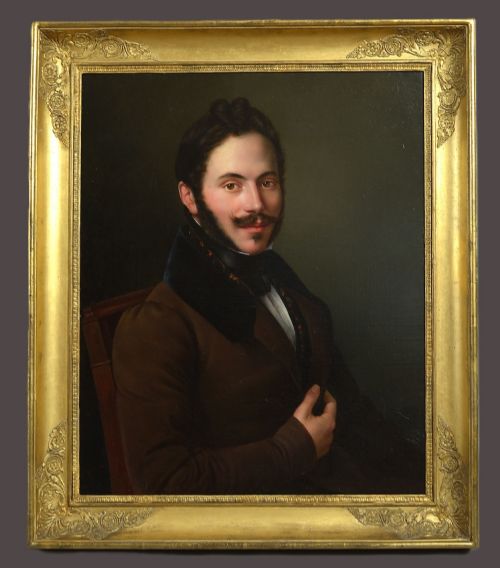
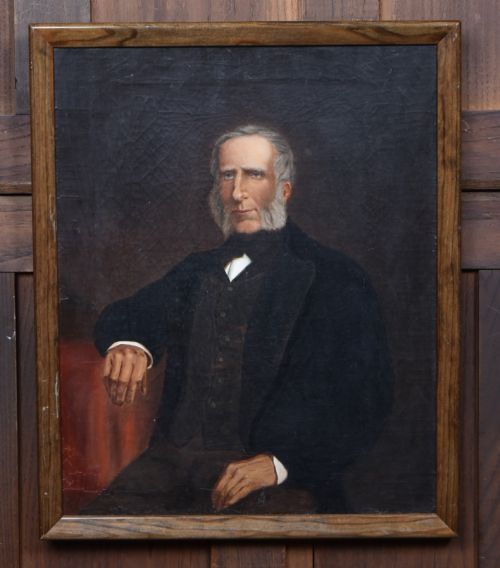
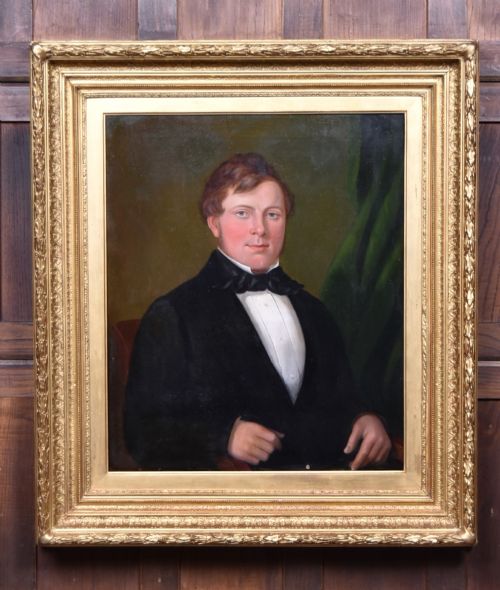
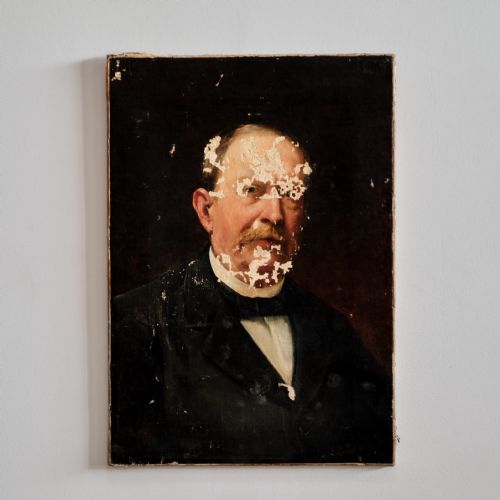
19th century gentleman art gathers painted and drawn likenesses of male subjects, offering a direct encounter with past figures through oil, watercolour and silhouette.
19th Century Gentleman Art
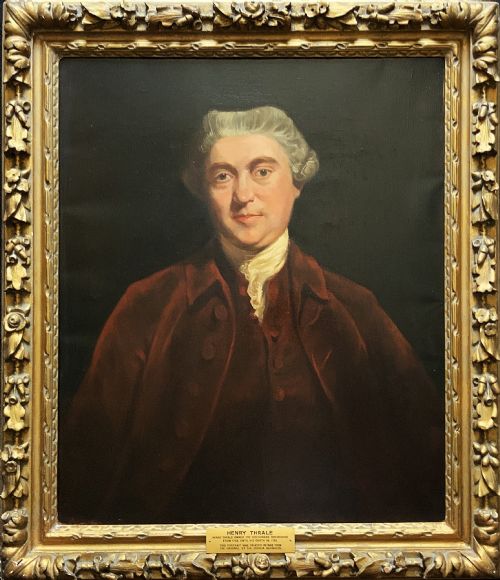
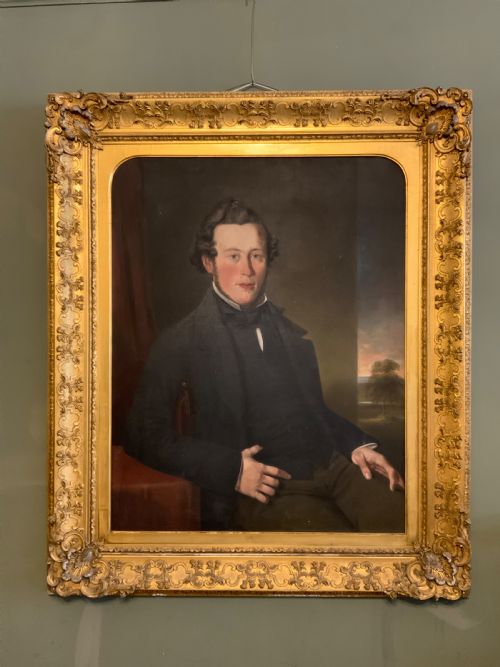
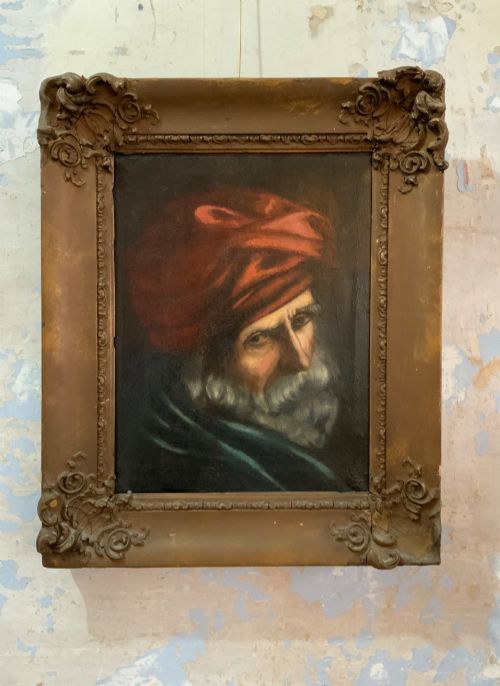
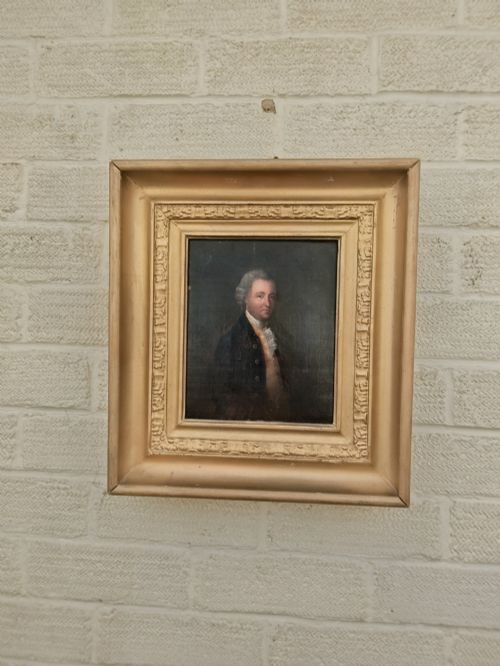
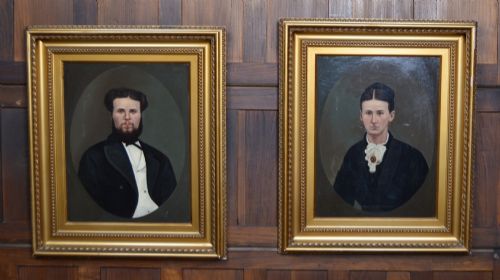
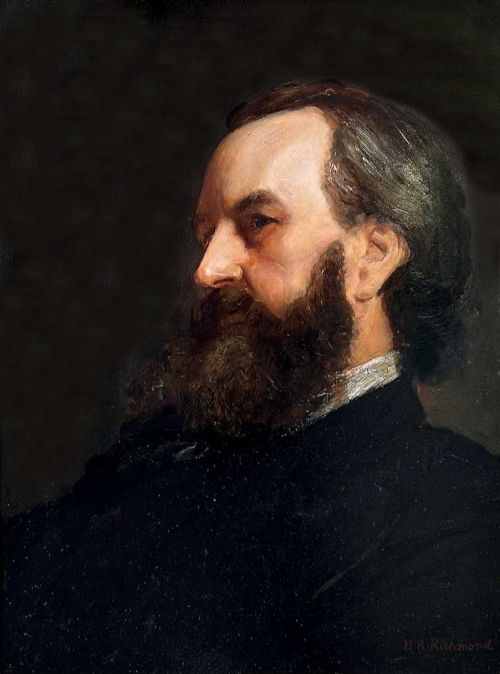
When you search for 19th century gentleman art, you encounter a selection centred heavily on portraiture in various media. These pieces range from formal oil paintings on canvas to delicate miniatures, silhouettes and works on paper.
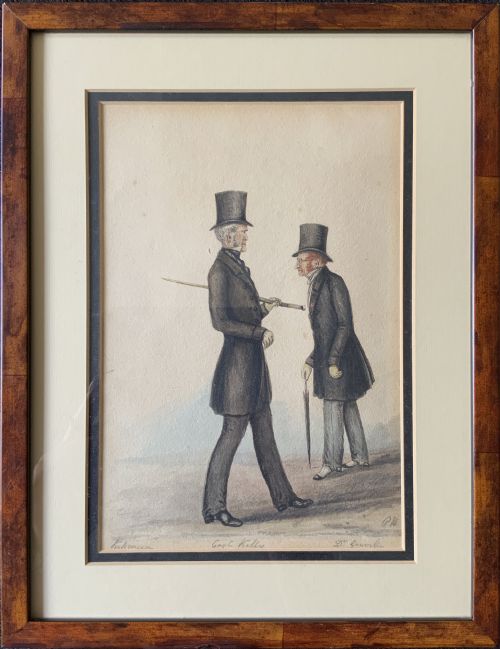
The most common items on this page are oil paintings and watercolours depicting individual subjects, alongside specific character studies and caricatures. Subjects appear within Regency, Victorian and Georgian contexts, often recorded by named artists or anonymous English and European schools.
Materials and Techniques
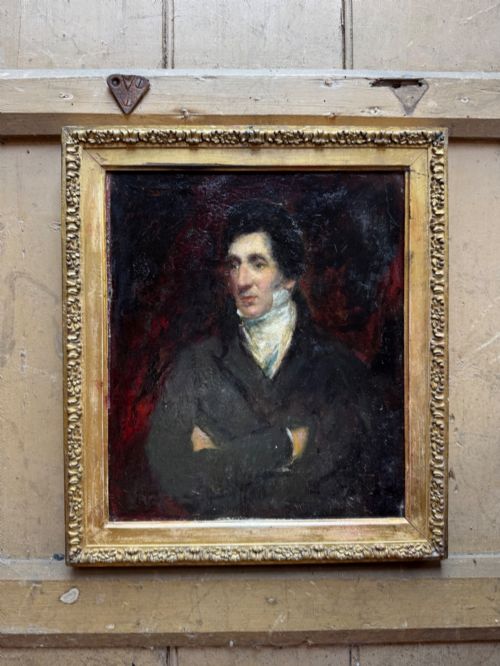
The physical objects rely on traditional supports such as canvas, wood panel, glass and paper. Artists applied oil paint, watercolour, charcoal and graphite to render these likenesses, frequently framing the finished works in giltwood.
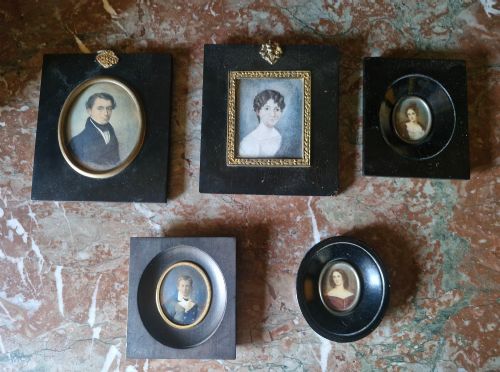
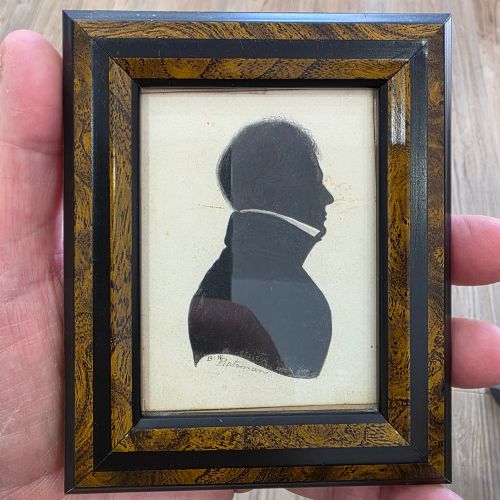
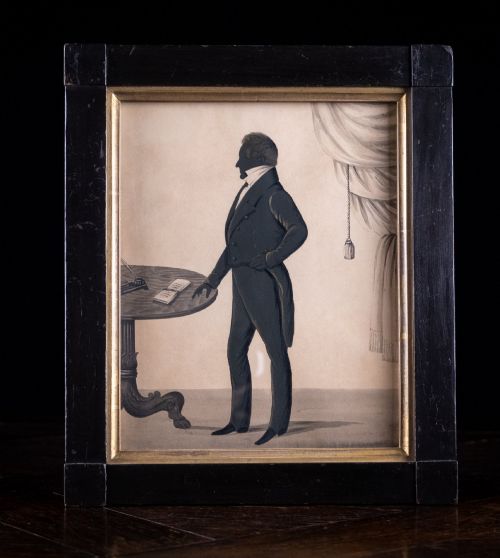
Silhouettes utilise specialised cut paper or painted profiles, sometimes enhanced with gilt highlights. Portrait miniatures demonstrate fine brushwork on small scales, capturing intricate detail within restricted boundaries.
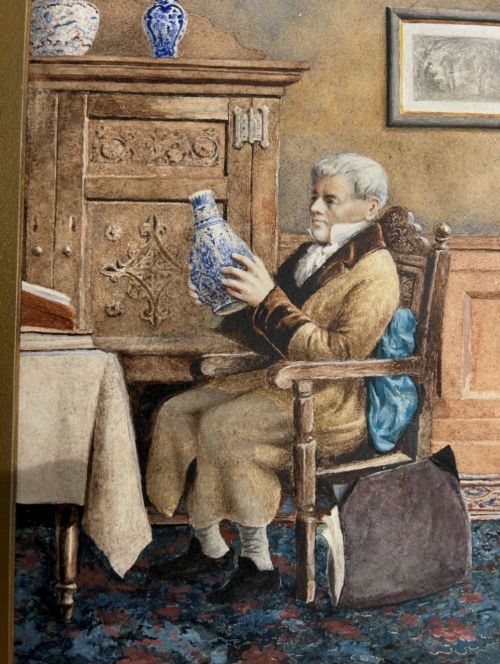
Several gentlemen in these collections are caught mid-habit, lingering over a cigar or studying a blue vase.
Judging Quality and Execution
Quality in these works rests upon the precision of the draughtsmanship and the handling of the medium. Stronger pieces display confident brushwork or pencil lines that convey the sitter's presence and character with immediacy.
The distinction between standard commercial work and superior examples lies in the psychological depth of the portrait and the structural integrity of the support and frame. Finer execution shows in the rendering of hands, fabrics and facial expressions.
Edouard Pingret·James Howe·Henry Stacy Marks·Benjamin Eugene Fichel·Ferdinand Victor Leon Roybet
The 19th Century Gentleman Art Glossary
- Silhouette
- A portrait profile filled in with a solid dark colour, typically cut from paper or painted on card. These profiles were popular in the Georgian and Regency periods.
- Portrait miniature
- A small, highly detailed painting on ivory, vellum or paper. These intimate works often served as personal tokens among family members.
- Giltwood
- Wood carved and covered with a thin layer of gold leaf or gold paint. This material forms the decorative frames common to many period paintings.
- Oil on canvas
- Pigment suspended in drying oil applied to a woven fabric stretched over a wooden frame. This technique dominates large-scale 19th-century portraiture.
19th Century Gentleman Art: Frequently Asked Questions
How do I identify a Regency portrait?
Regency portraits generally date from the early decades of the 19th century and often feature sitters in specific high-collared attire or plain cravats. The artistic style tends to reflect neoclassical influences with restrained palettes.
Look for costume clues and framing styles typical of the period between 1811 and 1820 to confirm the era.
How should I care for oil paintings on canvas?
Keep oil paintings away from direct sunlight and sources of extreme heat to prevent the canvas from sagging and the paint from cracking. Maintain stable room temperatures and moderate humidity levels.
Dust the surface gently with a soft, dry brush without applying pressure to the paint layer.
Are all these portraits of named individuals?
Many listings identify the sitter by name, complete with biographical dates or professional titles. Other works depict anonymous subjects catalogued simply as members of the English or European school.
Inscriptions on the reverse or accompanying documentation often provide the historical context for identified sitters.