
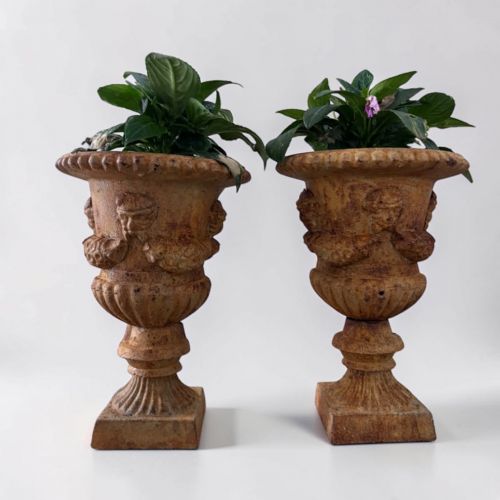


19th Century Garden Urn
These robust 19th century garden urn pieces anchor a terrace or lawn with classical gravitas and enduring plant display.
19th Century Garden Urn
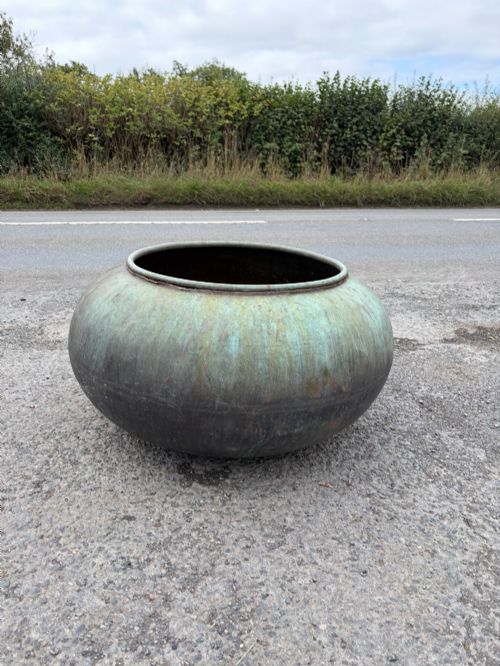
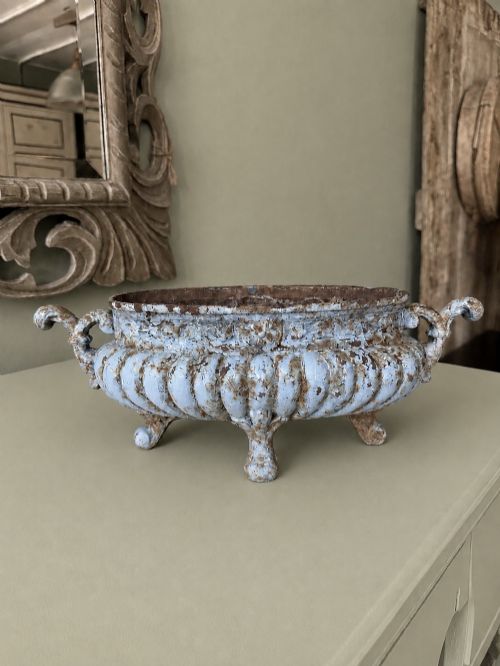
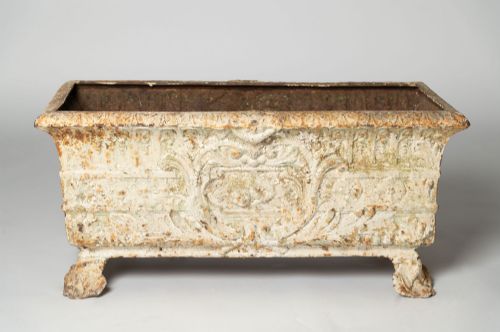
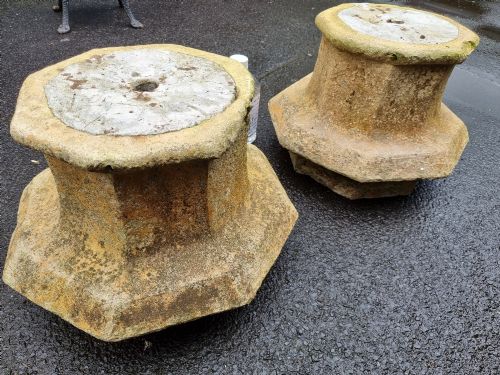
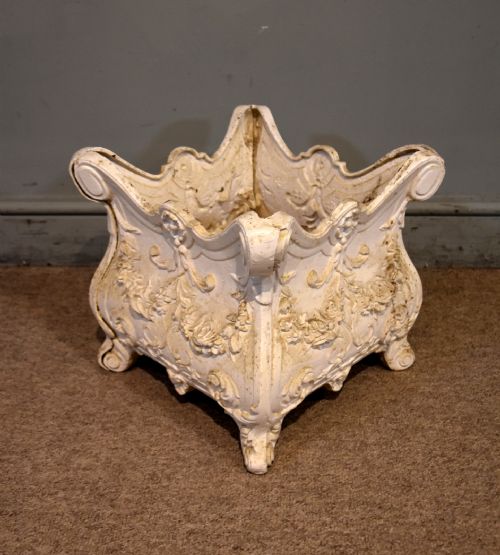
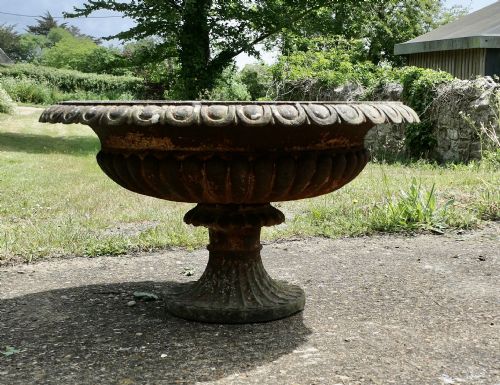
A 19th century garden urn brings formal classical proportion to outdoor spaces through sculptural form and generous planting bowls. These vessels appear primarily as substantial garden urns and planters designed to hold seasonal flora upon terraces or lawns.
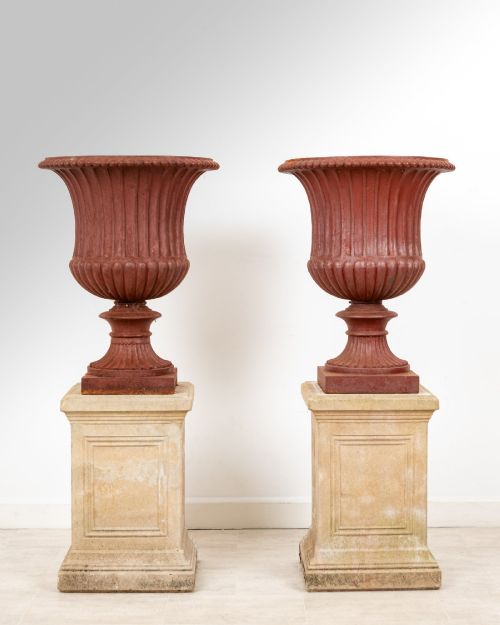
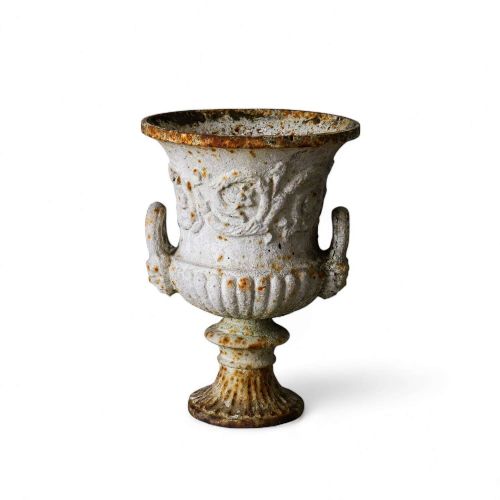
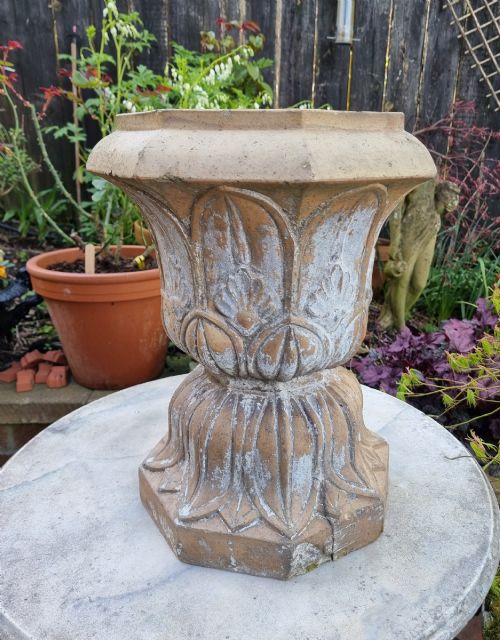
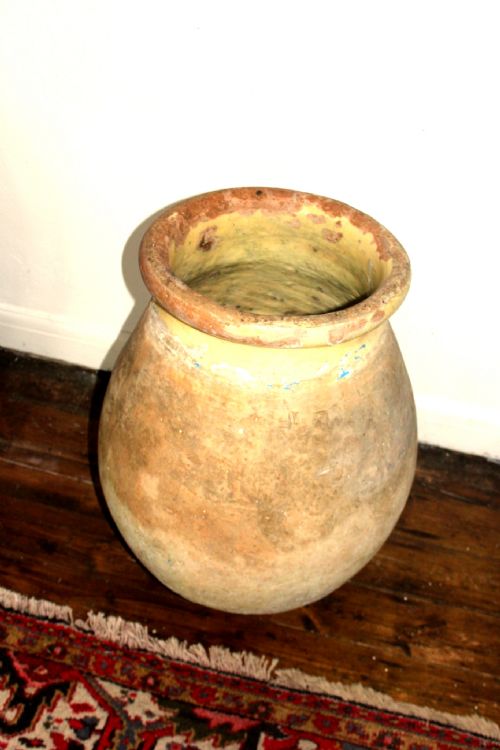
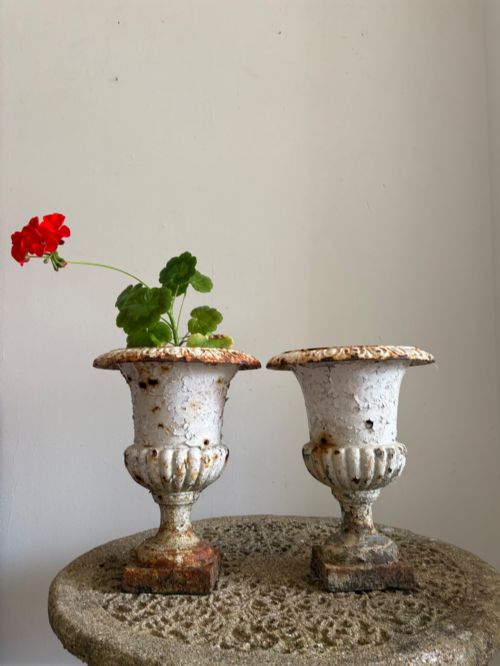
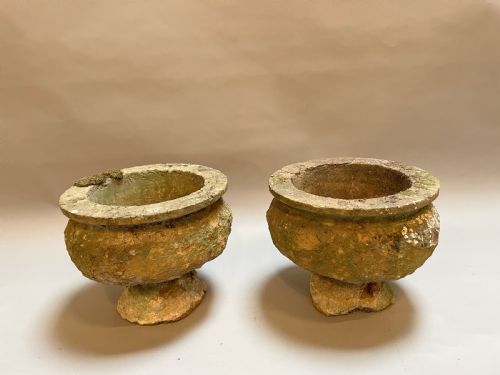
The most frequent form met here is the cast iron campana shape, often standing on dedicated pedestals or bases. Terracotta examples also surface, occasionally featuring moulded details such as carved heads on handles or glazed finishes.
Victorian and Victorian Classical Revival styles dominate these examples, reflecting a nineteenth century appetite for antiquity in domestic grounds. Pieces emerge singly, in pairs, or occasionally as trios suited to symmetrical garden layouts.
How They Were Made
Foundries produced the metal vessels by pouring molten iron into sand moulds to create thick, rigid walls. This casting technique allowed makers to achieve crisp classical profiles and deep relief ornament that withstood decades of outdoor exposure.
Terracotta versions relied on shaped clay fired in kilns, sometimes receiving a surface glaze for weather resistance. Iron components frequently carry layers of historic paint over weathered metal surfaces.
19th Century Garden Urn Retail Price Guide 2026
Typical asking prices for 19th century garden urn among the pieces listed under this phrase on Sellingantiques today, from the lower quarter to the upper quarter. They describe what is for sale here now, not the wider market.
Some terracotta examples wear their history quite literally, featuring small carved heads on the handles to watch over the petunias.
What Varies in Quality
Differentiation lies in the crispness of the casting and the ambition of the classical ornamentation. Urns bearing specific foundry attributions or sculptural handles demonstrate superior workmanship compared to plain utility vessels.
Proportion and scale dictate visual impact, with taller examples on matching stands commanding greater presence in a landscape. The survival of original pairing and intact surfaces further distinguishes the finer specimens.
Andrew Handyside
The 19th Century Garden Urn Glossary
- Campana
- A bell-shaped vessel with an everted rim and a tapering body common in classical garden ornamentation. This silhouette forms the profile for many iron and terracotta pieces.
- Jardiniere
- An ornamental pot or receptacle designed specifically for holding plants and flowers. These objects serve the same decorative function as traditional urns.
- Terracotta
- Fired unglazed or glazed clay possessing a characteristic reddish-brown earth tone. It provides a porous medium suited to garden planters.
- Victorian
- The period spanning the reign of Queen Victoria from eighteen thirty-seven to nineteen zero one. Most listed items date from the middle or later decades of this era.
- Cast iron
- An iron-carbon alloy poured into moulds to shape heavy architectural and garden ornaments. It offers structural rigidity for large outdoor urns.
19th Century Garden Urn: Frequently Asked Questions
Can I leave cast iron urns outside all winter?
Cast iron withstands frost and low temperatures well, making year-round outdoor positioning standard practice for these heavy vessels. Their robust metal construction resists typical winter weather without requiring indoor storage.
Ensure that drainage holes remain clear so accumulated water does not freeze and expand inside the bowl. Raising the base slightly off the ground also prevents moisture retention against the bottom.
How do I plant a heavy garden urn?
Fill the lower section with broken crocks or lightweight material to improve drainage and reduce total weight before adding compost. This layer prevents soil compaction and allows excess moisture to escape freely from the base.
Position the urn in its permanent location before planting, as filled vessels become exceptionally heavy to move. Select trailing plants that cascade gracefully over the everted rim of campana shapes.
What is the difference between cast iron and terracotta?
Cast iron provides industrial strength and a dark metallic surface that often develops layers of weathered paint over time. Terracotta offers a porous, earthy ceramic body that breathes and acquires a natural patina through weathering.
Iron vessels typically display sharper classical mouldings from foundry work, whereas terracotta relies on fired clay modelling. Both materials suit formal garden settings but age through different chemical processes.
How do I identify a Victorian Classical Revival style?
Victorian Classical Revival designs draw direct inspiration from ancient Greek and Roman architecture, featuring formal symmetry and traditional motifs. Pieces often incorporate architectural elements like fluted bodies, egg-and-dart rims, and bold handles.
This aesthetic reflects nineteenth century enthusiasm for antiquity translated into durable materials for domestic landscaping. The resulting urns combine archaeological forms with robust manufacturing techniques.