


19th Century French Upholstery
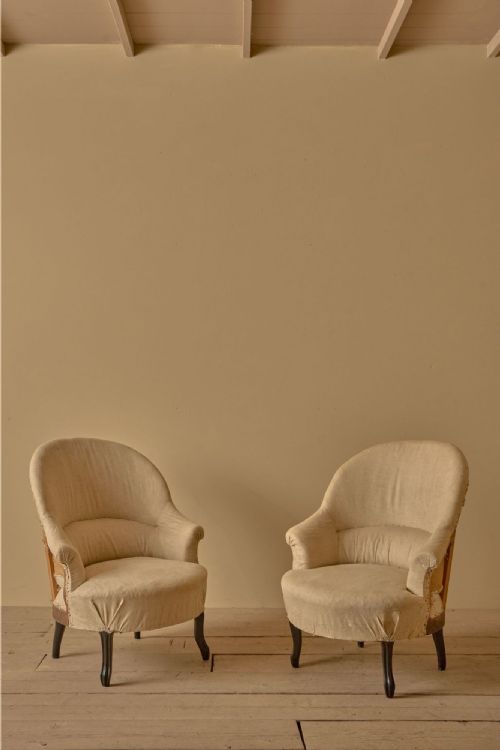
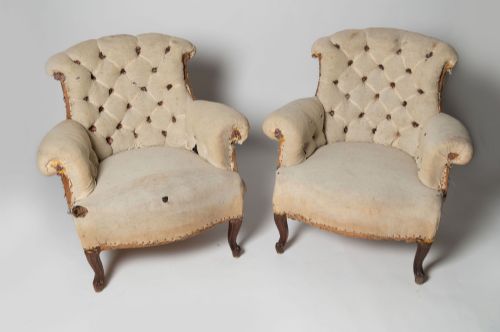
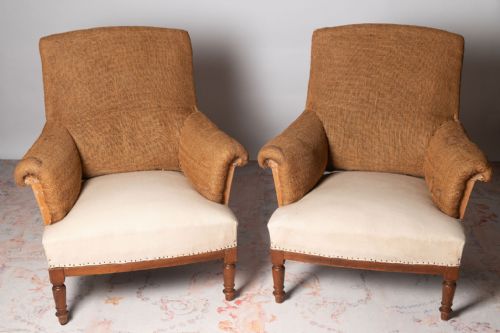
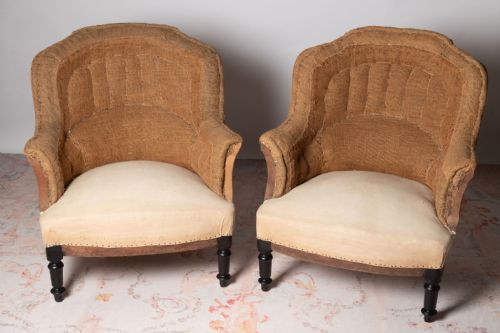
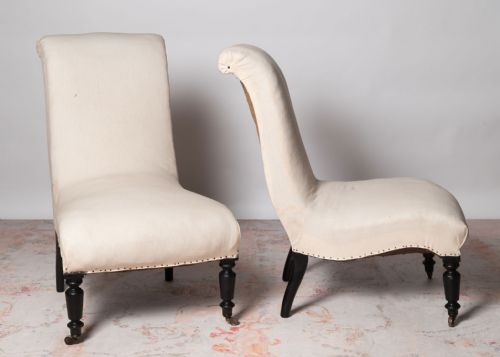
These 19th century french upholstery pieces combine period carved frames with traditional fabric coverings, offering authentic seating for period interiors.
19th Century French Upholstery
Buyers seeking 19th century french upholstery encounter a diverse selection of seating forms, including armchairs, settees, daybeds, and salon suites. The majority of these pieces originate from the nineteenth century, spanning periods such as the Victorian era and the Napoleon III reign.
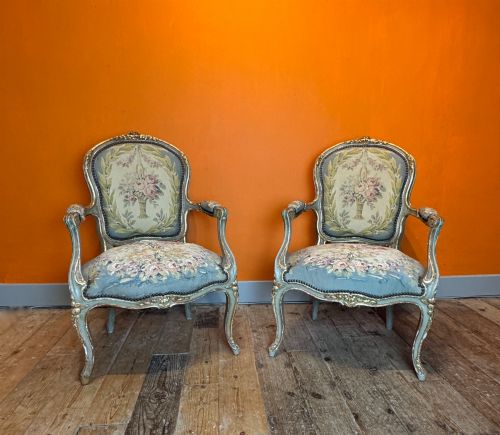
The most common formats on this page are pairs of armchairs and larger sofas, often described as canapés or salon chairs. These items frequently display revival styles, notably Rococo Revival, Louis XV Revival, and Louis XVI taste.
Alongside complete seating, listings also incorporate related decorative textiles such as tapestry panels. Many frames appear either with their original needlework or offered with reupholstery included in the sale.
Materials and construction methods
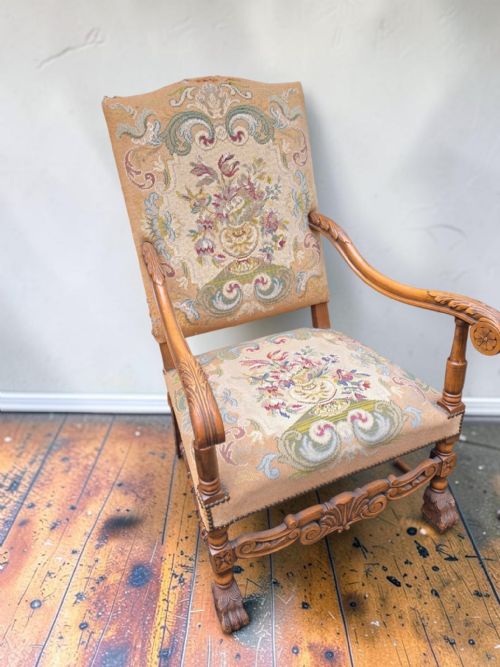
Frames are constructed from sturdy timbers, predominantly walnut, beech, and giltwood, alongside painted and parcel gilt surfaces. Carved woodwork defines the structural integrity of these seats, showing intricate detailing across various revival styles.
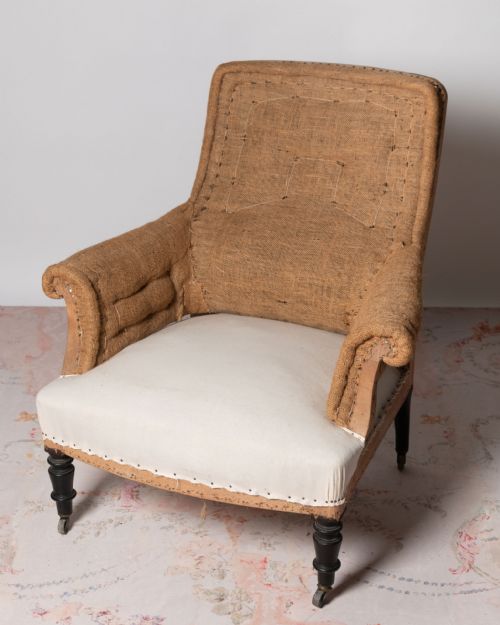
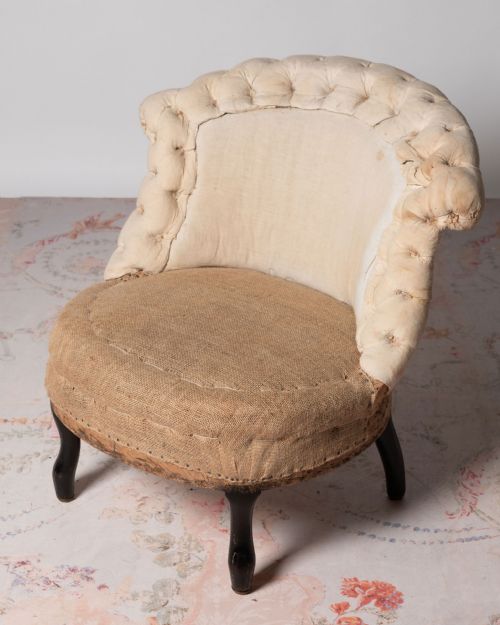
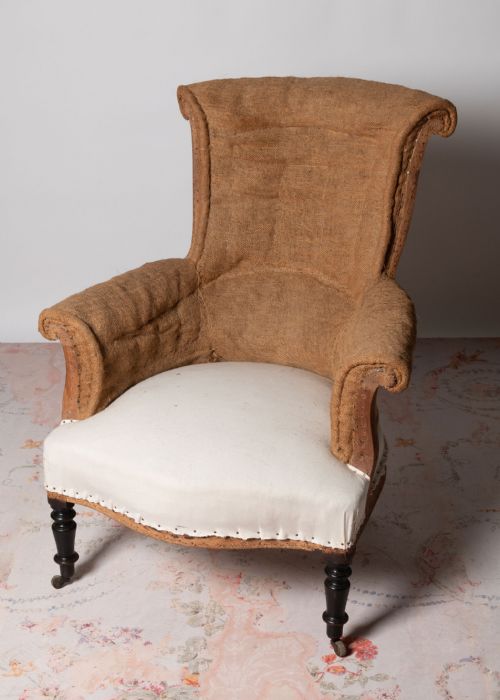
Underpinning and covering materials recorded in the listings include hessian, calico, and linen. Upholstery techniques combine these foundational fabrics with surface coverings of velvet, tapestry, and original needlework, secured with brass elements.
Listings feature walnut, beech, and giltwood frames covered in hessian, calico, linen, velvet, and tapestry.
Distinctions in quality
The standard of carving across the wooden frames marks a primary distinction between items, with deeply hand-carved walnut and giltwood representing finer craftsmanship. Painted and parcel gilt finishes also exhibit varying degrees of decorative depth and preservation.
The integrity and authenticity of the textile coverings separate standard examples from finer salon pieces. Original needlework, Aubusson tapestry, and matched salon suites indicate higher-tier production compared to frames requiring complete reupholstery.
The 19th Century French Upholstery Glossary
- Fauteuil
- An open-armed upholstered armchair with exposed wooden sides, typical of French seating design. These chairs usually feature carved frames and padded armrests.
- Canapé
- A traditional French sofa or settee, often designed to match a suite of salon chairs. They share the carved wooden rails and upholstered backs characteristic of the period.
- Duchess Brisee
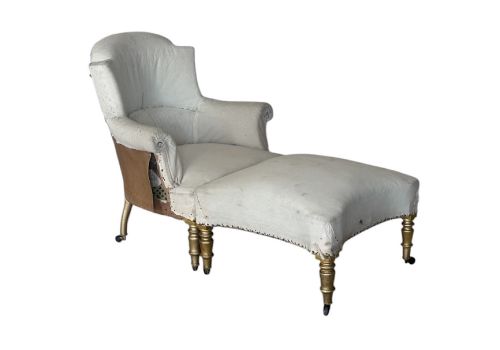
- A chaise longue split into two or three parts, comprising an armchair and an ottoman or footstool. This form allows for extended reclining.
- Aubusson
- A style of tapestry traditionally woven in the French town of the same name, frequently utilised for upholstery on high-end salon suites. These textiles depict pictorial or floral designs.
- Parcel Gilt
- A decoration technique where portions of a wooden frame are selectively gilded with gold leaf while other areas are painted or left as exposed wood.
19th Century French Upholstery: Frequently Asked Questions
What styles are common in these seats?
The pieces draw heavily on historical French aesthetics, with Rococo Revival and Louis XV or Louis XVI taste dominating the aesthetic vocabulary. Carved details and giltwood finishes reflect these classical design revivals.
Makers and craftsmen of the nineteenth century adapted these earlier royal motifs for Victorian and Napoleon III salons, creating ornate seating for formal reception rooms.
Do these pieces come reupholstered?
Some items retain their original tapestry, needlework, or velvet upholstery from the nineteenth century. Other listings note that reupholstery is included in the purchase, allowing buyers to select new fabric.
Frames sold with original textiles offer historical authenticity, whereas those offered with reupholstery service let owners adapt the piece to modern interiors.
What woods were used for the frames?
Makers utilised hardwoods such as walnut and beech to construct the load-bearing structures of these chairs and sofas. Giltwood and painted finishes were then applied over the timber.
Walnut provides a dark, rich foundation for carved details, while giltwood offers a bright, reflective surface suited to formal nineteenth-century drawing rooms.