

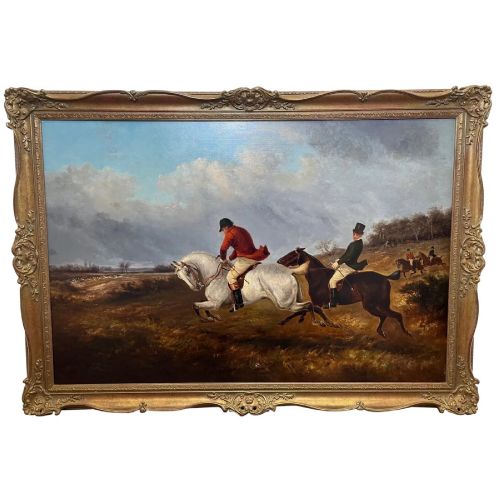
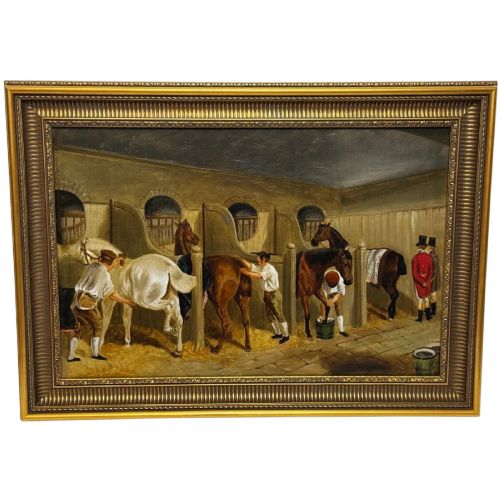
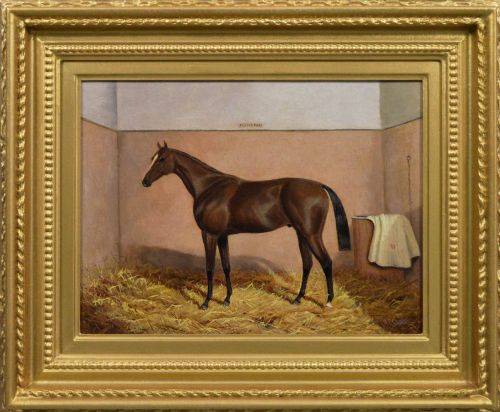
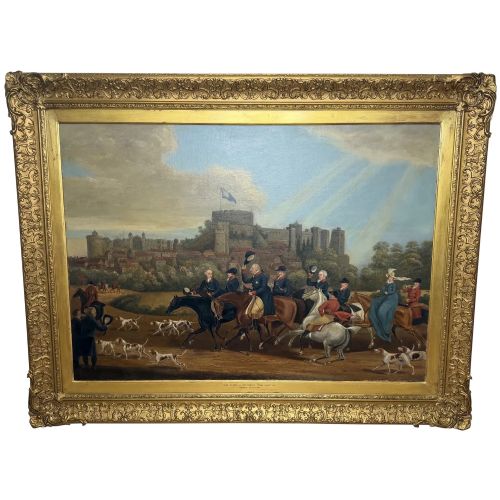


19th Century Fox Art
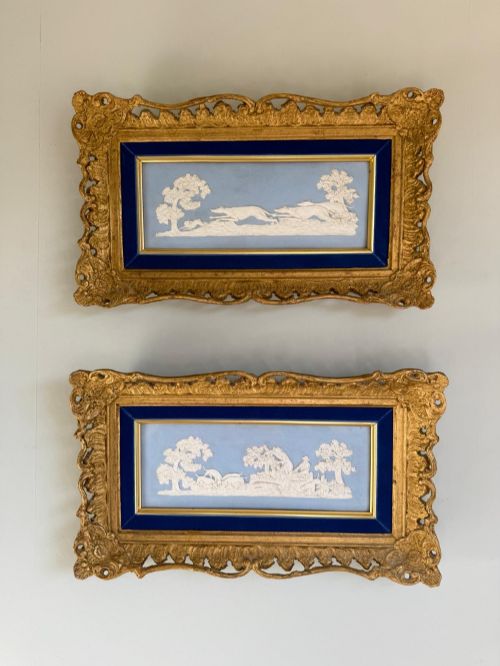
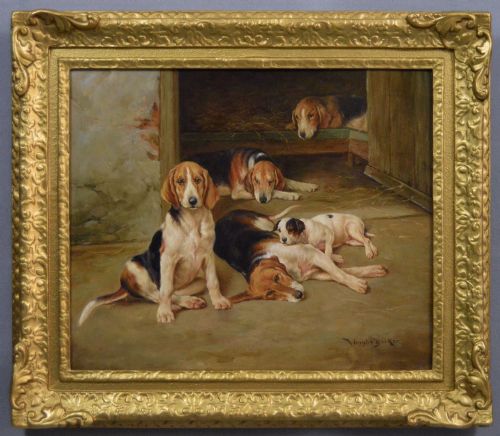
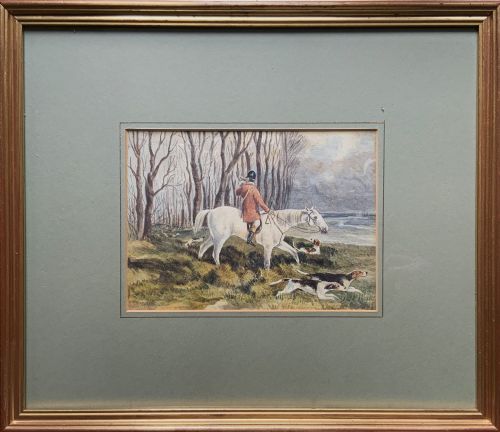
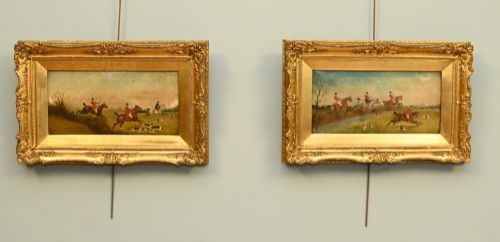
These 19th century fox art pieces capture the drama of the hunt and equine portraits, offering a glimpse into historical sporting life.
19th Century Fox Art
When searching for 19th century fox art, buyers encounter oil paintings, watercolours, and coloured engravings depicting the hunt, hounds, and countryside scenes. The selection spans the Georgian, Victorian, and later periods, capturing both dynamic chases and quiet rural moments.
Most pieces on this page are oil paintings on canvas or wood panels, alongside watercolours on paper. Subjects range from large-scale hunting scenes by named artists to detailed studies of horses, hounds, and individual foxes set within winter landscapes.
Originating largely from the nineteenth century, these works reflect the era's deep fascination with sporting art, rural life, and animal portraiture. Collectors find both expansive canvases detailing the Berkeley Hunt and intimate watercolours of country lanes.
Materials and construction methods
Works are executed primarily in oil on canvas or wood, as well as watercolour on paper, framed in period gilt wood or giltwood moulding. The artists utilised layered oil pigments to build texture in horses' coats and winter snow scenes.
Engravings such as those after Francis Calcroft Turner demonstrate fine printmaking techniques transferred to paper. Supports range from stretched canvas and wooden boards to thick paper sheets housed behind glass.
19th Century Fox Art Retail Price Guide 2026
Typical asking prices for 19th century fox art among the pieces listed under this phrase on Sellingantiques today, from the lower quarter to the upper quarter. They describe what is for sale here now, not the wider market.
Even mid-winter snow hunts could not stop artists from meticulously rendering every single hound's wagging tail.
Distinctions in quality and execution
Quality rests upon the artist's ability to render animal anatomy accurately, particularly the muscular tension of galloping horses and the alert posture of hunting hounds. Weaker works show stiff figures and static compositions, whereas superior pieces convey genuine movement and atmospheric depth.
The preservation of the original surface, pigment stability, and the condition of the period gilt frame significantly influence the standing of a piece. Finer works maintain crisp detail in the background landscape alongside expressive brushwork in the central figures.
Thomas Smythe·Albert Clark·George Armfield·Charles Faulkner·Fannie moody·John Frederick Herring Jnr·Henry Charles Fox·Guillaume Urban Régamey·George Goodwin Kilburne·William J Hodgson·Charles Hunt·Francis Calcroft Turner·Frank Dadd Ri·Edward B Herberte
The 19th Century Fox Art Glossary
- Giltwood
- Wood carved and covered with a thin layer of gold leaf, commonly found on nineteenth-century picture frames.
- Oil on Canvas
- Pigment mixed with drying oil applied to a woven fabric stretched across a wooden frame.
- Watercolour
- Paint consisting of transparent pigment suspended in a water-based solution, applied to paper.
- Sporting Art
- Genre of painting and printmaking depicting blood sports, racing, and animals in rural settings.
- Engraving
- Printmaking method where an image is incised into a metal plate to hold ink for transfer.
19th Century Fox Art: Frequently Asked Questions
What subjects appear in nineteenth-century fox art?
The works depict mounted huntsmen, packs of hounds on the scent, racehorses, and rural landscapes. Scenes often capture specific moments from the chase, such as the meet or the final pursuit.
Animals feature prominently, with artists painting individual portraits of famous horses, hunting dogs, and foxes in snowy or woodland settings.
How do oil paintings differ from watercolours here?
Oil paintings utilise thick pigments on canvas, wood panels, or board, offering rich colour depth and textured brushwork. They were typically designed for prominent display in large reception rooms.
Watercolours employ translucent washes on paper, resulting in a lighter and more delicate finish. These pieces were often mounted under glass and suited for smaller domestic spaces.
Where were these sporting artworks originally displayed?
Nineteenth-century sporting pieces commonly hung in country houses, estate libraries, and sporting lodges. They served to celebrate rural pursuits and document prized hunting animals and horses.
Today, they suit traditional studies, hallways, or living rooms where period equestrian themes complement historic interiors.
How can I identify the period of a piece?
Dating relies upon stylistic markers, artist signatures, and framing materials characteristic of the nineteenth century. Details such as clothing styles and the build of the horses help narrow the execution date.
Inscriptions on the reverse or contemporary documentation often record specific hunts, dates, or the names of the depicted animals and subjects.