






19th Century Folding Armchair
A 19th century folding armchair offers portable comfort shaped by global influences, from campaign travel to Victorian drawing rooms.
19th Century Folding Armchair
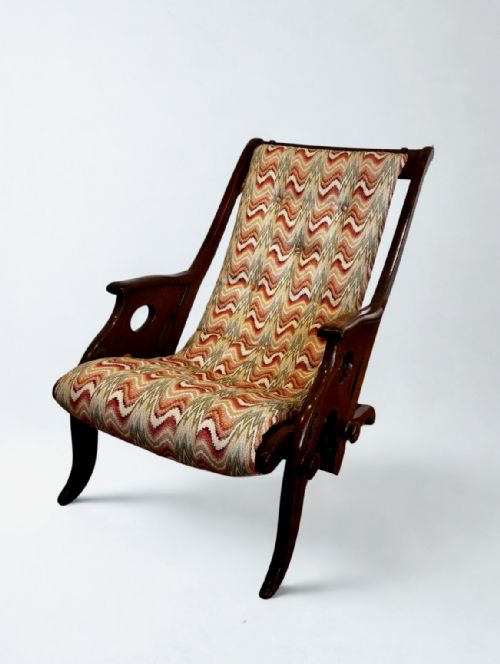
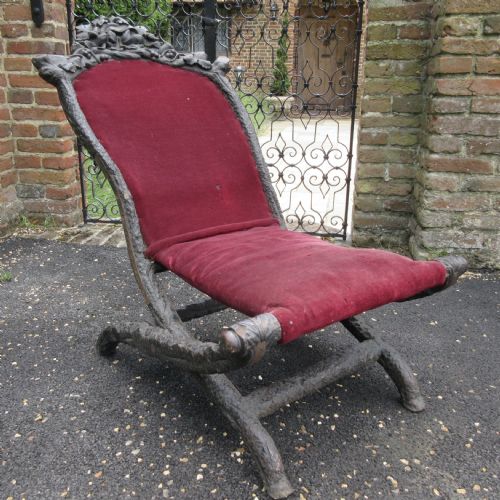
A 19th century folding armchair combines ingenious X-frame mechanics with portable seating requirements, serving travellers, officers, and fashionable interiors alike. These pieces range from utilitarian campaign equipment designed for easy packing to highly decorative continental salon chairs.
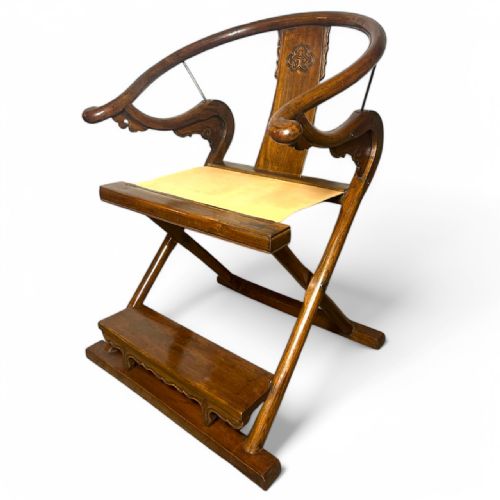
The selections available here draw from diverse stylistic traditions, including Victorian, Arts and Crafts, and Louis Philippe designs alongside intricate Middle Eastern and Qing Dynasty forms. Buyers frequently encounter variants such as the Glastonbury chair, campaign models, and horseshoe-back thrones.
Originating across Europe, Asia, and the Middle East, these chairs reflect regional craftsmanship and varied domestic functions. Whether intended for military expeditions or stately display, each piece utilises folding or X-frame geometry for adaptable living spaces.
Materials and construction
Makers utilised dense timbers such as walnut, oak, rosewood, and exotic hardwoods to ensure structural integrity in folding frames. These timbers frequently underwent intricate carving, piercing, and fluting to elevate the visual weight of portable furniture.
Surface ornamentation often incorporates inlaid bone, mother-of-pearl, and brass fittings, particularly within Middle Eastern and European regional styles. Upholstery choices span from simple leather and durable textiles to rich velvet.
Periods represented span the Victorian era, Arts and Crafts movement, and Qing Dynasty.
Assessing craftsmanship and execution
Quality rests primarily in the precision of the X-frame hinge mechanism and how smoothly the chair transitions between folded and upright states. Superior examples maintain structural rigidity and alignment without excessive play in the joints.
The depth and crispness of carved wooden details, along with the fineness of bone or nacre inlay, separate standard production from master workshops. Selection of dense, well-figured timber further distinguishes the finest items.
J. Herbert McNair
The 19th Century Folding Armchair Glossary
- X-frame
- A structural form utilising two intersecting members that pivot to allow the chair to collapse. This ancient geometry provides both stability and portability.
- Campaign chair
- Portable furniture constructed for military officers or travellers on expedition. These pieces often feature dismantling or folding properties for transit.
- Glastonbury chair
- A traditional ecclesiastical armchair design characterised by a pointed back and folding X-frame base. It draws inspiration from medieval English church furniture.
- Horseshoe-back
- A curved crest rail sweeping forward to form the armrests in traditional Chinese seating. This ergonomic contour supports the upper body.
- Nacre
- An iridescent internal layer of mollusc shells, commonly referred to as mother-of-pearl. Craftsmen slice it into thin geometric plaques for intricate wood inlay.
19th Century Folding Armchair: Frequently Asked Questions
How do I fold a 19th century folding armchair?
Most campaign and X-frame chairs rely on pivoting wooden pivots or sliding metal hinges that require the seat to be lifted or removed first. Gently guide the intersecting side frames inward while supporting the weight of the structure to prevent undue stress on old timber.
Avoid forcing any joints that resist movement, as accumulated dust or seasonal wood expansion can bind the mechanism. Careful manipulation preserves the original pivots and pins without risking structural damage.
Were these chairs actually used outdoors?
Many campaign chairs were indeed built for outdoor environments, accompanying officers on military campaigns or wealthy travellers on colonial expeditions. Their folding nature made them practical for temporary encampments and field use.
However, surviving examples with delicate inlays or velvet upholstery were clearly intended for indoor reception rooms and parlours. Context and material usually indicate whether a specific piece saw field duty or domestic display.
How should I clean inlaid bone or mother-of-pearl?
Inlaid surfaces benefit from gentle dusting with a soft, dry brush to prevent debris accumulating in the carved recesses around the shell. Avoid liquid cleaners or excessive moisture, which can loosen historical adhesives and cause the small inlays to detach from the wood.
Occasional application of suitable microcrystalline wax helps protect the surrounding hardwood without harming the delicate nacre or bone elements. Maintaining stable room humidity prevents the timber from shrinking and pinching the inlay.
Can I sit in an antique folding armchair daily?
Occasional seating is usually appropriate for structurally sound pieces, provided the frame mechanism locks securely into place. Users should sit down gently to avoid sudden shock loads on nineteenth-century hinges and seasoned joints.
Pieces featuring fragile ivory, bone, or extensive carved fretwork function better as decorative accents rather than heavy-use seating. Regular inspection of the pivot points ensures safe usage over time.