

19th Century European Art
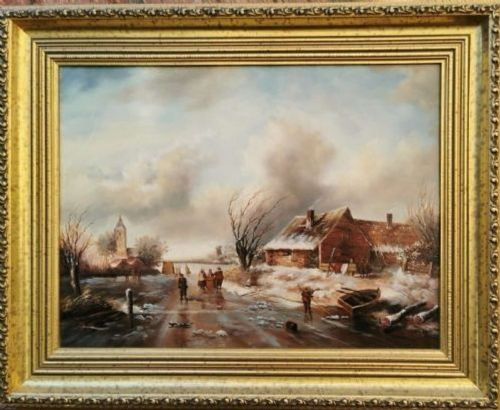
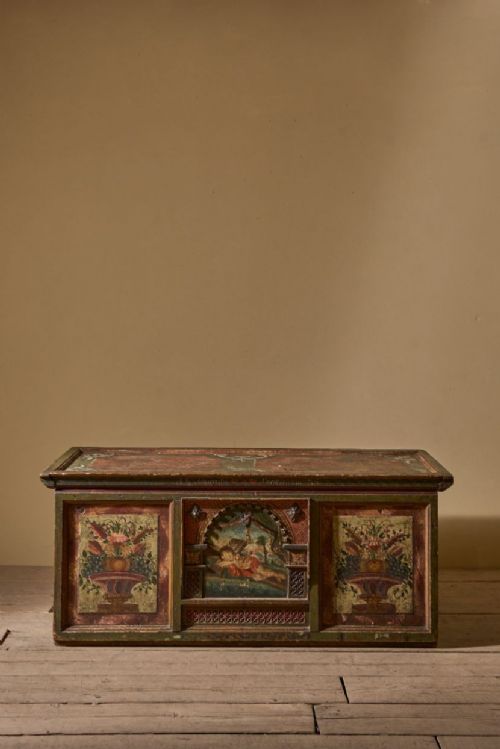
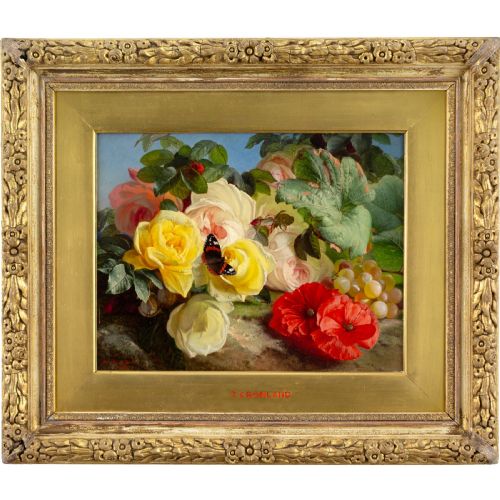
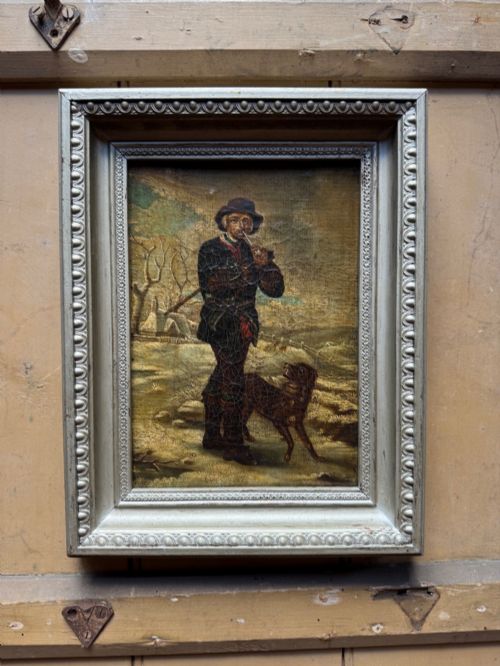
19th century european art brings together oil paintings, folk furniture, and porcelain plaques that capture the varied domestic and landscape traditions of the continent.
19th Century European Art
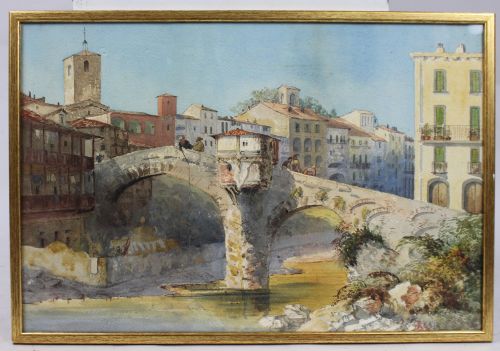
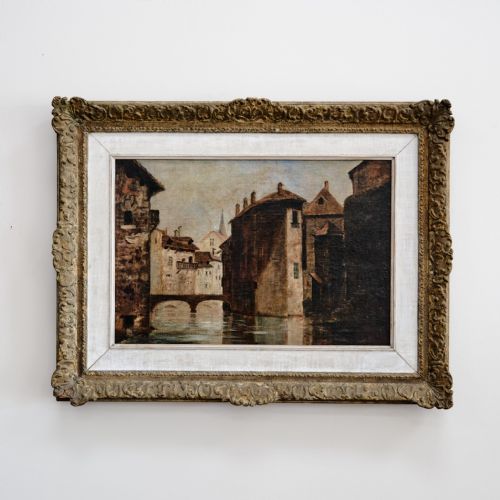
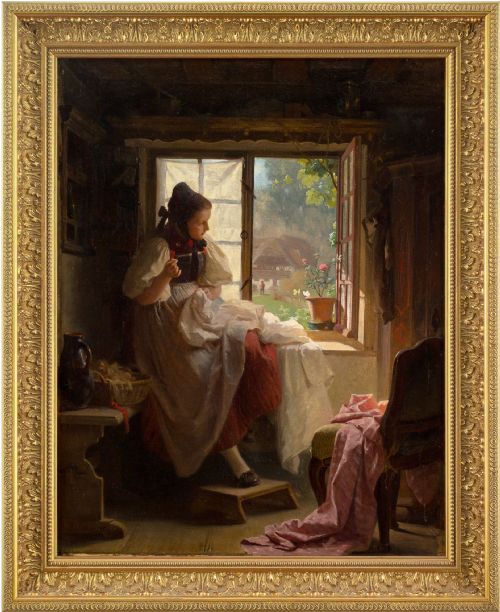
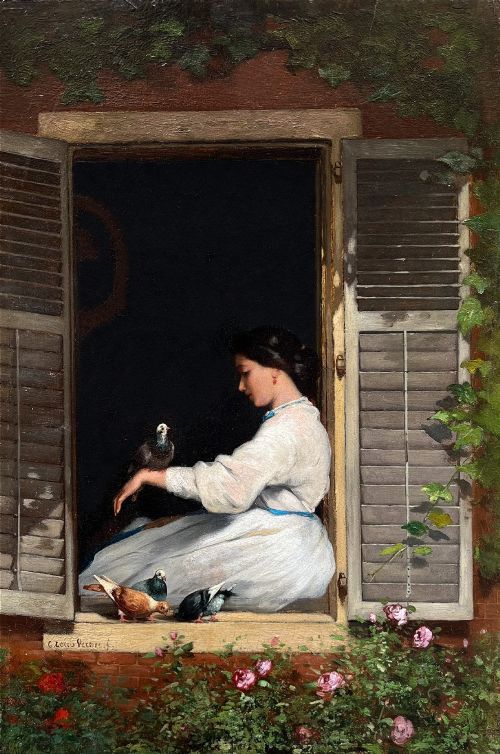
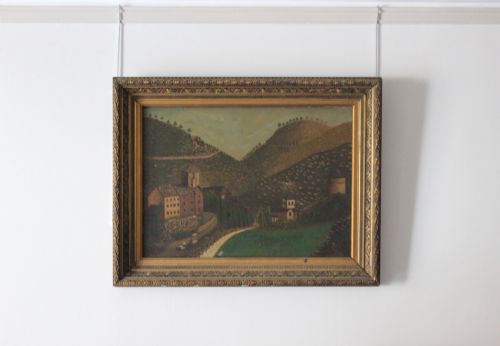
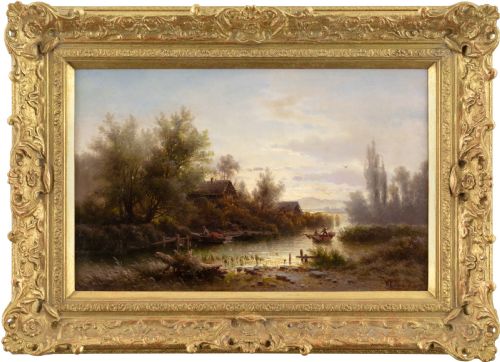
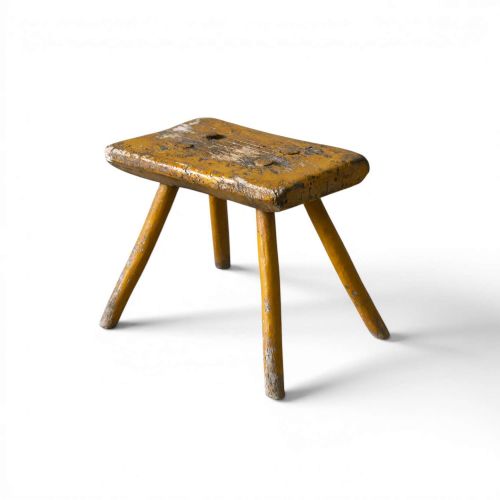
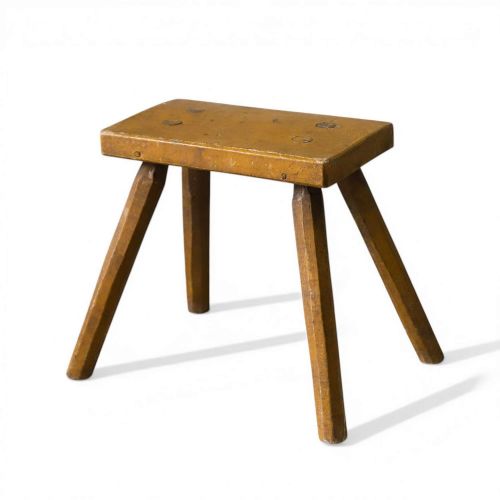
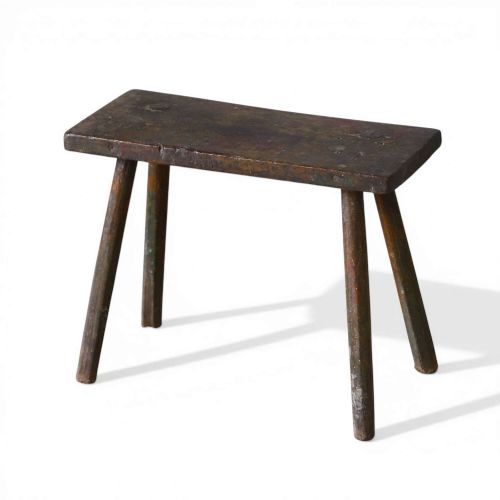
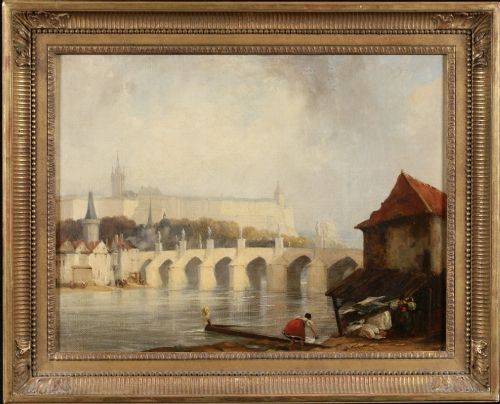
When searching for 19th century european art, collectors encounter a diverse range of objects spanning oil paintings, watercolours, hand-painted porcelain, carved marble, and utilitarian folk pieces such as milking stools and painted chests. The selection on this page leans heavily towards oil paintings on canvas or board, alongside regional landscapes, portraits, and decorative domestic items.
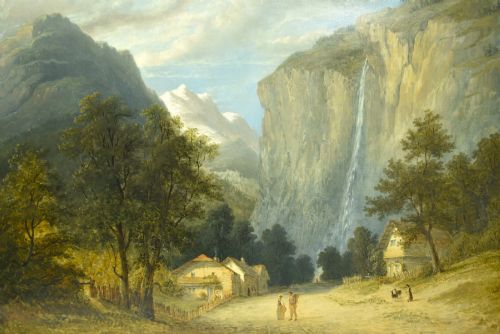
The objects originate from various continental schools and makers, including Austrian, Belgian, Italian, and Eastern European examples. Pieces range from fine academic portraiture and detailed Alpine scenes to rustic painted coffers and simple wooden seating retaining their original pigments.
Materials and construction
Canvas, wood, and oil paint form the foundation of the pictorial works, with artists utilising stretched canvas and wooden panels to build up layered compositions finished with gesso frames and gold leaf. Supporting structures utilise pine, oak, and other native timbers shaped into marriage trunks, milking stools, and small coffers.
Decorative objects incorporate hand-painted porcelain plaques, carved marble, and terracotta pottery like Goldscheider figures. Surface decoration relies on traditional pigment application, original ochre, yellow, and green paints, and detailed brushwork executed by regional schools and named continental artists.
Listings feature oil paintings, watercolours, painted pine chests, milking stools, and porcelain plaques spanning the Victorian period and the late nineteenth century.
Quality and execution
Execution and tonal depth distinguish finer artistic works from simpler decorative pieces, particularly in the rendering of light, facial expression, and spatial perspective within oil paintings. Signed works by documented European masters demonstrate superior draughtsmanship compared to anonymous school pieces.
Material preservation dictates the standing of utilitarian and decorative objects, with pieces retaining their original painted surfaces and uncompromised frames commanding greater interest. The integrity of the underlying canvas, wood, or porcelain plaque without major intervention marks the distinction between standard regional items and exceptional survivals.
Theude Grönland·Max Kaltenmoser·Louis Charles Verwee·Albert Rieger·Frans Gailliard·Frederick Tully Lott·William George Meadows·Hendricus Joseph Dillens·Lewis J Wood
The 19th Century European Art Glossary
- Oil on Canvas
- Pigments bound in a drying oil applied to a woven fabric support stretched across a wooden frame. This medium dominated 19th century studio painting across Europe.
- Gesso
- A plaster mix applied to wood or canvas as a smooth base for gilding or painting. It frequently coats the frames surrounding nineteenth-century canvases.
- Folk Art
- Utilitarian objects and decorative items created by self-taught or provincial makers. Examples include painted pine chests and regional milking stools.
- Tondo
- A circular painting or relief sculpture. This format appears in classical portraiture and religious subjects copied after Renaissance masters.
19th Century European Art: Frequently Asked Questions
What defines 19th century European art?
These pieces comprise a broad spectrum of visual and decorative items created across the continent during the eighteen-hundreds, ranging from academic oil paintings to regional folk objects.
The category encompasses everything from detailed Alpine landscapes and portraiture to painted wooden marriage chests and porcelain plaques.
How do I identify different regional schools?
Regional attribution relies on subject matter, framing styles, inscriptions, and the specific materials utilised by local workshops. Italian and Swiss landscapes often feature distinct topographical landmarks, while Eastern European seating reveals local pigments.
Signatures, stamps, and labels on the reverse of canvases or panels provide direct links to specific academic traditions and makers.
How should I care for oil paintings?
Oil paintings require stable indoor humidity and protection from direct sunlight to prevent canvas slackening and pigment fading. Dusting should be undertaken gently with a soft, dry brush without applying moisture or cleaning agents.
Original frames benefit from minimal intervention to preserve their historic gilding and gesso composition.
Where were painted folk items used?
Painted coffers, milking stools, and marriage trunks served practical domestic functions within rural European households. These utilitarian objects were built from native pine or hardwoods to store linens and provisions or aid in daily farm labour.
Their surviving original paintwork reflects regional aesthetic choices rather than purely decorative studio production.