




19th Century Entomology
These 19th century entomology cabinets and prints are scientific repositories designed to preserve and display natural history specimens.
19th Century Entomology
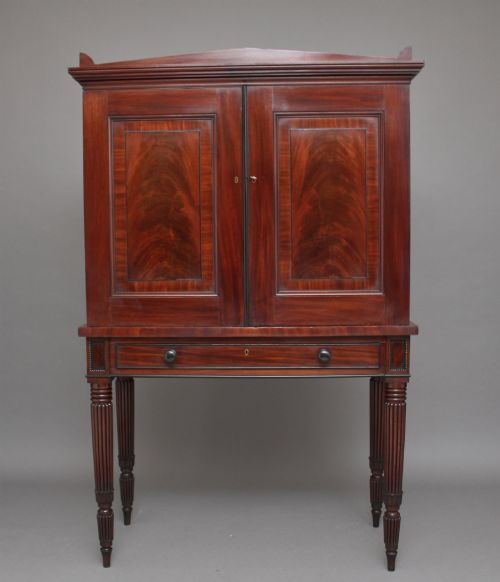
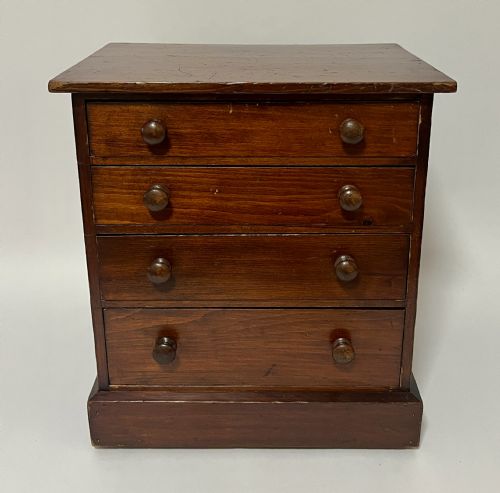
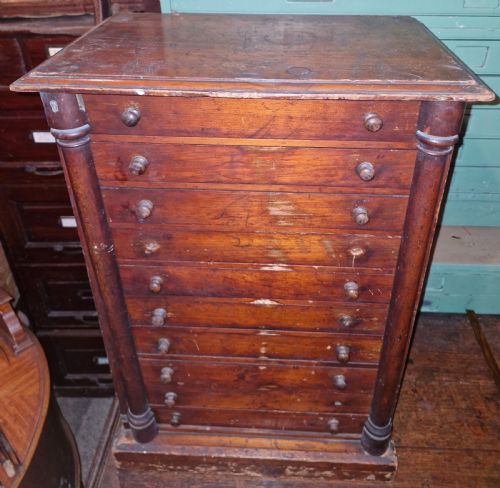
When you search for 19th century entomology, you find specialised storage furniture and framed botanical or insect illustrations created during the Victorian period and earlier. The furniture takes the form of collectors cabinets, specimen chests, and drawer stands built to house delicate specimens.
You are most likely to encounter mahogany, pine, or walnut cabinets featuring multiple shallow drawers designed to protect insects and plants. Alongside these wooden chests, framed engravings and prints by makers such as John Curtis appear frequently on this page.
How they were made
Cabinet makers utilised dense hardwoods such as mahogany, walnut, and oak alongside pine and satin birch to construct robust frames and fitted drawer interiors. Flame mahogany veneer and satinwood surface treatments added decorative grain patterns to the exterior casing.
19th Century Entomology Retail Price Guide 2026
Typical asking prices for 19th century entomology among the pieces listed under this phrase on Sellingantiques today, from the lower quarter to the upper quarter. They describe what is for sale here now, not the wider market.
Materials recorded across current listings include mahogany, glass, pine, walnut, brass, paper, and satin birch.
What varies in quality
The distinction between standard pieces and the finest examples rests on the scale of the cabinetry and the choice of timbers. Cabinets featuring forty drawers in English burr walnut sit at the upper end, whereas smaller stained pine or oak specimen cases represent simpler construction.
The inclusion of documented provenance, specialised interior fittings, and original painted finishes elevates certain cabinets above standard utility pieces.
John Curtis·J.T.Crockett
The 19th Century Entomology Glossary
- Collectors Cabinet
- A piece of furniture containing multiple shallow drawers built specifically for organising natural history specimens. These cabinets ensure safe storage for fragile items.
- Engraving
- An image printed from an engraved plate, commonly seen in botanical and insect series from this era. These works record scientific illustrations of plants and insects.
- Specimen Chest
- A compact wooden chest used for holding scientific samples and collections. These chests provide portable storage for field studies.
- Flame Mahogany
- A wood veneer exhibiting a distinct flame-like grain pattern used on high-grade cabinet exteriors. This decorative treatment enhances the visual depth of the wood.
19th Century Entomology: Frequently Asked Questions
What were collectors cabinets used for?
These cabinets housed scientific collections including insects, botanical specimens, and eggs. The numerous shallow drawers protected fragile items from environmental damage.
Naturalists utilised these pieces to organise and study their specimens systematically.
How do I date a specimen cabinet?
Dating relies on timber selection, drawer construction methods, and prevailing Victorian furniture styles. Pieces from specific decades often feature distinct hardware and wood veneers.
Consulting cabinet dimensions and structural markers helps determine the manufacturing period.
How should I display framed prints?
Framed engravings require placement away from direct sunlight to prevent paper fading. Maintaining stable room humidity protects both the paper and the frame.
Grouping sets of botanical prints together creates a balanced wall display.
What woods are typical for these cabinets?
Makers primarily used mahogany, walnut, oak, and pine for the main carcass and drawers. Satin birch and satinwood frequently appear as secondary or decorative timbers.
Timber choice often reflects the cabinet scale and the builder's workshop.