

19th Century English Mirror
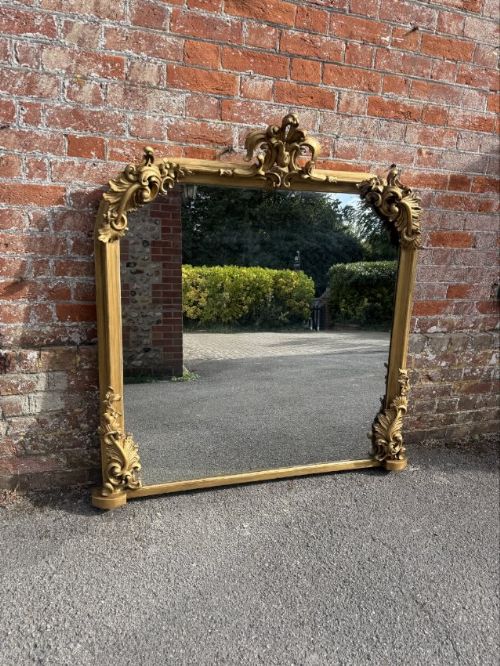
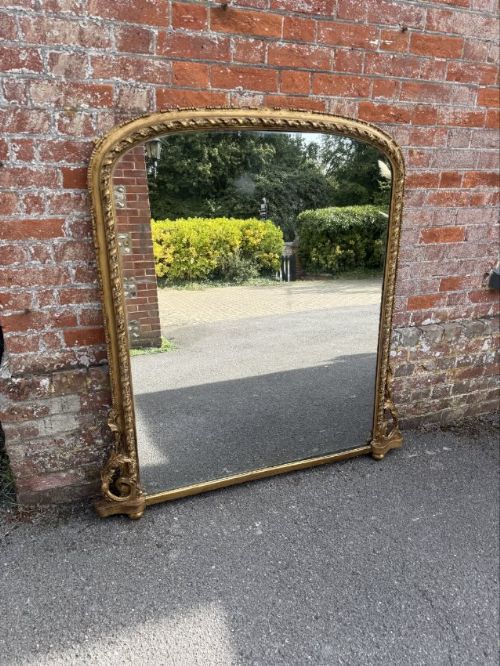
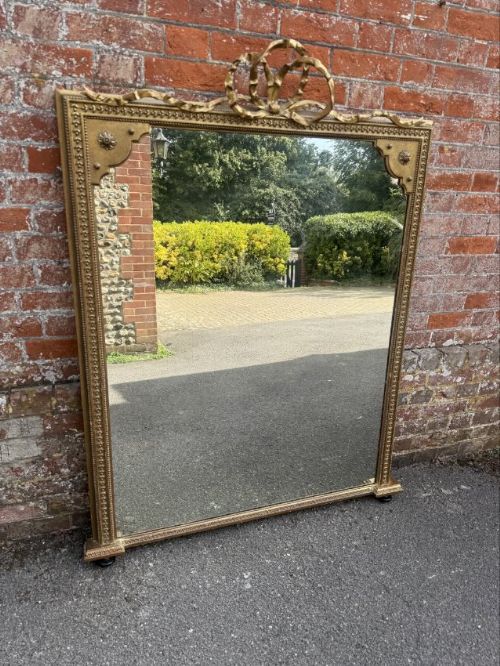
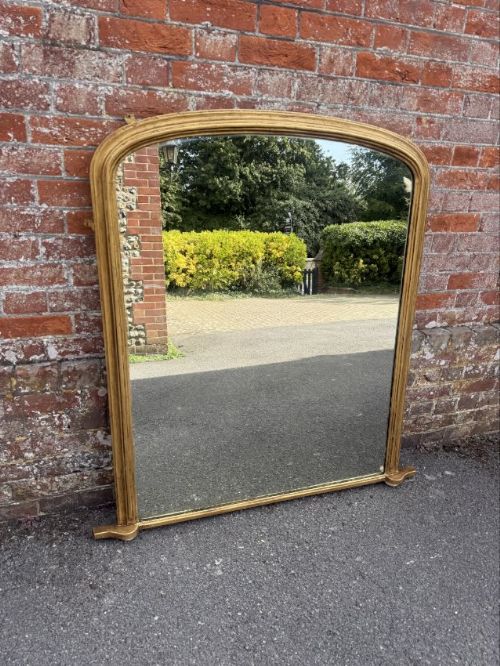
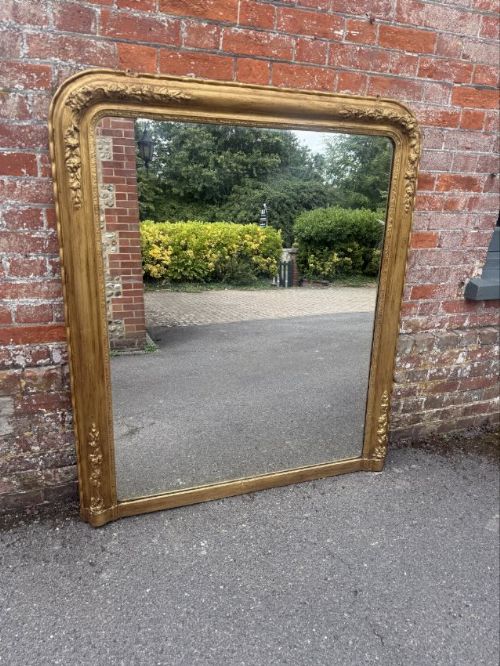
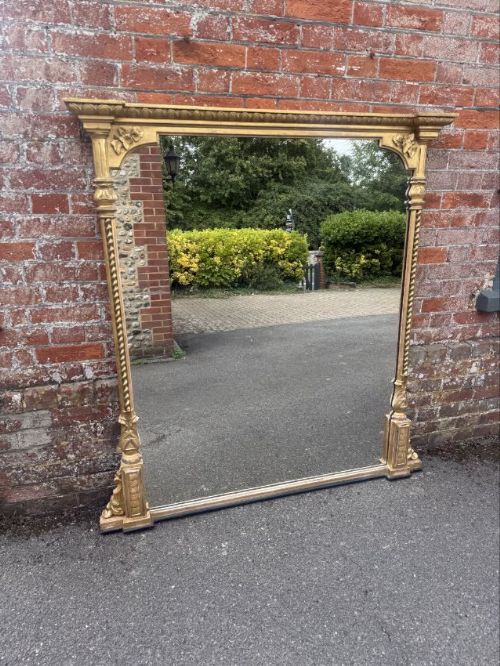
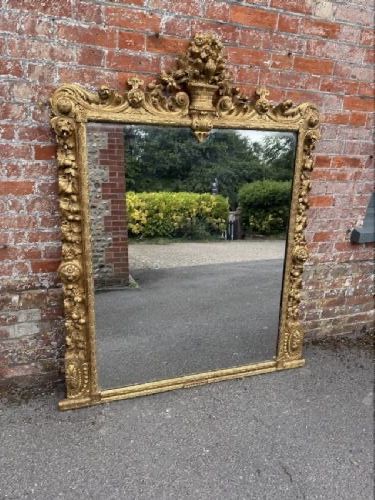
A 19th century english mirror brings monumental scale, luminous gilding and dramatic architectural presence to a period interior.
19th Century English Mirror
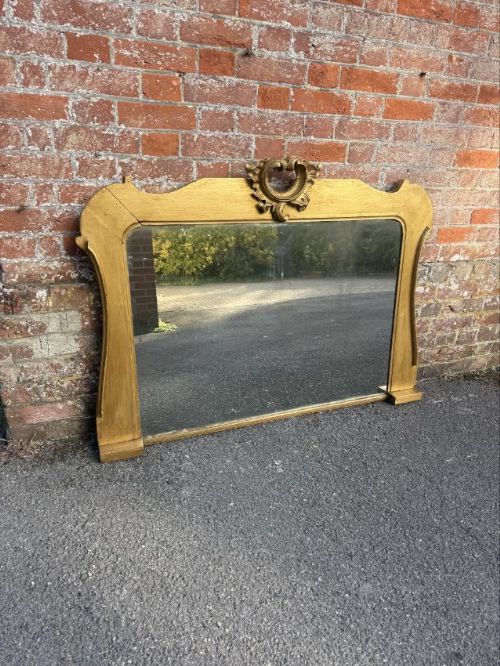
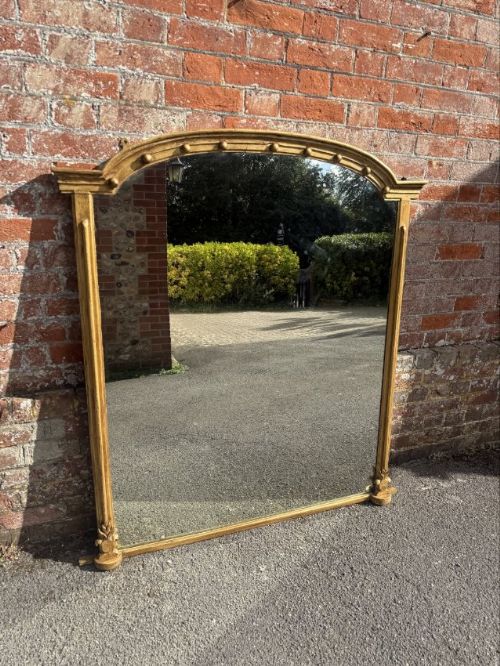
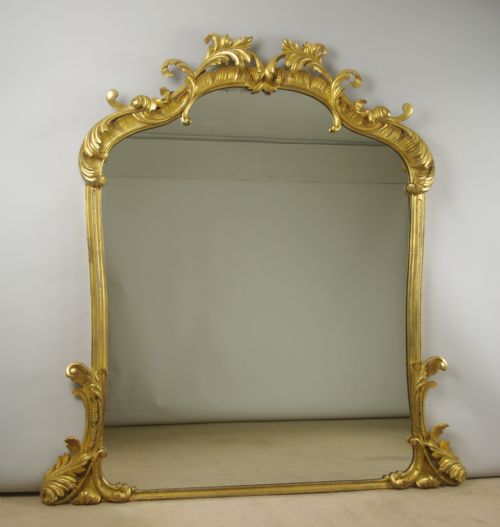
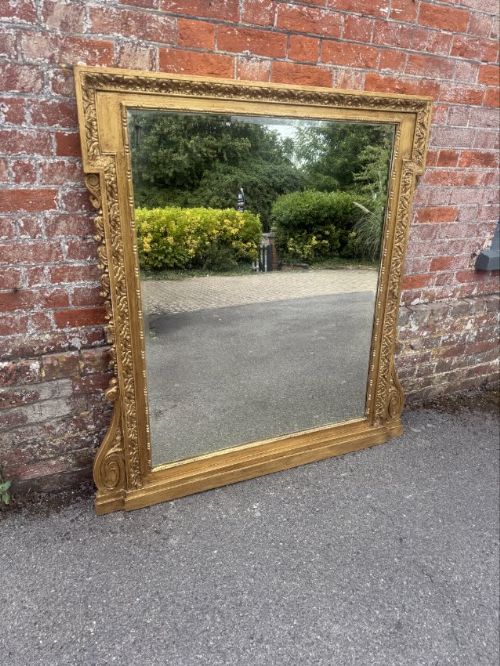
When searching for a 19th century english mirror, buyers primarily encounter large overmantel frames designed to sit above fireplace hearths. These grand architectural objects reflect light deeply into period rooms and establish a strong focal point.
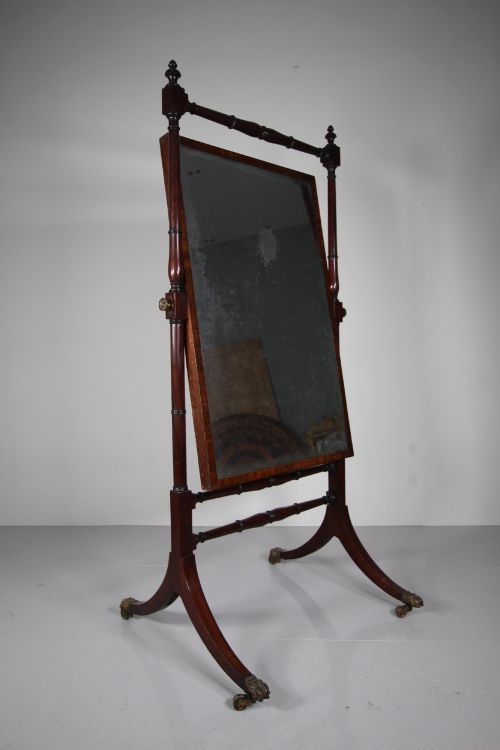
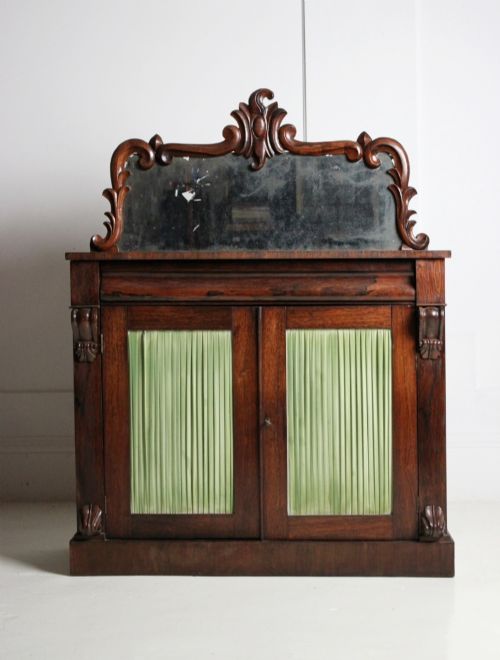
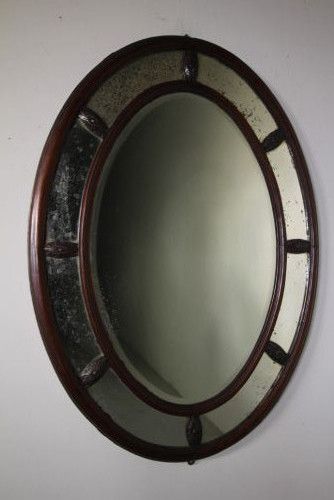
Beyond overmantels, the selection encompasses freestanding cheval mirrors on swiveling stands, pier glasses built for wall spaces between windows, and smaller mahogany or satin birch wall hangings. The predominant aesthetic draws heavily upon Victorian ornamentation and earlier Regency restraint.
Originating largely from English country houses and town residences, these mirrors span decades of domestic evolution from Georgian simplicity to elaborate Victorian Gothic Revival and Chinese Chippendale influences.
How they were made
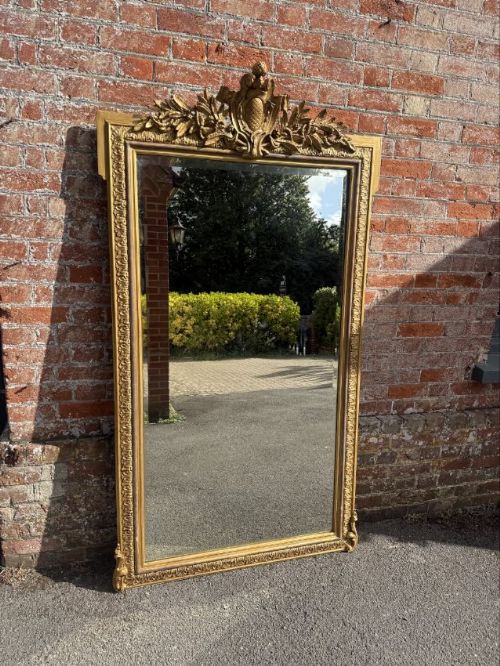
The construction of these frames relies heavily on carved timber substrates built from woods such as oak, mahogany, or pine. Artisans applied layers of gesso over the carved wood to build up relief details before applying gold leaf or oil gilt finishes.
Mirror plates were set within these ornate surrounds, utilising heavy glass that often exhibits natural foxing or mercury backing over long periods. Specialised framing techniques incorporated rope twist, ribbed, or column mouldings to enhance the visual depth.
Listings feature periods spanning Georgian origins through Regency elegance to Victorian arched overmantels, constructed from giltwood, mahogany, and brass.
What varies in quality
Quality diverges significantly in the crispness of the wood carving and the depth of the gesso relief applied beneath the gilding. Superior examples retain their original gold leaf surfaces intact, showing crisp architectural mouldings without heavy restoration or flattening.
The integrity of the original mirror plate dictates much of the desirability, with untouched silvering or characteristic foxing commanding high regard. Structural robustness in the underlying timber frame and original backing boards further distinguish premier items from standard workshop output.
The 19th Century English Mirror Glossary
- Overmantel mirror
- A large horizontal mirror specifically designed to be positioned on the wall directly above a mantelpiece or fireplace. These dominant pieces frequently feature arched tops and elaborate gilt framing.
- Gesso
- A plaster-like material applied to wooden frame bases to provide a smooth surface for carving intricate decorative motifs. Artisans layer this substance thickly before applying gold leaf finishes.
- Giltwood
- Timber that has been coated with a thin layer of gold leaf or gold paint to give the appearance of solid gold. This technique defines the luminous aesthetic of Regency and Victorian frames.
- Cheval mirror
- A full-length freestanding mirror suspended on a vertical frame with pivoting pivots or side supports. These were traditionally utilised in dressing rooms for comprehensive attire viewing.
- Verre eglomise
- A cold decoration technique where design elements are gilded and painted onto the reverse side of glass panels. This method creates a reflective, metallic panel often seen in Regency pier glasses.
19th Century English Mirror: Frequently Asked Questions
How do I hang a heavy overmantel mirror safely?
Due to the substantial weight of carved wood, gesso, and thick glass, these large frames require professional wall anchoring directly into masonry or heavy timber studs. Distributing the load across dedicated mirror brackets ensures the piece remains secure.
Positioning the base firmly onto the mantelpiece shelf itself provides secondary weight support, reducing continuous tension on the wall fixings above.
What causes foxing on antique mirror glass?
Foxing appears as small dark spots or cloudy patches across the glass where the reflective silver or mercury backing has oxidized over decades. Atmospheric moisture and environmental exposure gradually degrade the metallic coating behind the plate.
Many collectors value authentic foxing as proof of genuine age and historical integrity rather than treating the condition as a structural defect.
Where should I place a cheval mirror?
Cheval mirrors function best in bedrooms or dressing areas where their adjustable pivoting frames allow full-length reflection. Placing them perpendicular to windows maximises the natural light bouncing through the space.
Because these freestanding pieces require physical clearance to tilt, ensure the surrounding floor area remains clear of heavy furniture obstructions.
How do I distinguish Regency from Victorian styles?
Regency mirrors typically display restrained Neoclassical elegance, featuring clean architectural lines, verre eglomise panels, and disciplined gilding. The motifs reference classical antiquity with simpler geometric proportions.
Victorian pieces lean toward exuberant decoration, showcasing deep relief carvings, arched tops, and robust rope twist or column surrounds that project a heavier visual weight.