


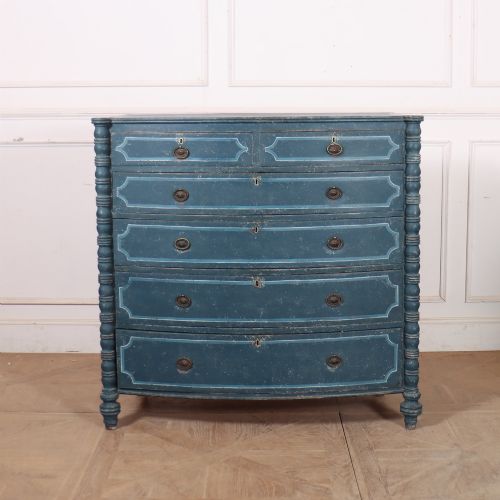


19th Century English Dresser
A 19th century english dresser brings solid timber construction and honest utility into a modern room.
19th Century English Dresser
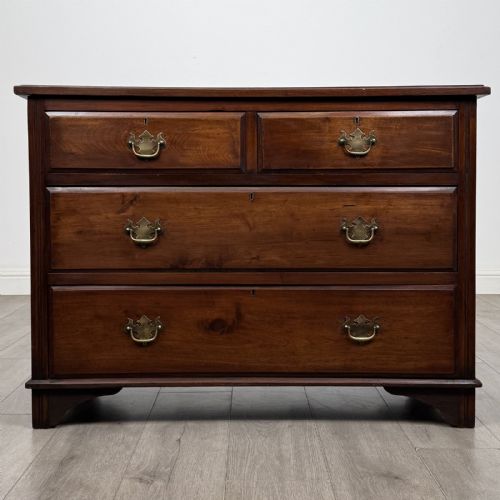
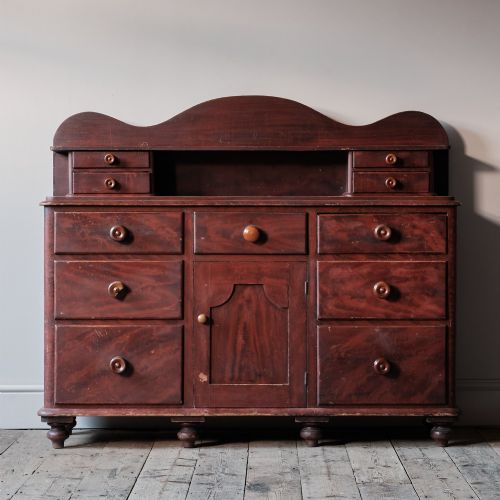
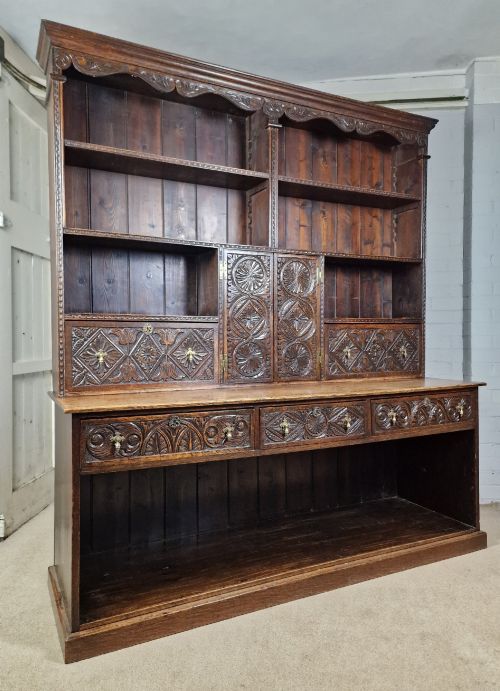
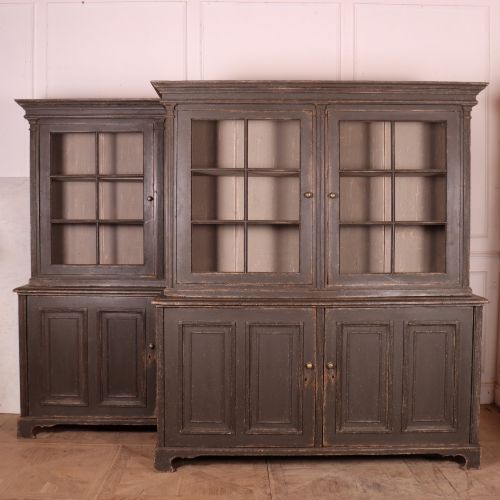
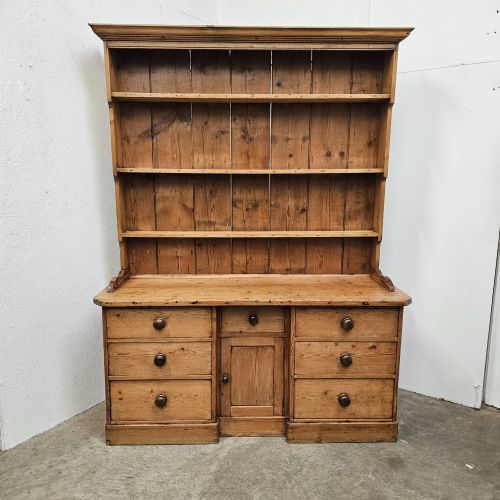
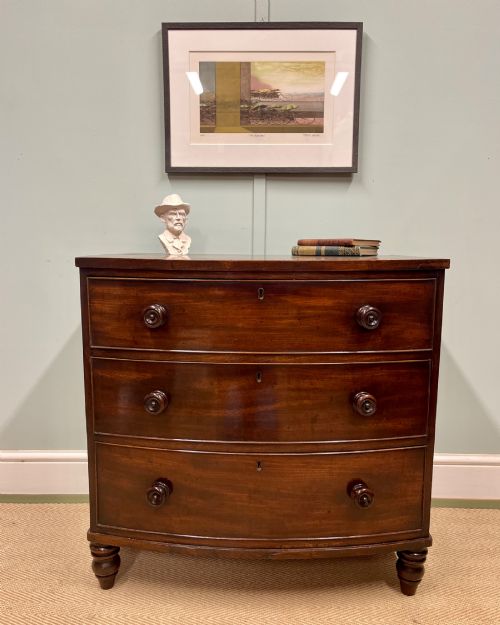
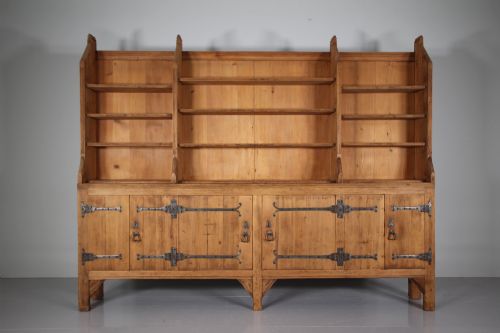
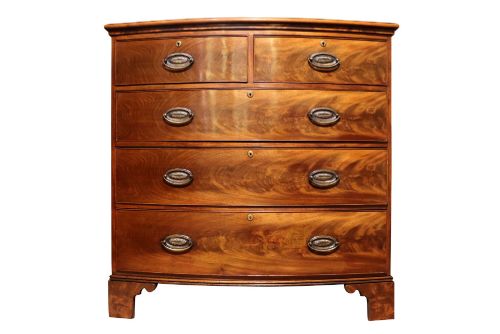
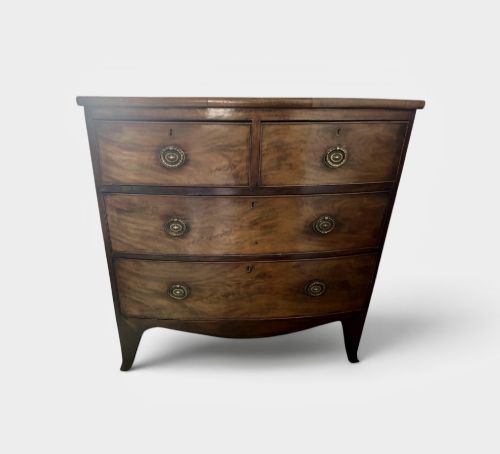
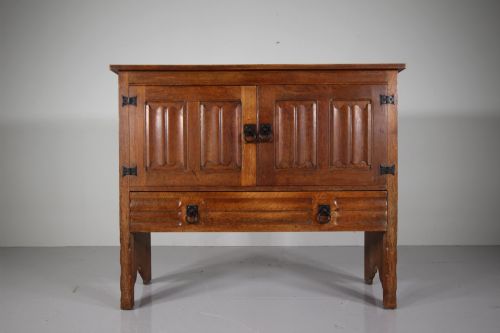
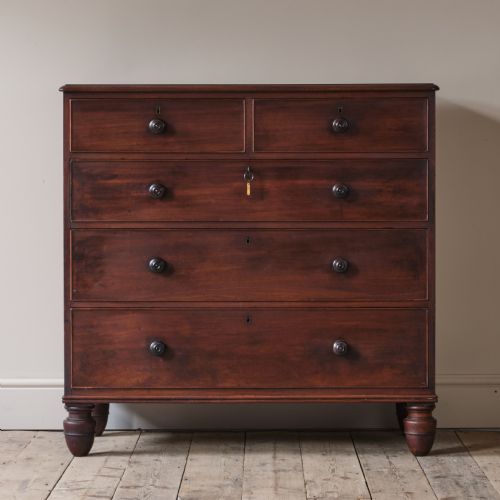
When hunting for a 19th century english dresser, a buyer encounters substantial kitchen and dining furniture built for storage and display. The pieces span regional kitchen dressers with open pot boards, low dresser bases, and related chests of drawers that share the domestic vernacular of the era.
The most common form on this page is the pine kitchen dresser, often found in original paint or waxed finishes, alongside robust oak bases originating from various English counties. These items reflect the domestic routines of Georgian and Victorian households, built to hold crockery and dry goods.
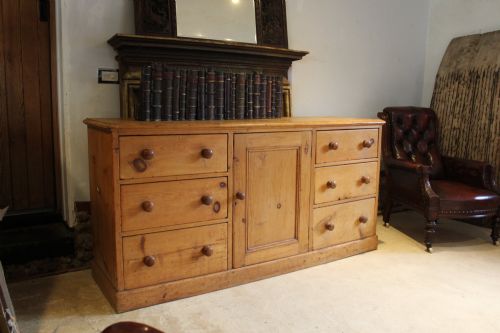
Alongside large kitchen furniture, the records show smaller dresser bases and miniature variants designed with the same proportions. Regional variations appear frequently, notably from the West Country, displaying local preferences in timber selection and construction methods.
Materials and Construction
Makers relied on native timbers, predominantly utilising pine for vernacular kitchen pieces and oak for heavier, formal dresser bases. Mahogany and flame mahogany veneer appear on finer items from the Regency and William IV periods, accented with brass hardware and iron fittings.
Joinery techniques involved sturdy mortise and tenon frames, tongue and groove paneling, and hand-cut dovetails for drawer construction. Surfaces were frequently left in original paint, waxed to protect the wood, or polished to highlight the grain of mahogany and oak.
19th Century English Dresser Retail Price Guide 2026
Typical asking prices for 19th century english dresser among the pieces listed under this phrase on Sellingantiques today, from the lower quarter to the upper quarter. They describe what is for sale here now, not the wider market.
The inventory includes regional variations from the West Country alongside formal Regency and Victorian pieces.
Evaluating Craftsmanship and Preservation
Quality rests in the integrity of the timber and the retention of original surfaces, such as early paint layers or traditional wax finishes. Pieces that retain their original pot boards, back racks, and brass handles command greater respect from collectors.
Construction details distinguish workshop standards, seen in the tightness of dovetail joints and the thickness of secondary woods used in drawer linings. The proportion and scale of the piece, whether a grand kitchen dresser or a small miniature, dictate its architectural success.
T G Seddon·C Hindley·Benhan and Froud
The 19th Century English Dresser Glossary
- Pot Board
- A lower shelf fitted between the legs of a dresser, historically used for storing pots and pans. This platform sits close to the floor and defines traditional vernacular kitchen furniture.
- Dresser Base
- The lower section of a dresser comprising drawers and cupboards without the upper plate rack. These versatile sideboards functioned as independent work tables and storage units.
- Bow Front
- A convex curved cabinet front that projects outward in a smooth arc. This aesthetic gained popularity during the Regency period on chests of drawers and sideboards.
- Tongue and Groove
- A method of fitting boards together where a projecting rib on one edge fits into a corresponding groove on another. This joint provides stability for backboards and paneling.
- Flame Mahogany
- A veneer cut from the fork of a mahogany tree to produce a distinctive flickering flame pattern. Cabinetmakers utilised this highly figured wood on premium Regency and Georgian pieces.
19th Century English Dresser: Frequently Asked Questions
How do I care for a waxed pine finish?
Waxed pine requires gentle cleaning with a soft, dry cloth to remove dust. Avoid modern silicone sprays that damage historic surfaces.
Applying a traditional beeswax polish once or twice a year maintains the moisture and soft sheen of the timber.
Are these dressers suitable for modern kitchens?
These practical pieces offer generous drawer space and surface area that suit contemporary kitchen and dining layouts. Their robust construction handles daily use effortlessly.
Measuring ceiling height and doorway clearance ensures safe delivery, especially for larger vernacular examples.
How do I spot original paint?
Original paint shows natural wear, craquelure, and multiple thin layers applied over decades rather than a flat modern coat. The texture reflects hand-brushing characteristic of the period.
Examining corners and hidden underside areas reveals pigment continuity and historical surface preparation.