





19th Century Drinkware
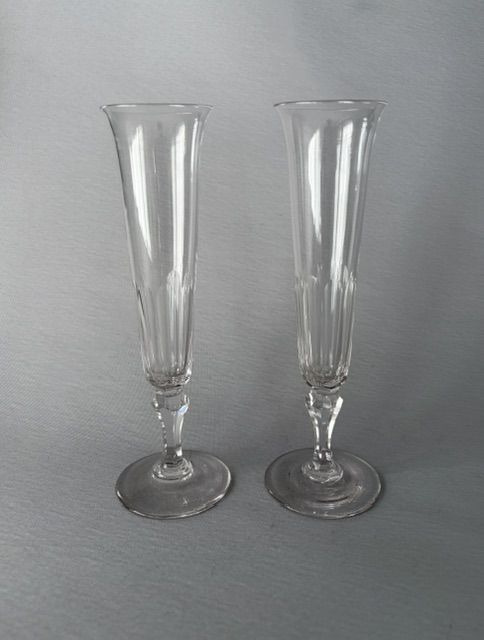
These 19th century drinkware pieces range from heavy cut glass flutes to delicate porcelain beakers, offering an authentic taste of historic hospitality for the modern table.
19th Century Drinkware
When you search for 19th century drinkware, you enter a diverse field spanning Georgian origins through to late Victorian production. The pieces seen here encompass everything from wine glasses and champagne flutes to tankards, punch bowl sets and porcelain beakers.
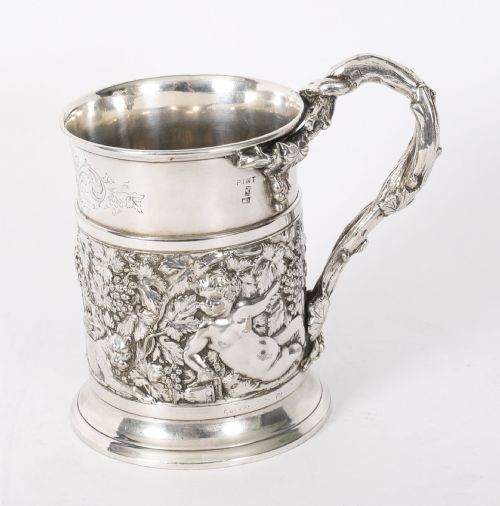
The most common forms you are likely to meet on this page are glassware items, particularly cut glass wine glasses and port glasses, alongside silver plated mugs and ceramic chocolate cups. These items reflect the varied dining and social habits of the Georgian, Regency and Victorian eras.
Materials and construction
Makers utilised lead crystal and standard glass, applying wheel-cutting, etching and enamel decoration to achieve brilliant light refraction and surface pattern. Silver plate and sterling silver formed the basis for durable tankards and goblets, often heavily embossed and engraved.
Porcelain and ceramics were shaped into delicate beakers and chocolate cups, frequently embellished with gold leaf and hand-painted allegorical woodland scenes. These diverse methods ensured that each material suited its specific function at the table.
19th Century Drinkware Retail Price Guide 2026
Typical asking prices for 19th century drinkware among the pieces listed under this phrase on Sellingantiques today, from the lower quarter to the upper quarter. They describe what is for sale here now, not the wider market.
Nineteenth-century drinkers clearly enjoyed variety, moving effortlessly from solemn silver tankards to delicate porcelain cups painted with woodland scenes.
Assessing quality and execution
Quality in these items rests upon the crispness of the cutting, the weight of the metal and the precision of the hand-painted or engraved details. Superior pieces display deep, sharp facets in the glass and substantial gauge in silver or silver plate.
The finesse of the decoration on porcelain items, such as allegorical woodland scenes, dictates the tier of the piece. Makers who achieved balanced proportions and fine finishing elevate a standard utility vessel into a notable decorative object.
G R Collis·Derby Porcelain·George Unite·Royal Vienna·Aleksandr Timofeyevich Shevyakov
The 19th Century Drinkware Glossary
- Cut glass
- Glass decorated by grinding facets or patterns into the surface using a rotating wheel. This technique creates a sparkling finish highly prized in nineteenth-century dining.
- Silver plate
- A base metal coated with a thin layer of silver, commonly utilised for mugs and tankards. It provided the appearance of solid silver at a more accessible cost.
- Porcelain beaker
- A handleless drinking vessel fired from fine white clay. These items frequently feature hand-painted scenes or gilded highlights.
- Port glass
- A small glass specifically designed for serving fortified wine. Their compact size reflects the traditional manner of consuming strong vintages.
- Punch bowl set
- A large central bowl accompanied by matching cups for communal service. These sets often originate from Bohemian glassworks and showcase extensive decorative treatment.
19th Century Drinkware: Frequently Asked Questions
Were these items meant for daily use?
Many silver plated mugs, tankards and glass tumblers were produced for regular hospitality in nineteenth-century homes and taverns. Their sturdy construction reflects a primary purpose of practical daily service.
Conversely, delicate porcelain chocolate cups and heavily cut champagne flutes served special occasions and formal dining. Understanding this distinction helps guide how you handle and display your collection today.
How do I distinguish Georgian from Victorian glass?
Georgian glass often exhibits different pontil marks and heavier lead content, with simpler yet robust cutting styles. Regency pieces frequently show transitional forms bridging the gap into the Victorian era.
Victorian drinkware tends to feature more varied and complex etching, machine-assisted cutting techniques, and occasionally colourful enamel or gilt additions. Examining the weight and decorative motifs clarifies the period.
Can I serve drinks in these pieces now?
Most glass and ceramic items remain entirely functional for serving beverages, provided they are free from structural cracks. Modern use adds a tactile historical dimension to dinner parties and gatherings.
Silver plated items should be checked for wear to the base metal before serving acidic drinks. Gentle hand washing immediately after use keeps them fit for contemporary entertaining.