











19th Century Diorama
A 19th century diorama brings miniature maritime and folk scenes into a room through layered perspective and enclosed glass.
19th Century Diorama
A 19th century diorama offers a dimensional view of maritime subjects, folk art scenes, and architectural models housed within dedicated boxes or glass enclosures.
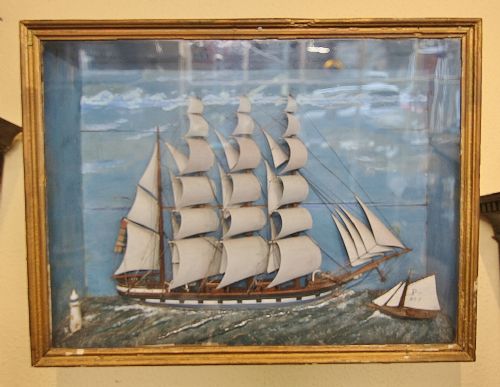
The version most commonly met on this page is the ship diorama, depicting clippers, galleons, and sailing vessels racing or navigating the sea.
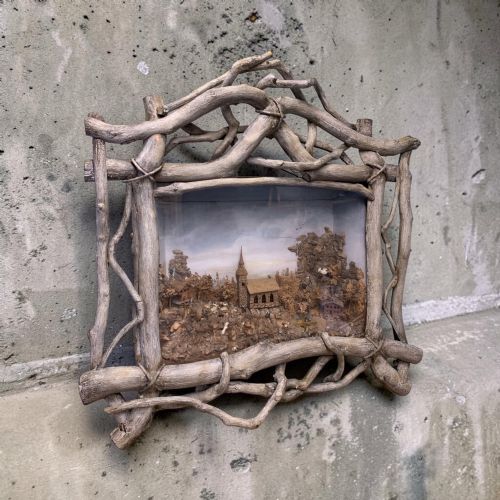
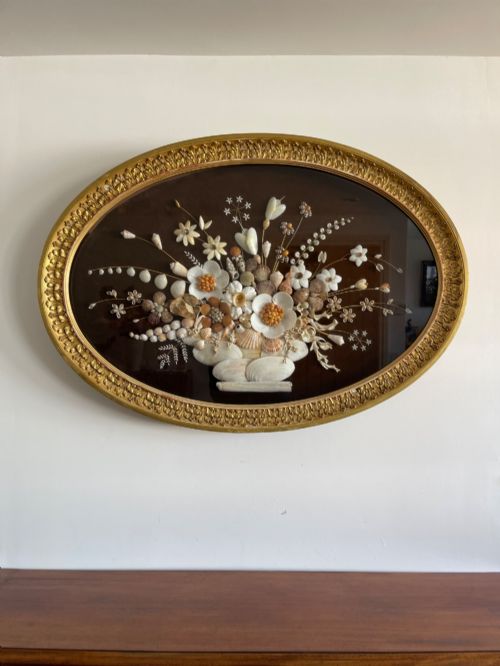
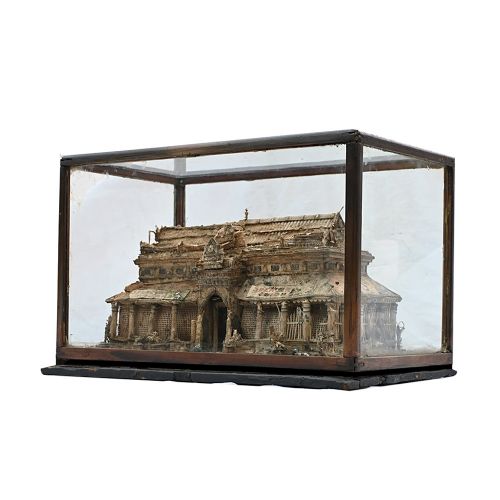
Other recurring examples include taxidermy displays, cork work models of castles, and straw work compositions created during the Victorian period.
Materials and construction
Wood, glass, and canvas form the structural foundation of these pieces, alongside oil paint applied to create illusionistic seascapes and backgrounds.
Makers utilised cork, paper, plaster, and carved wooden sails to build up layered perspective inside glazed shadow boxes and ebonised cases.
19th Century Diorama Retail Price Guide 2026
Typical asking prices for 19th century diorama among the pieces listed under this phrase on Sellingantiques today, from the lower quarter to the upper quarter. They describe what is for sale here now, not the wider market.
Listings feature materials spanning wood, glass, cork, plaster, and oil paint across the 19th century and 1930.
Variations in quality
The refinement of the interior model dictates quality, distinguishing hurried assembly from precise carving of rigging, hulls, and architectural details.
The preservation of original paint finishes and the clarity of the protective glass dome or glazed mahogany case influence the overall integrity of the piece.
J Griffiths of Burford
The 19th Century Diorama Glossary
- Diorama
- A three-dimensional scene enclosed in a case with a glass viewing window. It combines painted backgrounds with physical objects in the foreground to create depth.
- Shadow box
- A deep, framed glass-fronted box designed to hold and protect three-dimensional objects or displays. These cases keep dust away from delicate internal paper or cork elements.
- Folk art
- Items created by self-taught makers using traditional local techniques and accessible materials. These pieces reflect regional aesthetics rather than academic studio standards.
- Taxidermy
- The art of preparing, stuffing, and mounting the skins of animals for display. Victorian examples often arrange birds and fowl within naturalistic glazed cases.
19th Century Diorama: Frequently Asked Questions
What subjects do these dioramas show?
The subjects focus heavily on maritime scenes featuring sailing vessels, clippers, and named ships on painted seas.
Other examples depict architecture like castles, grocery store models, religious scenes, and taxidermy displays of birds.
How were the ships constructed inside?
Model ships were built using carved wood, paper, and painted canvas to represent hulls and sails.
Makers constructed rigging and fitted the vessels into shallow boxes against curved painted backgrounds to simulate the ocean.
How do I care for a glass case?
Glass fronts and original ebonised frames require gentle dusting with a dry microfibre cloth.
Keep the pieces away from direct sunlight and damp conditions to protect the internal paper, cork, and painted elements.
Are all these pieces from Britain?
The inventory includes items originating from England, Wales, and Ireland alongside continental European examples.
Makers in France, Germany, Austria, and Central Europe produced distinct folk art and cork work pieces during the same period.