


19th Century Decorative Picture
These 19th century decorative picture pieces bring period wall art and ornate framing into a room through rich gilding and detailed craftsmanship.
19th Century Decorative Picture
When you search for a 19th century decorative picture, you encounter a varied selection of framed artworks, mirrors, and ornate picture frames spanning the Victorian and Regency eras. The selection comprises oil paintings, watercolours, gouache sets, tinsel prints, engravings, and crystoleums alongside decorative frames housing them.
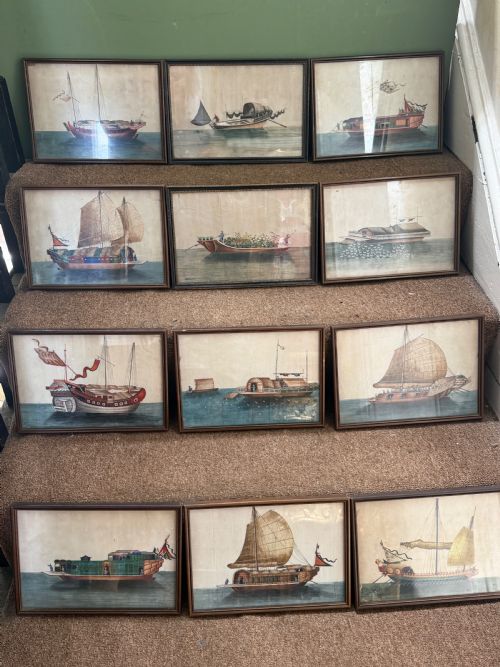
The objects originate from diverse traditions, including Chinese Export shipping scenes, English portraiture, animal studies, and Indian quill work. Many pieces lean heavily on revivalist aesthetics such as Rococo Revival, French Empire, and Flemish Revival styles.
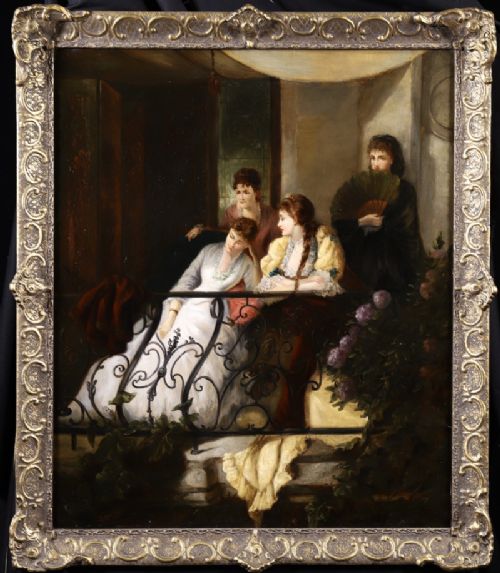
You are most likely to meet framed oil paintings, watercolours, and elaborate giltwood or gesso frames on this page. These items reflect the period's taste for rich wall decoration and domestic display.
How they were made
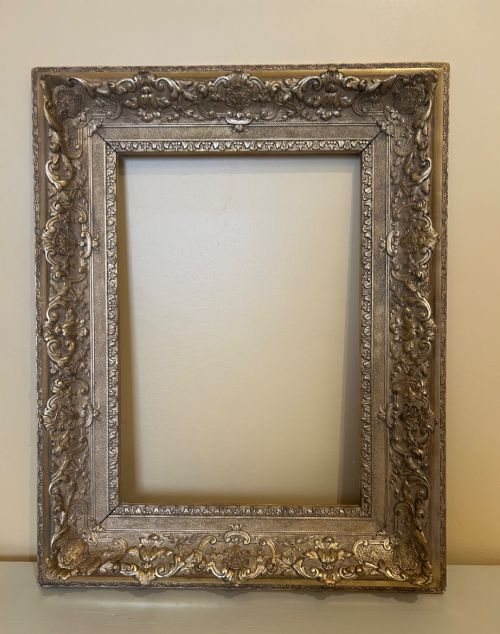
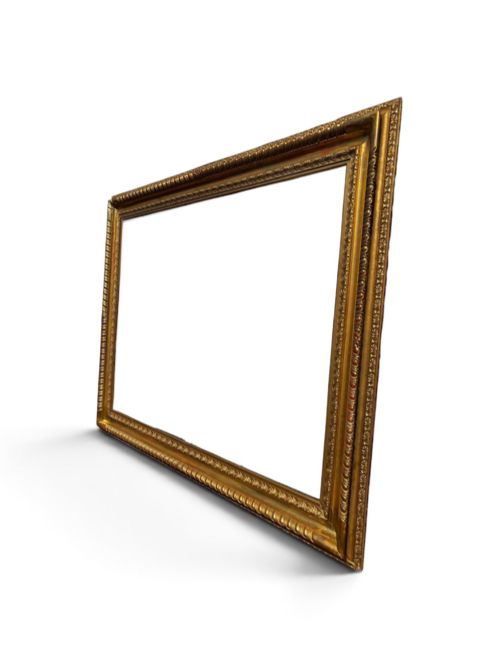
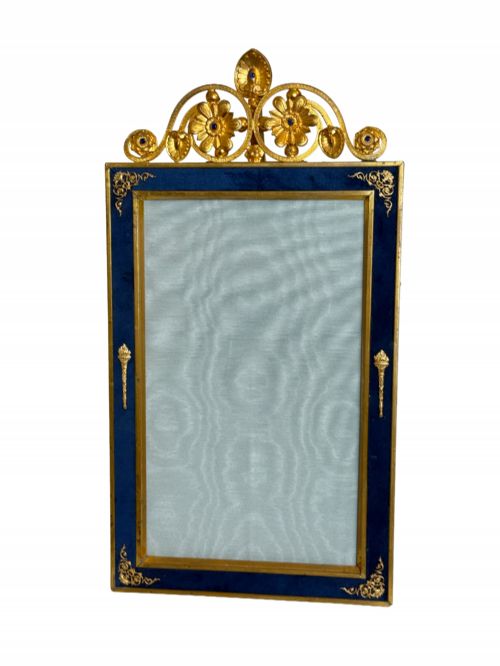
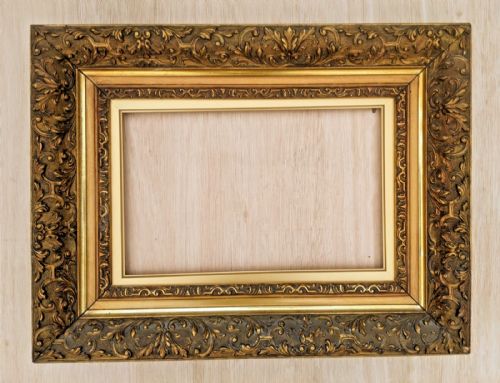
Makers constructed these pieces using wood, gesso, and glass, applying gold leaf, giltwood, or ormolu to create brilliant reflective surfaces. Frames often feature intricate moulding and carved details finished in bright or burnished gold.
Artworks within these frames utilise paper, canvas, and delicate pigments, including watercolours, oils, and hand-enamelled polychrome colours. Specialised techniques such as crystoleum mounting, decoupage, tinsel work, and quill work appear frequently across the varied items.
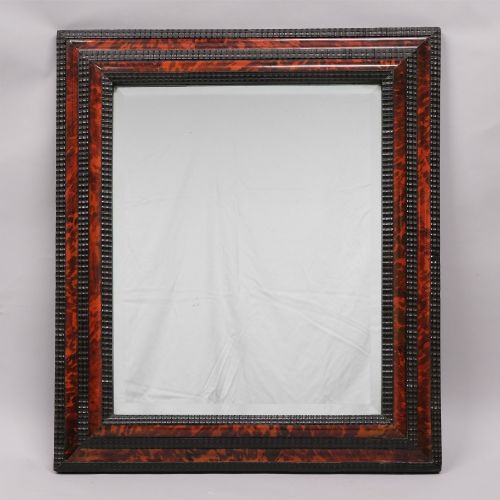
Metalwork components incorporate gilt bronze and ormolu, sometimes paired with materials like tortoiseshell, agate, or blue trim for added visual depth and contrast.
A duck and its ducklings paddle eternally across an oil painting canvas, oblivious to the changing fashions of nineteenth-century frames.
What varies in quality
The sophistication of the surface finish and carving distinguishes finer examples from simpler production. Superior giltwood and gesso frames display crisp moulding, deep relief, and expert application of gold leaf rather than flat, uniform paint.
Artistic execution and material selection drive the upper end of the range. Hand-painted details in watercolours, oils, and specialised media like crystoleum or quill work demand greater skill than standard mass-produced prints.
The harmony between the artwork and its period frame elevates a piece. Original pairings where the frame complements the specific aesthetic of the Victorian or Regency picture command stronger visual presence.
JOHN. A. MONTEITH·Constant Ludovic Artz·J. MITAN
The 19th Century Decorative Picture Glossary
- Crystoleum
- A Victorian method of applying a hand-coloured print to glass, rendering it transparent before painting the reverse side in oil or watercolour. This technique creates a layered, luminous depth.
- Gesso
- A plaster-like mixture applied to wood frames to create a smooth surface for gilding and carving. Skilled artisans could mould intricate decorative motifs into the wet gesso.
- Ormolu
- Finely ground high-carat gold-mercury amalgam applied to a bronze base. It provides a rich, durable metallic lustre on decorative frames and photo mounts.
- Tinsel print
- A popular nineteenth-century theatrical print embellished with pieces of tinsel, silk, and foil. These works celebrate actors and stage scenes from the era.
- Quill work
- A decorative technique utilising stripped bird quills rolled, shaped, and arranged into intricate geometric or pictorial patterns. It creates a textured, tactile mosaic effect.
- Giltwood
- Timber that has been coated with thin layers of gold leaf or gold powder. It forms the primary luminous structure for many grand wall mirrors and picture frames.
19th Century Decorative Picture: Frequently Asked Questions
What is a crystoleum picture?
A crystoleum is a nineteenth-century picture created by pressing a coloured print face down onto glass, washing away the paper backing, and hand-painting the reverse.
This intricate process gives the image a luminous, multi-layered appearance that resembles an oil painting.
How do I identify a Regency frame?
Regency frames often display neoclassical motifs, crisp linear mouldings, and bright gilding influenced by ancient Greek and Roman designs.
They reflect the formal elegance popular during the early nineteenth century before the heavier Victorian styles took hold.
How should I hang a heavy gilt mirror?
Heavy nineteenth-century giltwood and gesso mirrors require secure wall fixings distributed evenly across the structure to support the substantial weight of the timber and glass.
Consult a professional restorer or installer to ensure the wall substrate can bear the load safely.