



19th Century Creamer
A 19th century creamer is a small pouring vessel for milk or cream that brings tactile craft and period detail to a tea service.
19th Century Creamer
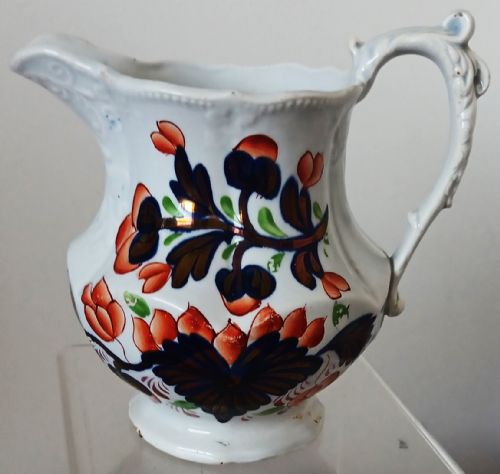
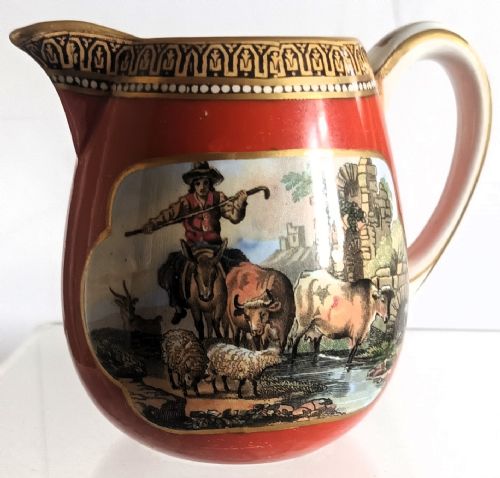
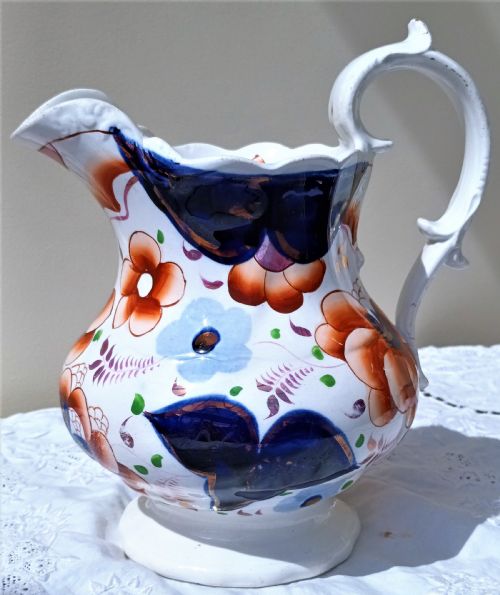
When you search for a 19th century creamer, you encounter small pouring vessels shaped for the tea table, ranging from utilitarian dairy forms to refined parlour ceramics and silver service pieces. The most frequent examples on this page are earthenware and pottery jugs, alongside porcelain pieces from English and continental makers.
The selection spans various decades of the 1900s, Victorian eras, and Georgian survivals, incorporating styles from folk art to formal revival movements. Alongside standard domestic cream jugs, the records include novelty figural creamers and part of larger tea or coffee services.
Makers and regional potteries across England, Scotland, and Europe contributed distinct decorative patterns, from handpainted floral panels to rich lustre finishes. These objects served a daily domestic function while reflecting the prevailing taste of their decade.
Materials and Techniques
Potters and ceramists shaped these vessels using earthenware, ironstone, and porcelain bodies, often finished with tin glaze, enamel, or metallic lustre. Techniques such as handpainting and transfer printing applied bird, insect, and floral motifs directly onto the clay.
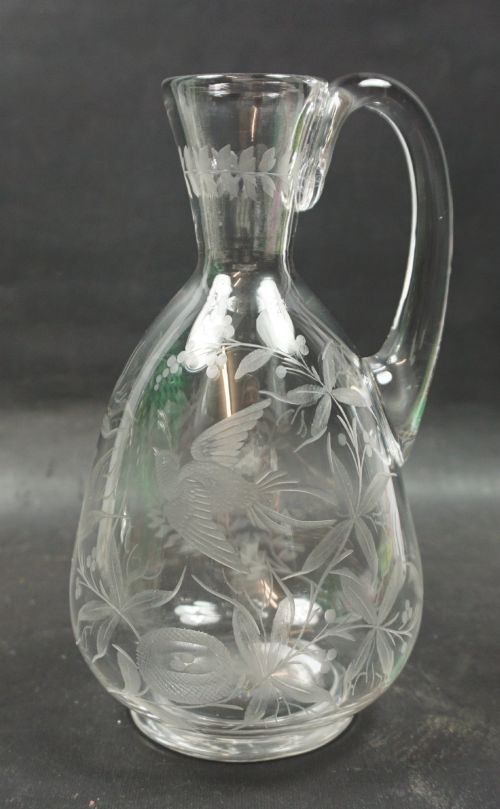
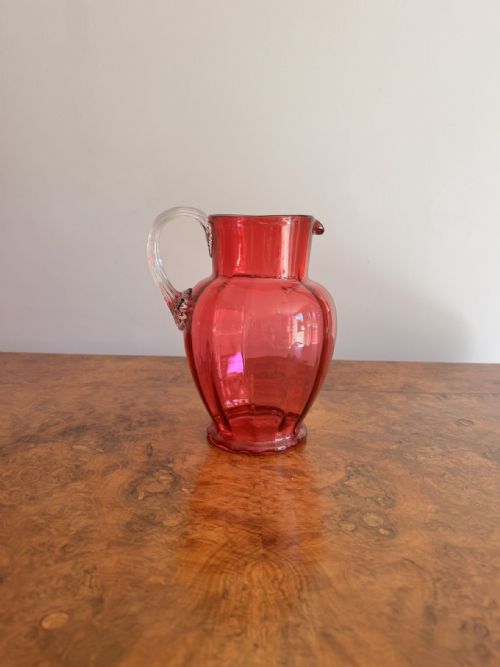
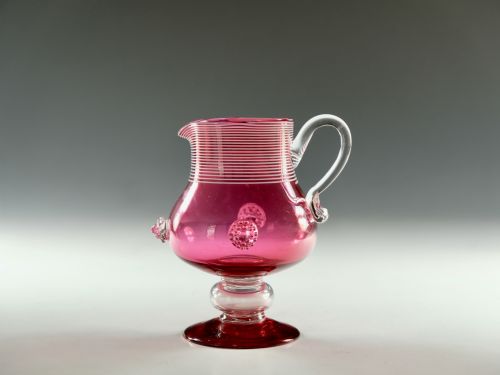
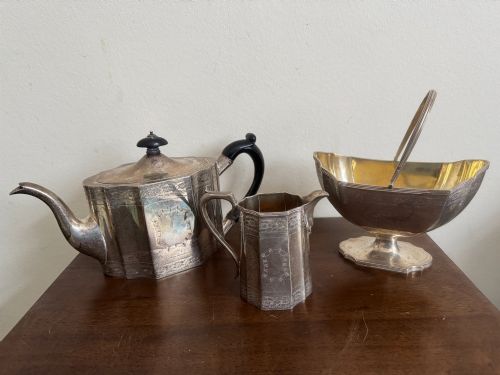
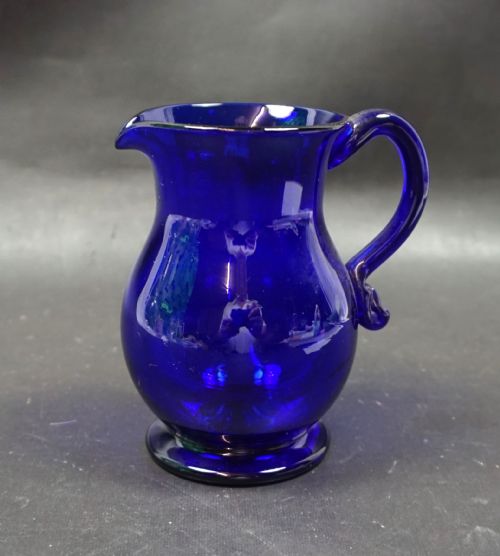
Silversmiths hammered and cast sterling silver to form pedestal cream jugs and components of larger tea sets, applying gilt accents and chased decoration. Glassmakers utilised cranberry glass and blue glass to blow small ewers and jugs.
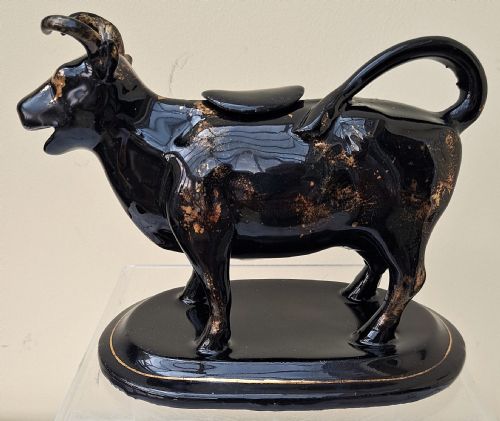
Figural pieces like cow creamers required specialised moulding to capture anatomical details, combining sculptural form with functional pouring spouts and lids.
19th Century Creamer Retail Price Guide 2026
Typical asking prices for 19th century creamer among the pieces listed under this phrase on Sellingantiques today, from the lower quarter to the upper quarter. They describe what is for sale here now, not the wider market.
Listings feature periods from the Georgian and Regency eras through the Victorian decades up to eighteen-ninety.
Distinctions in Quality
The standard of a piece rests upon the crispness of the moulded form and the precision of the handpainted or printed decoration. Superior earthenware and porcelain display finely articulated details in the glaze and gilding without blurring.
Silversmith work reveals quality through balanced weight, secure handle attachments, and well-defined hallmarks that identify the maker and assay office. Lesser pieces may show uneven glazing or coarser body preparation in the ceramic material.
Masons·Royal Davenport·Royal Worcester·Ahrenfeldt & Asalvary·Meissen·Rockingham·Wedgwood·Copeland Spode·Robert Hennel·Joseph Craddock
The 19th Century Creamer Glossary
- Cow creamer
- A figural vessel shaped as a cow, used to serve cream from its mouth. This whimsical form gained popularity in Staffordshire potteries during the period.
- Lustreware
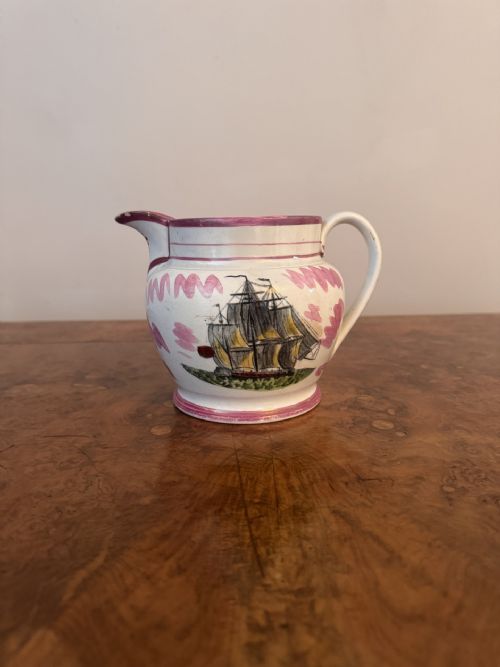
- Pottery finished with a metallic glaze that creates an iridescent sheen. Copper and Sunderland lustre examples display reflective surfaces achieved through metallic oxides.
- Ironstone
- A heavy, durable type of earthenware patented in the nineteenth century. It provided a robust alternative to porcelain for domestic tableware.
- Pratt-ware
- Earthenware decorated with limited underglaze colours, typically blue, yellow, brown, and green. It is associated with early nineteenth-century Staffordshire production.
- Sterling silver
- An alloy of silver containing significant purity used for luxury tableware. Marked pieces often record the assay office, date letter, and silversmith's punch.
19th Century Creamer: Frequently Asked Questions
What is a cow creamer used for?
A cow creamer served as a novelty vessel for holding and pouring cream at the tea table. Milk was poured through an opening on the back and dispensed from the animal's mouth.
These figural ceramics were popular display items in Victorian homes, combining playful sculpture with practical utility during tea service.
How do I identify a Victorian piece?
Victorian pieces often bear hallmarks on silver items or specific regional patterns on pottery, such as Gaudy Welsh or Jackfield styles. The materials frequently include cranberry glass, lustreware, and heavy ironstone.
Stylistic cues from the period lean towards ornate floral decoration, gilt accents, and robust earthenware forms characteristic of nineteenth-century manufacturing.
Were these made as sets?
Many creamers were produced as part of larger tea or coffee services alongside teapots, sugar bowls, and cups. Others were manufactured as individual decorative items for daily domestic use.
Matching sets often share identical patterns, such as fence and motifs, or complementary silver hallmarks indicating a unified production date.
What is copper lustre?
Copper lustre is a ceramic finish achieved by applying a metallic glaze that fires to a reflective, coppery sheen. It was widely used on nineteenth-century Staffordshire jugs and milk pitchers.
This technique gave ordinary earthenware a rich appearance, often enhanced with painted coloured bands or floral panels.