




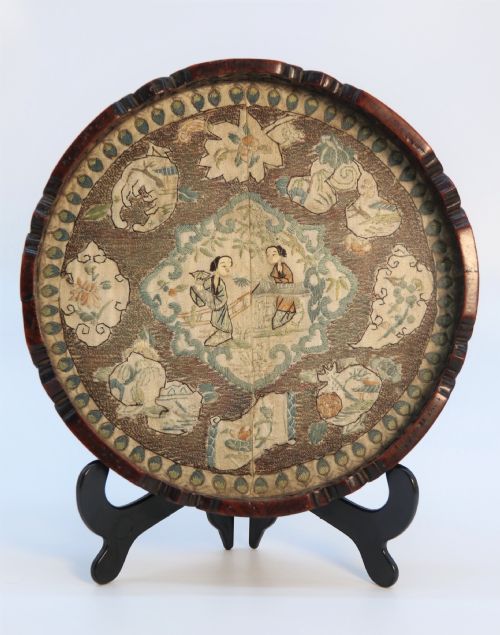

19th Century Chinese Plate
A 19th century chinese plate brings hand-painted porcelain and export history to your table, offering centuries of artistry.
19th Century Chinese Plate
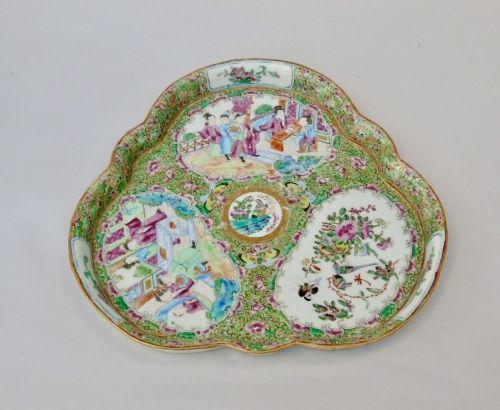
A 19th century chinese plate encompasses decorative dishes, chargers, and serving platters originating from the Qing Dynasty and Chinese Export traditions. You will frequently encounter Canton and Famille Rose wares featuring intricate enamel work and cobalt underglaze.
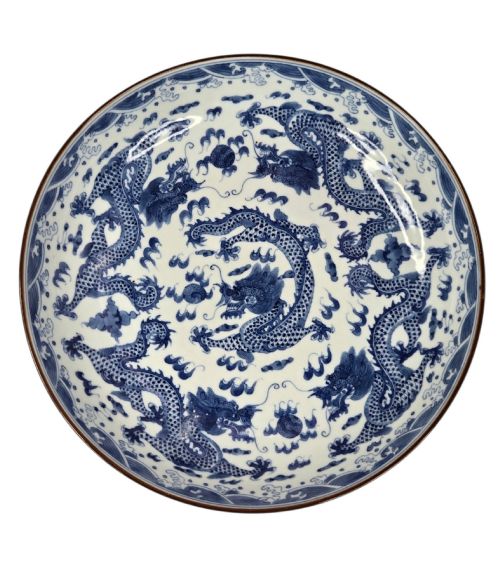
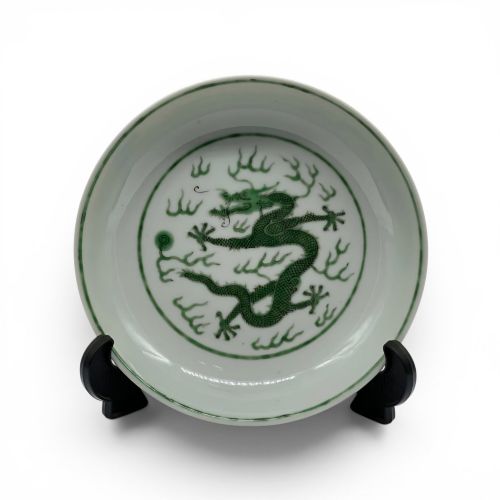
The selection ranges from large dragon chargers to botanical dishes shaped like shamrocks or traditional bowls. Pieces span the Victorian era and the late nineteenth century, reflecting both native imperial tastes and European export demands.
Materials and construction
Potters utilised hard-paste porcelain as the primary base, shaping dishes by hand and firing them at high temperatures. Cobalt underglaze provided the deep blue tones seen in traditional garden and dragon motifs.
Overglaze enamel and gilding added vibrant polychrome details to Famille Rose and Canton designs. Artisans applied gold leaf and meticulous brushwork to finish the decorative surfaces.
19th Century Chinese Plate Retail Price Guide 2026
Typical asking prices for 19th century chinese plate among the pieces listed under this phrase on Sellingantiques today, from the lower quarter to the upper quarter. They describe what is for sale here now, not the wider market.
Some nineteenth-century dishes take the botanical form of a shamrock, blending Chinese porcelain techniques with Western dining whims.
Judging quality
Quality rests upon the precision of the brushwork and the vibrancy of the enamel palette. Superior pieces display crisp cobalt lines and richly detailed figures without muddy blending.
The weight and refinement of the hard-paste porcelain body also distinguish finer items. Imperial-style dishes show greater depth in their carved or moulded relief work.
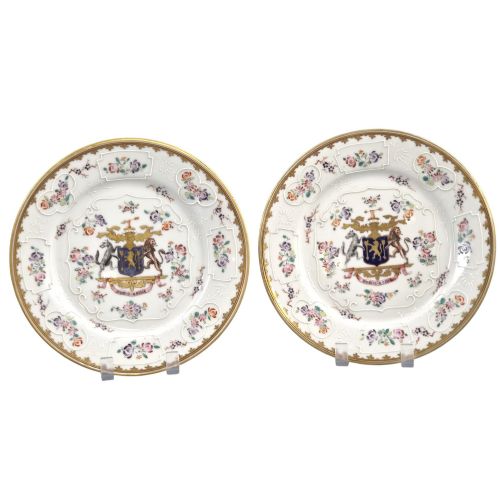
Edmé Samson & Cie
The 19th Century Chinese Plate Glossary
- Famille Rose
- A palette of opaque pink and rose enamels introduced in Chinese porcelain decoration during the Qing Dynasty. This style allows for subtle tonal gradations in floral and figural scenes.
- Cobalt Underglaze
- A blue pigment applied to the raw porcelain body before glazing and firing. It yields a permanent colour beneath the glossy finish.
- Canton
- A style of export porcelain decorated in bustling polychrome enamel scenes, often featuring figures, birds, and butterflies. These pieces were shipped through the port of Guangzhou.
- Hard-paste Porcelain
- A dense, vitrified ceramic made from petuntse and kaolin fired at extreme heat. It produces a ringing sound when struck and resists scratching.
- Charger
- A large decorative plate or platter used historically for ceremonial service or display. They measure significantly wider than standard dining plates.
19th Century Chinese Plate: Frequently Asked Questions
How do I display a charger safely?
Mount chargers using specialised wall brackets designed for heavy porcelain, ensuring the weight is distributed evenly across the base.
Alternatively, position them upright on sturdy plate stands within a cabinet to protect them from accidental knocks.
Can I use these plates for dining?
Historic export porcelain is best reserved for display rather than daily meals. Modern detergents and cutlery can damage the delicate overglaze enamels and gilding.
Hand wash gently in lukewarm water if cleaning is necessary, avoiding abrasive sponges entirely.
What does Canton mean?
Canton refers to the Chinese port city where vast quantities of export porcelain were decorated and shipped to Western markets during the nineteenth century.
Pieces from this region typically combine vibrant green and pink enamels with crowded narrative scenes.
How do I spot Qing Dynasty pieces?
Examine the base for reign marks or stylistic markers consistent with nineteenth-century manufacturing techniques. Cobalt underglaze and hand-mixed enamels reveal the authentic materials of the period.
Look closely at the foot rim for signs of age, such as slight wear and typical firing imperfections.