




19th Century Champagne Cooler
These 19th century champagne cooler pieces bring nineteenth-century dining ceremony to the table, offering deep vessels that hold ice and bottles with solid period weight.
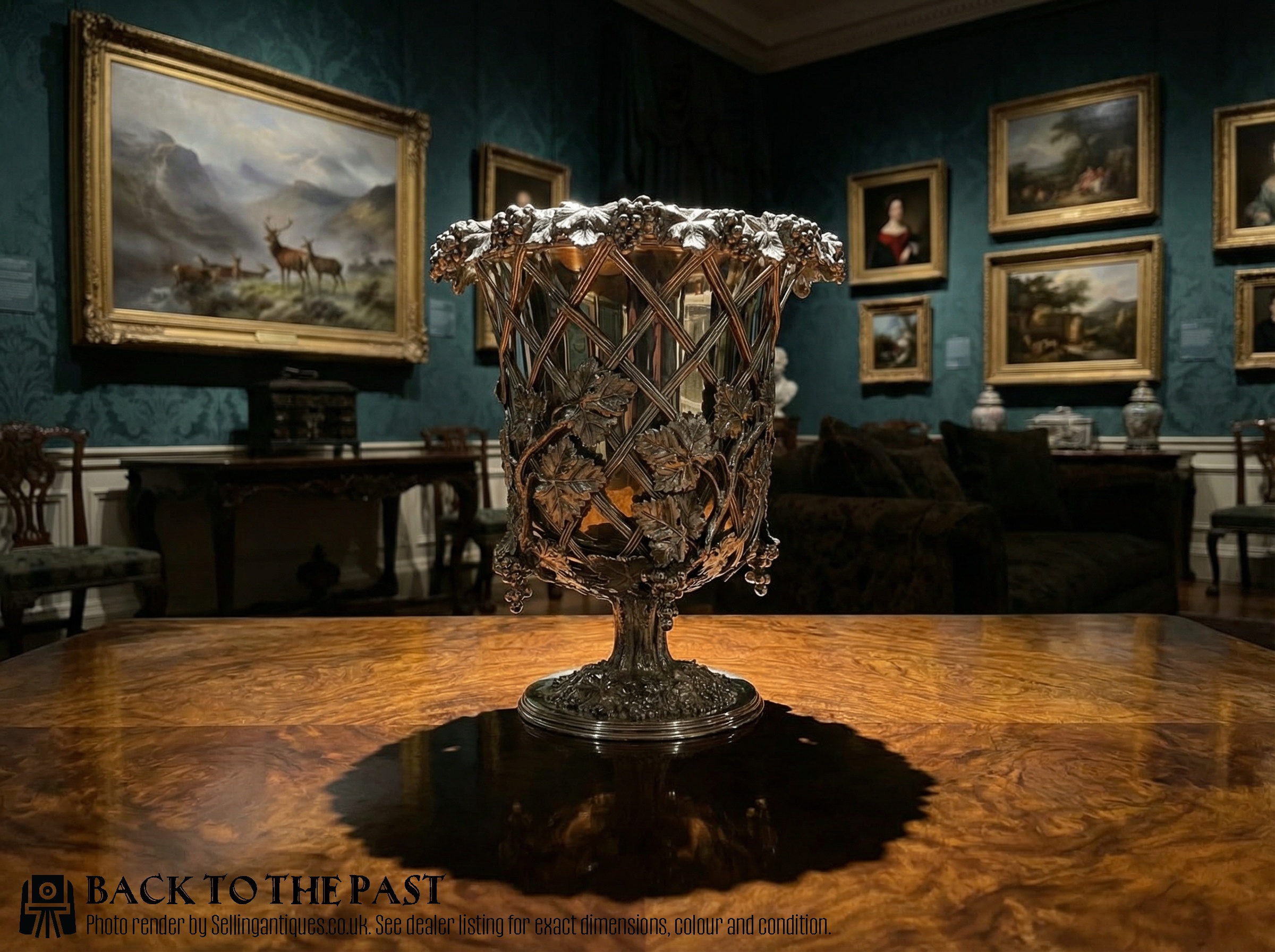
19th Century Champagne Cooler
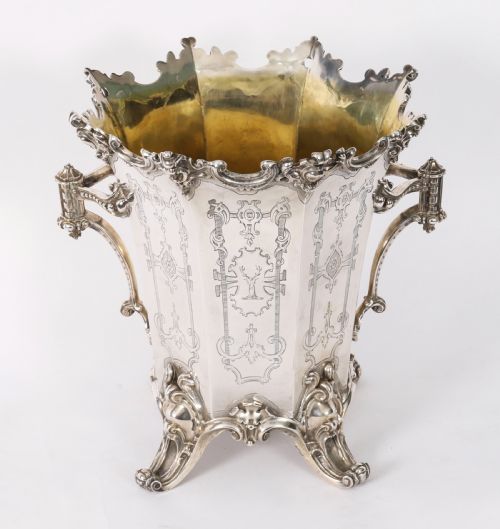
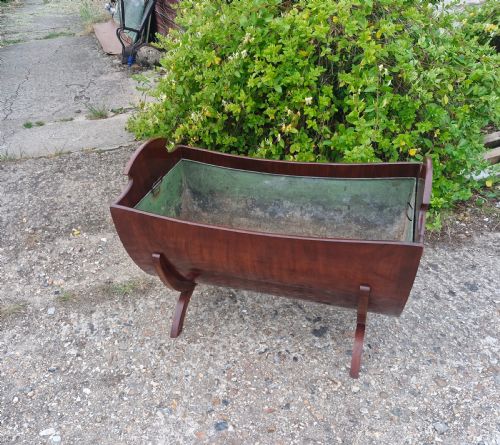
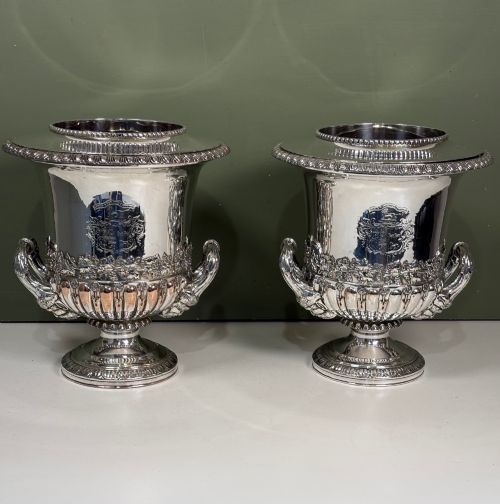
A 19th century champagne cooler encompasses silver plated vessels, coopered timber buckets, and heavy metal urns designed to keep wine cold at the table or sideboard. Buyers encounter forms ranging from Regency campana shapes in Old Sheffield Plate to country house mahogany log baskets adapted for the purpose.
The material vocabulary spans silver plate, copper, brass, electroplated nickel silver, mahogany, oak, pine, and gilt, often styled in Victorian Rococo Revival, Gothic, or Arts and Crafts manners. Many pieces double as jardiniere planters, ice pails, punch bowls, or oyster buckets.
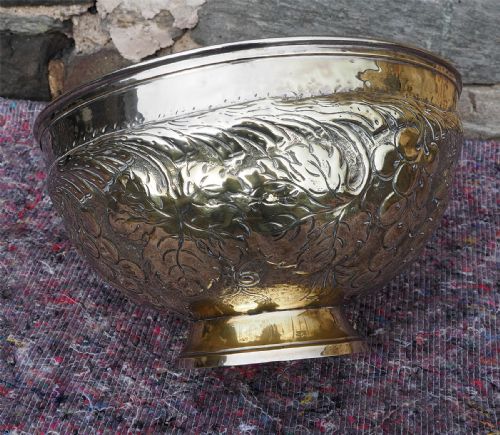
Regency and Georgian examples tend toward classical campana urn profiles with crisp handles and cast rims, whilst Victorian and later items show broader stylistic experimentation from Gothic oak to hammered copper bowls on stands.
Distinctions in quality
Quality rests in the crispness of cast handle mounts, the integrity of the silver plating over its base metal, and the precision of the cooperage in wooden stave vessels. Heavier metal gauge and uncompromised structural joints separate standard utilitarian items from ambitious presentation pieces.
The distinction between workshop execution and mass production shows in hand-chased surface detail, the weight of applied heraldic or decorative mounts, and the balance of the vessel when filled.
Several wooden coolers double as oyster buckets, proving that nineteenth-century dining involved serious multi-tasking around the mahogany.
Elkington, Mason & Co·Flight, Barr & Barr·Hawksworth, Eyre & Co
The 19th Century Champagne Cooler Glossary
- Campana
- A bell-shaped urn or vessel profile popular in classical and Regency design. This form provides a wide top opening tapering gracefully to a stepped pedestal foot.
- Old Sheffield Plate
- A metallic material made by fusing a thin layer of silver onto a thicker copper base. Pieces made this way often reveal faint lines of copper beneath worn silver edges.
- Coopered
- Constructed from curved wooden staves bound tightly together by metal hoops. This method creates strong, watertight cylindrical vessels like oyster buckets and wine tubs.
- Electroplated Nickel Silver
- A base metal alloy of copper, zinc, and nickel coated with a layer of silver via electrolysis. This technique superseded older plating methods during the nineteenth century.
- Jardiniere
- An ornamental pot or stand designed to hold growing plants or flowers. Many nineteenth-century examples serve dual purposes as wine coolers or ice buckets.
19th Century Champagne Cooler: Frequently Asked Questions
How do I clean a silver plated cooler?
Clean silver plated surfaces using a soft cloth and a gentle, non-abrasive silver cream to preserve the remaining plating over the underlying copper.
Avoid harsh chemical dips or abrasive pads that strip thin antique plating, especially around chased details and handles.
Can I use these for actual ice?
Most metal and coopered vessels remain capable of holding ice and bottles, provided timber staves have not dried out and shrunk.
Wooden buckets benefit from occasional use with water to keep the staves swelled and properly sealed against leaks.
How do I date a Regency piece?
Regency pieces typically feature classical motifs like acanthus leaves, lion mask handles, and campana silhouettes aligned with early nineteenth-century design.
Examine the construction marks, weight, and plating methods, as Old Sheffield Plate points firmly to the earlier decades of the century.
What is the difference between a cooler and an ice pail?
Wine coolers generally offer larger capacities to hold bottles alongside ice, whilst ice pails function as smaller tableware accessories for serving table ice.
Both forms share similar manufacturing materials and decorative styles across the Georgian and Victorian periods.