

19th Century Buttoned Chair
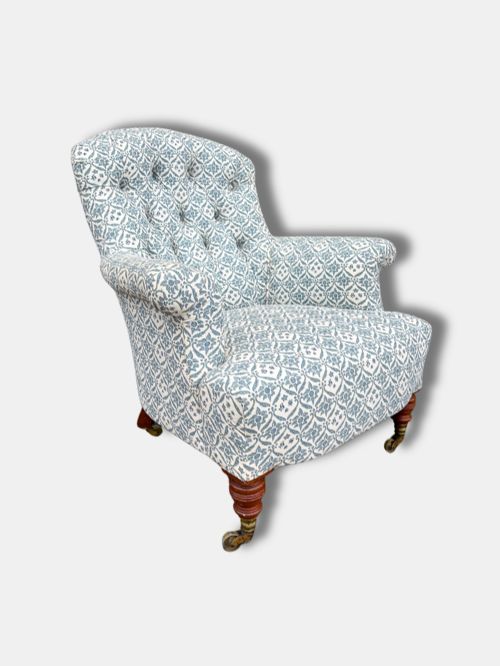
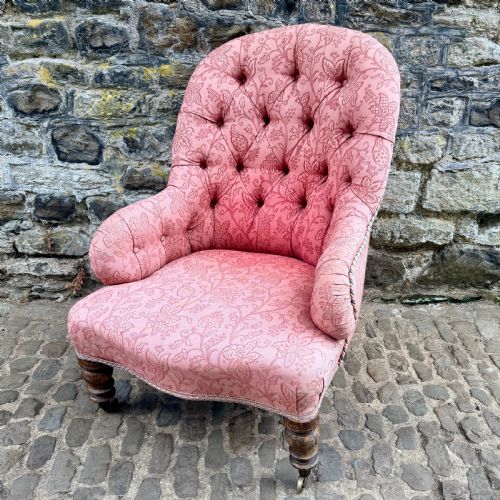
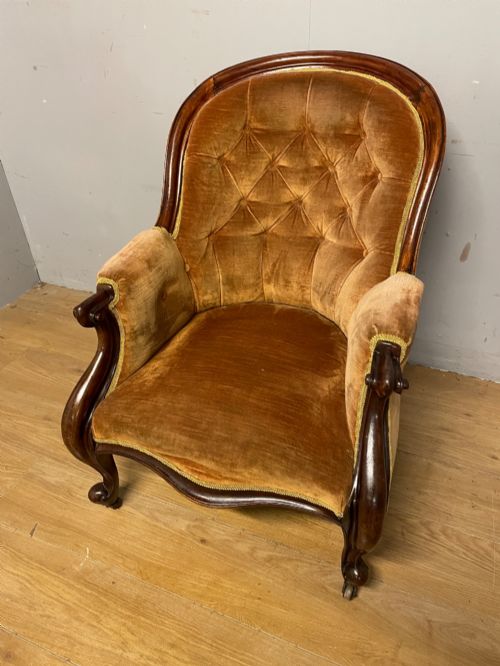
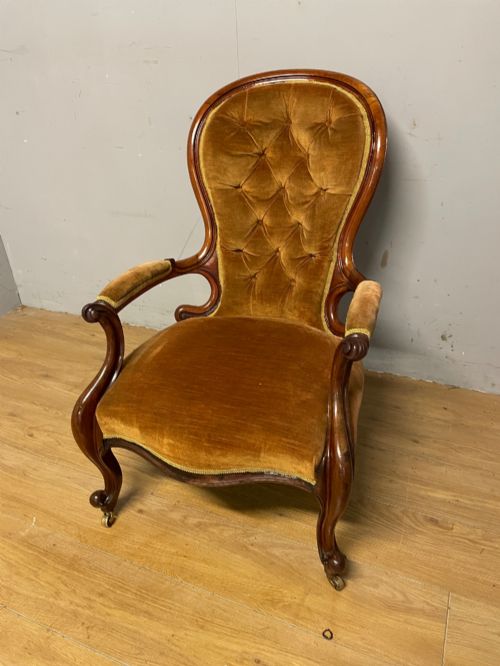
A 19th century buttoned chair brings deeply upholstered comfort and period character to a room through traditional deep-buttoning.
19th Century Buttoned Chair
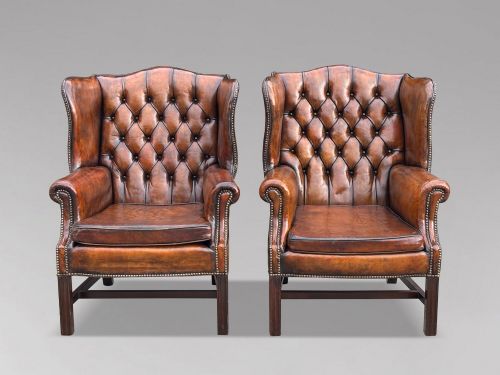
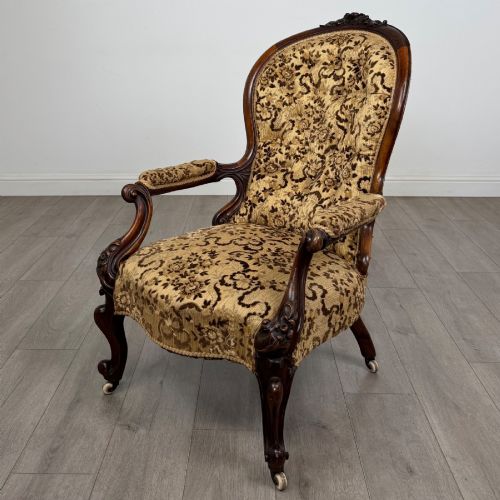
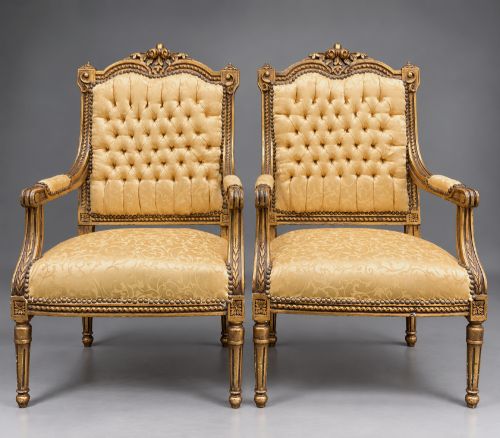
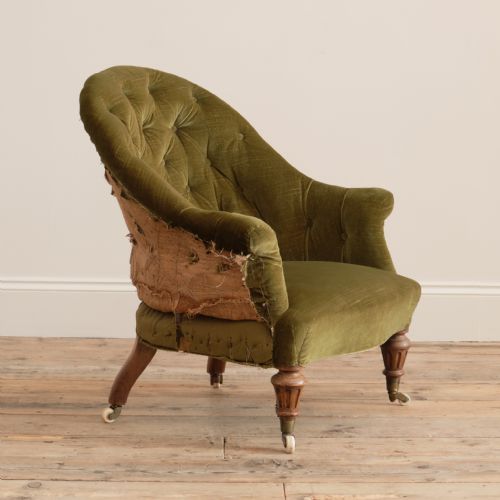
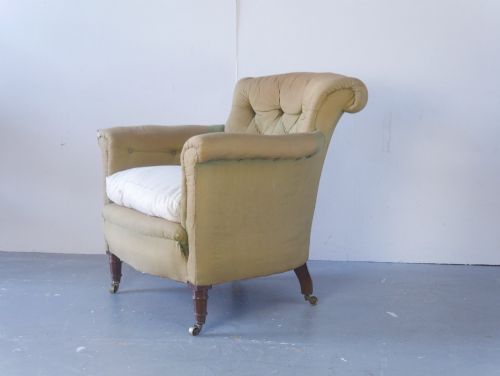
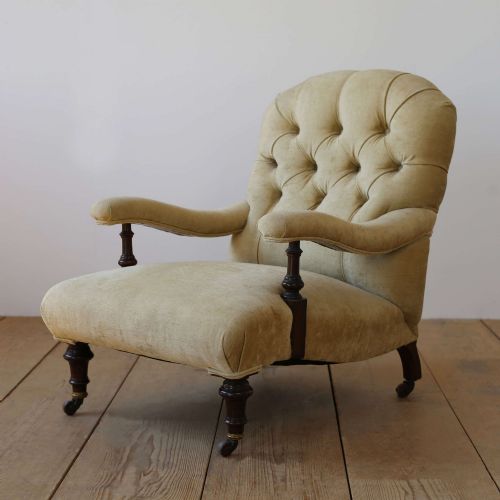
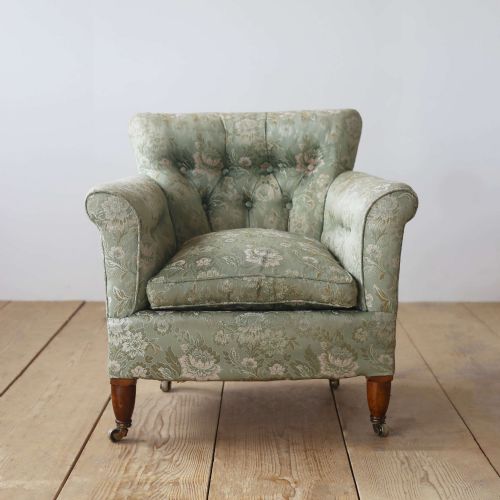
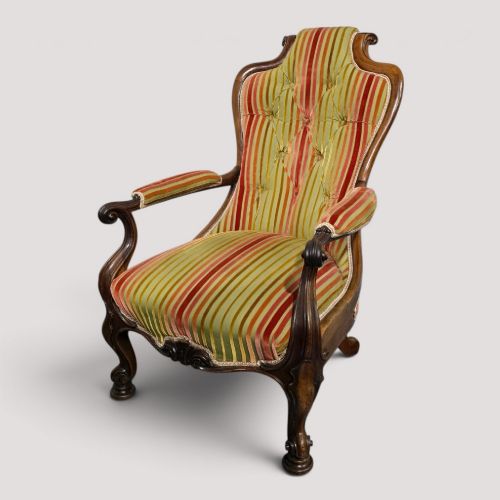
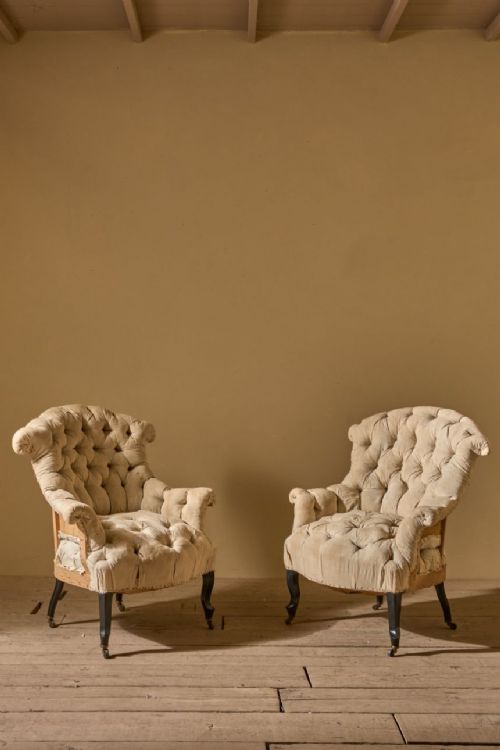
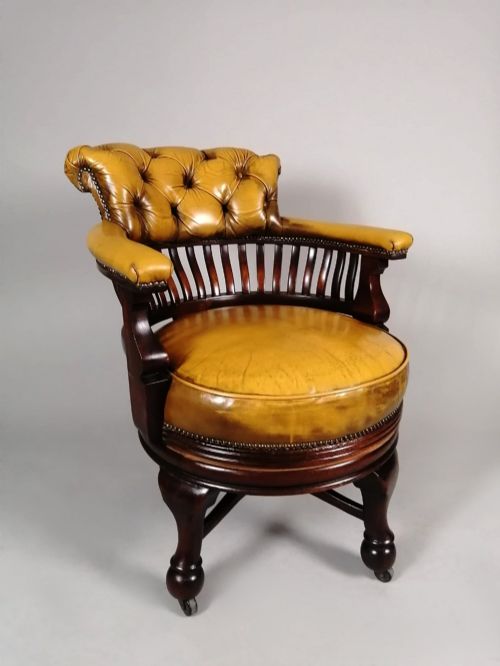
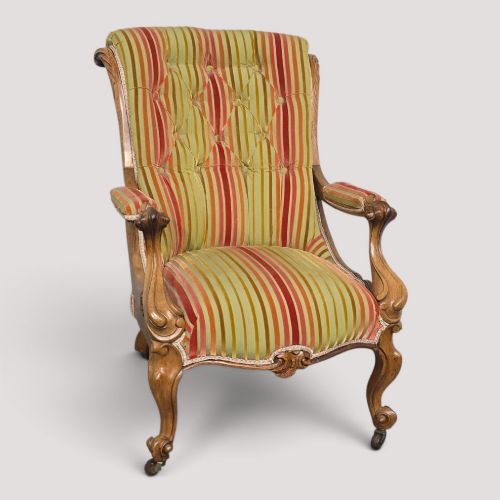
A 19th century buttoned chair is a piece of seating furniture defined by its tufted, upholstered upholstery. These chairs appear across various forms in the listings, including armchairs, library chairs, desk chairs, and nursing chairs.
The pieces emerge from the 19th century, drawing stylistic influences from the Victorian, Regency, William IV, and Napoleon III periods. Makers shaped these chairs from woods like mahogany, walnut, rosewood, and oak, often mounting them on timber or brass supports.
Buyers encounter country house models alongside formal library and salon seating. The upholstery utilises materials such as leather, velvet, and fabric to create the signature buttoned back and seat.
How they were made
Cabinet makers and upholsterers built the frames of these chairs from solid timbers including mahogany, walnut, rosewood, oak, and timber. They constructed robust armchairs, library chairs, and desk chairs designed for daily use.
Workers applied traditional upholstery techniques, securing leather, velvet, or fabric tightly across the frame with deep tufting and buttoning. Brass elements frequently appeared in castors or decorative details, complementing the rich wood structures.
Some library armchairs arrived equipped with built-in reading stands, anticipating the modern multi-tasker by over a century.
What varies in quality
Quality in these chairs rests in the integrity of the timber frame and the precision of the joinery. Heavier woods like mahogany and walnut paired with sturdy construction distinguish superior pieces from lighter alternatives.
The execution of the upholstery and the depth of the buttoning dictate the refinement of the finished chair. Finely tailored leather or velvet applied to sophisticated forms like library chairs and club armchairs represents the higher tier of production.
Howard and Sons·Gillows
The 19th Century Buttoned Chair Glossary
- Button-back
- An upholstery technique where buttons are pulled deep into the padding in a diamond pattern. This method secures the internal stuffing and creates a distinct textured surface.
- Library armchair
- A substantial, comfortable armchair designed for reading rooms and studies. These chairs frequently feature leather upholstery and robust wooden frames.
- Open armchair
- An armchair with uncovered wooden arms rather than upholstered sides. This form highlights the carved woodwork of the frame.
- Chaise longue
- An elongated seating form designed for reclining, combining a chair and a footstool into a single piece. Victorian examples often feature carved mahogany or rosewood frames.
- Nursing chair
- A low-seated, upholstered chair originally designed for nurseries and bedrooms. They often feature buttoned backs and turned wooden legs.
19th Century Buttoned Chair: Frequently Asked Questions
Where did these chairs sit?
These chairs served multiple rooms in 19th-century homes, appearing in libraries, studies, bedrooms, and grand salons. Library chairs and desk chairs suited workspaces, while nursing chairs and chaise longues furnished private quarters.
Country house interiors frequently utilised large leather armchairs for comfort in living spaces. Salon suites and occasional chairs accommodated guests in formal reception rooms.
How do I identify a Victorian buttoned chair?
Victorian buttoned chairs display characteristic timber frames in walnut, mahogany, or rosewood, combined with deep tufted upholstery. The presence of specific stylistic markers like turned legs or brass castors helps date the piece to the mid to late 19th century.
Examining the construction methods underneath and the wear on the leather or fabric reveals the age and authenticity of the Victorian manufacture.
What is a Howard and Sons chair?
Howard and Sons was a prominent London furniture firm known for producing comfortable, high-quality upholstered seating during the 19th century. Their chairs typically feature sturdy frames and signature upholstery styles.
Collectors prize these pieces for their exceptional build quality and distinct aesthetic within 19th-century English furniture design.
How do I care for leather buttoned chairs?
Leather buttoned chairs require gentle cleaning and conditioning to maintain the suppleness of the hide over time. Keeping the leather away from direct heat sources prevents drying and cracking.
Dusting the buttoned tufts regularly stops dirt from accumulating in the deep folds of the upholstery.