


19th Century Bronze Animal
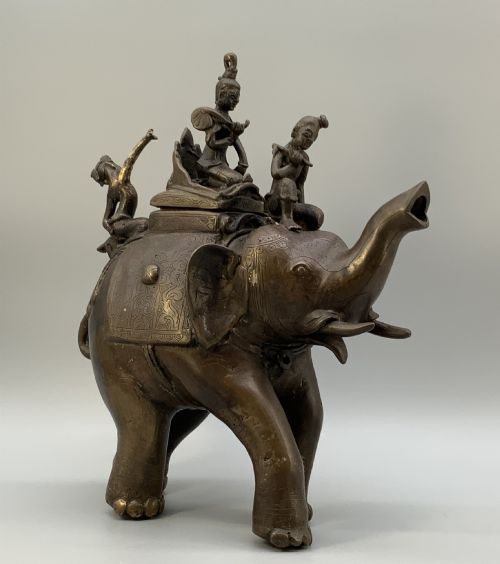
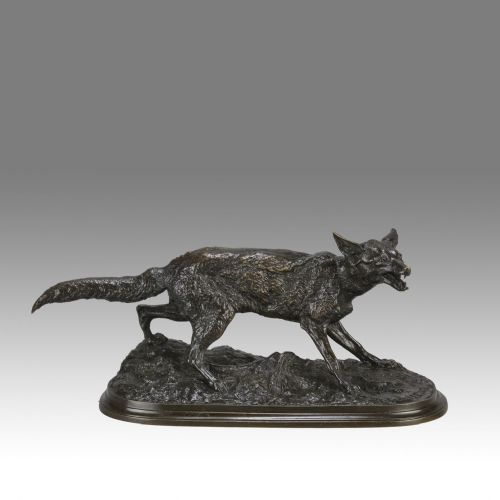
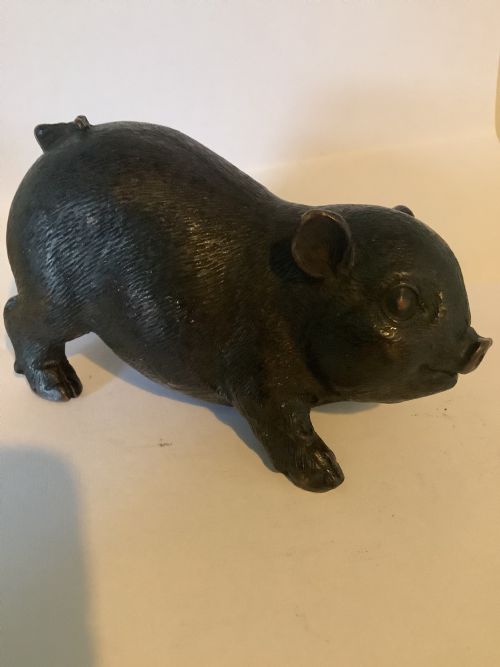
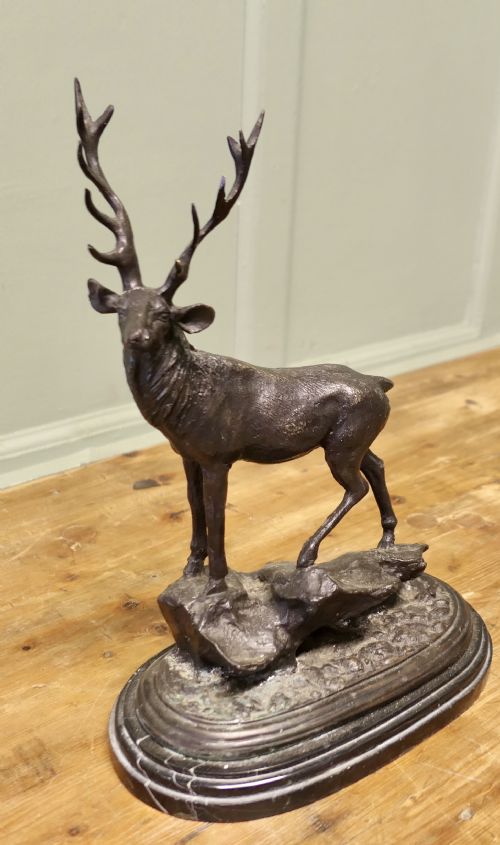
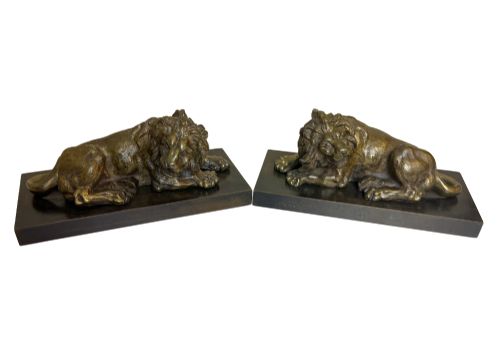
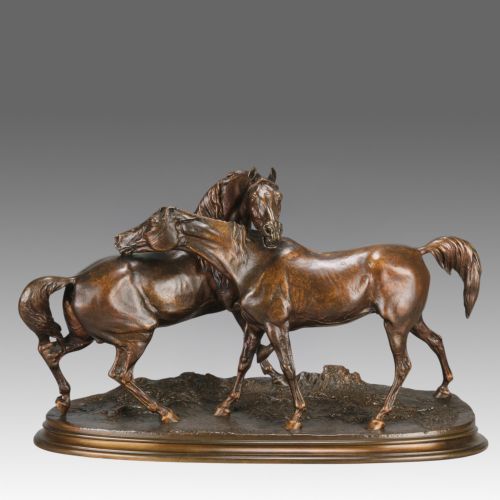
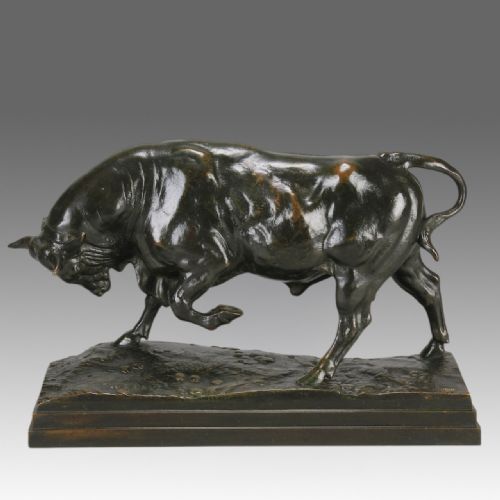
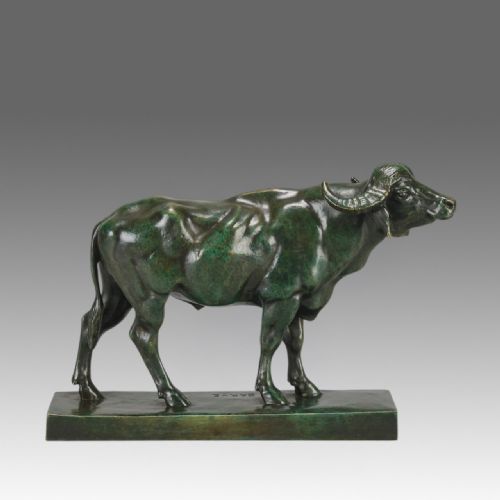
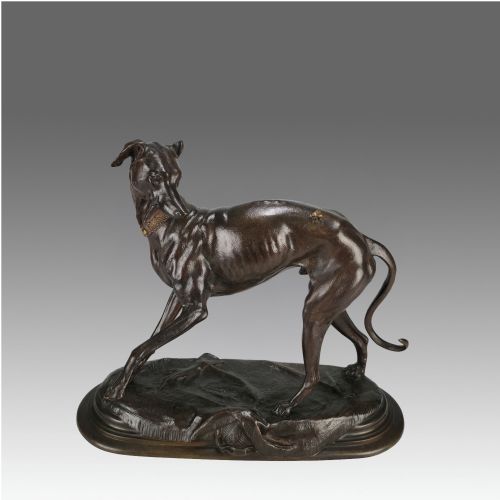
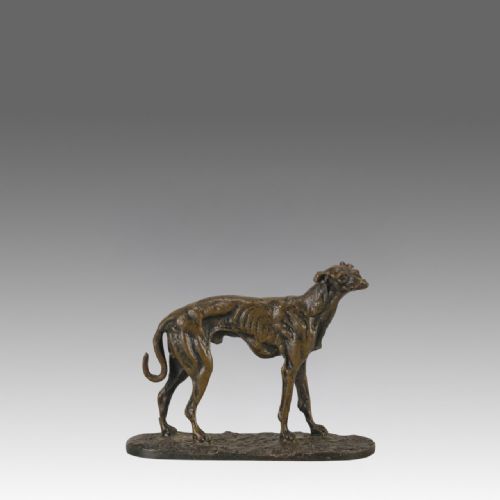
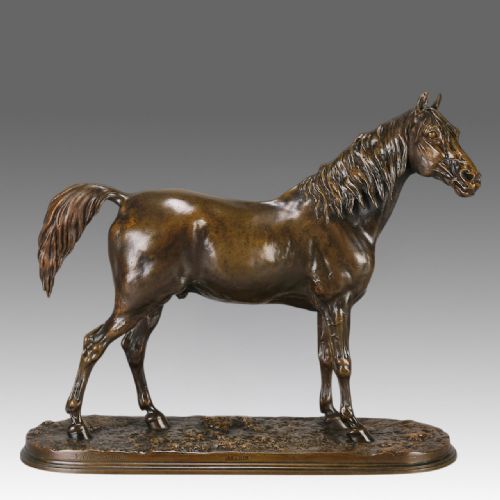
A 19th century bronze animal captures the tension of wildlife or the familiar posture of a domestic pet through sculptural metalwork.
19th Century Bronze Animal
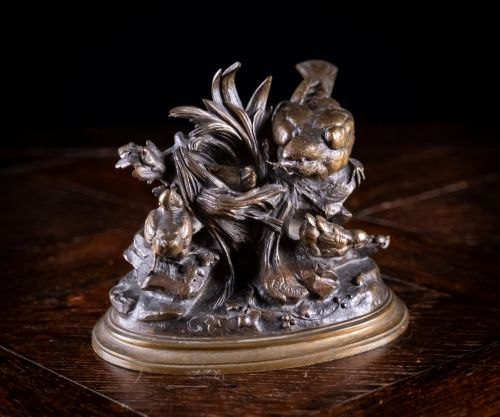
A 19th century bronze animal brings realistic or characterful creature studies into interior spaces through sculptures, inkwells, and desk accessories.
The prevalent style is French Animalier, capturing lions, hounds, stags, and hares with anatomical accuracy or theatrical detail.
Pieces range from intimate cabinet statuettes to substantial group sculptures involving predators and prey.
Origin points span French Parisian foundries, Meiji period Japanese workshops, and Indian craftsmanship.
Distinguishing Quality
The distinction between tiers rests upon the crispness of the chase-work, where superior chiselling defines individual hairs and facial expressions without blurring.
Compositional balance and the fidelity of the cast to the sculptor's original model dictate the artistic merit of the animal study.
A French bronze bear dressed as a dentist holds dental tools, proving 19th-century animal sculptors possessed a wicked sense of humour.
P J Mêne·Antoine Louis Barye·Alfred Barye·Prosper Lecourtier·Alfred Dubucand·Delabrierre·Antoine L Barye·Jules Moigniez·Christophe Fratin·Arthur Waagen·G.GARDET·Genryusai Seiya·Pierre-Jules Mêne·Isidore J Bonheur
The 19th Century Bronze Animal Glossary
- Animalier
- A 19th-century artistic movement focused on the realistic portrayal of animals, particularly predators and domestic beasts. Practitioners studied live subjects in menageries to achieve anatomical truth.
- Patina
- The chemical or natural surface coloration of bronze resulting from age and deliberate treatment. Dark patinas contrast with bright highlights on exposed metal edges.
- Ormolu
- Gilt bronze created by applying a finely ground high-carat gold-mercury amalgam to a bronze object. The technique produces a rich golden decorative finish.
- Lost-wax casting
- A metal-casting method where a wax model is melted out of a mould to create a cavity for molten bronze. This technique allows for complex undercuts and fine detail.
- Meiji period
- The era of Japanese history from 1868 to 1912 marked by opening trade with the West. Japanese bronzes from this time often feature elaborate domestic and exotic wildlife.
19th Century Bronze Animal: Frequently Asked Questions
What is an animalier bronze?
An animalier bronze is a 19th-century sculpture focusing specifically on animals in realistic or dramatic poses. These works were created by specialised sculptors working closely with Parisian foundries.
Subjects ranged from domestic dogs and farm animals to wild lions, tigers, and stags caught in motion.
How do I identify foundry marks?
Foundry marks and signature stamps often appear cast directly into the bronze base or along the edge of the plinth. Names like Barbedienne indicate the workshop responsible for the cast.
Signatures usually represent the sculptor who modelled the original piece rather than the artisan who poured the metal.
Are marble bases original?
Many 19th-century animal bronzes were intentionally mounted on shaped marble plinths or olive wood bases by the foundry. These mounts provided weight and architectural framing for the sculpture.
Fit and proportion between the metal feet and the stone surface help confirm period authenticity.
How should I clean a bronze sculpture?
Cleaning requires only a soft, dry cloth to remove dust from crevices and patinated surfaces. Avoid chemical polishes, abrasives, or water, as these can strip the original chemical patina.
Occasional light application of microcrystalline wax helps protect the surface finish from atmospheric moisture.