



19th Century Brass Pocket
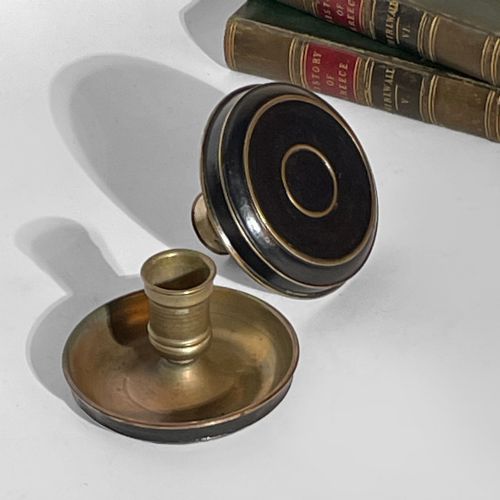
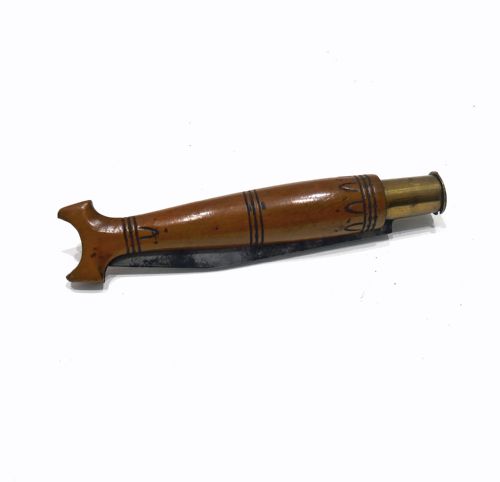
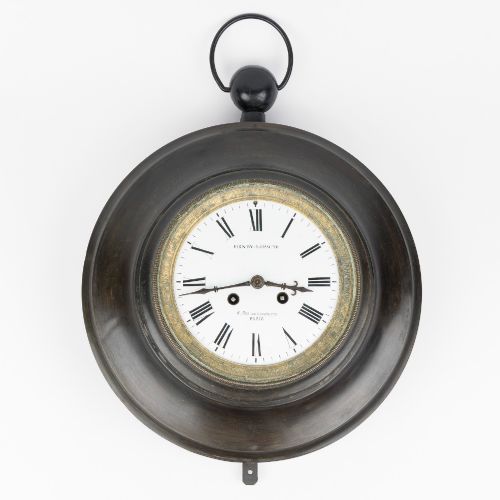
These 19th century brass pocket pieces span scientific instruments, desk accessories, and personal containers built for daily carry or precise observation.
19th Century Brass Pocket
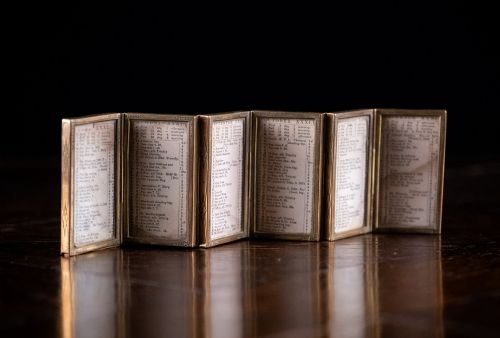
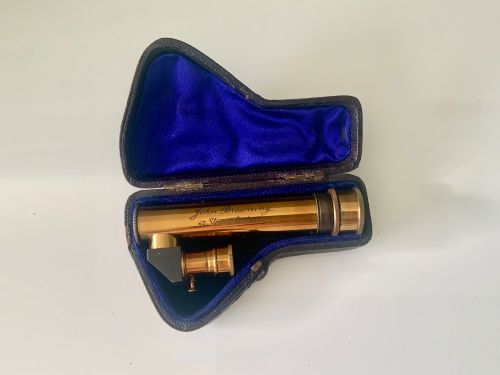
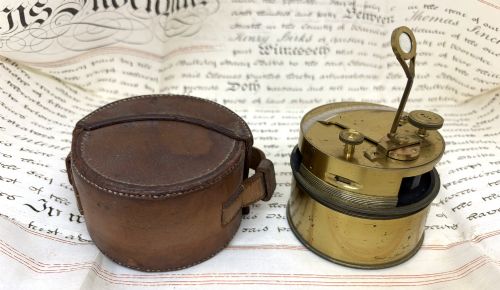
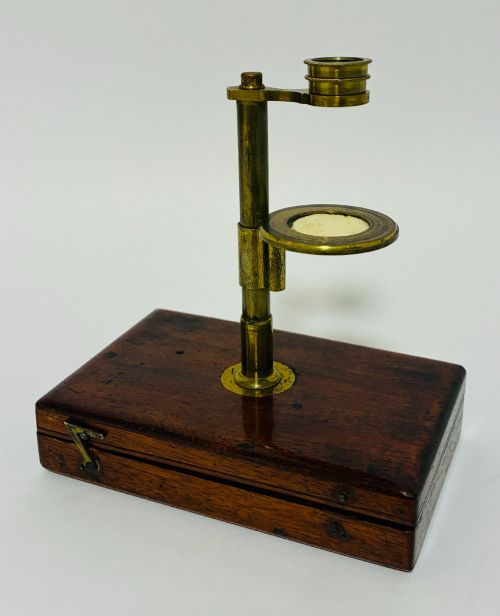
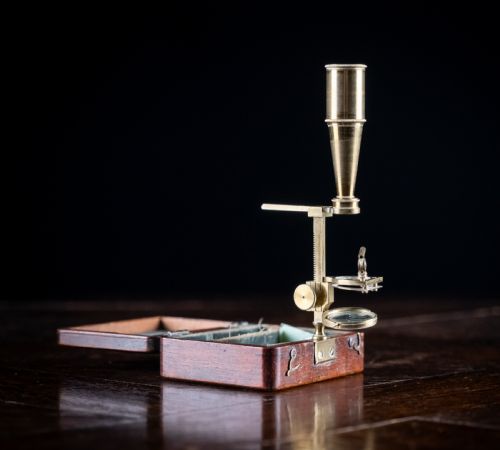
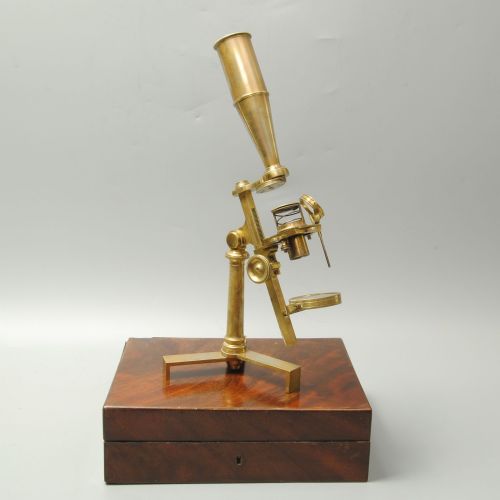
When you search for 19th century brass pocket, you encounter a diverse group of portable objects designed for utility, navigation, science, and personal indulgence. These items range from pocket barometers and field microscopes to snuff boxes, vesta cases, and travelling almanacs housed in protective brass mounts.
The objects most frequently met here combine solid brass housings with utilitarian or scientific functions, reflecting the industrial capacity and mechanical interests of the period. Whether handling a pocket galvanometer, a surveying compass, or an engraved tobacco box, the primary purpose of each piece was portability combined with robust construction.
Origins span English, French, American, and Dutch workshops, encompassing Georgian, Regency, and Victorian stylistic influences. Many pieces retain their original fitted cases made of mahogany, walnut, or leather, complete with glass lenses and delicate paper components.
How they were made
Makers utilised cast and sheet brass, shaping the metal through stamping, turning, and engraving to create both structural frames and decorative outer shells. Brass was chosen for its durability, resistance to corrosion, and capacity to hold precise mechanical threads and hinges.
Glass, leather, paper, and velvet appear alongside the metal, serving as protective lenses, fitted case linings, or integral components like miniature almanacs and notebooks. Steel and copper are incorporated where spring tension, cutting edges, or specific tonal contrasts are required.
19th Century Brass Pocket Retail Price Guide 2026
Typical asking prices for 19th century brass pocket among the pieces listed under this phrase on Sellingantiques today, from the lower quarter to the upper quarter. They describe what is for sale here now, not the wider market.
What varies in quality
The distinction between standard utility items and superior examples lies in the crispness of the engraved inscriptions, the tightness of the mechanical tolerances, and the completeness of accompanying accessories. Master makers signed their scientific instruments and housed them in fitted timber cases lined with velvet.
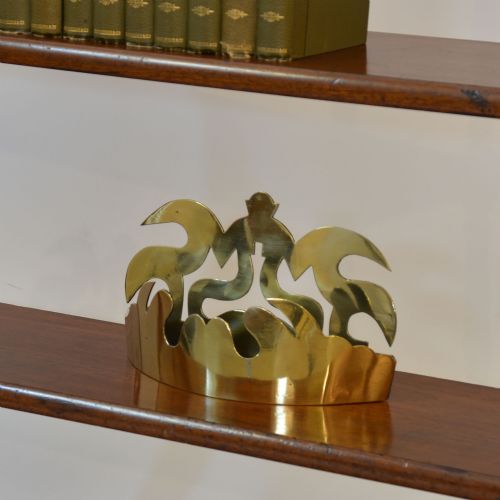
Quality is also evident in the thickness of the brass gauge and the refinement of decorative cast details, such as ornate crowns or figural reliefs on snuff boxes. Pieces retaining original glass lenses, legible paper dials, and functional locking mechanisms command greater attention from collectors.
John Browning Strand London·Cary London·Alfred Apps·Francis West·Emma Kendrick
The 19th Century Brass Pocket Glossary
- Theodolite
- A precision surveying instrument used for measuring horizontal and vertical angles. It typically incorporates brass circles, leveling screws, and folding sighting arms.
- Galvanometer
- An electromechanical measuring instrument used to detect and measure small electric currents. Victorian pocket versions were housed in compact brass cases with glass viewing windows.
- Vesta Box
- A small container designed to hold safety matches. These often feature textured striking surfaces on the base and hinged lids.
- Stanhope Lens
- A type of cylindrical magnifier that reveals a microscopic photograph when held up to the eye. They were frequently mounted into miniature viewers and souvenirs.
- Chondrometer
- A specialised instrument used to measure the weight or density of grain. These were often stored in fitted mahogany boxes with brass balance beams and weights.
19th Century Brass Pocket: Frequently Asked Questions
What are these brass pocket items?
These pieces comprise portable 19th-century instruments, containers, and personal accessories constructed primarily from brass.
They include scientific tools like pocket microscopes and barometers, alongside everyday carry items such as snuff boxes and vesta cases.
How were pocket microscopes used?
Botanical field microscopes and Stanhope lenses allowed naturalists and travellers to examine plants, insects, and tiny text while away from the laboratory.
Users focused the lenses manually using adjustable brass sleeves or focus screws fitted to the compact frames.
How should I clean brass pocket items?
Antique brass surfaces benefit from gentle dusting with a soft dry cloth to preserve historic patination and engraved detail.
Avoid aggressive metal polishes that strip away the aged surface character accumulated over the centuries.
How do I identify a Victorian scientific instrument?
Victorian instruments frequently display maker signatures, London addresses, and patent descriptions engraved directly onto the brass body or dial.
They are often accompanied by fitted mahogany or walnut cases lined with velvet to protect the delicate glass optics.