


19th Century Brass Bedstead
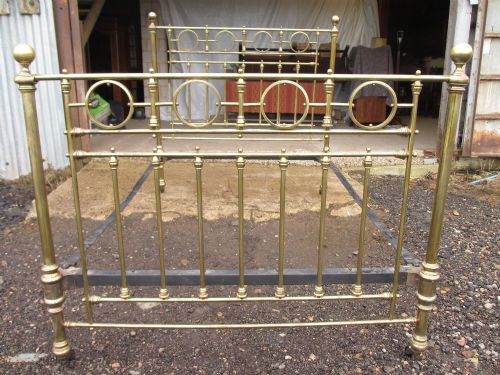
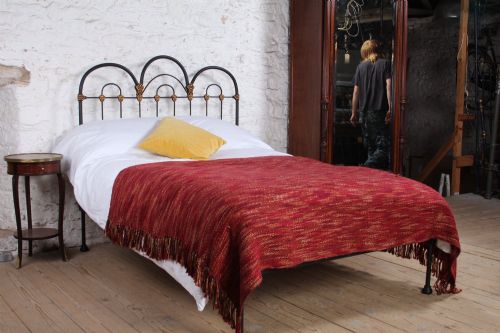
A 19th century brass bedstead brings structural weight and warm metallic lustre to a bedroom, combining robust metal framing with ornamental detail.
19th Century Brass Bedstead
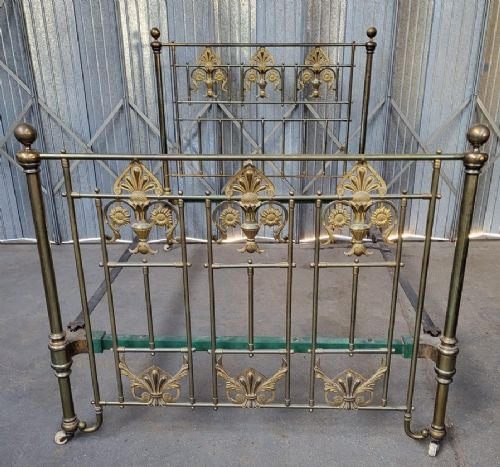
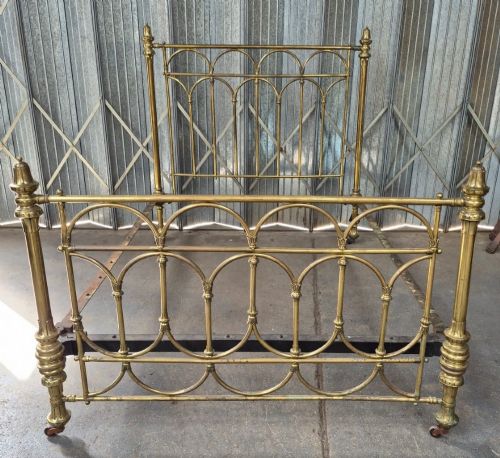
A 19th century brass bedstead is a substantial sleeping platform constructed primarily during the Victorian era, utilising heavy metals for both support and decoration. Buyers seeking these items encounter a variety of scales ranging from single sizes to expansive king and super king dimensions.
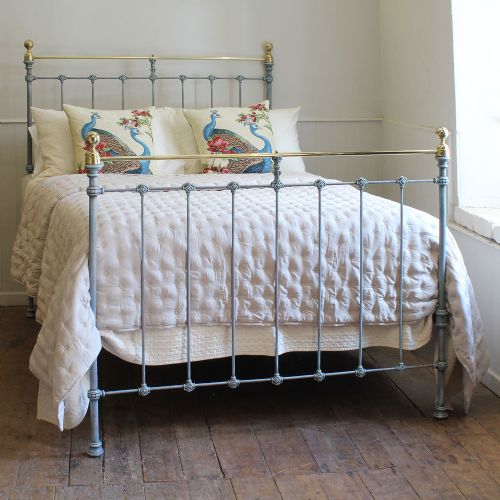
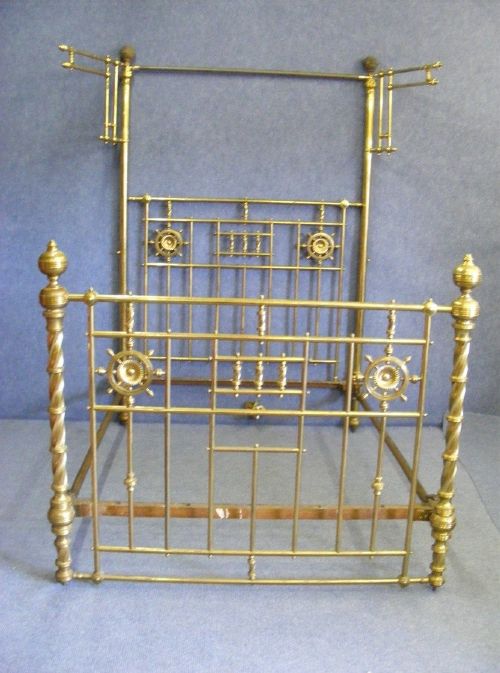
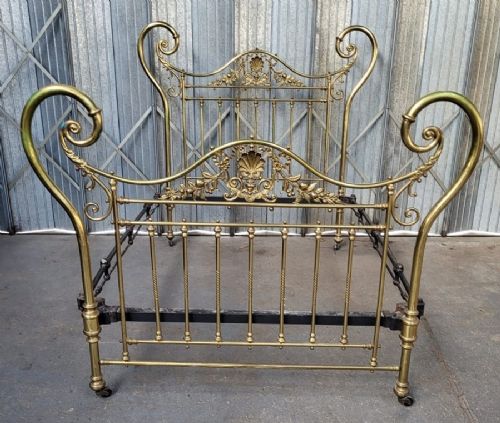
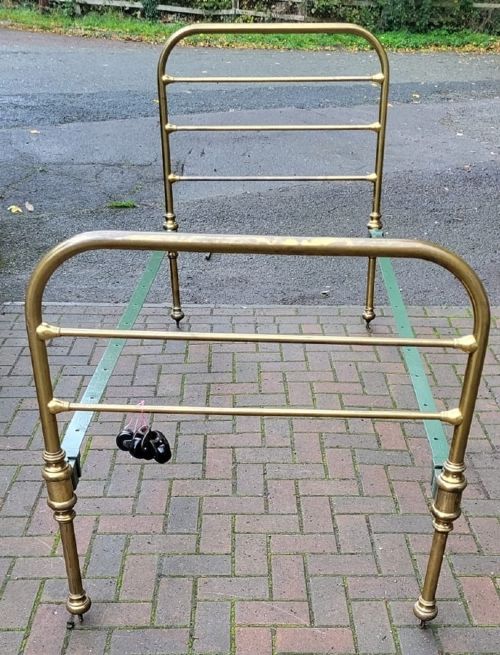
The most common formats on this page are double and king size frames, frequently incorporating iron support components alongside polished brass tubing and castings. Variations span simple straight rail designs to ornate half tester canopies and four poster configurations.
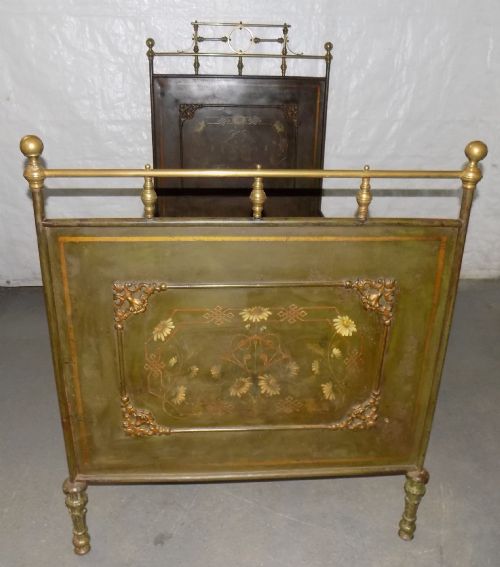
Origins represented in the inventory extend beyond standard British Victorian output to include continental examples such as French Belle Epoque and Austrian pieces, as well as distinct stylistic movements like Gothic Revival and Aesthetic Movement.
Materials and construction methods
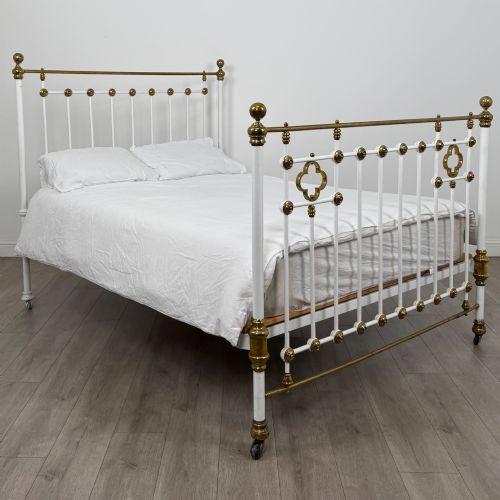
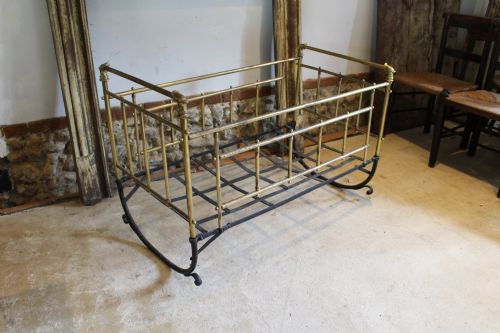
These bedframes rely on a combination of brass and iron, utilising cast iron or wrought iron for hidden slot-in frames and structural load-bearing elements. Brass tubing forms the primary visible posts and rails, joined by decorative brass castings and occasionally accented with ormolu, ceramic elements, or toleware.
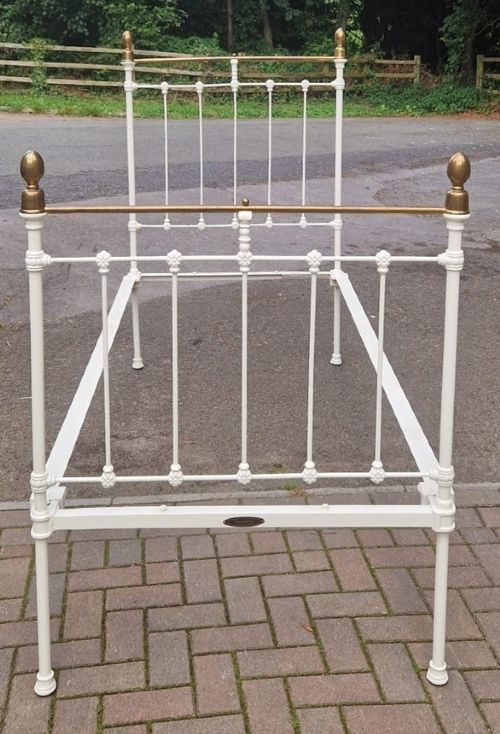
Makers employed specialised metalworking techniques to shape tubing and secure heavy corner mounts, often mounting the completed assemblies on castors for mobility. Surface finishes range from bright polished brass to painted iron surfaces in cream or black.
Several listings include original castors, allowing these heavy metal beds to glide across the floor with surprising ease.
Distinctions in craftsmanship
Quality in these pieces is dictated by the complexity of the casting work and the robustness of the structural frame, where finely chased details and heavy-gauge brass tubing distinguish superior workshops. Simpler single rails contrast with elaborate half tester canopies and four poster frames that require advanced joinery and substantial metal mass.
The integration of maker signatures, specialised styling such as Gothic Revival or Arts and Crafts motifs, and the original pairing of iron slot-in frames with castors elevate certain examples above standard commercial production.
RW Winfield·James Shoolbread & Co.
The 19th Century Brass Bedstead Glossary
- Bedstead
- The framework of a bed, consisting of posts, rails, and supports designed to hold a mattress and base. It excludes the bedding itself.
- Half Tester
- A canopy bed style where the tester or roof extends only partway over the head of the bed rather than covering the entire length.
- Slot-in Frame
- An iron or metal structural support system designed so that side rails slot securely into the headboard and footboard posts without complex bolts.
- Toleware
- Metalware painted or lacquered in japanning styles, often appearing on continental bedframes of the period.
- Ormolu
- Gilded bronze or brass applied as decorative mounts and accents on furniture frames.
19th Century Brass Bedstead: Frequently Asked Questions
How do I assemble a 19th century brass bed?
Most frames use iron slot-in side rails that lock directly into the vertical corner posts of the headboard and footboard without requiring complex tools.
Once the side rails are seated firmly into place, cross slats or a modern mattress base drop onto the interior ledges to provide support.
Will a standard mattress fit these antique beds?
Many nineteenth-century frames were built to historical sizing standards that differ slightly from modern metric dimensions. It is essential to check the specific internal length and width measurements of each individual bedstead against your mattress size.
Custom mattress makers can easily supply bespoke dimensions if the frame falls outside standard commercial sizing.
Are these beds sturdy enough for daily use?
The combination of heavy iron frames and robust brass construction makes these bedsteads exceptionally strong and durable for everyday sleeping.
Modern replacement slats or reinforced internal frames are frequently added to enhance stability while preserving the historic exterior appearance.
How do I clean and polish the brass?
Regular dusting with a soft, dry cloth prevents the buildup of surface grime on polished brass tubing and detailed castings. Avoid harsh abrasive cleaners that can strip protective lacquers or vintage patination from the metal surface.