

1960s Wrist Watch
A 1960s wrist watch brings mid-century mechanical engineering and restrained modernist design directly to the wrist.
1960s Wrist Watch
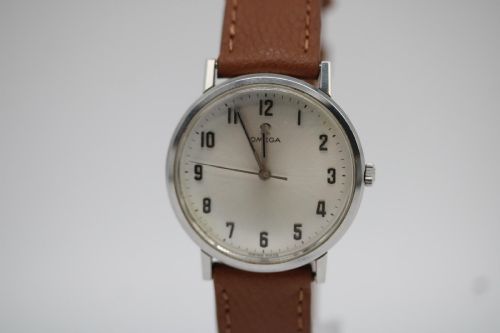
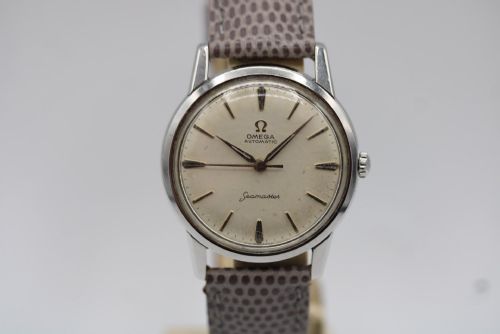
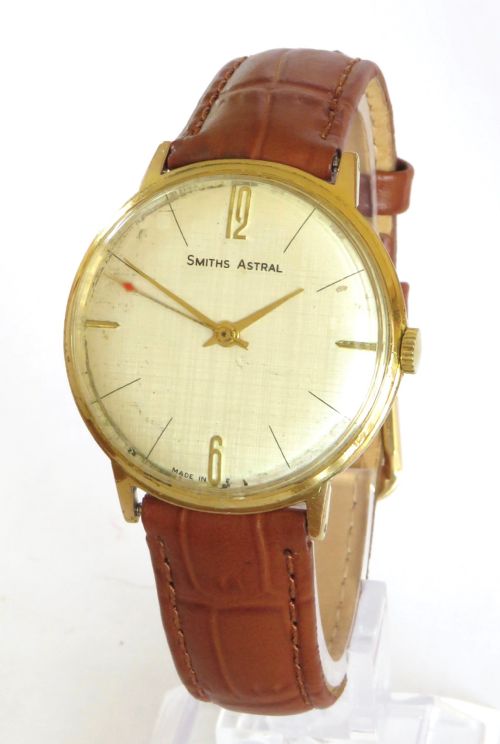
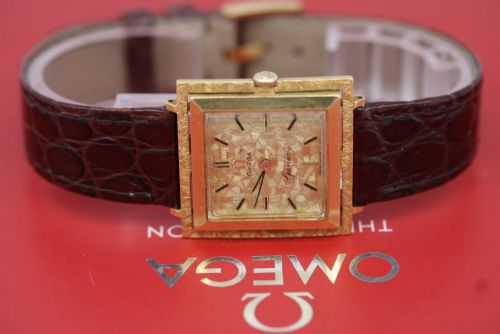
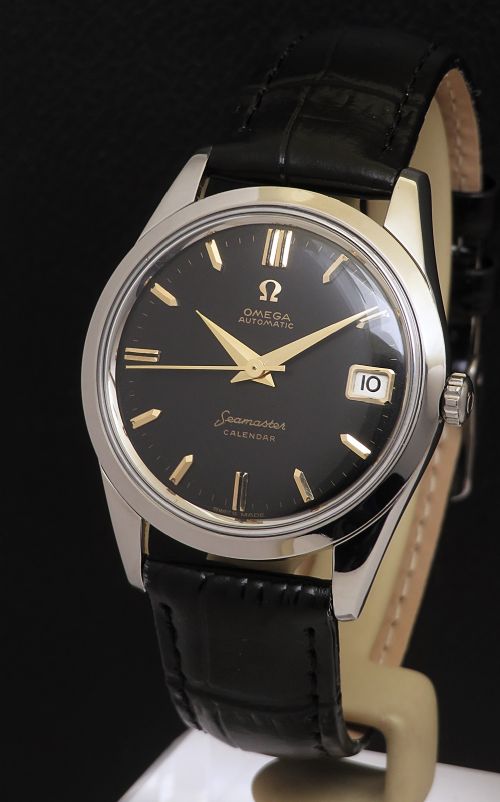
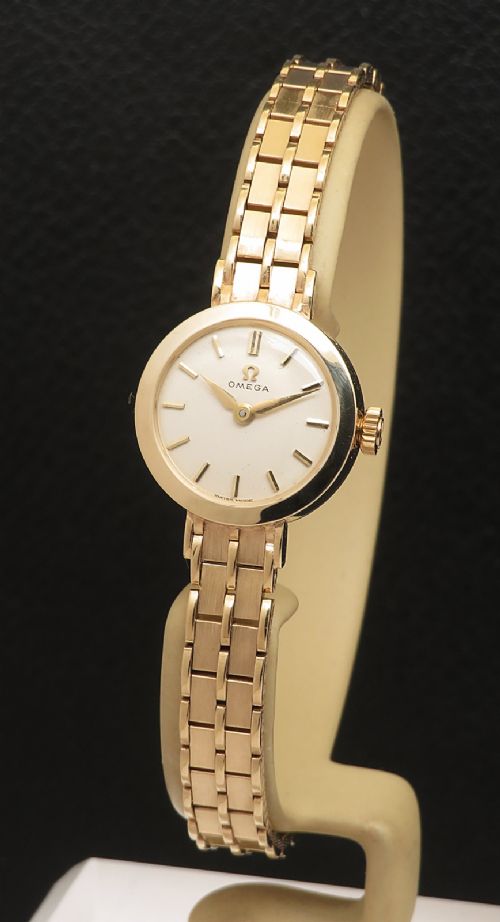
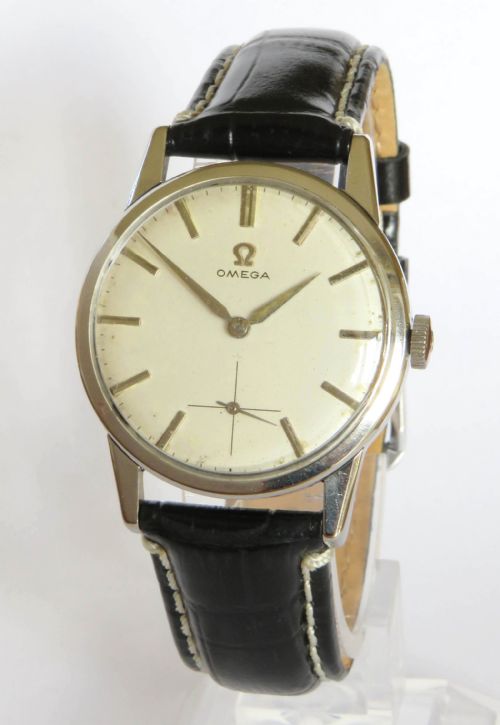
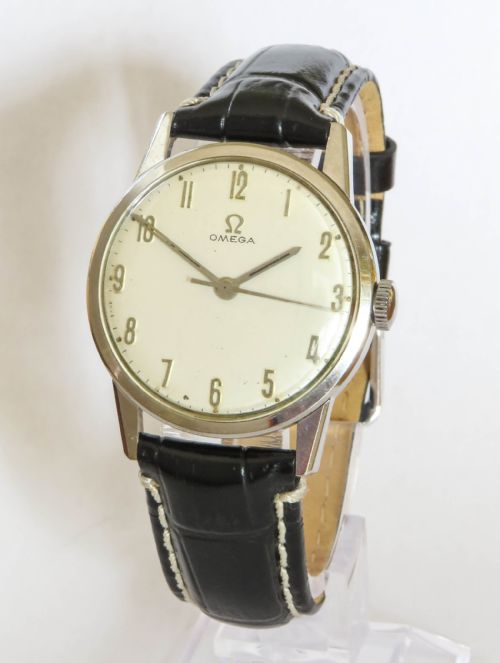
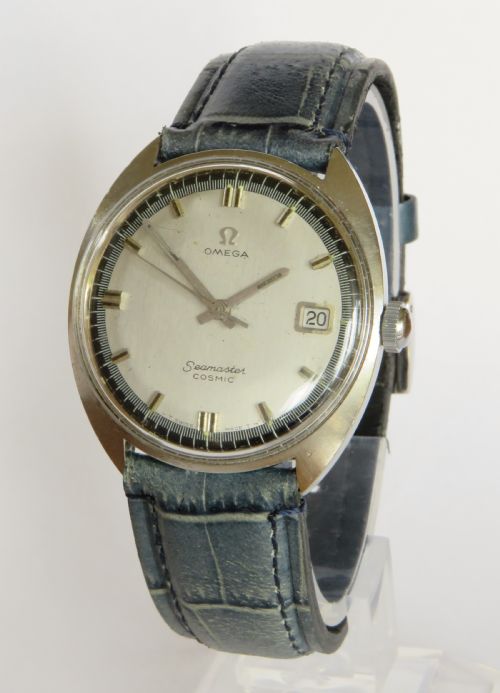
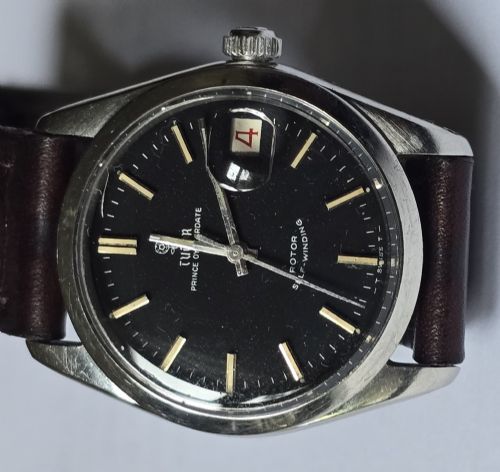
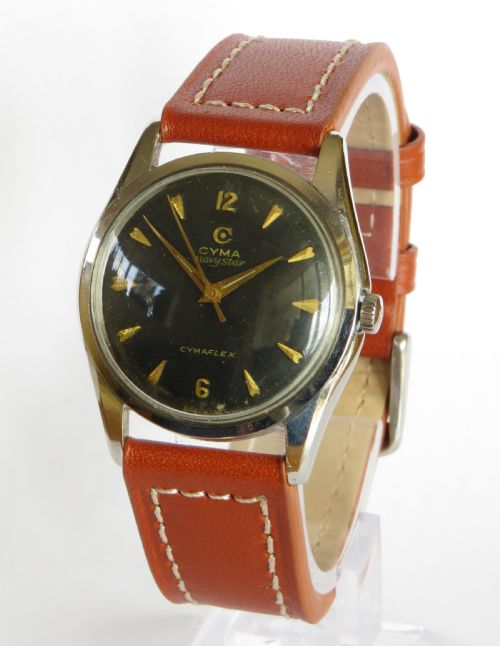
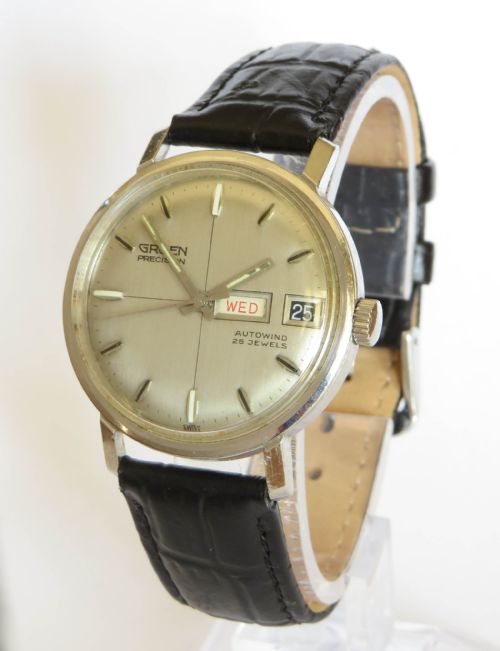
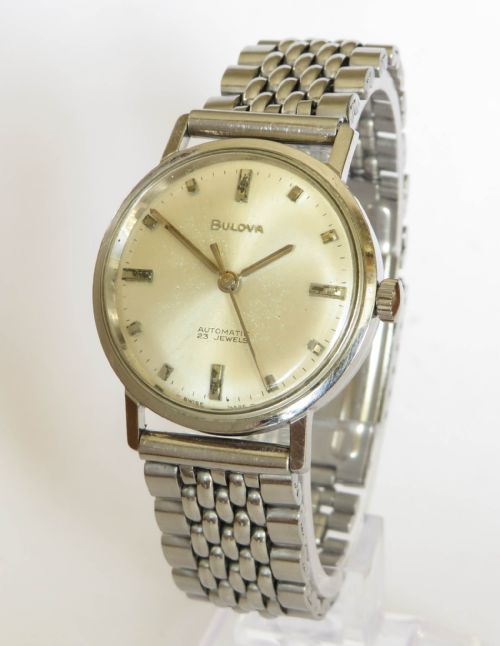
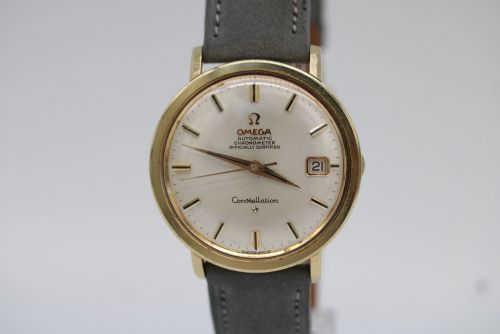
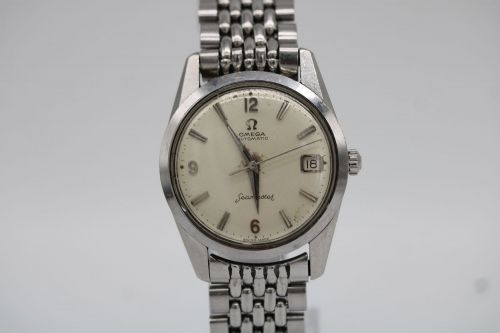
When you search for a 1960s wrist watch, you encounter mechanical timepieces spanning the middle decades of the twentieth century, often styled with mid-century modern lines. The pieces available here include gents dress watches, automatic chronometers, and ladies cocktail watches designed for formal wear.
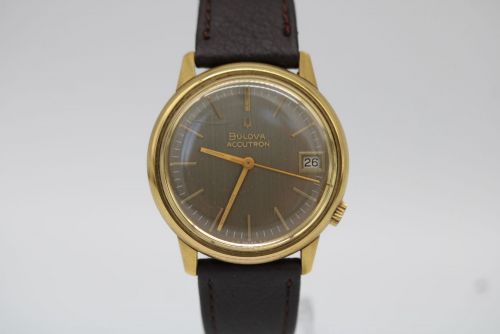
The most common forms on this page are gents models in stainless steel or gold plate, alongside solid gold variants from makers such as Omega and Bulova. These pieces reflect the shift toward slimmer profiles and distinct dial layouts that defined the decade.
Materials and construction
Cases are formed from stainless steel, gold plate, 9ct gold, 14ct gold, and 18ct white gold, paired with leather straps and acrylic crystals over the dial. Ladies cocktail variations incorporate diamonds set into gold housings.
Movements rely on mechanical calibres, manual wind mechanisms, and early electronic tuning fork technology such as the Bulova Accutron. Dials range from clean metallic finishes to patinated surfaces and specialised layouts like the black smiley dial.
1960s Wrist Watch Retail Price Guide 2026
Typical asking prices for 1960s wrist watch among the pieces listed under this phrase on Sellingantiques today, from the lower quarter to the upper quarter. They describe what is for sale here now, not the wider market.
Some dials feature a subtle curved smile shape beneath the hands, adding a touch of personality to mid-century timekeeping.
Distinctions in quality
The distinction between standard production pieces and superior examples rests on the grade of the movement, the material purity of the case, and the originality of components. Solid precious metal housings and factory-original dials elevate a piece above standard gold-plated alternatives.
The presence of original documentation, branded boxes, and preserved signed crowns distinguishes well-maintained specimens from those with replaced components or heavily polished cases.
Omega·Tudor·Cyma·Bulova·Gruen·Rolex·Avia·Seiko·Marvin·Tissot·Gloriosa·Certina·Smiths·Zenith·Ensign·Eterna·Girard Perregaux·Garrard·Invicta·Felca
The 1960s Wrist Watch Glossary
- Automatic
- A self-winding mechanical movement that uses a weighted rotor to wind the mainspring through the natural motion of the wearer's wrist.
- Calibre
- The specific internal movement model designation used by a watch manufacturer to identify its mechanical design.
- Cocktail watch
- A small, decorative ladies timepiece often encased in precious metal and accented with gemstones for evening wear.
- Acrylic
- A lightweight, shatter-resistant plastic material commonly utilised for watch crystals during the period.
- Patina
- The natural ageing and discoloration on a watch dial that develops over decades of exposure to light and air.
1960s Wrist Watch: Frequently Asked Questions
Are 1960s wrist watches waterproof?
Most watches from this decade offer limited resistance to moisture compared to modern standards, even if marked as waterproof or hermetic at the time.
Gaskets and seals degrade over decades, so swimming or showering with a vintage piece is generally discouraged by collectors.
How do I wind a manual watch?
Turn the crown clockwise between your thumb and forefinger until you feel gentle resistance.
Stop winding immediately when the tension increases to avoid damaging the mainspring inside the movement.
What is an automatic movement?
An automatic movement winds itself using an internal weighted rotor that pivots as your arm moves throughout the day.
This mechanism removes the need for daily manual winding while the watch remains in regular use.
How should I store my watch?
Store the timepiece in a dry environment away from direct sunlight, extreme temperature fluctuations, and strong magnetic fields.
Using a dedicated presentation box or a padded watch roll protects the case finish and the leather strap from unnecessary wear.