




1960s White Gold Ring
A 1960s white gold ring brings the crisp, silvery lustre of mid-century design to the hand, offering sharp contrast to warm yellow gold.
1960s White Gold Ring
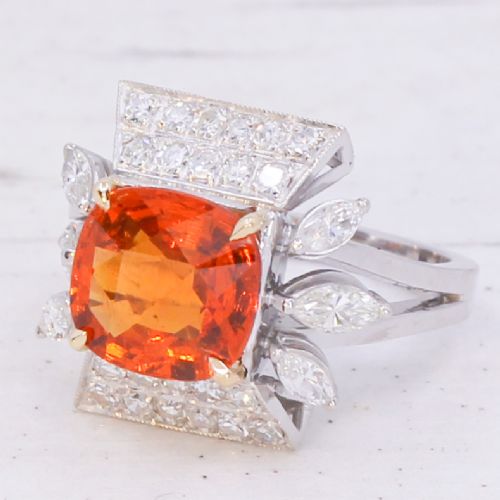
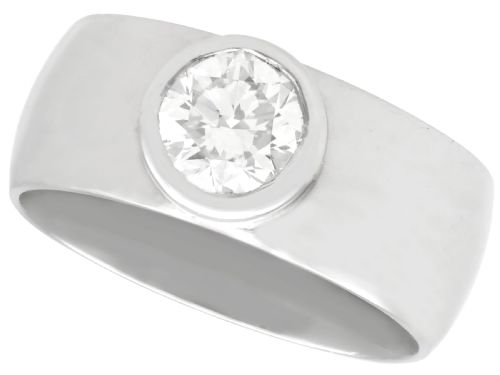
A 1960s white gold ring captures the structural experimentation of mid-century modern design alongside revivals of earlier aesthetics. Buyers encounter everything from neat engagement solitaires to substantial cocktail rings set with coloured stones.
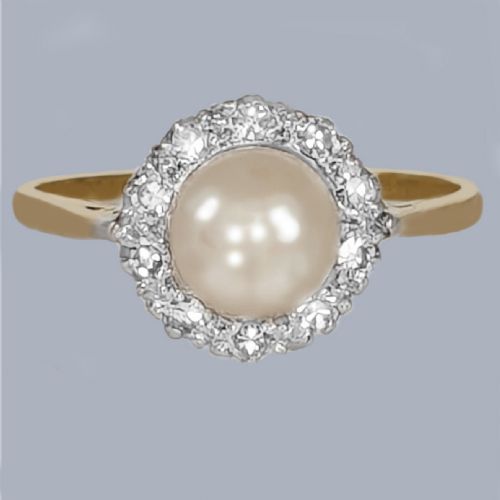
The selections span engagement rings, dress rings and cluster forms. Most pieces date precisely to the 1960 decade, drawing on materials and styles of the period.
The prevailing aesthetic leans towards clean geometric arrangements, cluster settings and classic trilogies. These pieces bridge the gap between traditional craftsmanship and modern minimalism.
Materials and Construction
Craftsmen utilised white gold, often in 14ct or 18ct purity, frequently paired with platinum settings to secure the stones safely. This combination provided a bright, enduring framework for diamonds, sapphires, garnets and pearls.
Gemstones include brilliant cut and old cut diamonds alongside colourful accents like emeralds, sapphires and garnets. Settings range from delicate multi-stone clusters to bold solitaire mountings.
Mid-century and Art Deco Revival aesthetics dominate the styles, encompassing cocktail, engagement, cluster and dress ring forms.
Assessing Quality
The standard of a 1960s white gold ring rests upon the precision of the stone setting and the integrity of the metalwork. Master jewellers ensured clean lines and secure claw or bezel placements that endure through decades of wear.
Gemstone selection dictates the upper tier of pieces, where clear colour saturation in sapphires or superior diamond cut grades elevate the design. The weight and thickness of the gold shank also signal the original maker's investment in durability.
The 1960s White Gold Ring Glossary
- White gold
- An alloy of gold combined with white metals such as palladium or silver to produce a pale, silvery hue. It gained immense popularity during the mid-century for its cool tone.
- Cluster ring
- A design featuring a central gemstone surrounded by a group of smaller stones. This arrangement maximises visual impact and sparkle.
- Solitaire
- A ring featuring a single set gemstone, most commonly a diamond. It represents the quintessential choice for engagement rings.
- Trilogy ring
- A three-stone ring symbolising the past, present and future. These pieces typically display graduated or matching diamonds.
1960s White Gold Ring: Frequently Asked Questions
What defines a mid-century ring style?
Mid-century ring styles embrace clean geometric lines, abstract cluster formations and architectural mountings. They reflect the post-war shift towards modernism in jewellery design.
These pieces often combine traditional gemstones with innovative basket settings that lift the stones to catch the light.
How do I identify white gold from platinum?
White gold and platinum share a similar cool, silvery appearance but differ in weight and hallmarks. Platinum is denser and heavier than gold.
Examining the inner shank for official hallmarks reveals the specific metal purity and origin of the piece.
What stones are typical for this period?
Diamonds dominate the era, frequently accompanied by sapphires, emeralds, garnets, opals and natural pearls. These stones appear in both delicate solitaires and dense clusters.
Coloured gems were often chosen to add vibrant contrast to the bright white metal bands.