
1960s Swiss Automatic Watch
A 1960s swiss automatic watch delivers mid-century mechanical precision alongside enduring horological style.
1960s Swiss Automatic Watch
A 1960s swiss automatic watch represents a period of significant technical refinement in horology, combining self-winding mechanical movements with mid-century modern aesthetic sensibilities. These wristwatches originate from Swiss workshops and feature prominently in mid-century design through distinct dial configurations and case shapes.
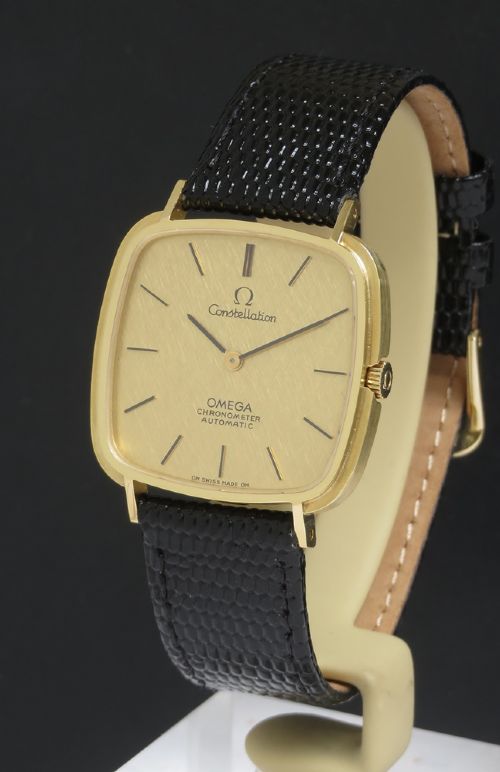
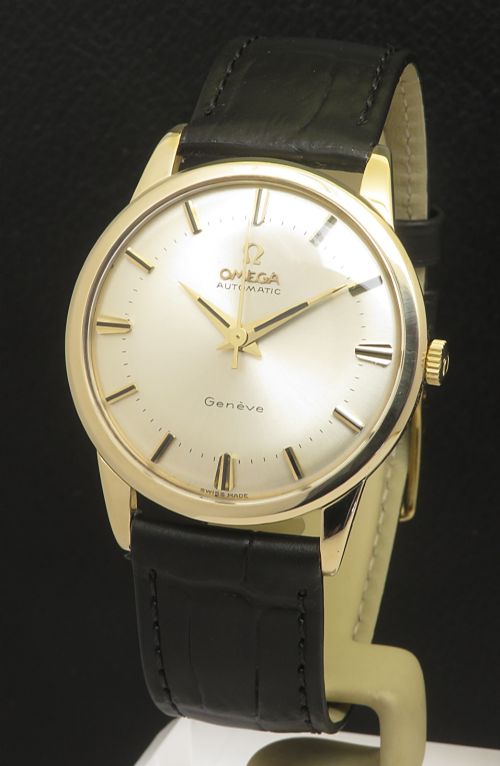
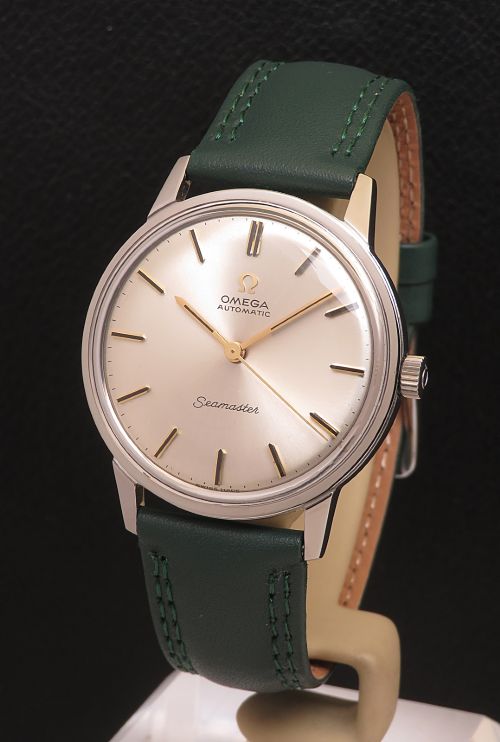
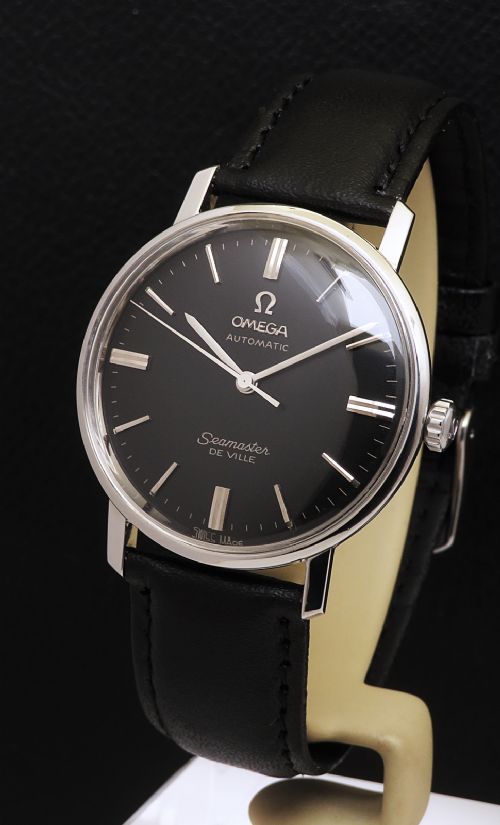
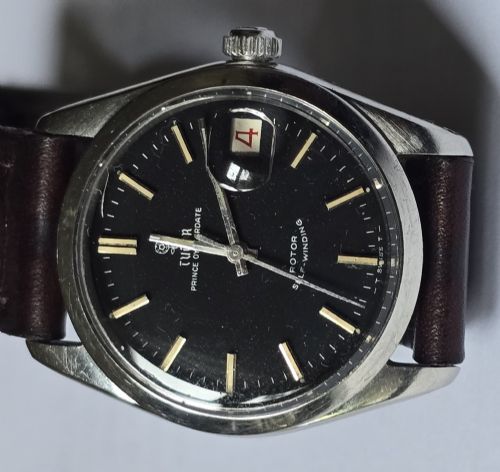
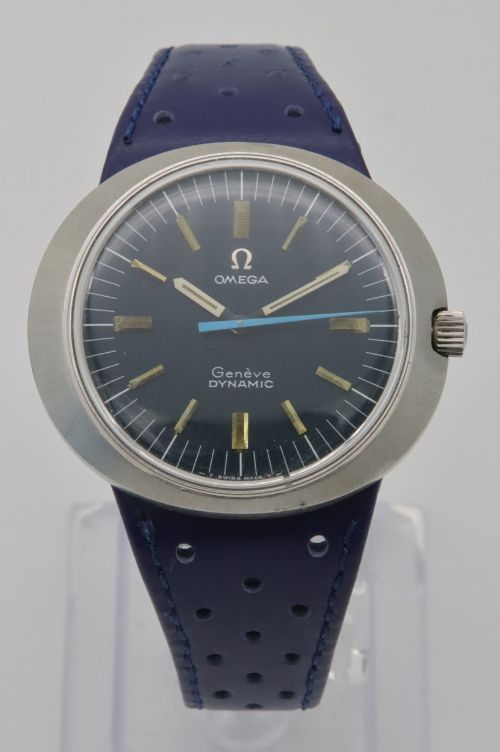
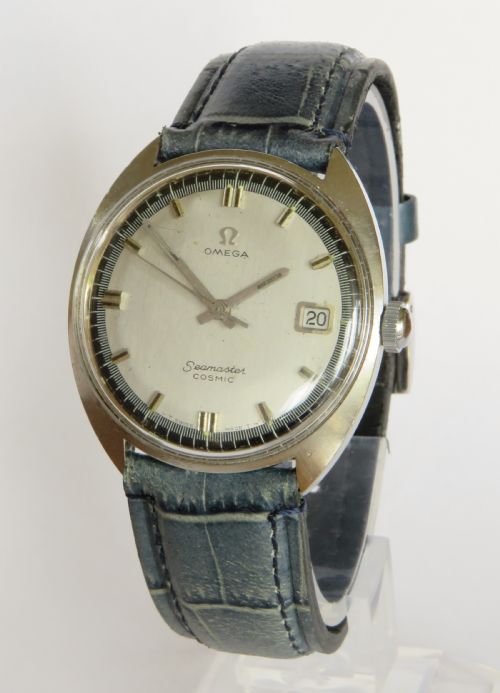
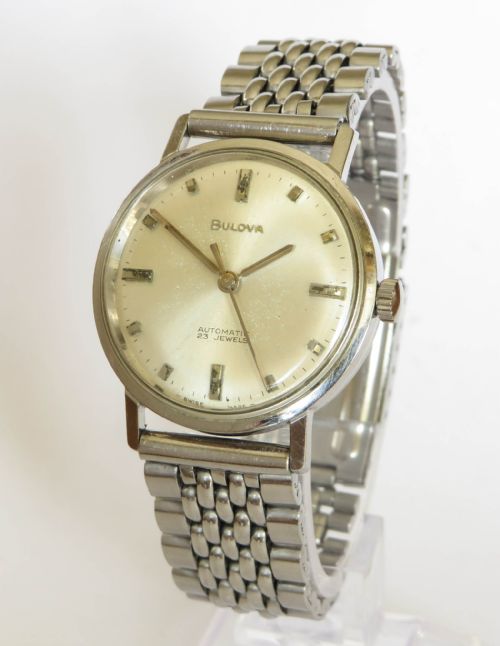
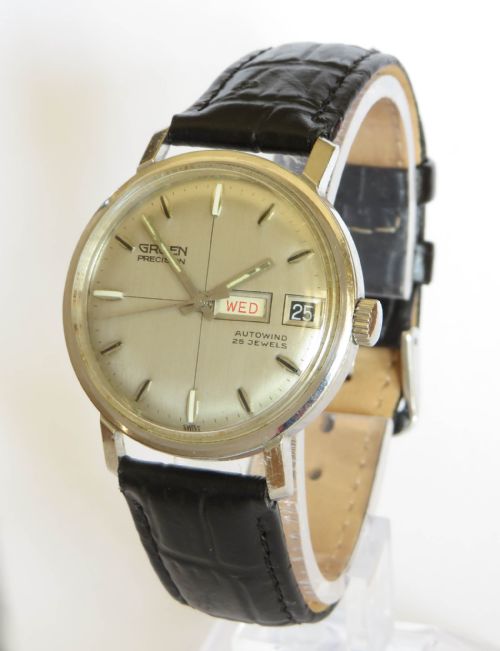
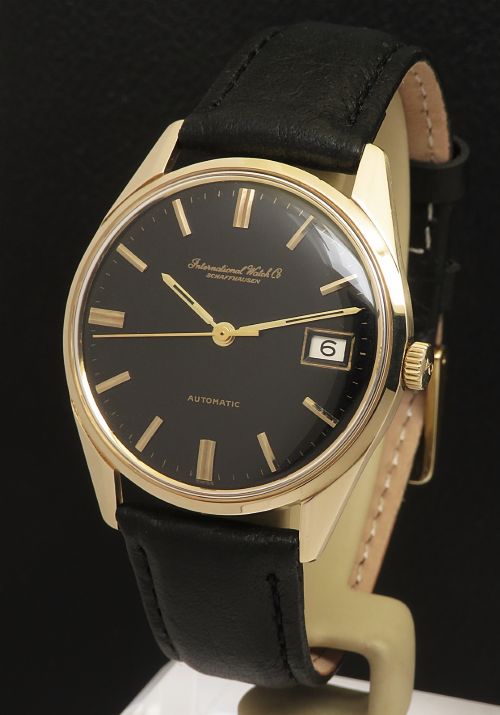
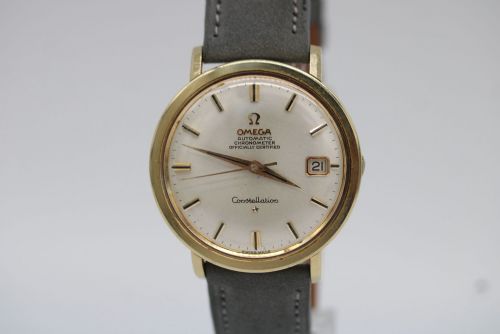
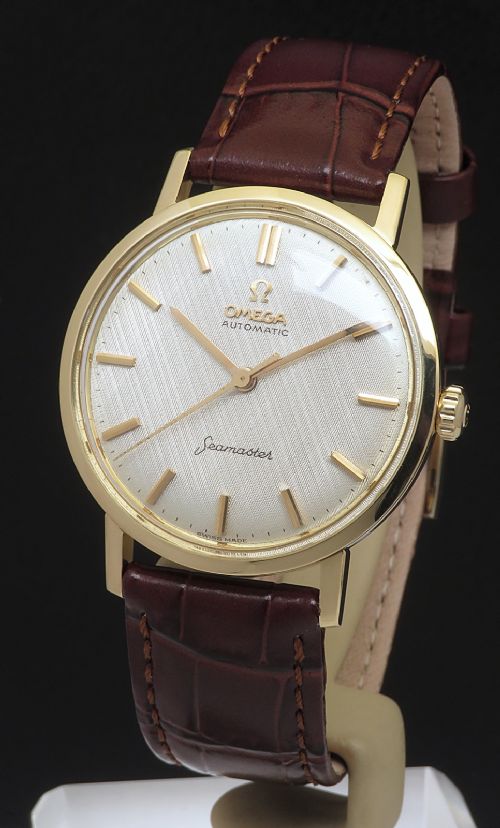
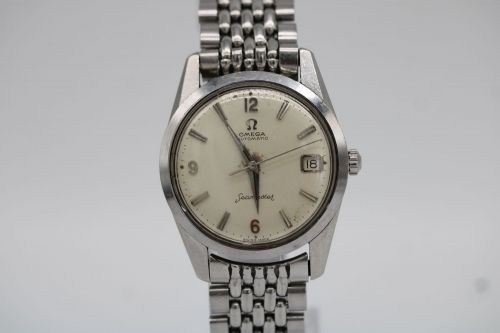
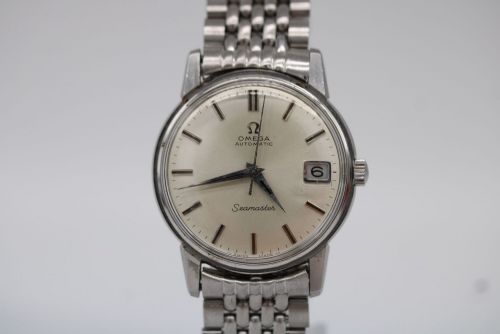
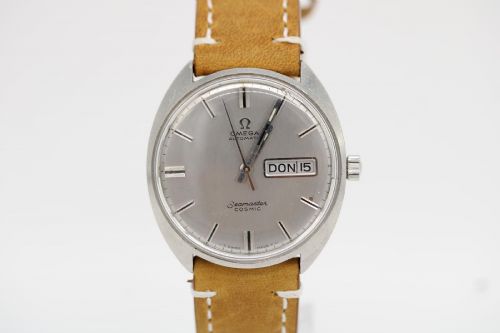
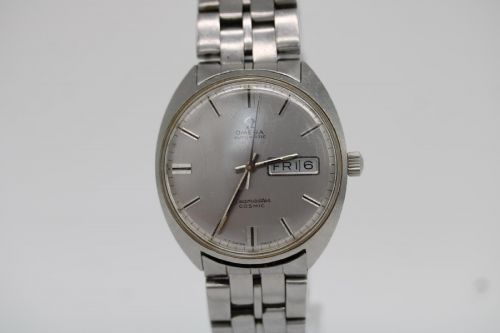
Buyers encounter various forms on this page, ranging from stainless steel dress models to solid 9ct gold and 18ct gold chronometers. The selection includes well-known lines such as the Omega Seamaster, Geneve, and Constellation, alongside pieces from manufacturers like IWC, Tudor, and Eterna-Matic.
How They Were Made
Swiss watchmakers utilised durable metals for cases, including stainless steel and precious variants like 9ct gold and 18ct gold, alongside gold plate. Dials incorporate glass, acrylic, and acrylic glass crystals to protect the face while maintaining legibility.
Movements rely on internal weighted rotors that wind the mainspring through natural wrist motion, eliminating the need for manual daily winding. Precision standards led many of these self-winding calibres to achieve chronometer certification.
One model here carries a smiling dial configuration.
What Varies in Quality
The choice of casing material alters the character and prestige of a piece, with solid 18ct gold and 9ct gold editions sitting above gold-plated and stainless steel counterparts. Internal movement complexity, such as chronometer certification and adjusted calibres, distinguishes standard production models from high-grade instruments.
Originality of components, including dials, hands, and signed crowns, defines the standing of a watch among collectors. The presence of accompanying boxes, papers, and factory documentation further elevates a piece within the market.
Omega·Tudor·Bulova·Gruen·Avia·Tissot·Longines·Eterna·Consul
The 1960s Swiss Automatic Watch Glossary
- Automatic
- A self-winding mechanical movement that uses a weighted rotor to wind the mainspring automatically during daily wear.
- Chronometer
- A high-precision watch movement that has passed official accuracy tests conducted by testing institutes.
- Calibre
- The specific manufacturer's designation for the internal movement mechanism powering the watch.
- Acrylic glass
- A lightweight, transparent plastic material utilised for watch crystals during the mid-century period.
- Reference number
- A unique code issued by the manufacturer to identify the specific model, case material, and movement type.
1960s Swiss Automatic Watch: Frequently Asked Questions
How do I wind an automatic watch?
An automatic watch winds itself through the natural motion of the wrist via an internal rotor. If the watch has stopped entirely, giving the crown a few manual turns kick-starts the movement before wearing.
After initial manual priming, regular daily wear maintains the power reserve without further intervention.
Are these watches waterproof?
Vintage models cannot maintain original water resistance ratings due to the degradation of rubber seals and gaskets over decades. Exposure to moisture should be avoided unless a professional watchmaker has recently serviced and sealed the case.
Even pieces marked as divers or water-resistant originally require careful handling around water today.
How often should a vintage movement be serviced?
Mechanical movements require periodic cleaning and lubrication to prevent wear on metal gears and pivots. A service interval of several years ensures lubricants do not dry out and gum the mechanism.
Proper maintenance preserves accuracy and protects original internal components from premature degradation.
What is the difference between gold plate and solid gold?
Gold plate applies a thin layer of gold over a base metal core, such as brass or steel. Solid gold cases consist entirely of precious metal throughout the structure, marked by official hallmarks.
Solid gold provides greater longevity and intrinsic material value compared to plated alternatives.