
1960s Omega Wristwatch
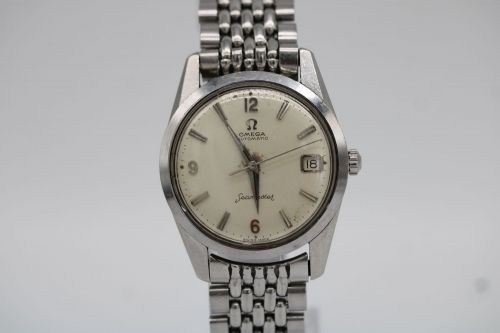
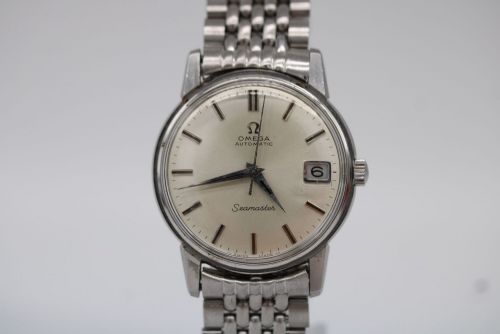
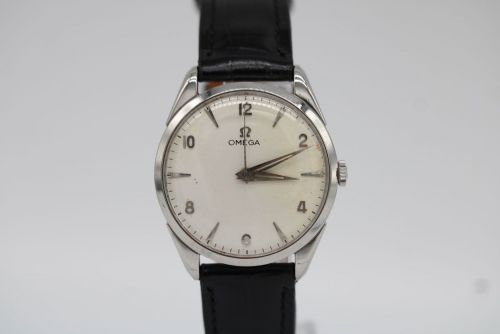
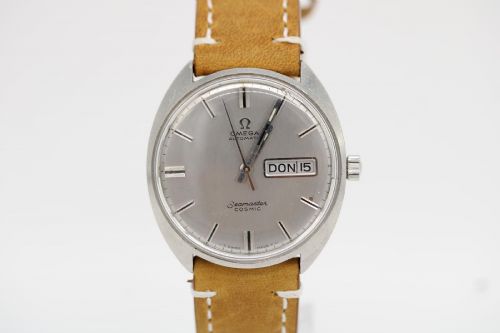
A 1960s omega wristwatch offers precision timekeeping paired with the clean lines of mid-century design.
1960s Omega Wristwatch
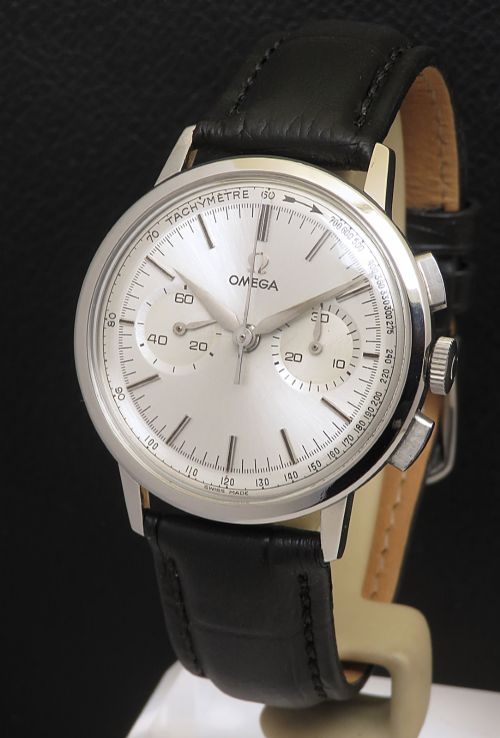
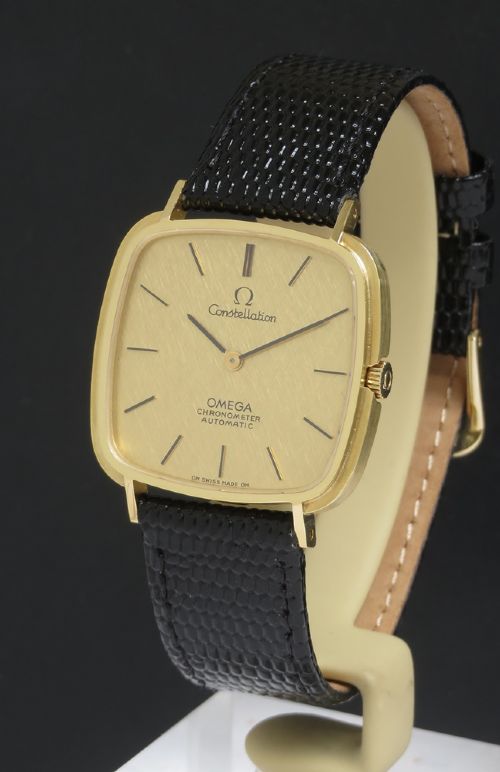
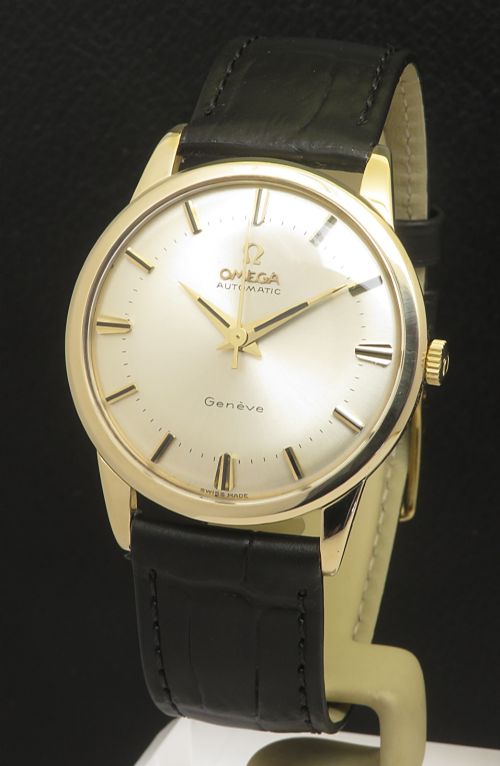
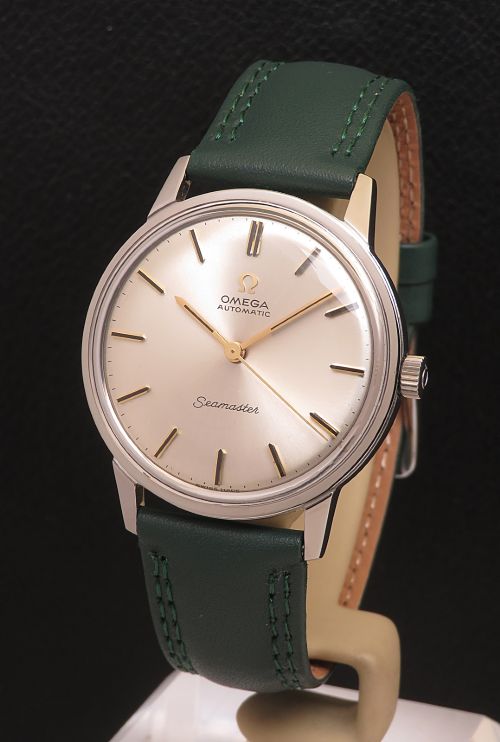
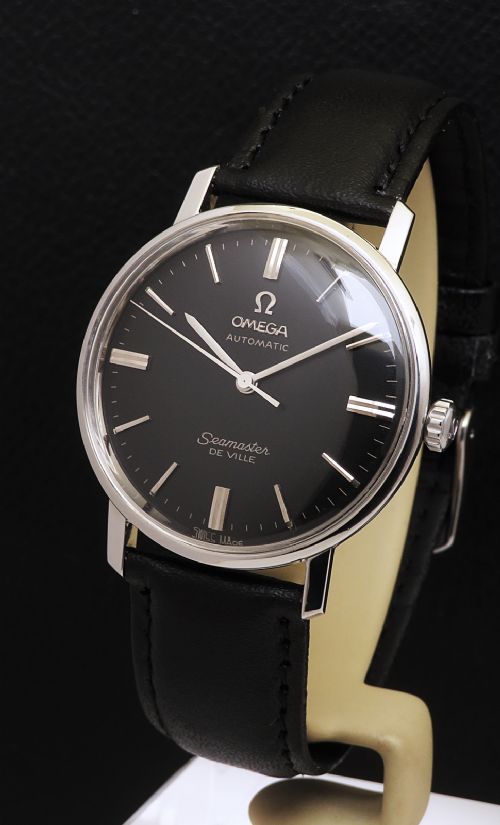
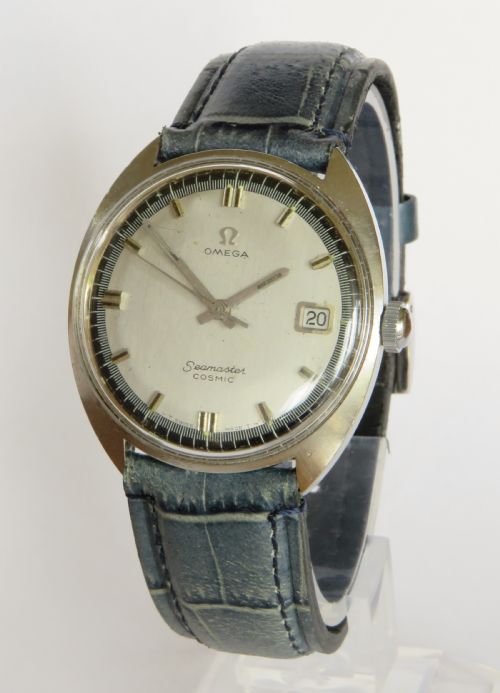
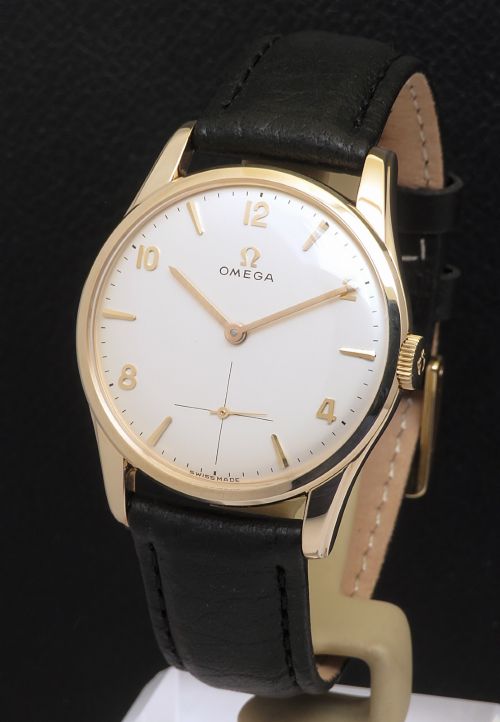
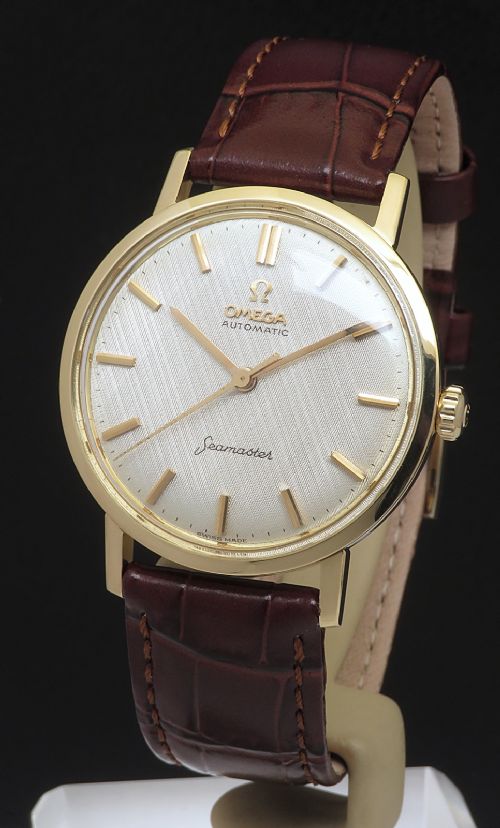
A 1960s omega wristwatch represents a major era of horological development, encompassing iconic lines such as the Seamaster, Geneve, Constellation, and De Ville. Buyers seek these pieces for their mechanical movements and distinct mid-century modern styling.
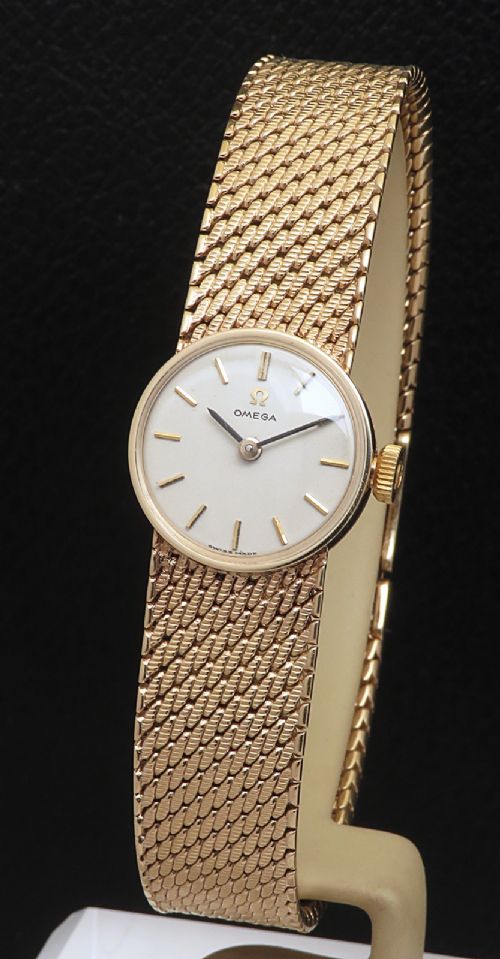
The most common forms encountered on this page are gents and ladies wristwatches spanning the decade, featuring manual wind or automatic calibres housed in round or tonneau-shaped cases. Many examples appear in solid gold, gold plate, or stainless steel.
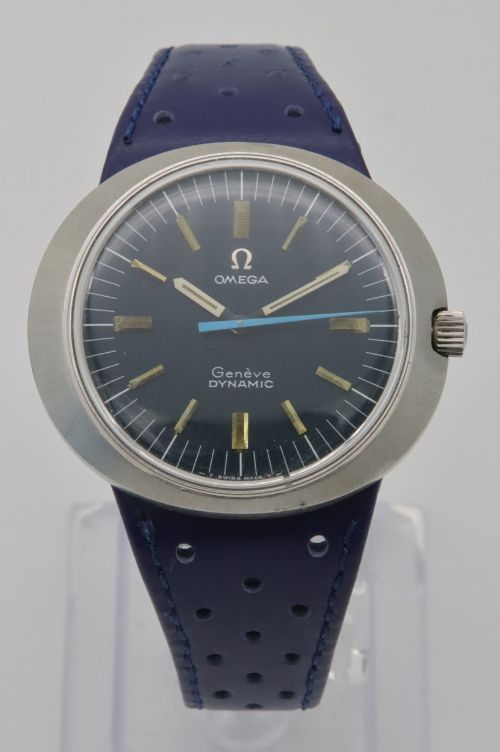
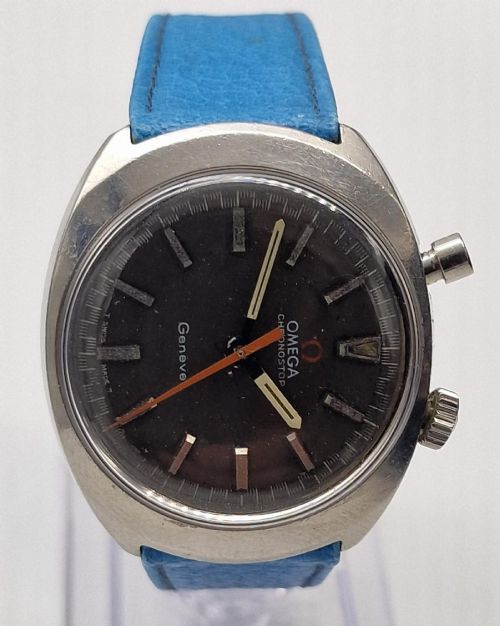
Model variations range from dress watches with sunburst dials to specialised chronographs and drivers editions. These pieces reflect the robust design language prevalent during the 1960s modernist period.
Materials and Construction
Watchmakers utilised a range of metals for casings, including stainless steel, solid 9ct gold, 18ct gold, 18ct white gold, and gold plate. Dials were protected by glass, acrylic, or acrylic glass crystals.
Movements relied on mechanical engineering, utilising manual wind calibres and automatic winding mechanisms with internal gears and jewelled bearings. Leather straps completed the assembly alongside integrated metal bracelets.
Certain models feature dedicated drivers editions designed to sit rotated on the wrist so a driver could check the time while steering.
Factors of Distinction
Material choice dictates a significant portion of the range, with solid gold and white gold models set with diamonds sitting apart from standard stainless steel or gold-plated variants. The presence of precious metals and specific complications like chronographs elevate certain pieces.
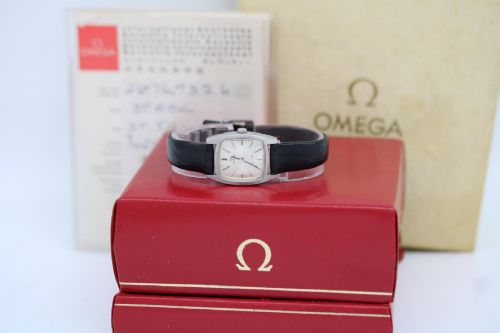
Preservation of original components shapes the standing of each watch, particularly unpolished cases, original dials, and matching boxes and papers. Pieces retaining factory finishes and documented provenance command greater attention from collectors.
Omega
The 1960s Omega Wristwatch Glossary
- Calibre
- The specific internal mechanical movement manufactured by the watchmaker. Each calibre number designates a distinct movement design.
- Chronometer
- A high-precision timepiece tested and certified to meet strict accuracy standards over various temperatures and positions.
- Automatic
- A self-winding mechanical movement that uses a weighted rotor driven by the natural motion of the wearer's wrist.
- Manual Wind
- A mechanical movement requiring the wearer to manually turn the crown to tension the mainspring that powers the watch.
- Acrylic
- A synthetic plastic material utilised for lightweight watch crystals before the widespread adoption of sapphire glass.
1960s Omega Wristwatch: Frequently Asked Questions
How do I wind a manual wind 1960s Omega?
Gently rotate the crown clockwise between your thumb and forefinger until you feel resistance.
Stop winding immediately to avoid damaging the internal mainspring.
Can I wear a vintage Omega daily?
Many people wear these watches daily, provided the movement has been recently serviced by a professional watchmaker.
Care should be taken around water unless the model has been pressure tested and confirmed waterproof.
How do I identify the production year?
The production year can often be determined by cross-referencing the movement serial number with factory production ledgers.
Case reference numbers stamped inside the case back also help date the specific model configuration.