
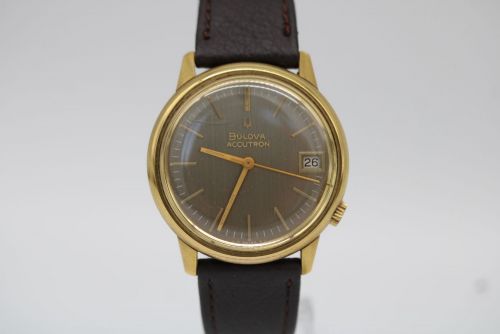
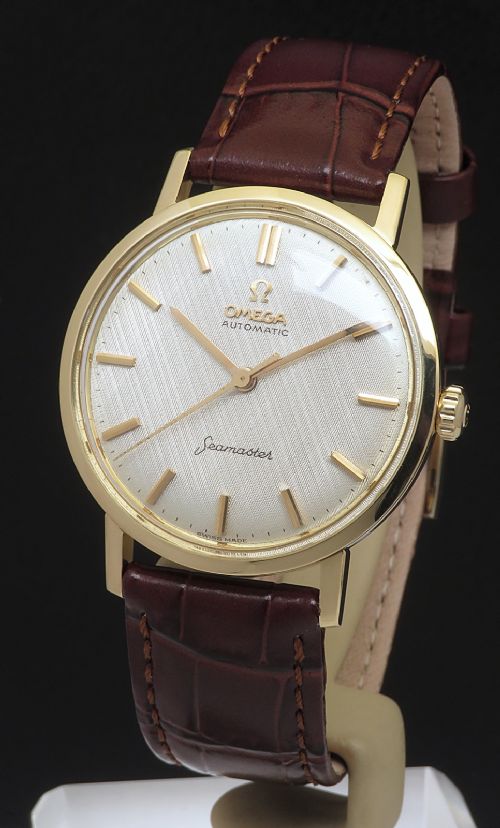
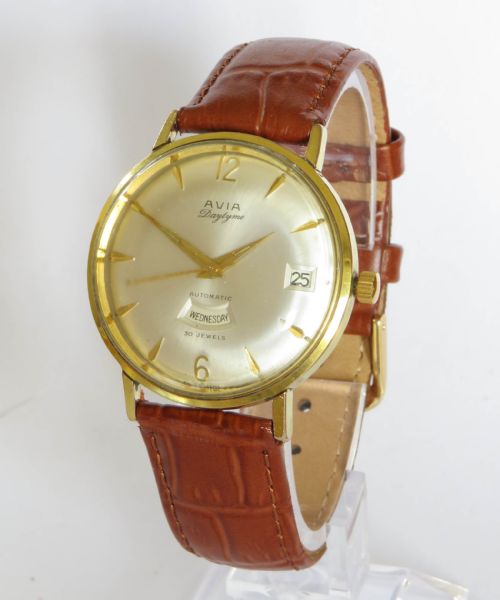
1960s Gold Dress Watch
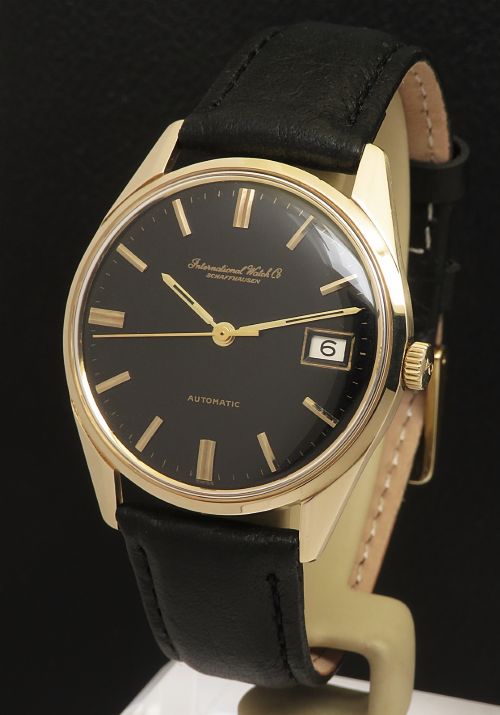
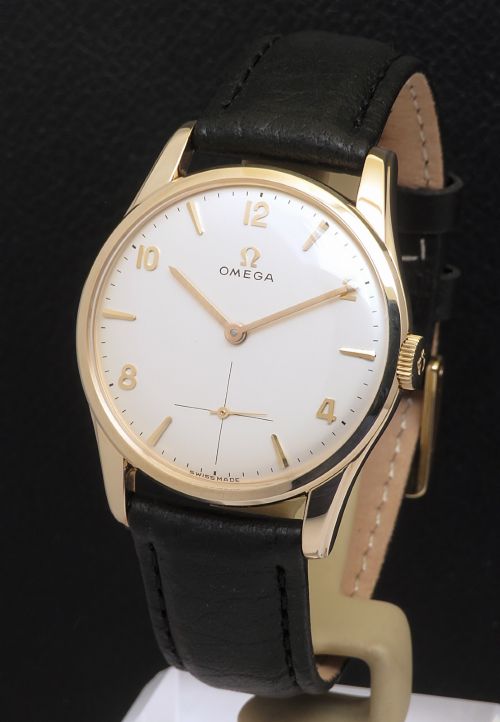
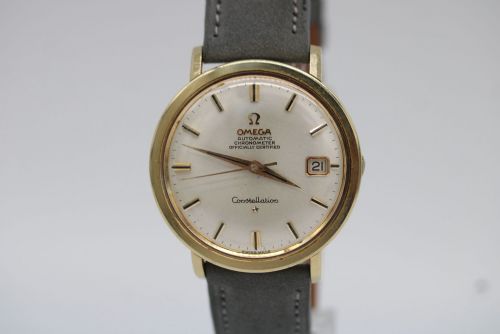
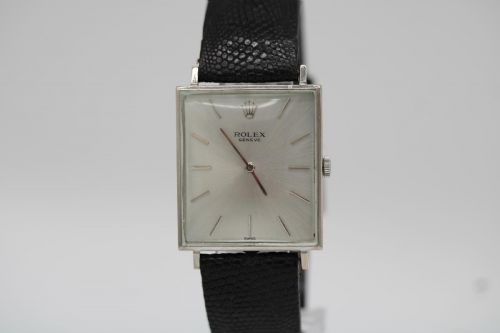
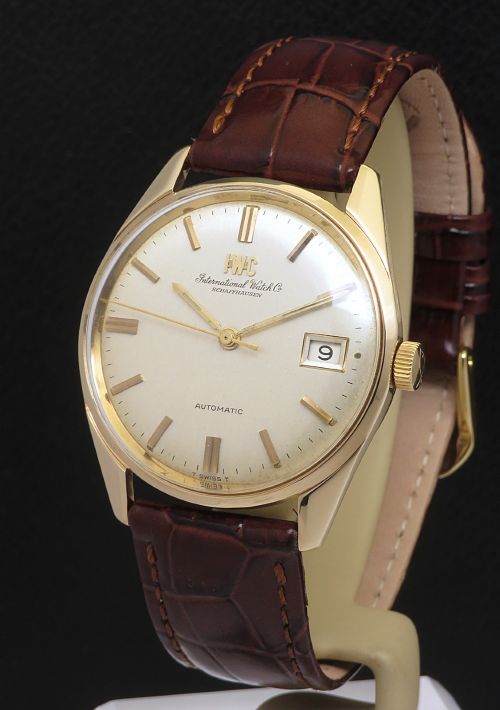
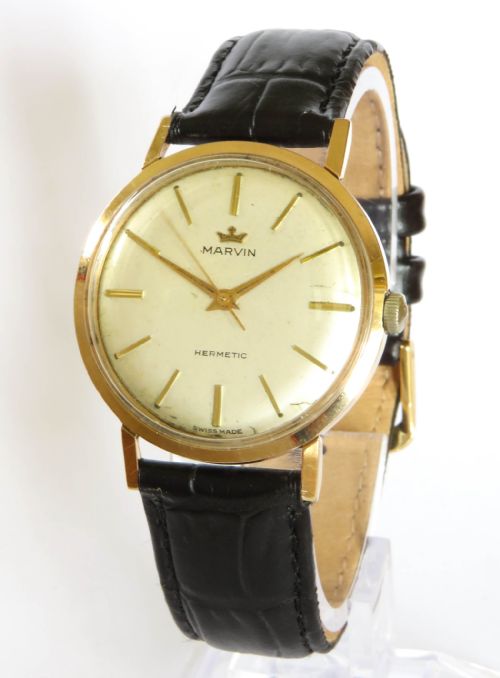
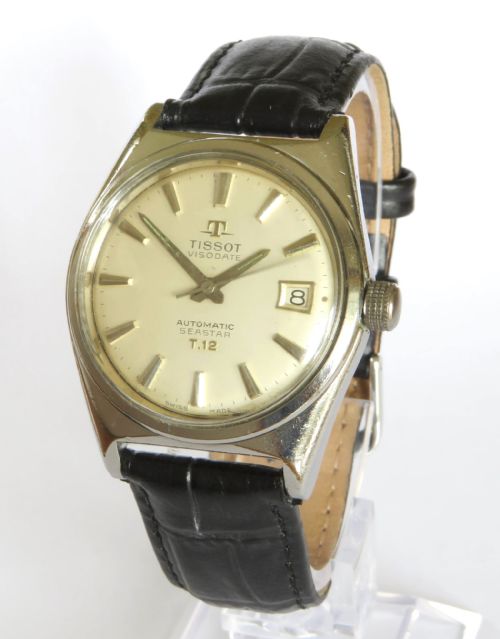
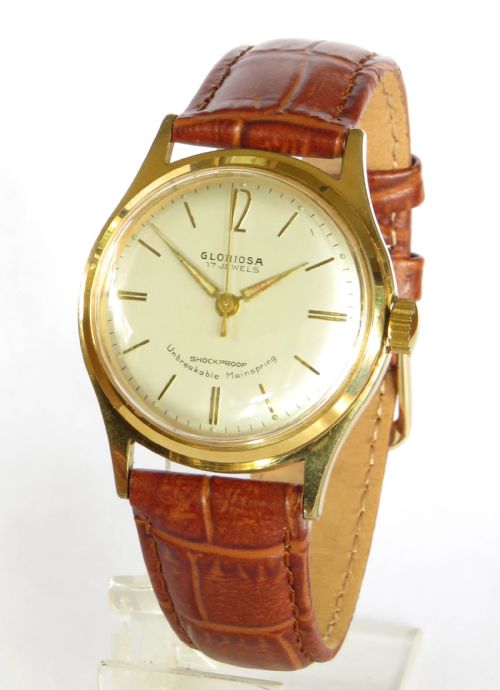
A 1960s gold dress watch is a slim, elegant timepiece designed for formal wear, offering mid-century style and precious metal craftsmanship.
1960s Gold Dress Watch
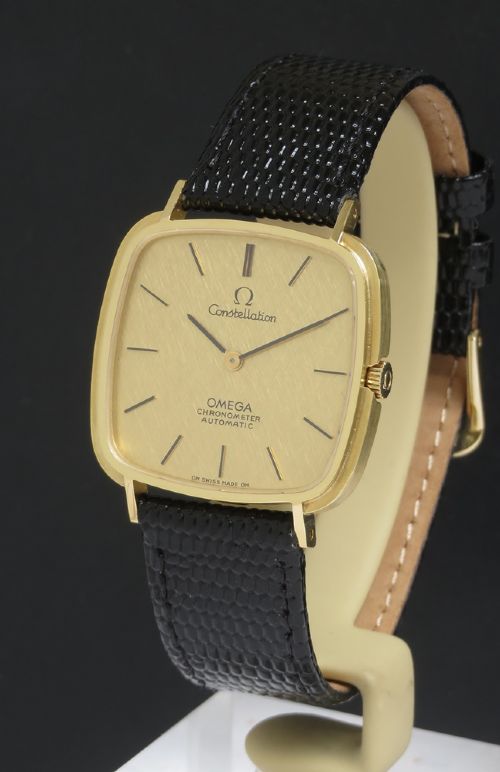
These items embody styles ranging from Mid-Century Modern to Art Deco, reflecting an era when watches functioned primarily as sophisticated personal accessories. Formats span round cases, sunburst dials, and diamond-accented cocktail variations designed for evening wear.
How they were made
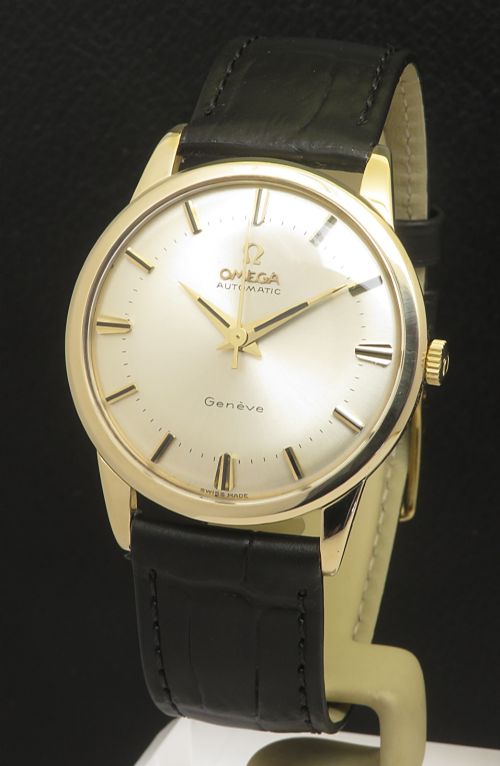
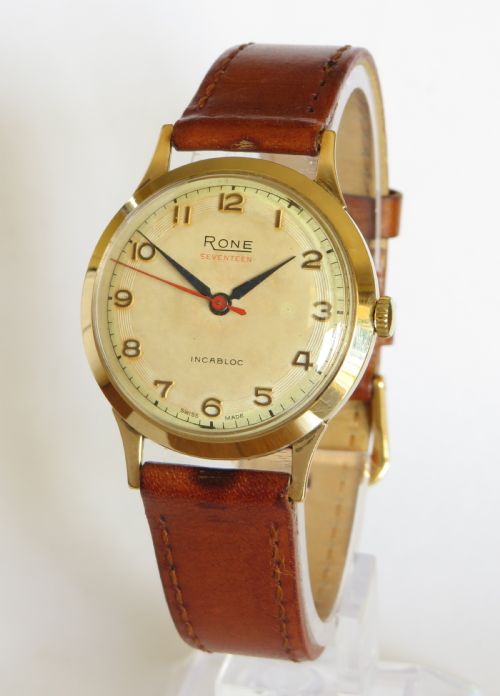
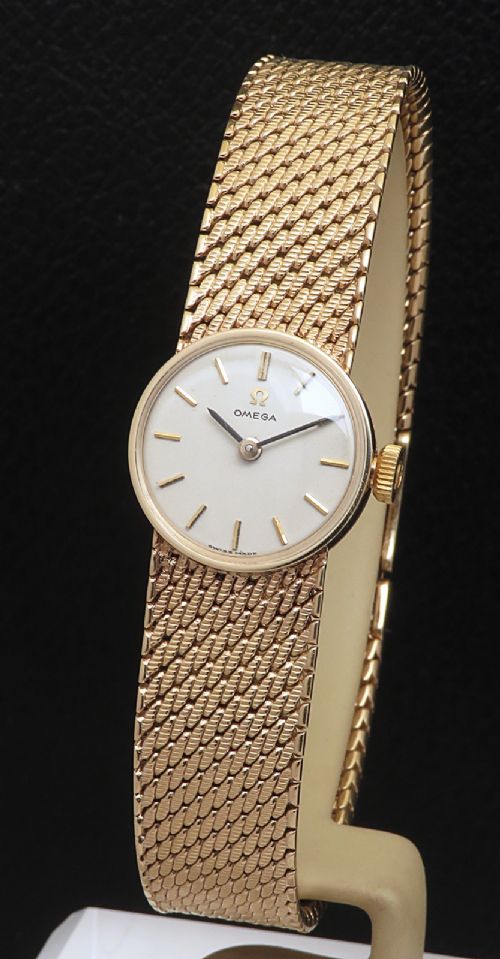
The construction relies heavily on precious metals, utilising solid 9ct gold, 14ct gold, 18ct gold, and 18ct white gold alongside gold plate. Manufacturers paired these metallic cases with durable acrylic crystals and fitted them with leather straps or integrated precious metal bracelets.
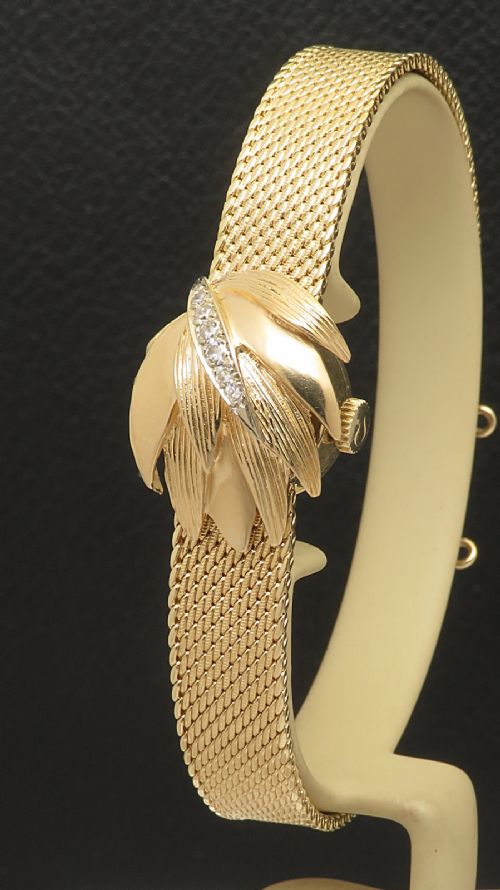
Movements within these timepieces include manual wind calibres and early automatic mechanisms. Diamond settings appear on select ladies cocktail watches, flush-mounted into gold hoods surrounding the dial.
Some models feature hidden dials tucked beneath diamond-set gold hoods, transforming a timepiece into a secretive glittering bracelet.
What varies in quality
The distinction between tiers rests upon the choice of case material and the complexity of the movement. Solid gold housings and chronometer-grade automatic movements occupy the upper tier of the selection.
Originality of components, including signed dials, matching crowns, and factory boxes or papers, elevates the standing of an individual watch. Gold-plated variants and simpler manual wind configurations form the accessible baseline.
Omega·Rolex·Bulova Accutron·IWC·Avia·Marvin·Tissot·Zenith·Smiths Astral·Ensign·Eterna-Matic·Garrard·Felca·Technos·Consul·Longines·Movado·Jaeger Lecoultre
The 1960s Gold Dress Watch Glossary
- Chronometer
- A high-precision watch movement that has been tested and certified to meet strict accuracy standards. These mechanisms often feature advanced regulation for superior timekeeping.
- Cocklet watch
- A small, decorative ladies timepiece intended for formal evening occasions. They frequently incorporate precious stones and integrated gold bracelets.
- Calibre
- The specific manufacturer's designation for a particular watch movement design. Collectors reference this number to identify the exact internal machinery.
- Gold plate
- A layer of gold bonded to a base metal core such as steel or brass. This technique provided the appearance of solid gold at a lower production cost.
- Sunburst dial
- A metallic watch face finish featuring fine lines radiating outward from the centre. It creates a subtle light-reflective pattern as the wrist moves.
1960s Gold Dress Watch: Frequently Asked Questions
How do I wear a dress watch?
A dress watch is traditionally paired with formal or smart attire, slipping easily beneath a shirt cuff due to its slim profile.
These pieces complement tailored suits and evening wear rather than casual or athletic clothing.
Are these watches waterproof?
Most mid-century dress watches offer minimal resistance to moisture and should be kept away from water entirely.
Seals and gaskets from this era degrade over time, meaning even pieces marked as waterproof require caution.
What is the difference between manual and automatic?
Manual wind watches require the wearer to turn the crown by hand daily to tension the mainspring.
Automatic movements feature a weighted rotor inside that winds the watch using the natural motion of the wearer's wrist.
How do I identify the production year?
Makers often stamped serial numbers onto the inside of the case back or the movement itself, which correlate to production ledgers.
Original paperwork and boxes included with certain pieces provide direct documentation of the original sale date.