



1960s Diamond Jewellery
1960s diamond jewellery brings together mid-century modernist designs, textured gold, and bright gemstone clusters that collectors wear every day.
1960s Diamond Jewellery
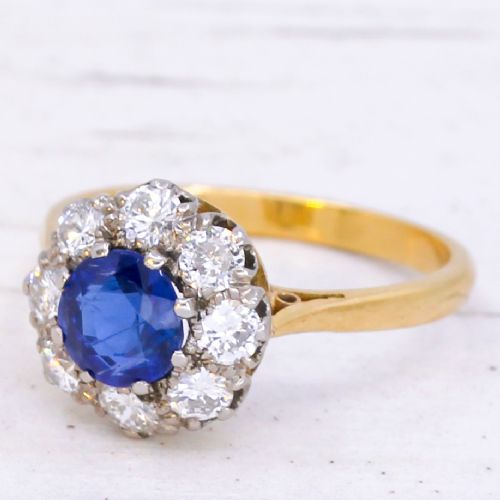
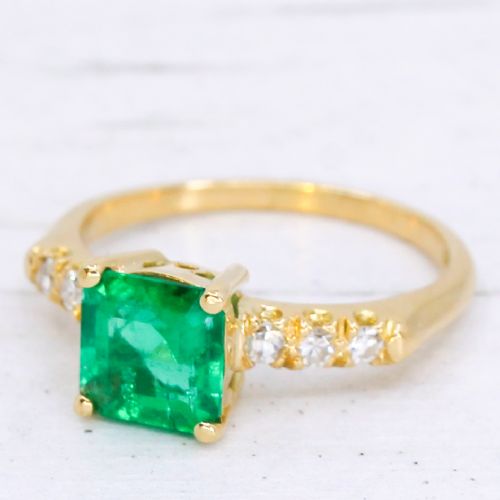
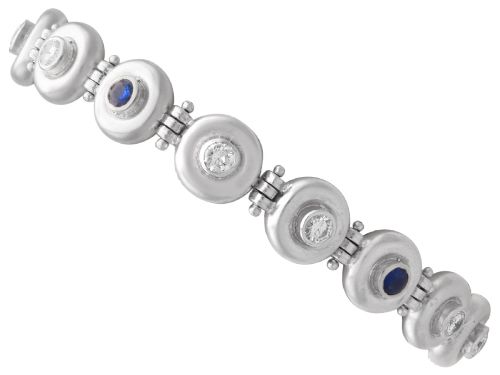
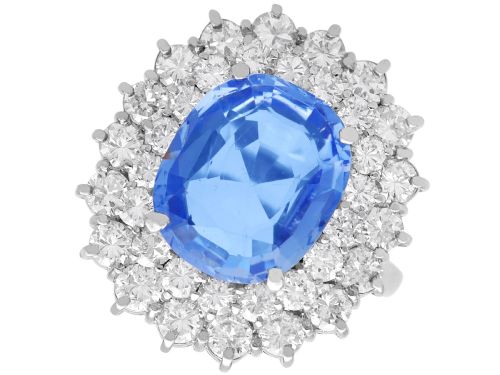
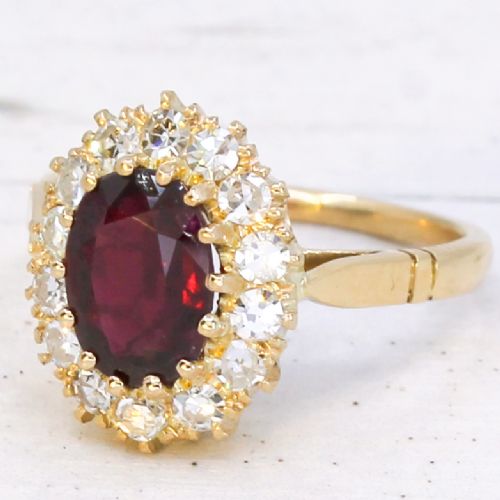
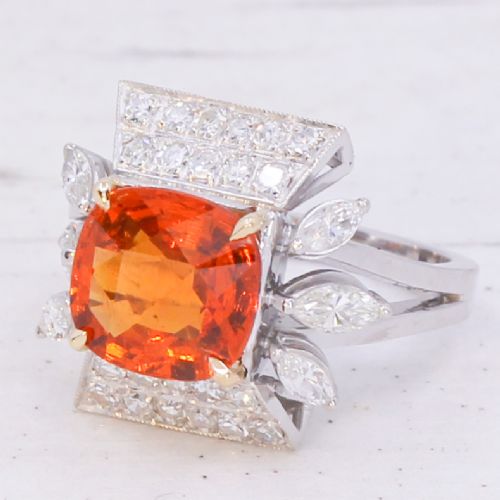
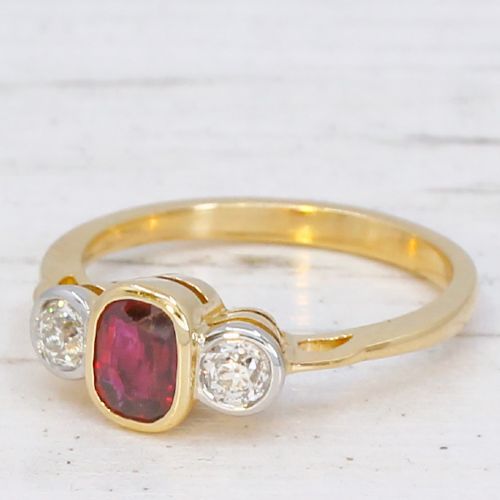
Buyers seeking 1960s diamond jewellery encounter rings, bracelets, brooches, earrings, and pendants originating from the mid-century period. Cluster rings and cocktail rings dominate the selection, often pairing diamonds with sapphires, rubies, or emeralds.
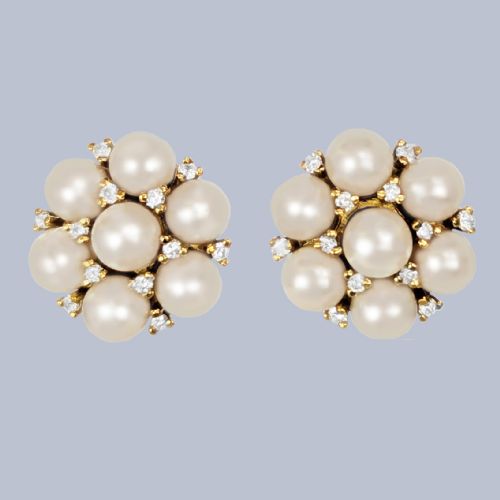
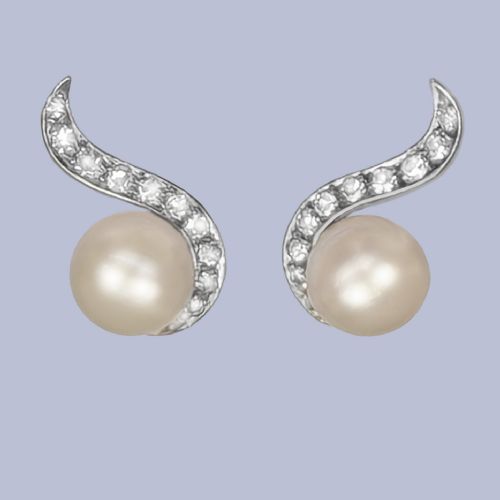
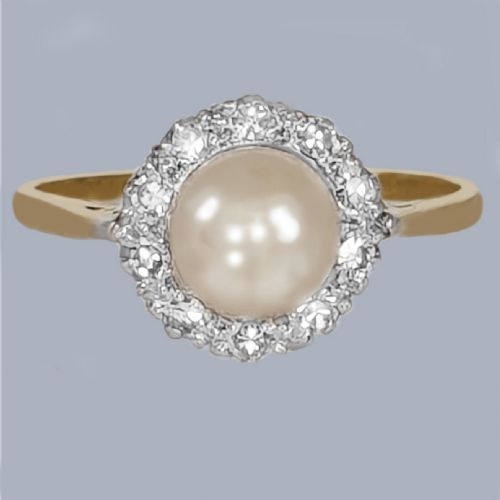
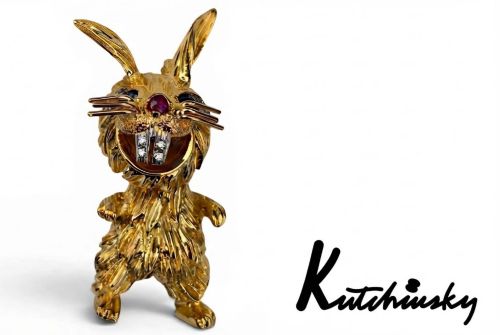
The pieces reflect mid-century modernist styles, alongside crossover rings, flower engagement rings, and animal brooches. Many incorporate pearls alongside diamonds in earrings, necklaces, and cluster rings.
Most items on this page hail from the nineteen-sixties, accompanied by occasional pieces from the nineteen-fifties or later decades. Yellow gold, white gold, and platinum serve as the primary settings for these stones.
Materials and construction
Jewellers of this era worked primarily in eighteen-carat yellow gold, eighteen-carat white gold, fourteen-carat gold, and platinum. Settings frequently combined white gold or platinum claws to secure diamonds while utilising yellow gold for shank and body construction.
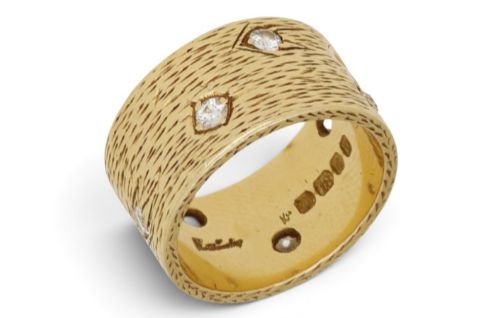
Surface treatments define much of the output, particularly textured gold finishes and open-work scrolled designs. Stones include brilliant cut, old cut, and rose cut diamonds, paired with unheated or minor-oil coloured gemstones.
1960s Diamond Jewellery Retail Price Guide 2026
Typical asking prices for 1960s diamond jewellery among the pieces listed under this phrase on Sellingantiques today, from the lower quarter to the upper quarter. They describe what is for sale here now, not the wider market.
Listings feature yellow gold, white gold, and platinum alongside diamonds, sapphires, rubies, emeralds, garnets, aquamarines, and pearls.
Markers of distinction
Quality separates through the origin and treatment reports of centre stones, such as unheated sapphires or unenhanced emeralds, alongside the precision of hand-finished textured gold work. Maker signatures from established firms elevate certain pieces distinctly above unsigned counterparts.
The weight and clarity of the diamond pavé or cluster surrounding the main gem influence overall refinement. Original fitted presentation cases and official gemmological certificates further separate exceptional items from standard production.
Kutchinsky·Ben Rosenfeld
The 1960s Diamond Jewellery Glossary
- Cluster ring
- A ring featuring a central gemstone surrounded by a border of smaller diamonds or contrasting stones. This layout maximises visual impact and light reflection.
- Crossover ring
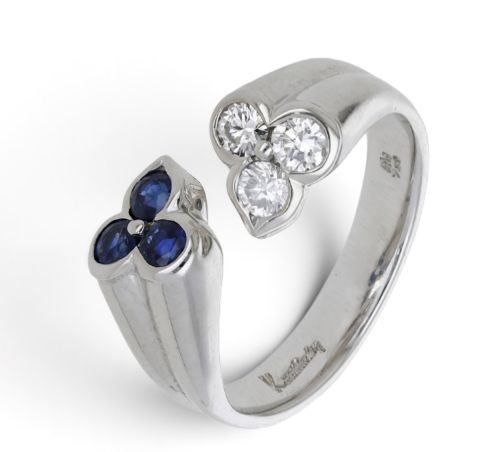
- A design where two distinct bands or stone-set terminals sweep across the finger to meet or overlap. The style gained strong favour during the mid-century period.
- Old cut diamond
- A vintage diamond cutting style characterised by a smaller table, higher crown, and open culet. These stones pre-date modern brilliant cutting standards.
- Textured gold
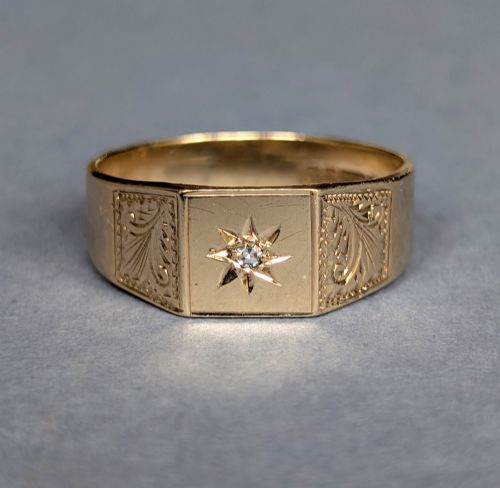
- Metal finished with distinct surface patterns such as bark effect, stippling, or cross-hatching. This technique defines modernist jewellery from the nineteen-sixties.
- Pavé
- A setting technique where small diamonds are set closely together with minimal visible metal beads. The surface resembles a pavement of sparkling stones.
1960s Diamond Jewellery: Frequently Asked Questions
How do I style 1960s rings?
These cocktail and cluster rings work well as standalone statement pieces on the hand. Their bold designs pair easily with modern attire while retaining distinct vintage character.
Because many feature durable white gold or platinum settings, they suit regular daily wear when handled with reasonable care.
Are these pieces hallmarked?
Many items feature official hallmarks or maker signatures stamped directly into the metal band or reverse of the setting. British hallmarking offices, such as those in London or Birmingham, stamped specific date letters during this era.
Unsigned Italian pieces and signed workshop items often rely on registry marks or maker stamps to verify their origin.
What gemstones appear alongside diamonds?
Sapphires, rubies, and emeralds appear frequently in these designs, often forming vibrant cluster rings or pendants. Pearls also feature prominently in earrings, necklaces, and pearl and diamond rings.
Coloured gemstones from specific origins, such as Ceylon sapphires or Colombian emeralds, receive special certification in many listings.
How do I care for vintage gold?
Clean textured and open-work gold gently with a soft brush and warm soapy water to remove everyday oils. Avoid harsh chemical dips, especially on pieces featuring emeralds or pearls.
Store each item separately in a lined box or pouch to prevent the textured gold or diamond settings from scratching adjacent pieces.