
1960s Automatic Watch
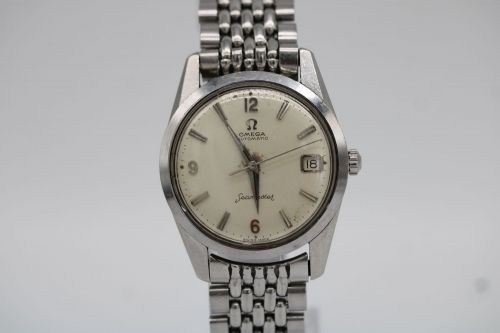
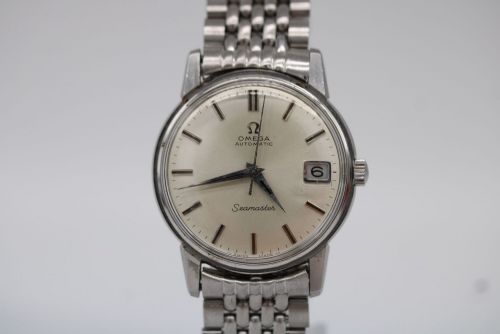
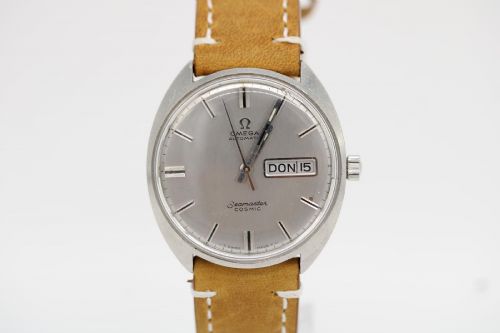
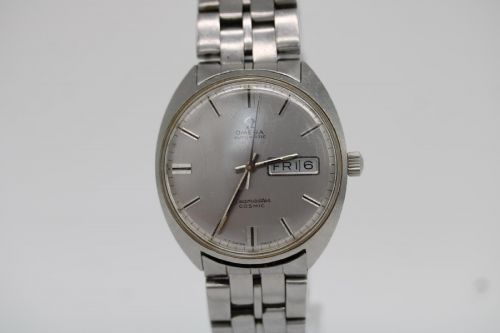
A 1960s automatic watch captures mid-century mechanical ingenuity on the wrist through self-winding movements housed in enduring precious metals and steel.
1960s Automatic Watch
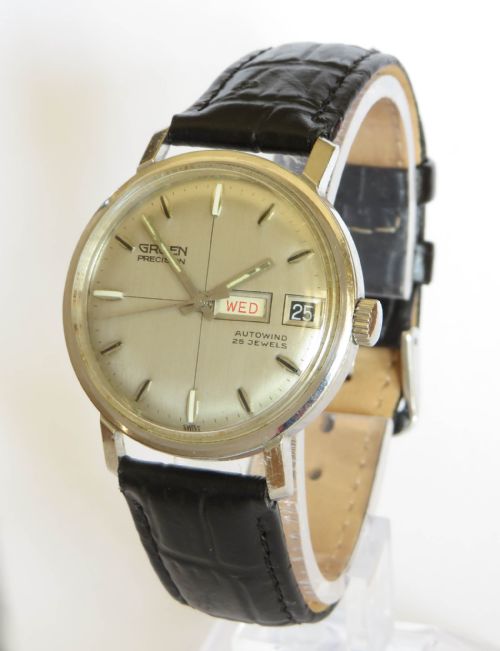
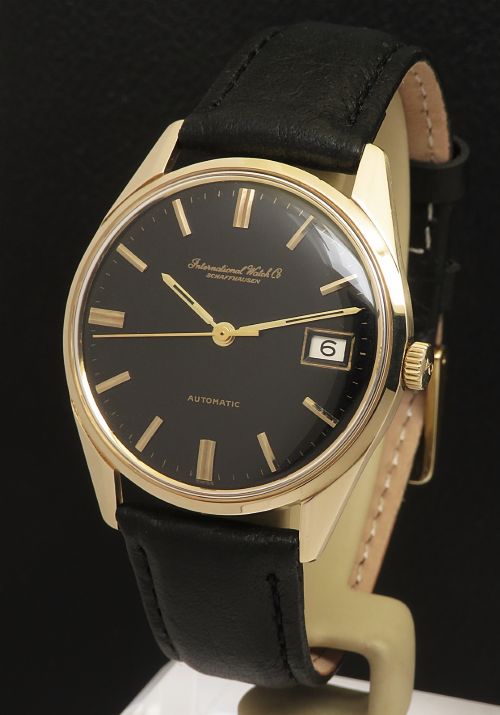
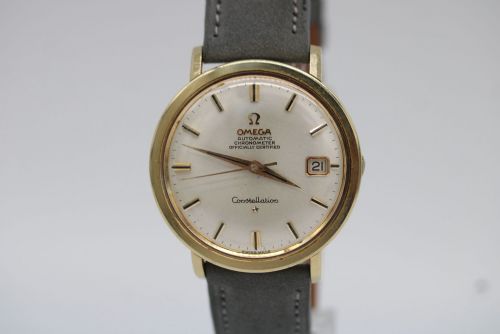
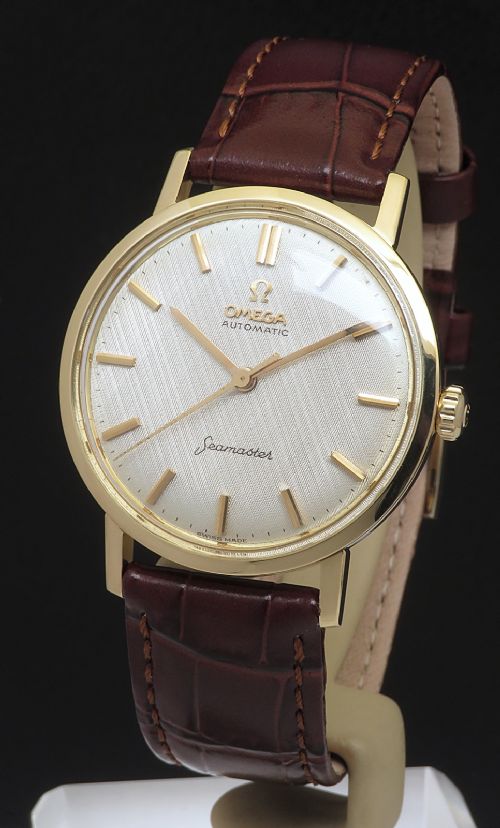
A 1960s automatic watch represents a period of significant technical refinement in horology, combining mechanical self-winding mechanisms with distinctive mid-century styling. Buyers seeking these pieces encounter various forms of wristwatches spanning everyday dress models to robust utility designs.
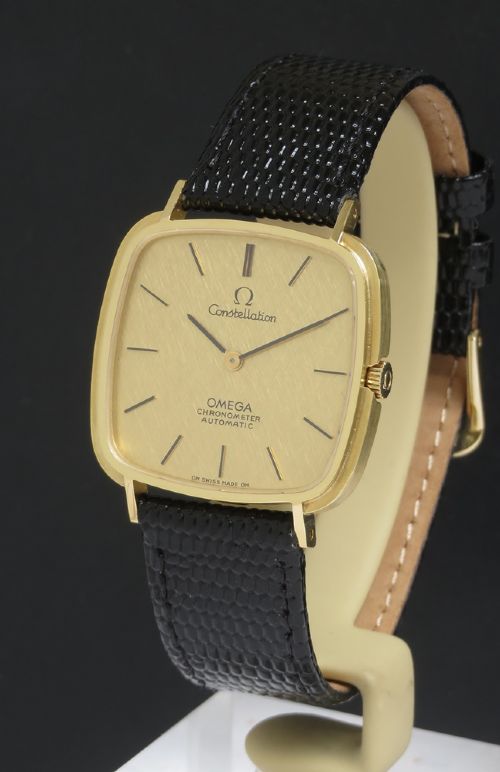
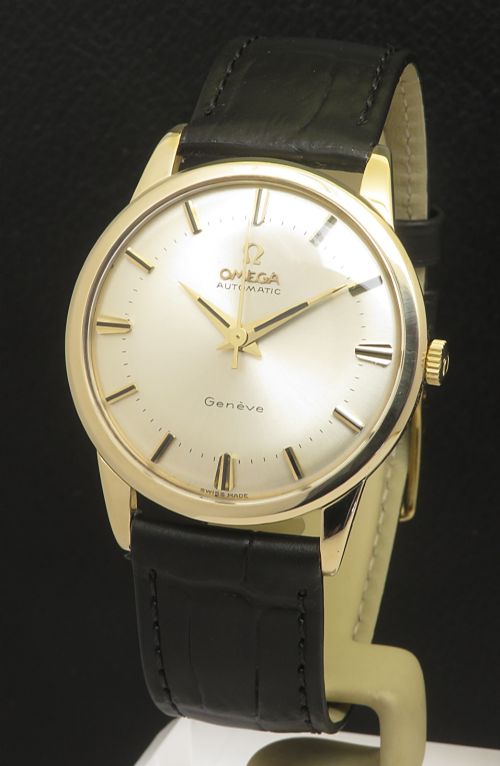
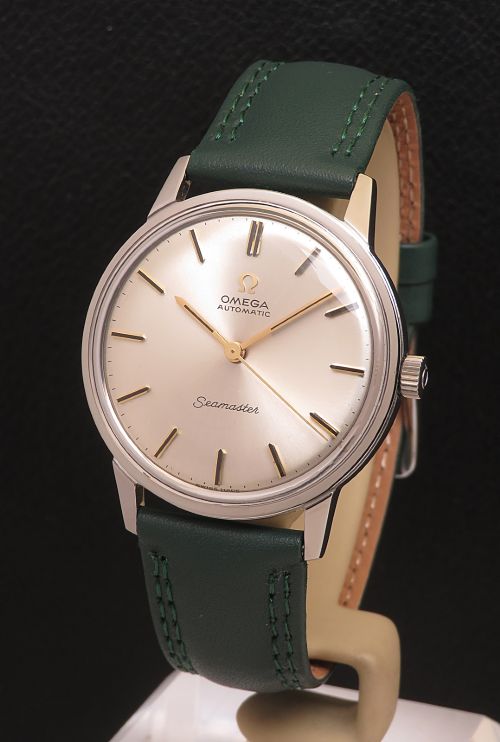
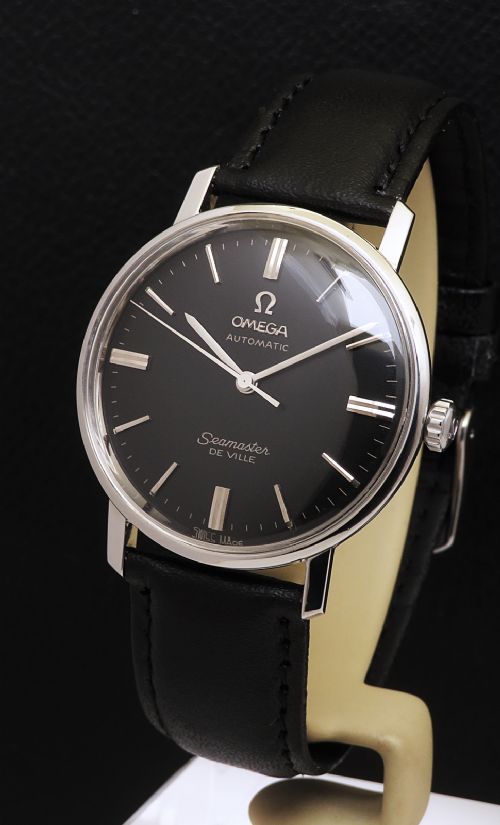
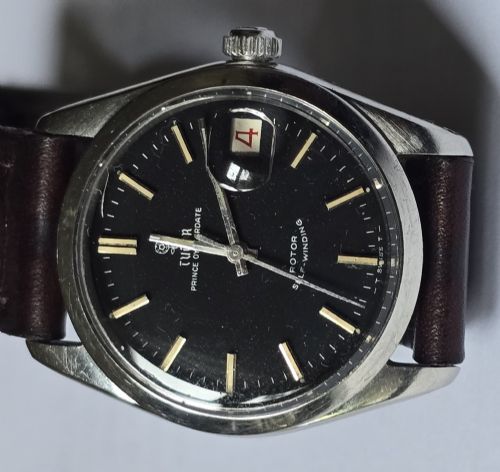
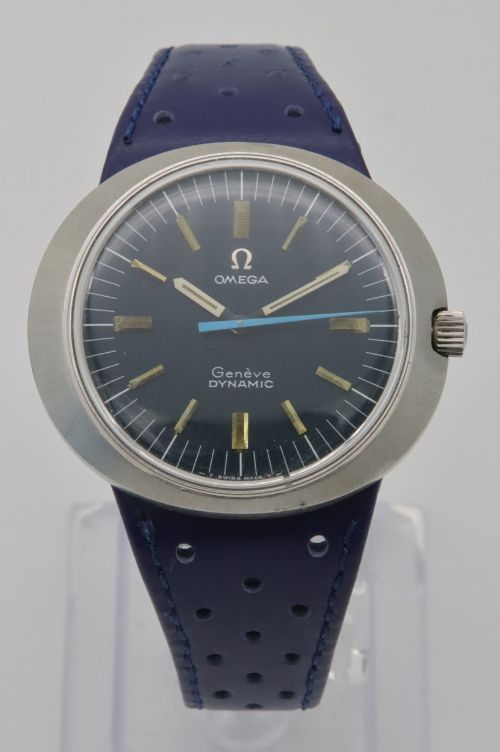
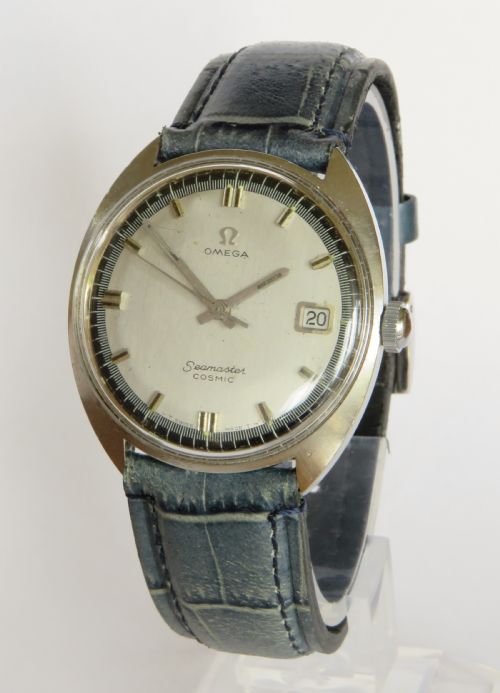
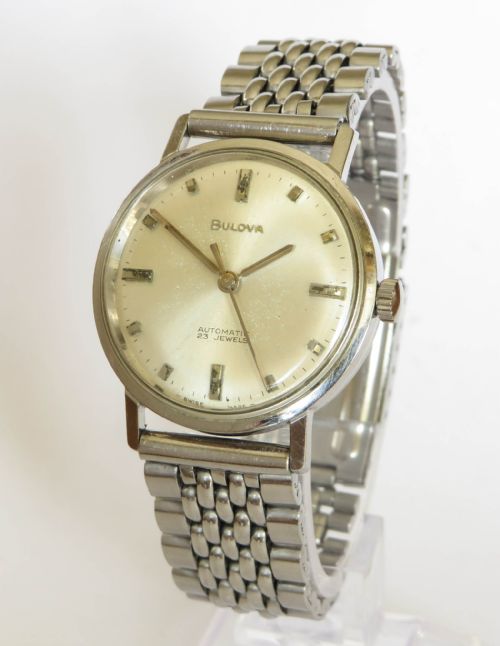
The selections on this page demonstrate the prominence of Omega alongside other notable makers from the decade, typically presented in stainless steel or solid 9ct and 18ct gold cases. These timepieces reflect the transition toward cleaner dials and integrated calendar functions characteristic of Mid-Century Modern design.
Most examples originate from Swiss workshops, though British-issued or international variants appear with distinct dials and case constructions. Collectors value them for their mechanical honesty, wearable proportions, and the historical integrity of their original design.
Materials and Construction
Cases were constructed from stainless steel, gold plate, or solid 9ct and 18ct gold, paired with protective crystal or acrylic glass covers over the dial. Leather straps completed the assembly, offering a flexible contrast to the rigid metal housings.
The internal movements relied on automatic winding technology, utilising rotor weights driven by the natural motion of the wearer's arm to tension the mainspring. This mechanical innovation removed the need for daily manual winding while maintaining precise timekeeping standards.
1960s Automatic Watch Retail Price Guide 2026
Typical asking prices for 1960s automatic watch among the pieces listed under this phrase on Sellingantiques today, from the lower quarter to the upper quarter. They describe what is for sale here now, not the wider market.
Railway workers in Australia relied on issued Timex automatics to keep trains running precisely on schedule.
Distinctions in Standard
Quality variation rests in the grade of the movement, the preciousness of the metal case, and the preservation of original dial components. Solid gold variants and chronometer-certified calibres sit at the upper end of the scale, representing peak manufacturing ambitions of the period.
The degree of original preservation, including untouched dials and factory-correct hands, separates standard production pieces from museum-grade specimens. Complete documentation such as original boxes and papers further distinguishes exceptional survivals from everyday examples.
Omega·IWC·Tudor·Bulova·Longines·Eterna·Rolex·Tissot
The 1960s Automatic Watch Glossary
- Automatic
- A self-winding mechanical movement that utilises a weighted rotor to tension the mainspring during wear. This system harnesses the natural movement of the wrist to keep the watch powered without manual winding.
- Chronometer
- A high-precision watch movement that has been tested and certified to meet strict accuracy standards over several positions and temperatures. Such designations denote superior mechanical regulation.
- Calibre
- The specific internal movement designation used by a manufacturer to identify a particular watch mechanism. Understanding the calibre helps date the piece and verify its internal authenticity.
- Acrylic glass
- A lightweight, shatter-resistant polymer material utilised for crystal covers during the mid-century period. It can be easily polished to remove surface scuffs.
- Patina
- The natural ageing and gentle discoloration of a dial or case accumulated over decades of existence. Collectors appreciate an even patina as evidence of genuine historical character.
1960s Automatic Watch: Frequently Asked Questions
How do I wind an automatic watch?
An automatic watch winds itself through the natural movement of your arm during daily wear via an internal oscillating weight.
If the watch has stopped entirely, giving the crown a few manual turns jump-starts the movement before placing it on the wrist.
Are these watches waterproof?
Most vintage pieces from this era lack modern water resistance seals and should be kept away from moisture and submersion.
Even models originally marketed as water-resistant require caution due to the degradation of rubber gaskets over the decades.
How accurate are vintage movements?
Mechanical timepieces from this period generally run within a tolerance of a few seconds per day depending on their service history.
Chronometer-grade examples typically offer tighter precision due to higher manufacturing standards and careful adjustment.
Can I wear a vintage watch daily?
These pieces suit daily wear provided they receive regular mechanical servicing by a qualified horologist.
Care should be taken to avoid heavy impacts, magnetic fields, and water exposure to preserve the delicate internal components.