

1950s Timepiece
A 1950s timepiece brings mid-century design to the wrist or desk, offering mechanical reliability and classic proportion for daily wear.
1950s Timepiece
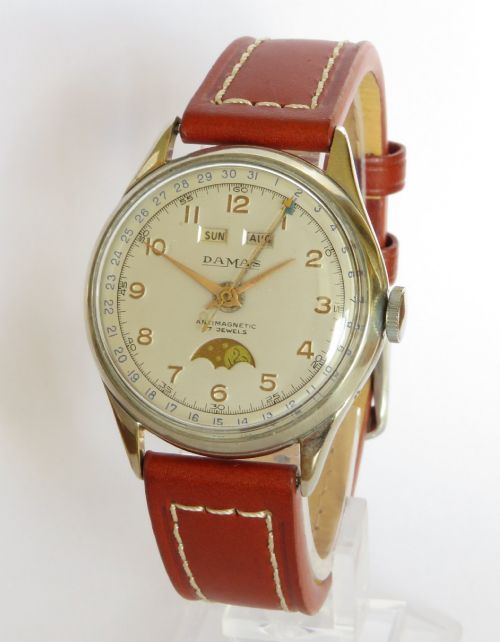
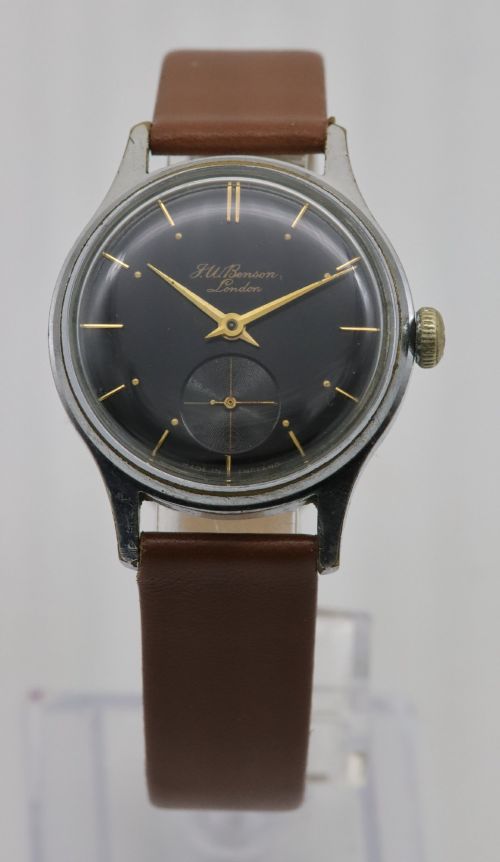
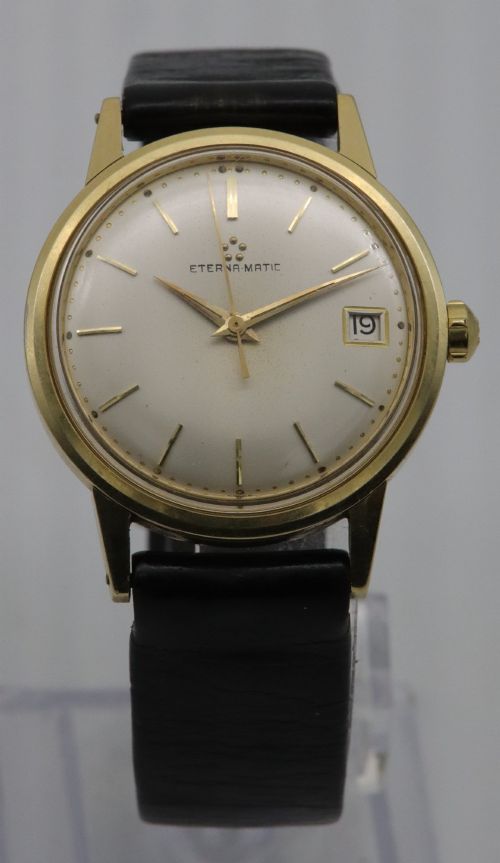
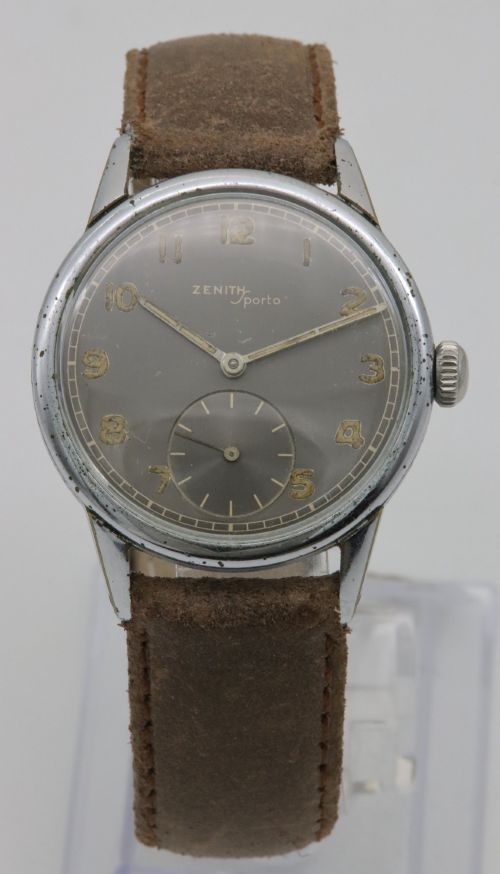
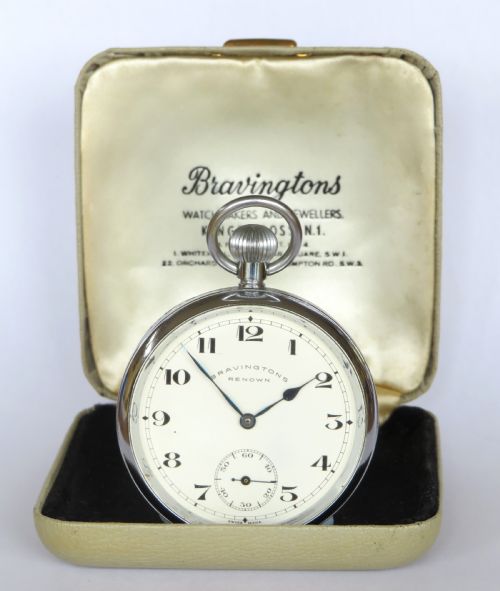
When someone searches for a 1950s timepiece, they encounter mechanical wristwatches, pocket watches, and desk clocks spanning the mid-century period. These objects reflect the horological output of Swiss and British makers during a decade of transition from pocket formats to wrist-worn designs.
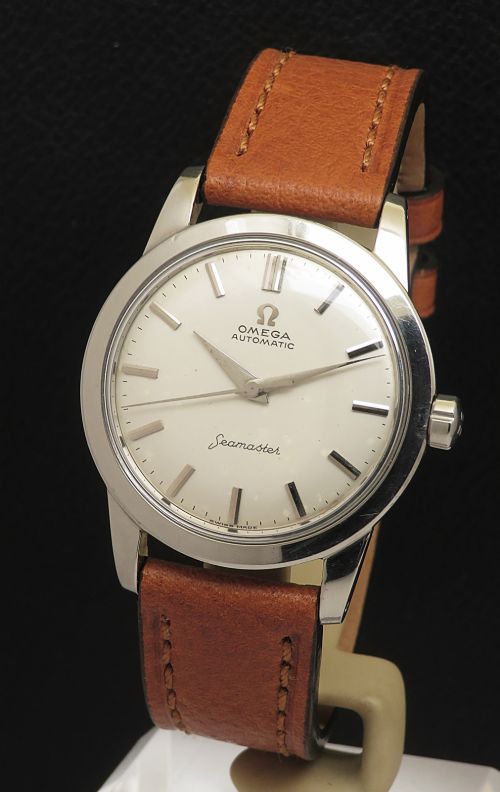
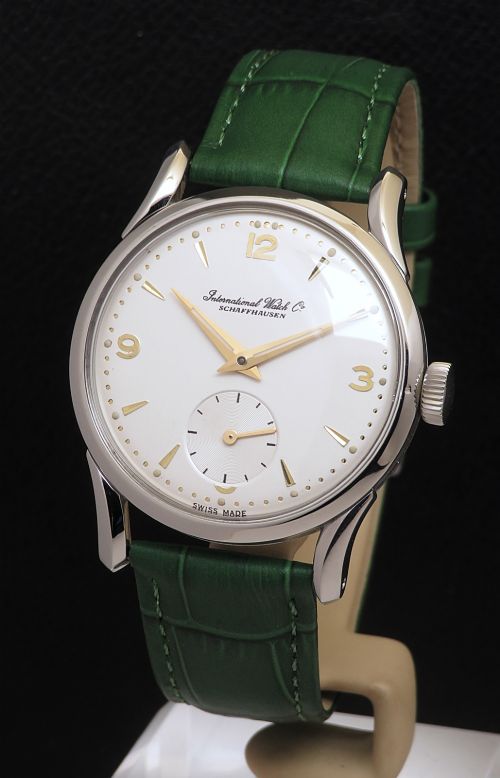
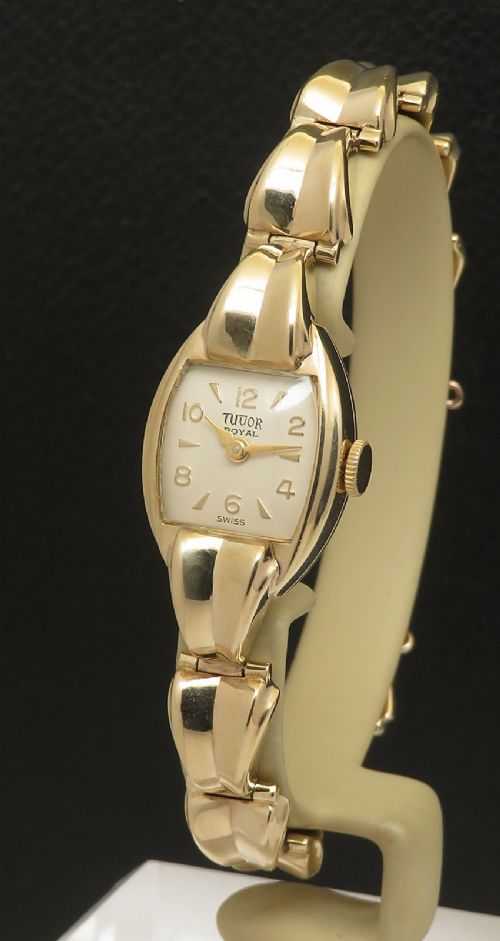
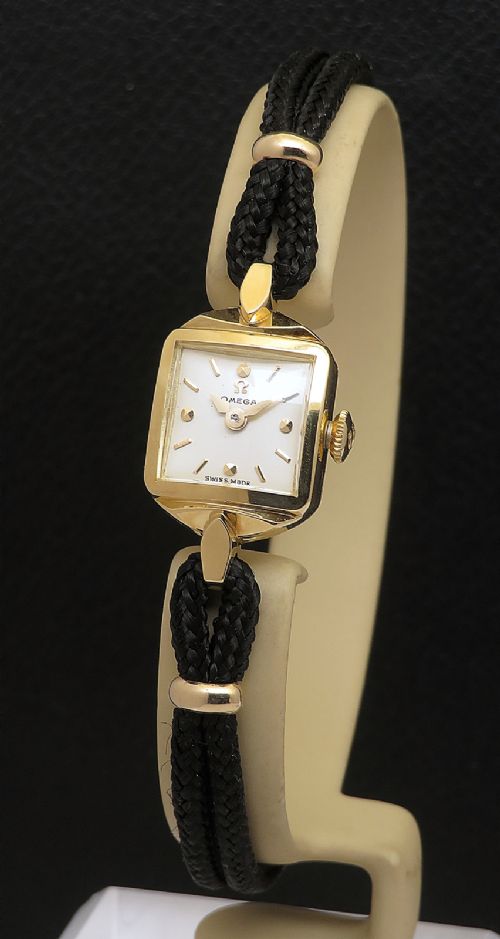
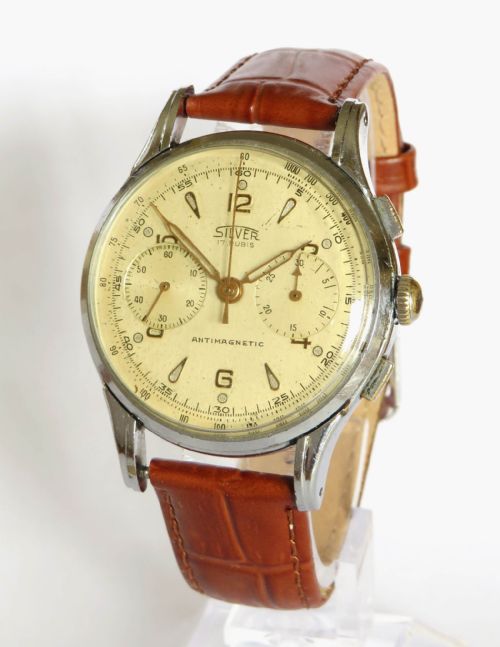
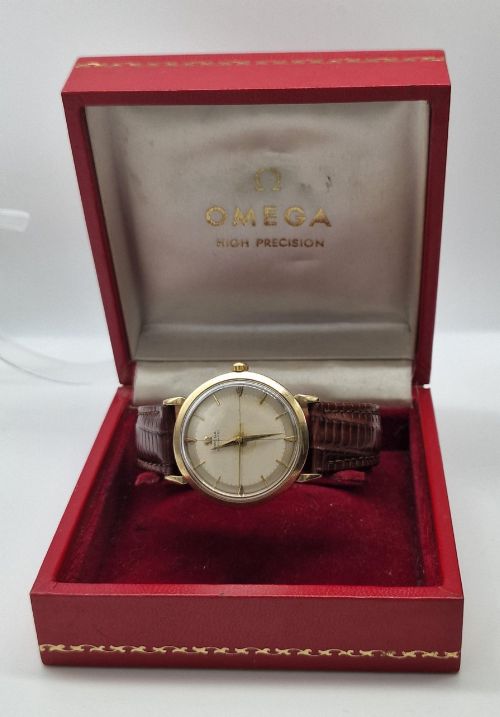
The most common items met on this page are gents wristwatches featuring manual wind or automatic movements housed in steel, gold plate, or solid gold cases. Alongside these, buyers find specialised chronograph wristwatches, ladies cocktail watches, and occasional promotional desk clocks.
How they were made
Cases utilise metals such as stainless steel, chrome, gold plate, and solid 9ct or 18ct gold, paired with glass or acrylic crystals to protect the dial. Leather straps frequently complete wristwatches, while movements rely on precision metal gearing and jewelled lever escapements.
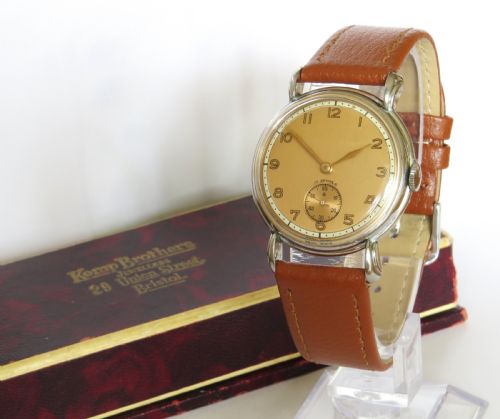
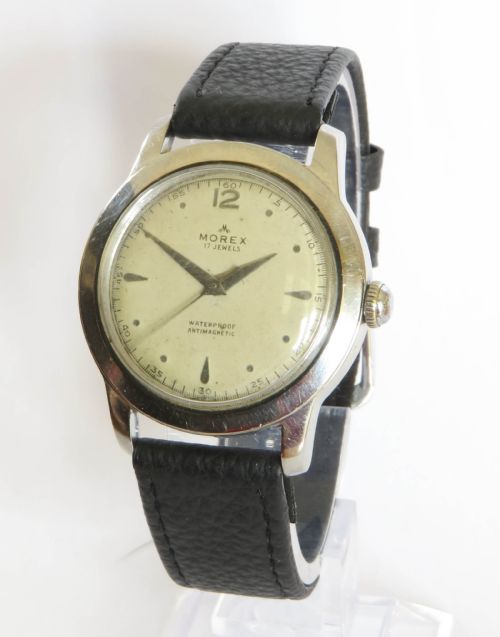
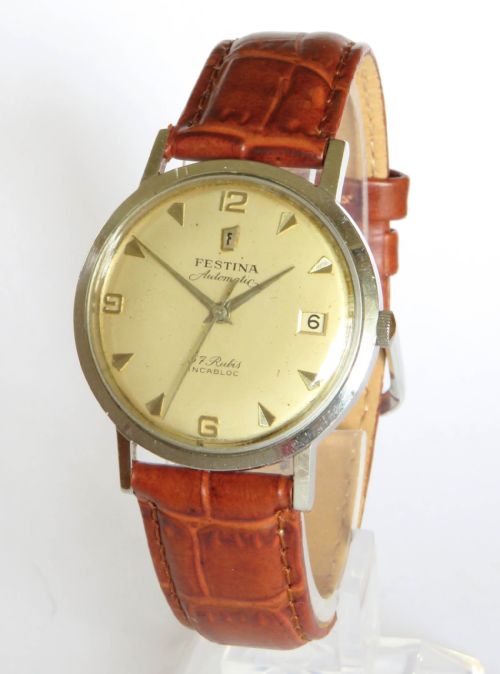
Swiss and British workshops constructed these calibres with mechanical hand-wound or automatic bumper movements, often finished with sub-seconds dials or central sweep seconds. Dial execution incorporates applied metal markers, Arabic numerals, and occasional honeycomb textures or calendar apertures.
1950s Timepiece Retail Price Guide 2026
Typical asking prices for 1950s timepiece among the pieces listed under this phrase on Sellingantiques today, from the lower quarter to the upper quarter. They describe what is for sale here now, not the wider market.
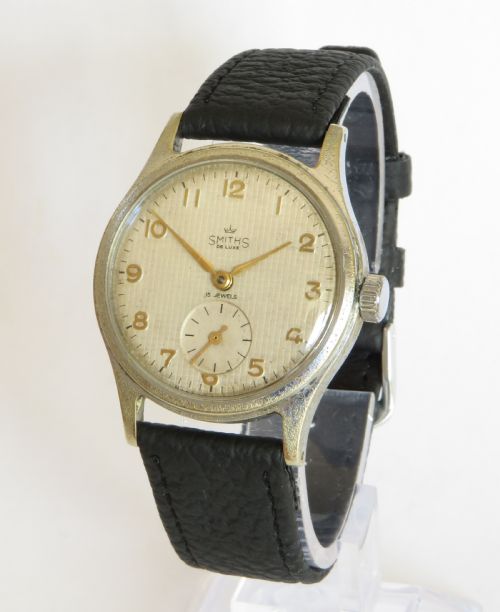
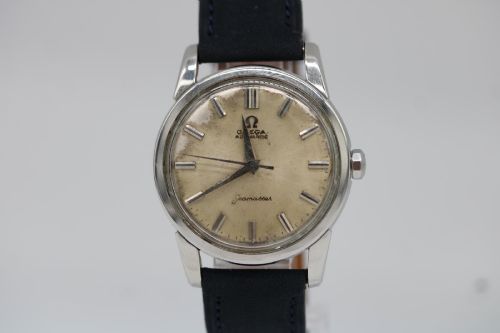
Listings demonstrate both British and Swiss production, spanning Smiths models from England alongside Omega and Longines watches.
What varies in quality
The distinction between tiers rests upon the caliber of the movement inside and the originality of its exterior components. High-tier examples house signed movements from established makers with robust shock-resistance systems and unpolished precious metal cases.
Dial preservation and case geometry dictate desirability. Unrestored dials with clean typography and sharp case lugs sit above pieces with heavily refinished dials or softened metal edges from over-polishing.
International Watch Company IWC·Omega·Rolex Tudor·Smiths·J W Benson·Festina·Longines·Wittnauer
The 1950s Timepiece Glossary
- Automatic
- A self-winding mechanical movement that uses a weighted rotor to tension the mainspring during wrist movement. Early versions frequently utilise a bumper mechanism that oscillates through a limited arc.
- Calibre
- The specific manufacturer's designation for a particular watch movement design. Collectors use this number to identify the exact mechanical architecture inside the case.
- Chronograph
- A watch equipped with a stopwatch function independent of the time-keeping gear train. These models often feature additional sub-dials and pusher buttons on the case side.
- Bumper
- An early automatic movement type where the rotor swings back and forth against spring buffers rather than spinning in a full circle. This distinct motion can be felt lightly against the wrist during wear.
1950s Timepiece: Frequently Asked Questions
How do I wind a manual 1950s watch?
Rotate the crown clockwise between your thumb and forefinger until you feel gentle resistance. Stop immediately at that point to avoid over-tensioning the mainspring.
Wind the piece at roughly the same time each day to maintain consistent tension and accurate timekeeping throughout use.
Are 1950s watches waterproof?
Most watches from this decade lack modern rubber gasket sealing and screw-down crowns. Exposure to moisture can easily damage the dial and rust the movement.
Keep these timepieces away from water, heavy rain, and hand-washing to preserve the internal mechanics and original leather straps.
What is a bumper automatic movement?
A bumper automatic relies on a partial-rotation weight that bounces between internal springs to wind the mainspring. You will feel a slight tap on your wrist as the rotor moves.
This technology represents an early step in self-winding wristwatch engineering before full 360-degree rotor mechanisms became standard practice.
How should I store a vintage desk clock?
Place the clock on a stable, level surface away from direct sunlight and strong magnetic fields. Direct sun can fade the dial materials and discolour acrylic crystals over time.
If the clock is a mechanical model, let it run down or keep it wound regularly according to its movement type to prevent lubricants from settling.