

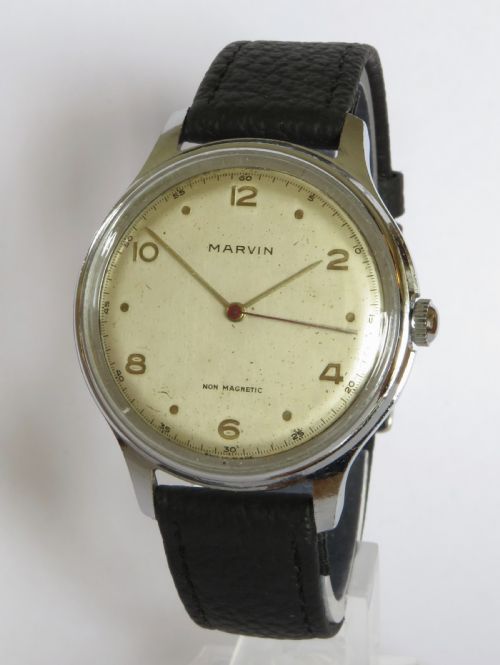

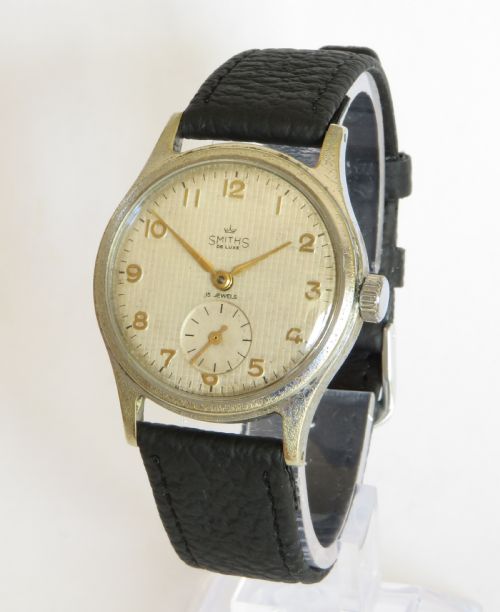
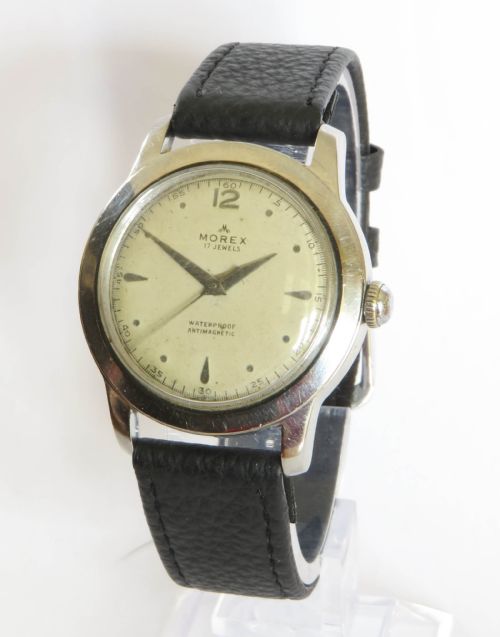
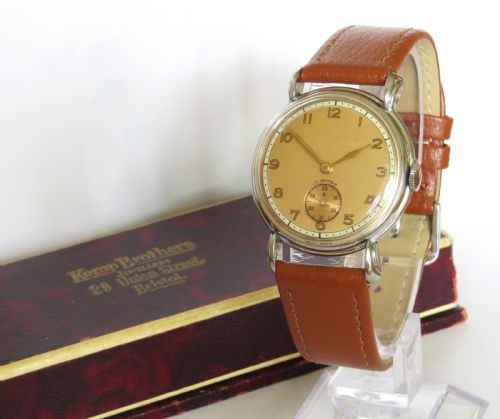
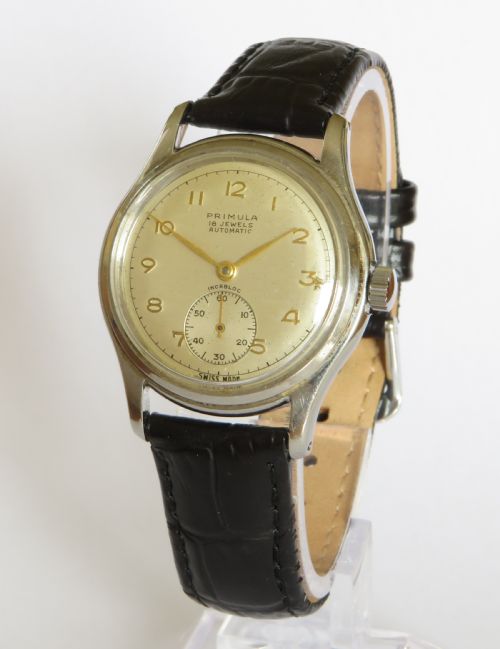


1950s Silver Watch
A 1950s silver watch brings mid-century mechanical horology to the wrist, offering precise craftsmanship and enduring vintage character.
1950s Silver Watch
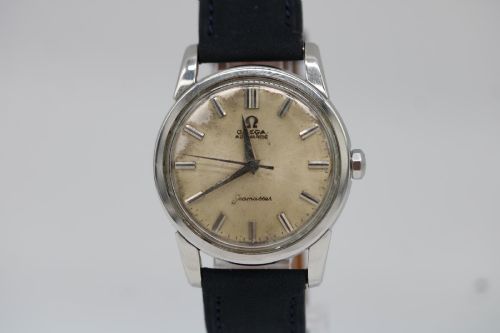
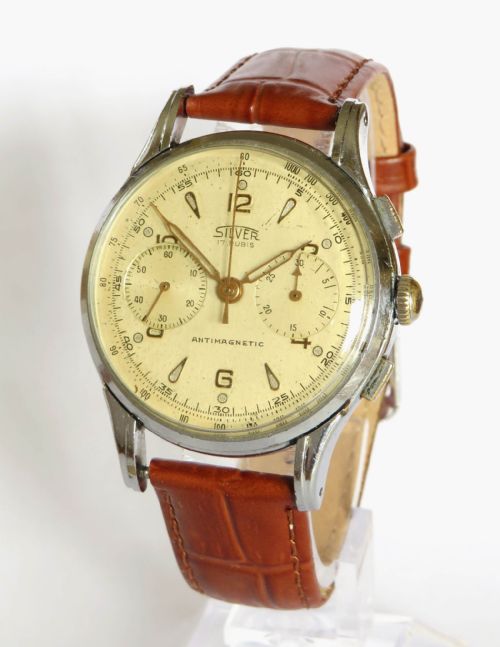
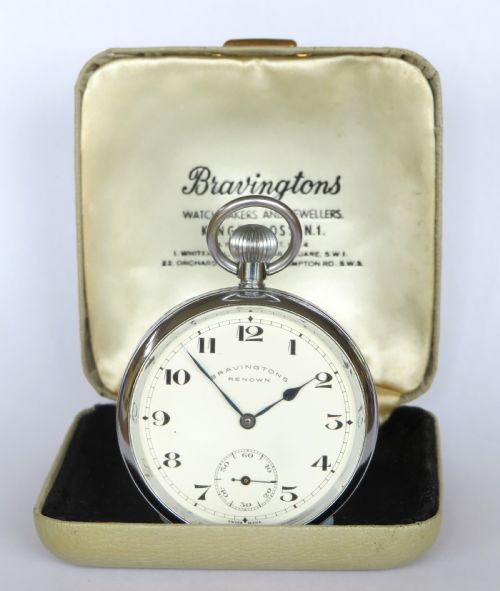
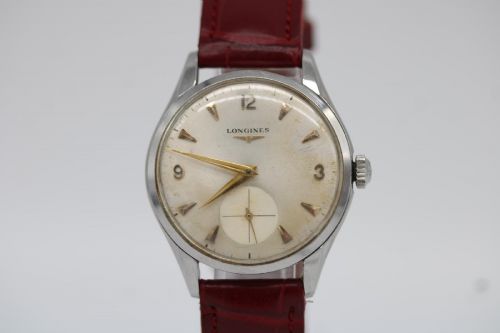
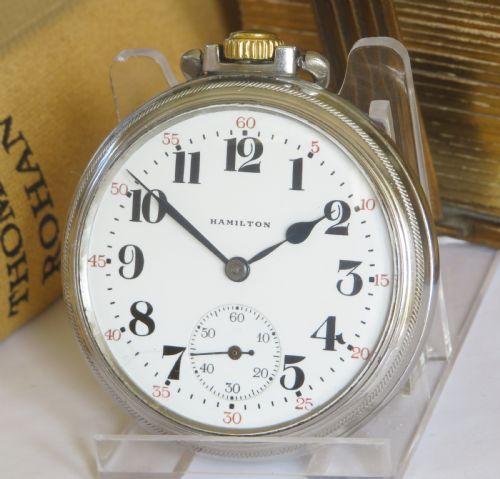
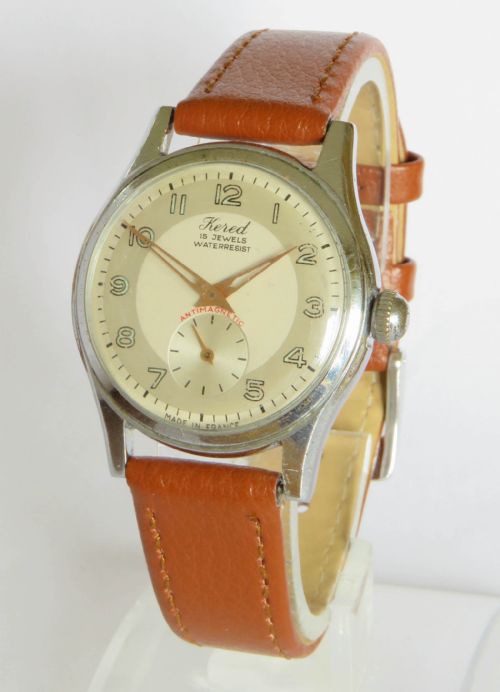
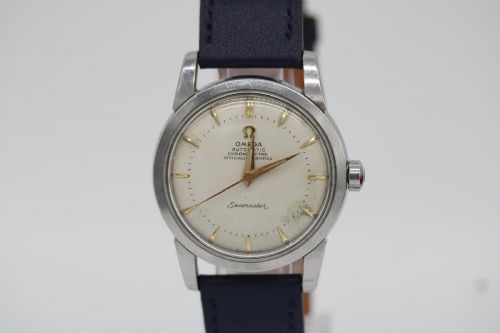
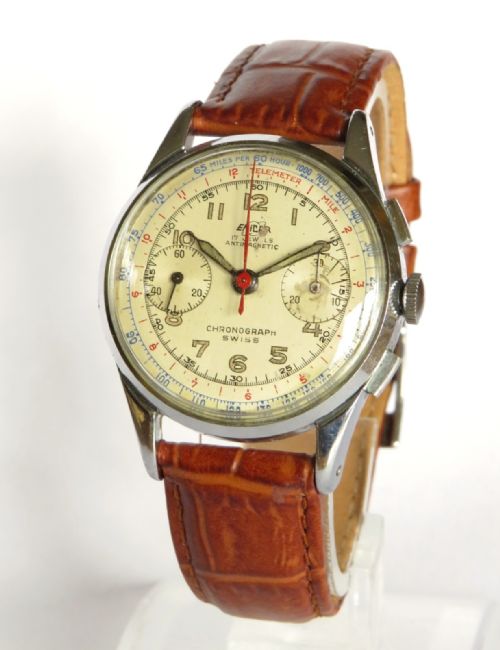
A 1950s silver watch encompasses gents wristwatches, chronographs, and pocket watches originating from the mid-century period. Buyers encounter forms ranging from manual wind wristwatches to automatic timepieces and aviators chronographs.
The selections span Swiss movements and British retail names, often categorised by styles such as Mid-Century Modern and Mid-Century Aviation. Most examples function as daily wear or collectible accessories utilising mid-century case designs.
How they were made
Cases combine metals, stainless steel, chrome, and occasionally platinum, housing mechanical movements driven by manual wind or automatic calibres. Dials feature glass, acrylic glass, or enamel finishes paired with leather straps.
Watchmakers employed specialised tooling to assemble intricate internal components, chronometer complications, and calendar mechanisms. Exterior finishes rely on polished metal and fitted crystals to protect the dial.
1950s Silver Watch Retail Price Guide 2026
Typical asking prices for 1950s silver watch among the pieces listed under this phrase on Sellingantiques today, from the lower quarter to the upper quarter. They describe what is for sale here now, not the wider market.
Current listings feature materials including leather, stainless steel, glass, acrylic, chrome, metal, acrylic glass, and enamel.
What varies in quality
Distinction across the range depends on movement pedigree, such as recognised Swiss calibres or chronometer certification, alongside the originality of dials and cases. Untouched examples retain higher fidelity to their original manufacturing state.
Material choice also dictates standard, moving from base metals and chrome to stainless steel, platinum, and complex chronograph complications like triple calendars.
Omega·Smiths·Montilier·Bravingtons·Antoremi·Hamilton·Longines·Primula·Enicar·Kered·Rotary·Lanco·Dogma Prima·Tissot·Fludo·Benrus
The 1950s Silver Watch Glossary
- Chronograph
- A watch with a function for measuring elapsed time, often featuring subsidiary dials. These models include stop-watch capabilities operated by pushers on the case.
- Manual Wind
- A mechanical watch requiring regular hand-winding via the crown to tension the mainspring. This traditional movement type lacks automatic rotor weighting.
- Calibre
- The specific manufacturer's designation for a particular watch movement design. Collectors reference these numbers to identify internal mechanical specifications.
- Bumper
- An early form of automatic movement where the rotor swings back and forth within a limited arc rather than spinning full circle. The wearer feels a gentle tap against the springs as the weight moves.
1950s Silver Watch: Frequently Asked Questions
Are 1950s watches suitable for daily wear?
These timepieces function well for regular wear provided they receive proper mechanical servicing and care.
Owners should avoid exposing vintage cases and leather straps to excessive moisture during daily use.
What is a bumper automatic movement?
A bumper automatic relies on a semi-rotating weight that bounces against internal springs to wind the mainspring.
This early automatic technology produces a distinct physical sensation on the wrist as the rotor moves.
How do manual wind and automatic watches differ?
Manual wind watches require daily hand rotation of the crown to store energy in the mainspring.
Automatic watches wind themselves using the natural motion of the wearer's arm via an internal weighted rotor.
What materials are common in mid-century watch cases?
Cases frequently utilise stainless steel, chrome, base metal, or platinum paired with glass, acrylic glass, or enamel crystals.
Straps are predominantly fashioned from leather to complement the mid-century aesthetic.