


1950s Platinum Engagement Ring
A 1950s platinum engagement ring brings mid-century design to the hand, offering durable metal and bright stones that collectors seek.
1950s Platinum Engagement Ring
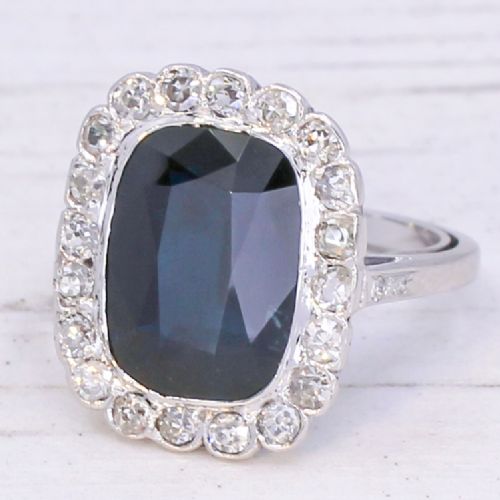
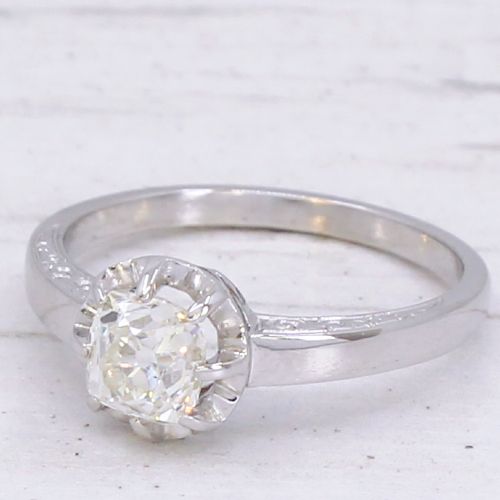
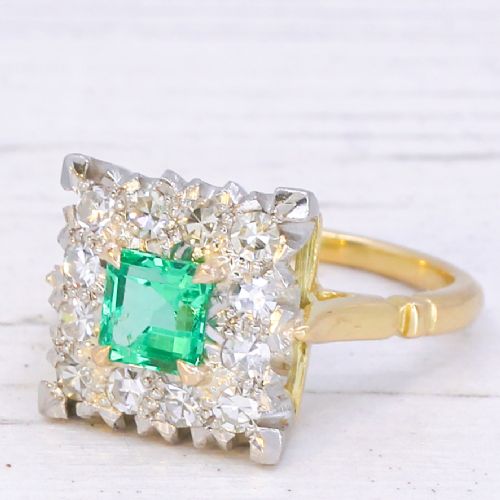
A 1950s platinum engagement ring sits within the mid-century aesthetic, appearing alongside retro and art deco style pieces from the same era. Buyers find single stone solitaires, multi-stone clusters, and trilogy rings featuring central diamonds or coloured gems.
The objects take forms from simple solitaire mountings to complex cocktail rings and ballerina settings. Most examples on this page date directly from the 1950 period, utilising durable white metals paired with diamonds, sapphires, emeralds, and pearls.
How they were made
The pieces utilise platinum alongside 18ct white gold and gold, providing strong mountings for precious stones. Metalwork techniques combine with claw settings and cluster arrangements to secure the gems.
Gems receive various cuts, including old cut, transitional cut, old European cut, pear cut, and emerald cut diamonds, alongside unheated sapphires and emeralds.
Some rings manage to squeeze over seventeen carats of sapphire and diamond into a single mid-century cocktail piece.
What varies in quality
The distinction between pieces rests on the weight and cut of the central stones, such as substantial diamond carat sizes or unheated sapphires. Setting complexity, from basic platinum solitaires to intricate ballerina and multi-stone clusters, shapes the work.
Materials create variation through the presence of natural pearls, Colombian emeralds, and Ceylon sapphires against standard diamond and platinum combinations.
The 1950s Platinum Engagement Ring Glossary
- Solitaire
- A ring featuring a single central gemstone mounted on the band. This form places visual focus entirely on the main stone.
- Trilogy ring
- A ring set with three stones, often interpreted to represent past, present, and future. The central gem typically outweighs the two side stones.
- Ballerina ring
- A cluster setting where tapered baguettes or smaller diamonds surround a central stone like a dancer's tutu. This style gained popularity during the mid-century period.
- Transition cut
- A diamond cutting style bridging old cuts and modern brilliant cuts, showing intermediate facet patterns. It appears frequently in mid-century jewellery.
1950s Platinum Engagement Ring: Frequently Asked Questions
What defines a 1950s platinum engagement ring?
These rings emerge from the 1950 period, combining strong platinum settings with mid-century, retro, or art deco design influences. They utilise durable white metals to hold diamonds, sapphires, and emeralds.
Makers of the era employed distinct cutting styles like old cuts and transitional cuts. The resulting rings range from minimalist solitaires to elaborate multi-stone clusters.
How do I care for platinum rings?
Platinum provides a robust setting for daily wear, requiring minimal maintenance compared to softer metals. Regular cleaning with warm soapy water restores the brightness of the metal and stones.
Professional checks help ensure the claws holding the diamonds or coloured gems remain secure. Storage in a fabric-lined box prevents scratching against other jewellery.
Which stones appear in these rings?
Diamonds form the primary stone in many designs, accompanied by sapphires, emeralds, and cultured pearls. Coloured gems often feature specific origins such as Ceylon or Colombian.
Stones arrive in various cuts including old European, emerald, pear, and rose cuts. These are mounted as solitaires, clusters, or trilogy arrangements.
What is a mid-century setting?
Mid-century settings reflect design trends of the 1950s, balancing structural platinum work with elegant stone placement. They move between restrained solitaires and complex cocktail or ballerina configurations.
The style prioritises clean lines alongside traditional claw and cluster arrangements. This approach showcases the central diamond or coloured gem effectively.