

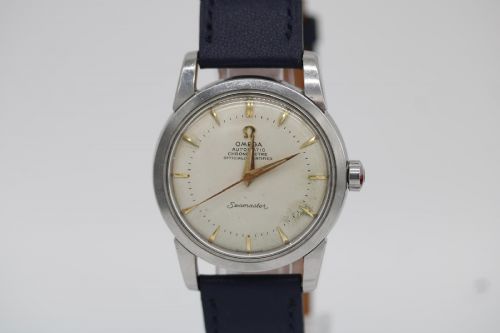
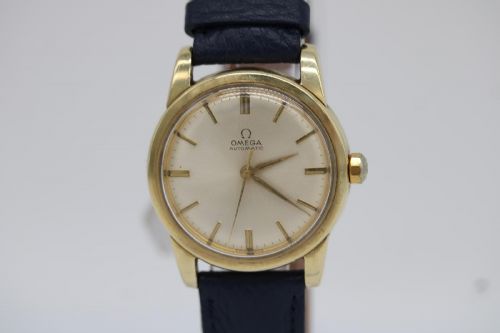
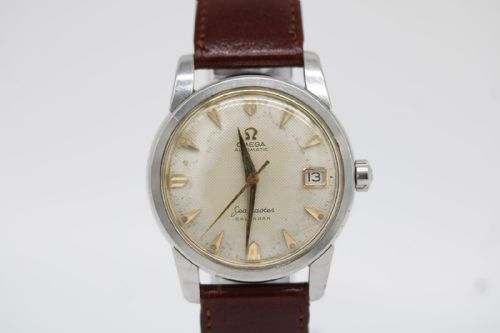


1950s Omega Timepiece
A 1950s omega timepiece delivers mid-century horology at its finest, offering dependable mechanical movements and timeless wrist presence for the discerning collector.
1950s Omega Timepiece
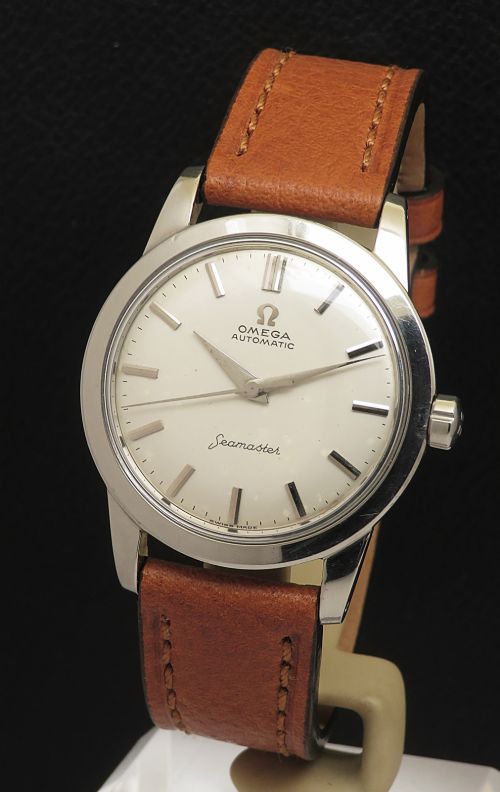
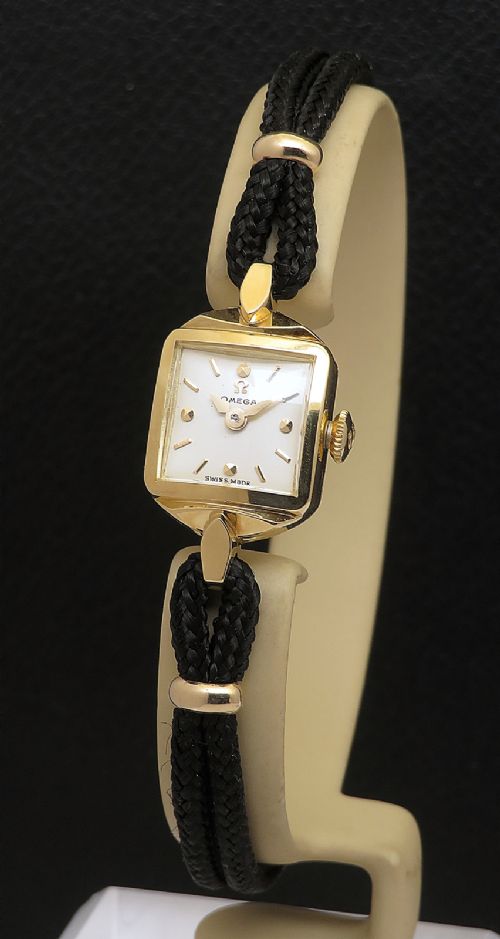
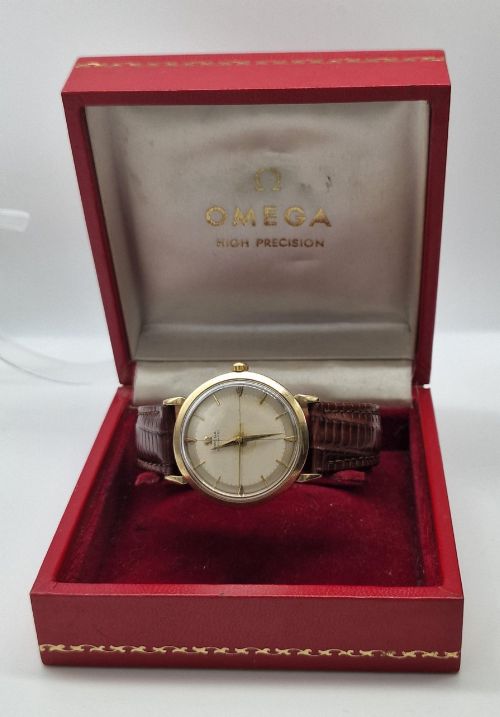
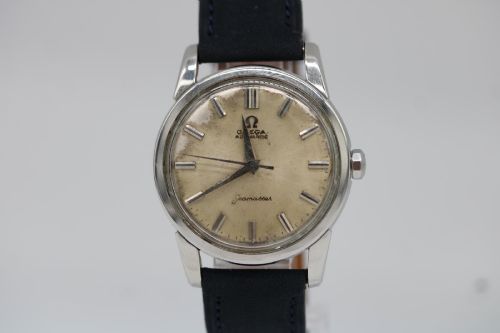
A 1950s omega timepiece represents a golden era of Swiss watchmaking, taking the form of mid-century wristwatches designed for both daily utility and formal elegance.
The selections available here span iconic models such as the robust Seamaster alongside refined ladies' cocktail watches and classic time-only dress pieces from the middle of the twentieth century.
Most examples emerge in mid-century modern styles, showcasing clean dial layouts, distinct case proportions, and the dependable automatic or manual-wind movements characteristic of the decade.
Construction and Materials
Cases of a 1950s omega timepiece utilise solid 18ct gold, solid 9K gold, gold plate, and durable stainless steel, often housing specialised automatic bumper or bumper-adjacent calibres.
Dials are paired with protective glass or acrylic crystals, while straps rely on traditional leather or fabric to secure the watch to the wrist.
1950s Omega Timepiece Retail Price Guide 2026
Typical asking prices for 1950s omega timepiece among the pieces listed under this phrase on Sellingantiques today, from the lower quarter to the upper quarter. They describe what is for sale here now, not the wider market.
Current selections span the entire decade, featuring stainless steel and gold-plated wristwatches alongside solid 18ct and 9K gold models.
Factors of Quality
Quality in these mid-century watches rests on the preservation of original components, where untouched dials and factory-correct hands elevate an example above one with replaced or refinished parts.
The choice of precious metal case materials, from heavy solid gold housings to standard gold plate, fundamentally separates standard dress models from the higher tiers of the range.
Omega
The 1950s Omega Timepiece Glossary
- Automatic
- A self-winding mechanical movement that uses the motion of the wearer's wrist to power the mainspring.
- Calibre
- The specific manufacturer's designation for a particular watch movement design.
- Bumper
- An early type of automatic movement where the rotor swings back and forth against buffer springs rather than rotating fully.
- Chronometer
- A high-precision watch that has been tested and certified to meet strict accuracy standards.
- Jumbo Case
- A collector term for a wristwatch whose case diameter is unusually large for its historical period.
1950s Omega Timepiece: Frequently Asked Questions
How do I wind a vintage watch?
Most manual-wind pieces require turning the crown clockwise until resistance is felt, while automatic versions wind themselves through daily wrist movement.
Care should be taken not to overwind manual movements, as this can damage the internal mainspring over time.
Are these watches water resistant?
Vintage models from this era lack modern gaskets and sealing technology, meaning contact with water should be avoided.
Even Seamaster models from this period are not considered waterproof by contemporary standards.
Can I wear a cocktail watch daily?
Ladies' cocktail watches were built primarily for social occasions and feature delicate cases and smaller movements.
Routine daily wear is possible with proper care, though these pieces suit formal attire best.
How do I identify the production year?
The movement serial number inside the case back typically corresponds to manufacturer production ledgers from the decade.
Reference numbers inscribed on the inner case also help narrow down the exact year of release.