


1950s Omega Dress Watch
A 1950s omega dress watch combines mid-century elegance with reliable mechanical engineering, making it a sophisticated addition to any collection.
1950s Omega Dress Watch
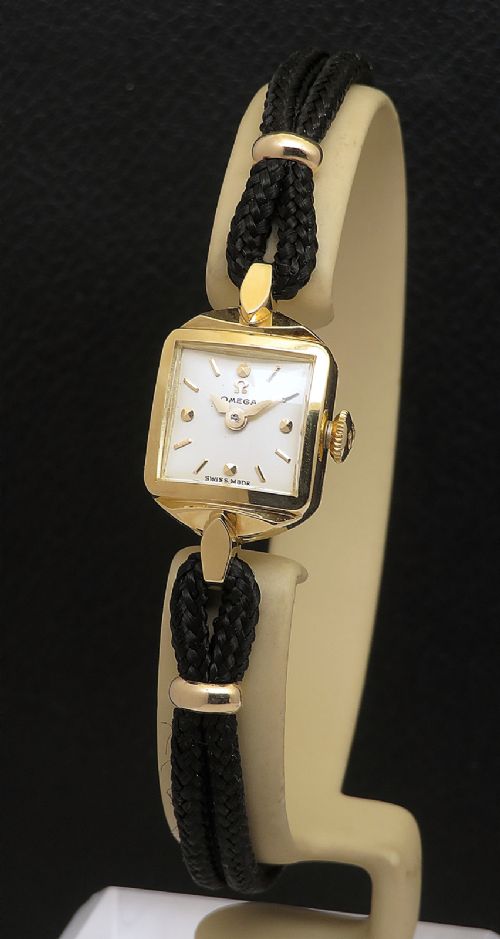
A 1950s omega dress watch represents the refined horological output of the mid-century period, designed primarily for formal wear and everyday elegance. These timepieces typically manifest as wristwatches, adhering to the mid-century modern aesthetic prevailing in the 1950s.
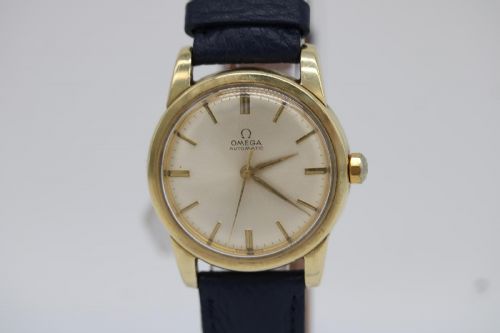
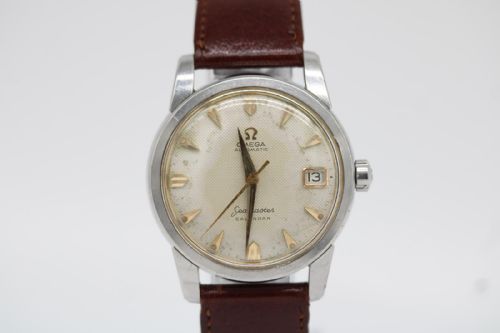
Buyers frequently encounter variants ranging from simple manual-wind models to automatic movements such as bumper automatics. The offerings span from solid gold cocktail watches for ladies to robust steel and gold-plated Seamaster or jumbo case variants for gents.
Origins trace directly to mid-century Swiss watchmaking, capturing a decade defined by clean dials, minimalist markers, and enduring mechanical precision.
What varies in quality
The grade of the case metal dictates the base tier of the piece, moving from gold-plated and gold-filled iterations up to solid 9K and 18ct gold, including white gold set with diamonds. The integrity of the dial finish, whether honeycomb or classic black, significantly alters the character of the watch.
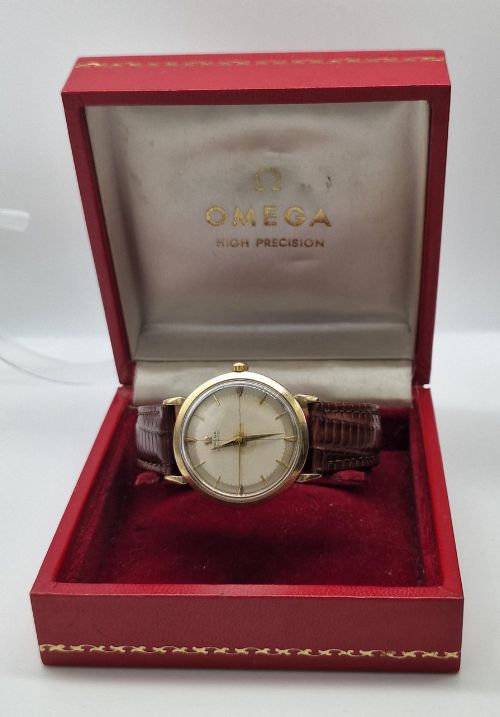
Internal mechanical sophistication distinguishes standard manual movements from complex automatic calibres like the bumper automatic or calendar-equipped Seamaster variants. Inclusion of original presentation boxes or the preservation of unpolished case lines further elevates a piece within the range.
The object type seen across the listings is strictly wristwatches, encompassing both gents and ladies variants from the 1950s.
Omega
The 1950s Omega Dress Watch Glossary
- Calibre
- The specific internal mechanical movement manufactured by the watchmaker. Each calibre number designates a distinct movement design and architecture.
- Bumper automatic
- An early form of self-winding mechanical movement where the rotor swings through a limited arc and bounces off springs. This movement imparts a distinct physical sensation to the wrist as it winds.
- Gold-filled
- A thick layer of gold mechanically bonded to a base metal core. This layer is substantially thicker and more durable than standard gold plating.
- Honeycomb dial
- A textured dial face featuring a raised grid pattern resembling a honeycomb. This decorative surface treatment is characteristic of mid-century watch design.
- Jumbo case
- A descriptor used by collectors to denote a watch case whose diameter is noticeably larger than the standard proportions of its era.
1950s Omega Dress Watch: Frequently Asked Questions
How do I wind a manual Omega?
Gently rotate the crown clockwise between your thumb and forefinger until you feel resistance. Stop immediately to avoid damaging the mainspring.
Perform this action at the same time each day if you wear the watch regularly to maintain consistent timekeeping.
Can I wear my vintage Omega daily?
These watches were built for daily wear during the mid-century period and function reliably with proper care. Keep them away from water and strong magnetic fields.
Have the movement serviced periodically by a professional watchmaker to ensure the internal components remain lubricated.
What is a bumper automatic movement?
A bumper automatic uses a semi-circular weighted rotor that swings back and forth within an arc rather than spinning in a full circle. Springs cushion the rotor at each end of its travel.
This early automatic mechanism transmits a gentle tap to the wrist as the weight moves.
How do I identify a 1950s Omega?
Examine the movement calibre number and the case reference number stamped on the inside of the case back. These numbers correlate with production ledgers from the decade.
Stylistic cues such as dial typography, hands, and case geometry also point to mid-century manufacturing standards.