



1950s Gold Band
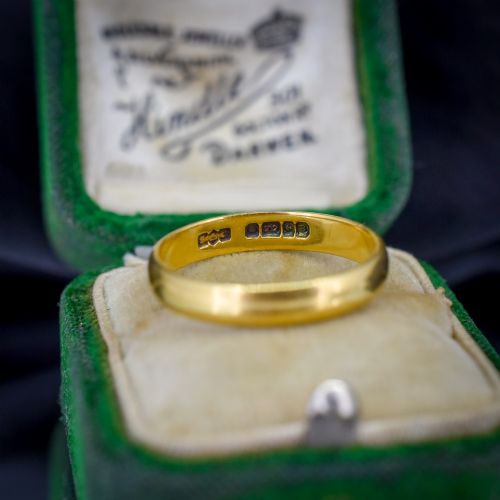
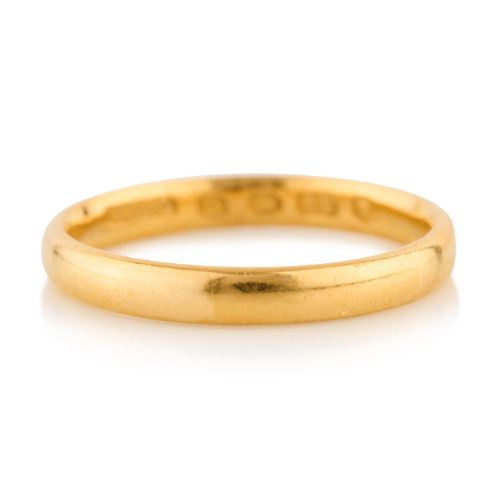
These 1950s gold band pieces are mid-century rings crafted in yellow, white, and rose gold, offering buyers a tactile connection to the post-war era.
1950s Gold Band
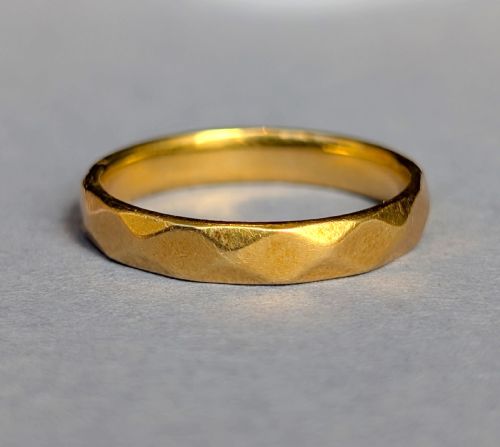
A 1950s gold band encompasses plain wedding rings, stacking bands, and diamond or gemstone set rings originating from the mid-century period. Buyers seeking this phrase encounter simple plain metal bands alongside more elaborate multi-stone engagement and eternity designs.
The objects span yellow gold, white gold, rose gold, and high-purity twenty-two carat gold, alongside platinum mountings. Many pieces hail from the mid-century and retro styles, reflecting the distinct jewellery aesthetics of the decade.
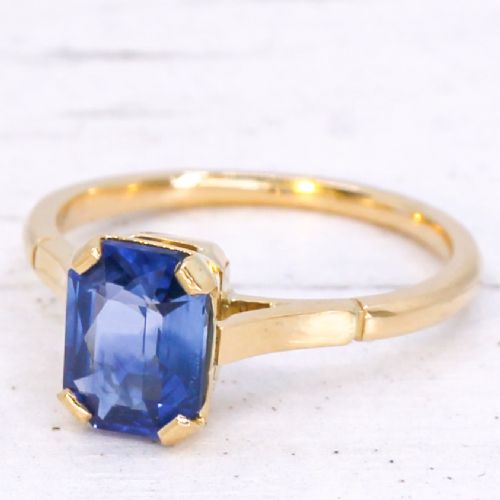
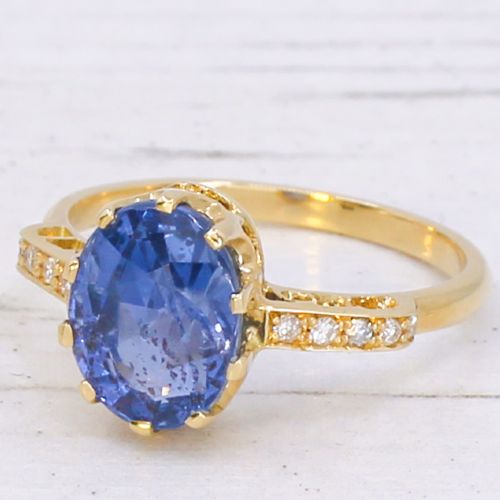
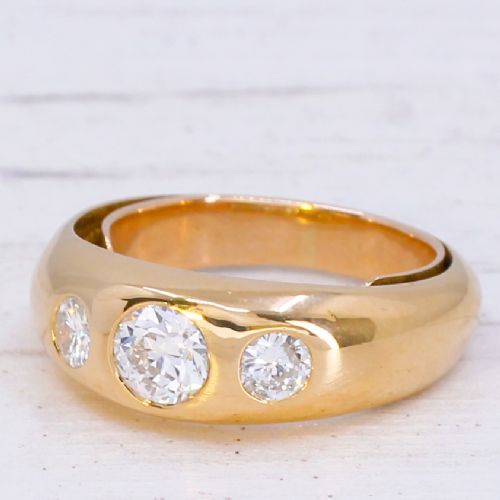
Rings from this era often incorporate old cut diamonds, sapphires, turquoise, and rubies set within robust precious metal mountings. The selection ranges from slender stacking wedding bands to substantial gem-set statement rings.
How they were made
Goldsmiths utilised yellow gold, white gold, rose gold, and high-purity twenty-two carat gold to forge the foundational structures of these rings. Platinum also frequently appears, particularly in combination with white gold for stone settings.
Gemstones such as old cut diamonds, unheated Ceylon sapphires, rubies, turquoise, and smoky topaz were integrated using traditional claw, gypsy, and full eternity setting techniques. These methods ensured the secure housing of stones within mid-century mountings.
1950s Gold Band Retail Price Guide 2026
Typical asking prices for 1950s gold band among the pieces listed under this phrase on Sellingantiques today, from the lower quarter to the upper quarter. They describe what is for sale here now, not the wider market.
The selection includes mid-century styles featuring diamonds, sapphires, rubies, and turquoise.
What varies in quality
The purity of the gold metal, ranging from standard eighteen carat up to twenty-two carat, dictates the richness of the metalwork and the weight of the band. Heavier metal gauge and higher carat weights separate substantial daily wear rings from lighter examples.
Stone selection and setting precision divide the range, from simple plain wedding bands to intricate full eternity rings set with substantial diamonds or unheated Ceylon sapphires. The presence of old cut diamonds and high-carat coloured gemstones elevates the overall execution.
The 1950s Gold Band Glossary
- Old Cut Diamond
- A diamond cut popular before the modern brilliant cut, characterised by a smaller table, higher crown, and open culet. These stones display a distinct hand-polished charm under candlelight.
- Full Eternity Ring
- A band featuring a continuous unbroken line of identical gemstones set all the way around the circumference. This design symbolises endless love and requires precise matching of every stone.
- Gypsy Ring
- A ring style where gemstones are flush-set directly into the thick tapering metal band. This mounting style protected the stone edges during daily wear in the mid-century period.
- Ceylon Sapphire
- A sapphire originating from Sri Lanka, historically known for its vibrant natural colour. These stones often appear unheated in mid-century fine jewellery.
- Stacking Ring
- A slim ring designed to be worn alongside other bands on the same finger. They allow wearers to combine different gold colours and textures.
1950s Gold Band: Frequently Asked Questions
How do I know my ring size?
Ring sizes in this collection are listed using standard letter designations such as size J or size Q. You can determine your correct fit using a professional ring sizer.
Keep in mind that wider bands often require a slightly looser fit than thin stacking rings.
Can these rings be resized?
Many solid gold bands can be adjusted by a skilled jeweller depending on the construction and stone placement. Full eternity rings, however, typically cannot be altered without disrupting the continuous stone setting.
Consult a specialist jeweller to examine the shank before attempting any alterations.
What gold purities are common?
Listings feature various gold standards, most notably eighteen carat yellow, white, and rose gold. You will also find high-purity twenty-two carat gold used specifically for traditional wedding bands.
Each alloy offers a distinct hue and durability suited to daily wear.
How do I care for my ring?
Clean your gold band using warm soapy water and a soft brush to remove everyday oils and debris. Avoid harsh chemical cleaners that might affect softer gemstones like turquoise or smoky topaz.
Store vintage jewellery separately to prevent scratching between different pieces.