




1940s Wrist Watch
A 1940s wrist watch brings mechanical precision and distinct mid-century character to the wrist, offering a direct link to wartime utility and post-war design.
1940s Wrist Watch
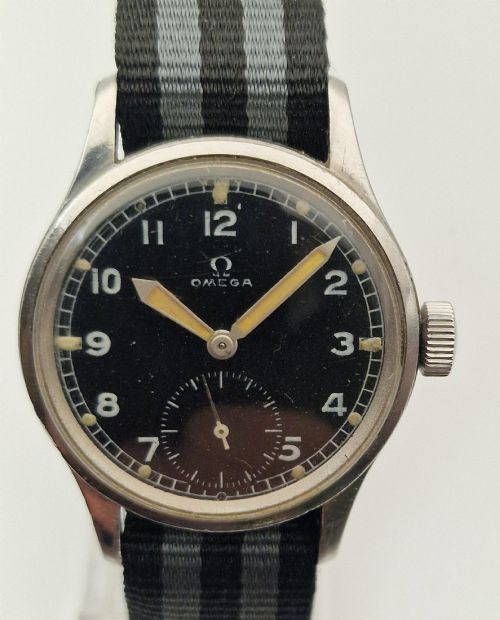
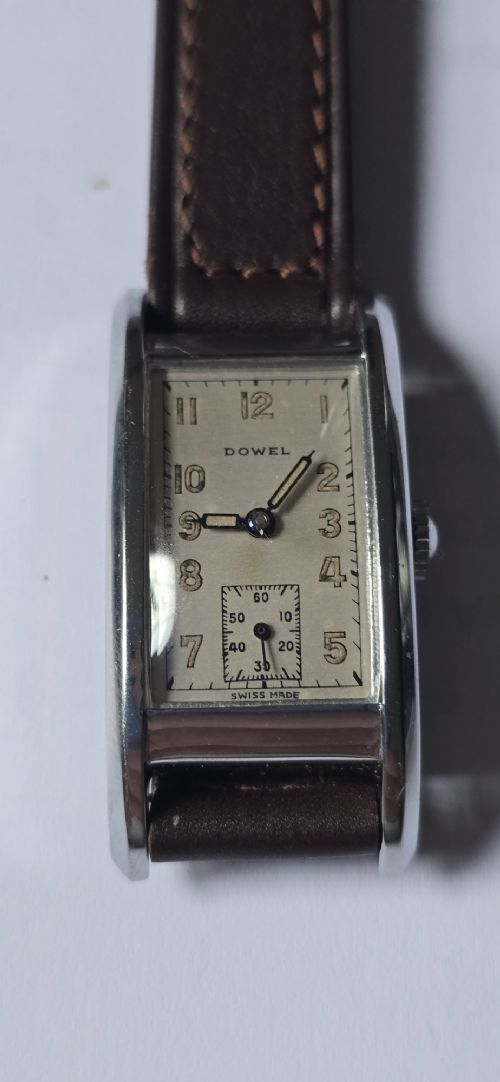
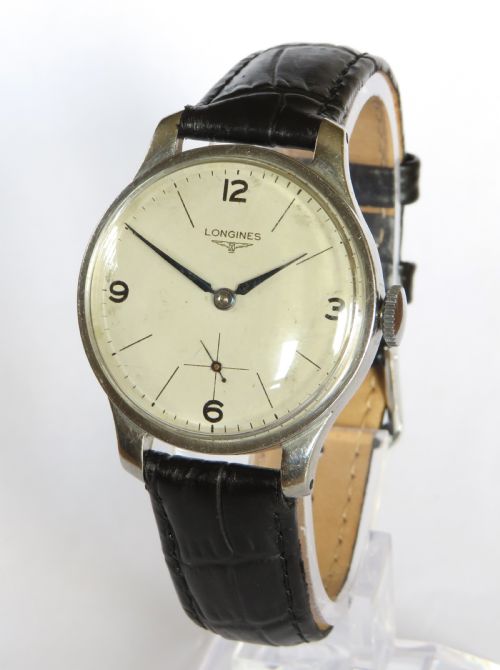
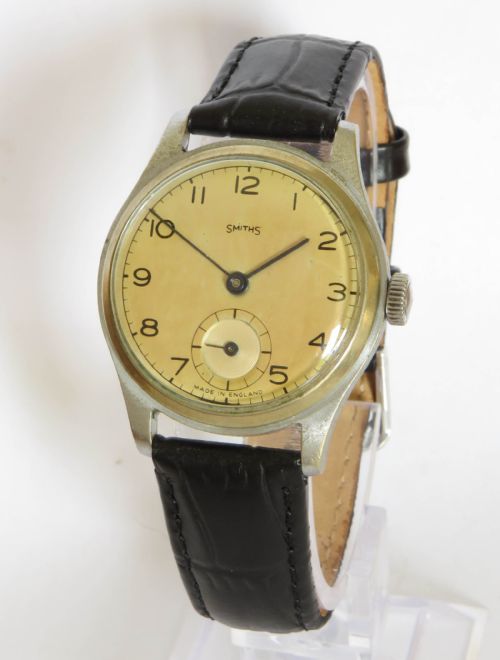
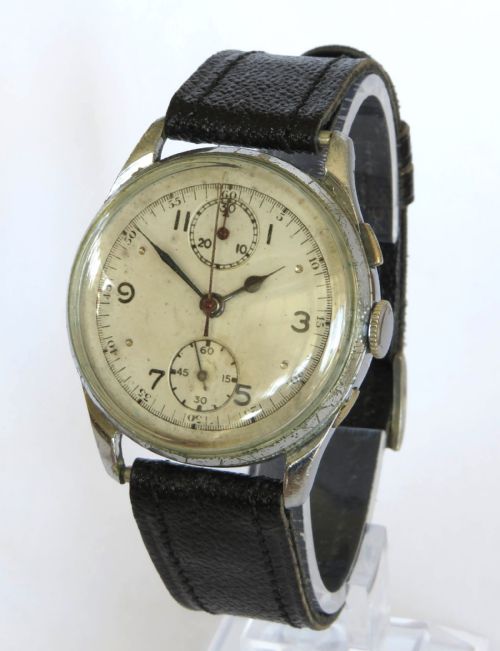
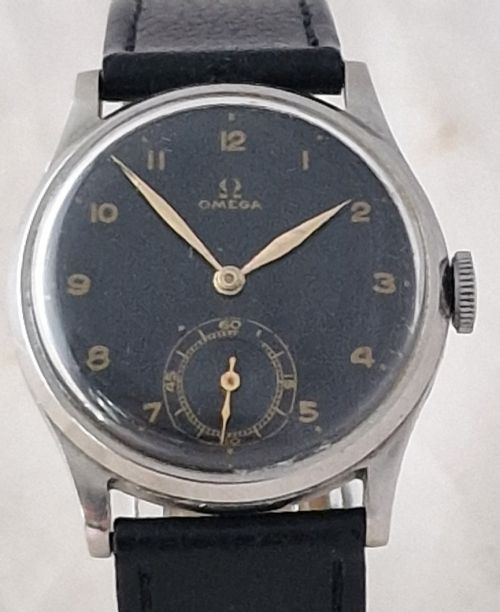
A 1940s wrist watch typically takes the form of a gents manual wind timepiece, spanning styles from utilitarian military issues to refined Art Deco dress pieces. Buyers encounter both civilian models and specific service watches originating from British, German, and Swiss workshops.
The material palette of these timepieces relies heavily on stainless steel, chrome plate, and occasionally solid gold or gold plate, often paired with leather straps. Dials range from stark black military layouts to silvered Art Deco faces with distinct numerals.
How they were made
Watchmakers of this era housed intricate mechanical movements inside cases forged from stainless steel, brass, or chrome plate, protecting the internal cogs with glass or acrylic crystals. Chronographs and triple date complications required precise micro-engineering by specialised houses.
Casing techniques varied from rugged, water-resistant military specifications to elegant curved designs for civilian dress models. Dials were hand-painted or printed, utilising luminous compounds for tactical readability on RAF and Luftwaffe issues.
1940s Wrist Watch Retail Price Guide 2026
Typical asking prices for 1940s wrist watch among the pieces listed under this phrase on Sellingantiques today, from the lower quarter to the upper quarter. They describe what is for sale here now, not the wider market.
Listings feature stainless steel, gold plate, and chrome cases housing manual wind movements from Swiss and British makers.
What varies in quality
The calibre of the internal movement and the originality of the dial dictate the standing of any 1940s wrist watch. Well-preserved military specifications and complex chronograph complications generally command higher regard than standard civilian time-only models.
Case preservation, particularly the integrity of chrome plating or stainless steel polishing, marks the difference between average examples and superior survivals. Finding pieces described as new old stock points to exceptional preservation without modern intervention.
Omega·Longines·Smiths·Movado·Cyma·Elgin·Benrus·Roamer
The 1940s Wrist Watch Glossary
- Chronograph
- A watch with a stopwatch function alongside normal time display. This complication allows the user to measure elapsed intervals via dedicated pushers on the case.
- Calibre
- The specific internal mechanism or movement model created by a watch manufacturer. Collectors use this term to identify the exact mechanical engine driving the hands.
- Curvex
- A curved watch case and movement design that contours to the shape of the wrist. This style gained popularity during the Art Deco period for dress models.
- Manual wind
- A mechanical watch movement that requires daily hand-rotation of the crown to tension the mainspring. Unlike automatic versions, these contain no rotor for self-winding.
1940s Wrist Watch: Frequently Asked Questions
How do I wind a 1940s watch?
Gently rotate the crown clockwise between your thumb and forefinger until you feel light resistance. Stop immediately to avoid damaging the mainspring.
Perform this action at roughly the same time every day to maintain steady tension and accurate timekeeping.
Are these watches water resistant?
Vintage timepieces from this decade lack modern rubber gaskets and screw-down systems. Even military models should be kept away from moisture and heavy rain.
Accidental immersion will cause internal rust and damage the delicate dial and movement components.
What is a military issue watch?
Governments contracted specific Swiss and British firms to supply reliable timepieces for armed forces personnel. These units feature specific markings, such as broad arrows or serial numbers, on the case back.
RAF and Luftwaffe pilots relied on these regulated dials for precise navigation and coordination.
How accurate are mechanical watches?
Vintage mechanical movements run within a variance of a minute or two per day rather than the split-second precision of quartz items. Regular servicing by a watchmaker helps keep the internal cogs running true.
Environmental temperature changes and age naturally affect the daily performance of these older escapements.