

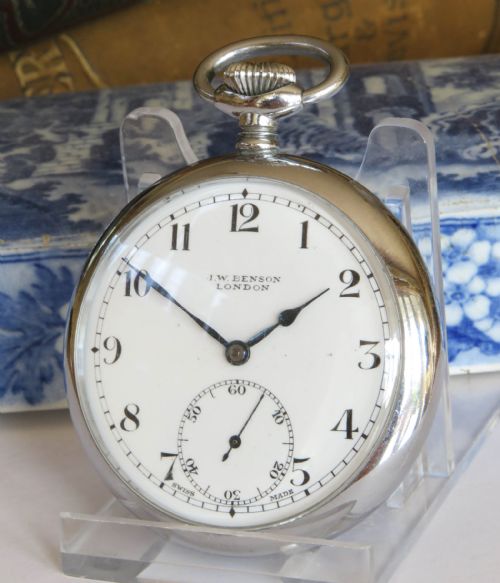
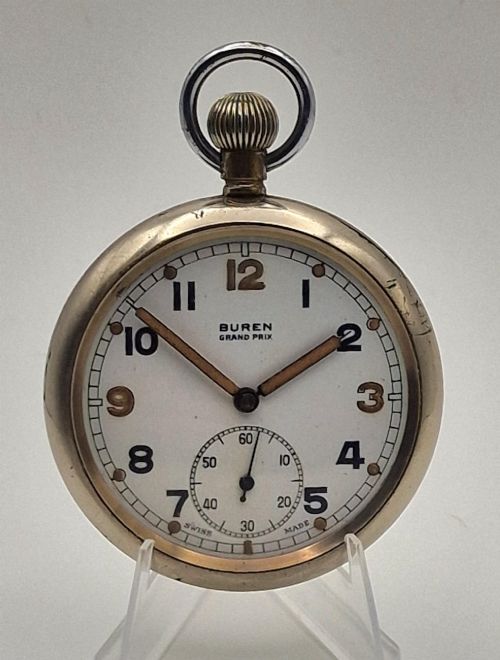
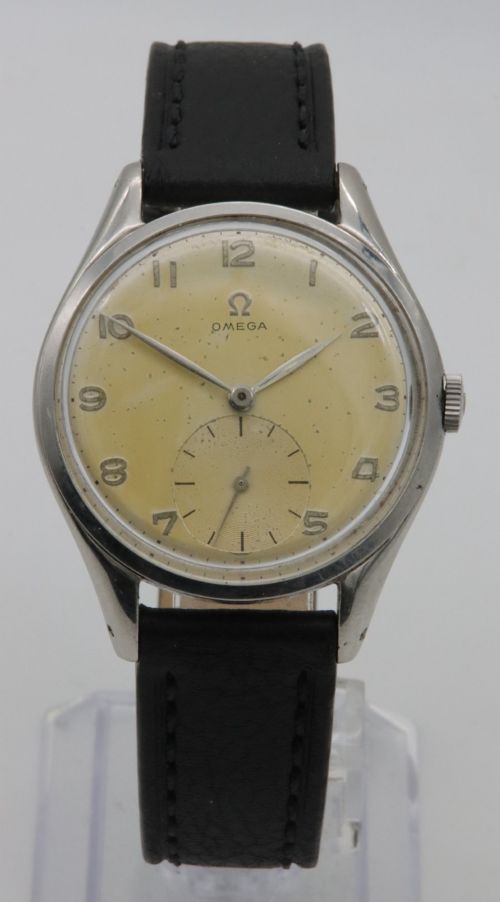

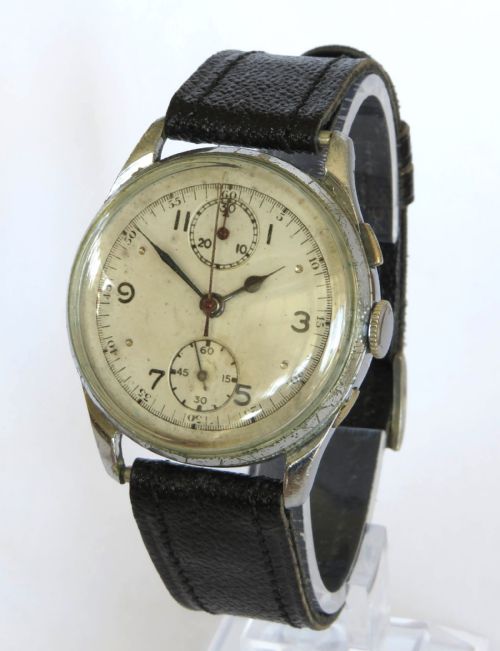

1940s Timepiece
A 1940s timepiece carries the precise engineering and utilitarian design of a turbulent decade, offering a tangible connection to mid-century history.
1940s Timepiece
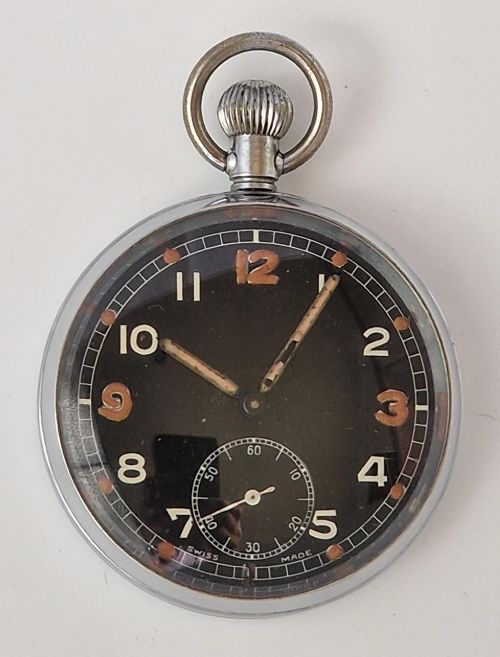
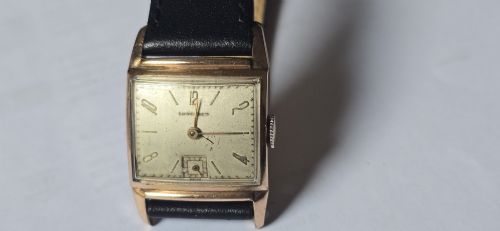
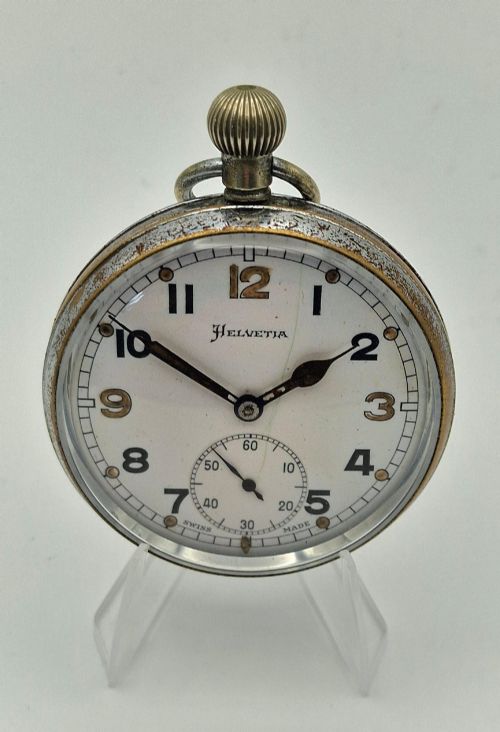
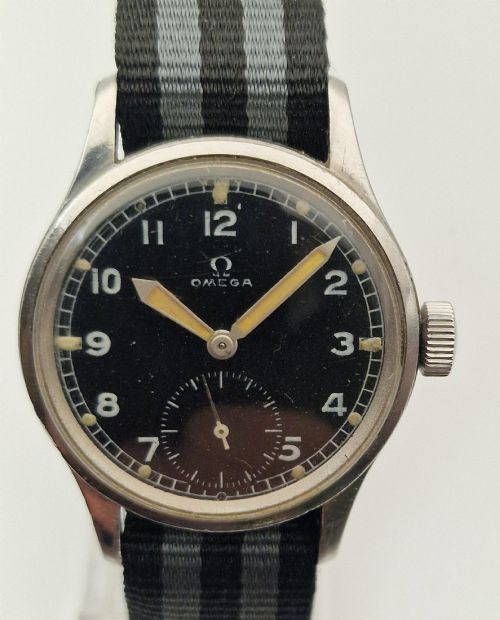
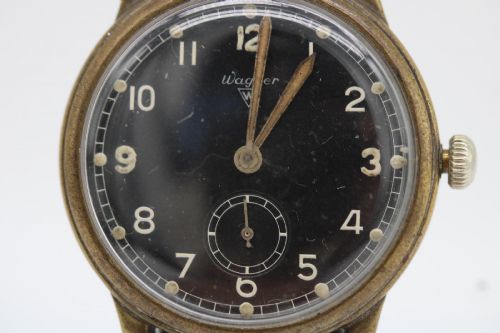
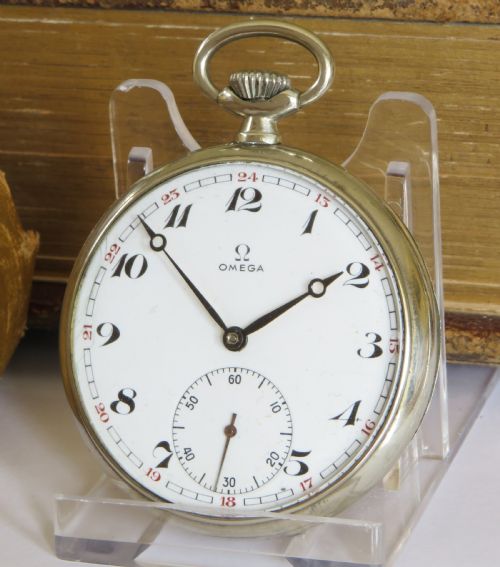
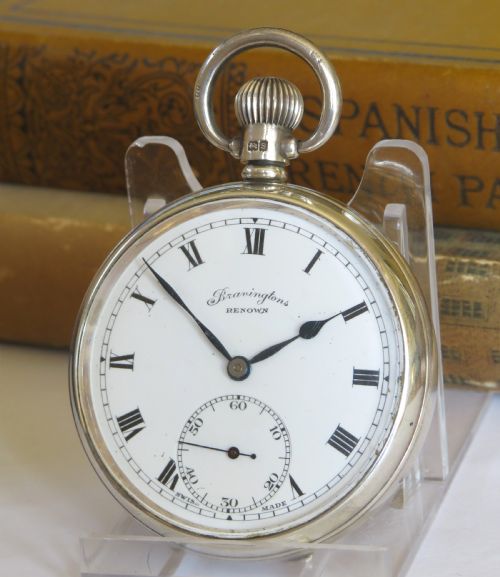
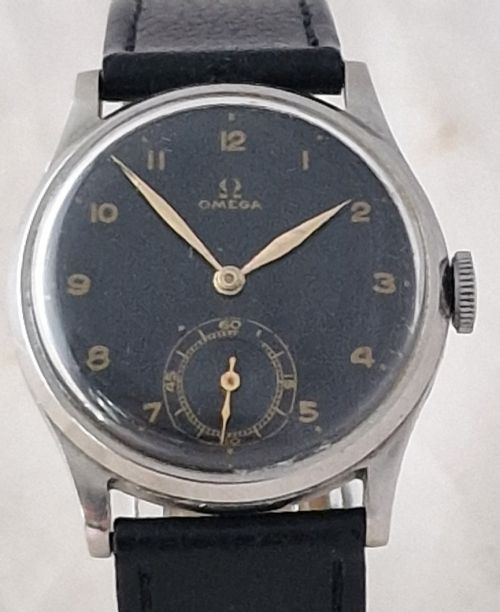
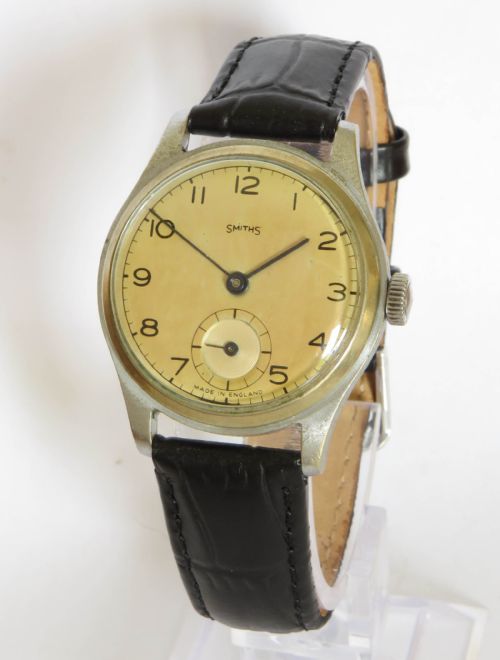
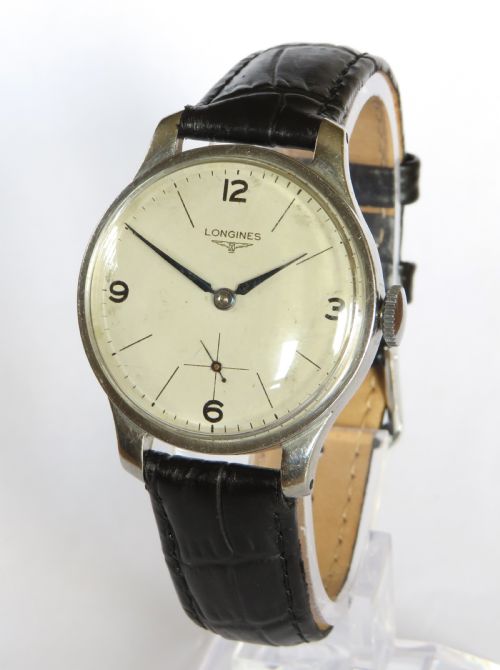
When you examine a 1940s timepiece, you encounter a diverse range of objects designed for daily utility and military service. The selection spans wristwatches, pocket watches, wall clocks, and mantel clocks originating from British, Swiss, French, and German makers.
You are most likely to meet wristwatches and pocket watches housed in steel, gold plate, or chrome plate, alongside larger wall clocks executed in walnut with Art Deco styling. The periods represented stretch from the 1930s through the 1950s, though the defining core belongs firmly to the wartime and immediate post-war years of the 1940s.
Military issues from the RAF and Admiralty appear alongside civilian chronographs and dress watches. These items reflect the specific technical requirements of their era, balancing functional readability with decorative influences from Art Deco and Mid-Century design.
How they were made
Makers utilised durable metals such as stainless steel, brass, and gold plate for cases, paired with glass crystals and dials finished with enamel or mother-of-pearl. Leather straps provided standard wrist attachment for portable models, while wooden cases in walnut defined larger clocks.
Movements relied on mechanical manual-wind calibres assembled with brass plates and steel gears. Military pieces often featured specialised shock-resistant designs and high-contrast dials for legibility under difficult conditions.
1940s Timepiece Retail Price Guide 2026
Typical asking prices for 1940s timepiece among the pieces listed under this phrase on Sellingantiques today, from the lower quarter to the upper quarter. They describe what is for sale here now, not the wider market.
Materials across these listings include stainless steel, brass, leather, glass, enamel, acrylic, gold plate, and chrome plate.
What varies in quality
The degree of preservation in the dial and case metal separates standard examples from superior ones. Original dials retain their printed or applied markers without excessive spotting, while cases show minimal pitting to chrome or gold plate.
The sophistication of the internal movement also dictates quality, distinguishing standard three-hand movements from complex chronographs with multiple subsidiary dials. The presence of military contract markings or specific institutional issue numbers adds historical depth to individual specimens.
J W Benson·Omega·Smiths·Longines·Cyma·Bulova·Breitling
The 1940s Timepiece Glossary
- Chronograph
- A watch with a stopwatch function alongside its standard timekeeping display. These complications often include additional sub-dials for measuring elapsed minutes and hours.
- Calibre
- The specific internal movement design manufactured by a watchmaker. Different calibres denote distinct mechanical layouts and functional capacities within a timepiece.
- Carillon
- A set of tuned bells struck by hammers to play a musical chime on the hour or quarter-hour. This mechanism appears within larger clocks like wall-mounted Westminster models.
- Gold filled
- A layer of solid gold mechanically bonded to a base metal core. This technique provides the appearance and wear resistance of solid gold at a different structural weight.
- Military issue
- Equipment commissioned by armed forces for personnel use, often stamped with specific government or department codes. These pieces conform to strict regulatory specifications for durability.
1940s Timepiece: Frequently Asked Questions
How do I wind a mechanical watch?
Turn the crown gently clockwise between your thumb and forefinger until you feel firm resistance. Stop immediately at that point to avoid overwinding and damaging the internal mainspring.
Most manual-wind pieces require this attention daily to maintain accurate timekeeping throughout use.
Are these watches waterproof?
Timepieces from this period lack modern rubber gaskets and screw-down sealing technology. Exposure to moisture can easily compromise the delicate internal metal components and ruin paper or painted dials.
Keep them entirely away from water, rain, and high humidity environments.
How accurate are vintage movements?
Mechanical calibres from this era operate differently from quartz technology and may gain or lose a short number of minutes over the course of a week. Regular servicing helps maintain reasonable performance levels.
Daily timekeeping tolerance is generally wider than what modern standards provide.
How do I identify military models?
Look for government broad arrow marks, serial numbers, and specific department codes engraved on the case back or dial. Abbreviations such as A.M. or ATP point directly to official service contracts.
These utilitarian markings denote instruments built to strict government specifications.